Cat Not Chewing Dry Food: Causes and What to Do
By Dr. Zubair Khalid, DVM, MS, PhD ·
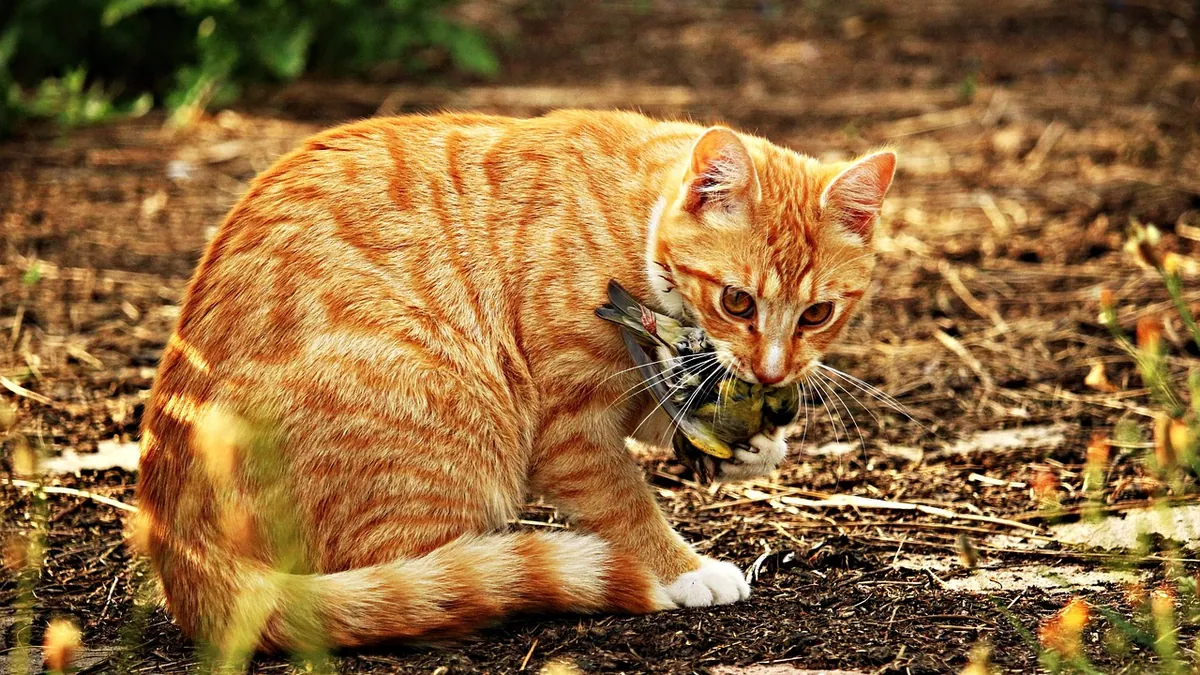
A cat that stops chewing dry food is often telling you something hurts. The most common reason is dental or gum disease, though problems with the jaw joint, nerves, or the mouth lining can also make a cat swallow kibble whole or refuse it. This article is educational and is not a substitute for veterinary diagnosis or treatment.
Quick Answer
- Dental pain is the leading suspect. Gum disease is the most common oral problem in cats, and it can make chewing painful enough that a cat avoids hard food [1][2].
- Watch for other clues: bad breath, drooling, blood-tinged saliva, pawing at the mouth, or enlarged lymph nodes near the jaw all point to mouth inflammation [1].
- A cat that eats wet food but refuses kibble is often managing pain, not being picky. Soft food needs less chewing.
- Do not wait weeks to "see if it passes." Dental disease that goes untreated can lead to tooth loss as supporting tissues break down [2].
- Book a veterinary dental exam. Diagnosis usually needs an oral exam, often with dental radiographs under anesthesia, because most of the tooth sits below the gum line [2].
What "Not Chewing" Actually Looks Like
Owners describe this in a few different ways. Some cats swallow kibble whole with almost no crunching. Others pick up a piece, drop it, and walk away. Some eat wet food normally but leave the dry food untouched. A few will still take soft treats but refuse crunchy ones.
All of these can be normal in small doses. Some cats are simply fast eaters who barely chew. Others prefer wet food for reasons that have nothing to do with pain. The sign that matters is a change. If your cat used to crunch kibble and now does not, or if your cat is not chewing food the way it used to, something has shifted.
A cat that is not chewing kibble but still eating wet food is a common pattern. Wet food requires far less mechanical work. When chewing hurts, many cats quietly switch themselves to the softest option available.
Why a Cat May Stop Chewing Dry Food
Dental and Gum Disease
Gum (periodontal) disease is infection and inflammation of the tissue around the teeth. It starts with plaque buildup at and below the gum line, largely from a lack of oral hygiene [2]. The gums change from coral pink to red or purple, the gum edge swells, and the gums tend to bleed on contact. Bad breath is common [2].
There are two stages. In gingivitis, the gums are inflamed but the ligaments and bone are not yet affected. Gingivitis can be reversed with proper cleaning. If it goes untreated, it can progress to periodontitis, where the ligaments and bone that anchor the teeth are damaged. At that point, teeth can be lost [2].
This is why a cat may stop chewing kibble. Pressing sore gums against hard food hurts.
Tooth Resorption
Tooth resorption is a common and painful dental disease in cats [3]. The tooth structure is broken down by the cat's own cells, and the lesions often sit below the gum line where you cannot see them. A cat with resorption may chew on one side, drop food, or avoid hard kibble entirely.
One review of 166 cats with radiographically confirmed tooth resorption found that brachycephalic cats (flat-faced breeds) were younger on average and had more advanced lesions than non-brachycephalic cats [3]. That same review found no significant difference between groups in diet type or wet food consumption, so diet alone does not explain resorption [3].
Mouth Inflammation Beyond the Gums
Gum disease is the most common oral problem in cats, but it is not the only one. Inflammation in the mouth can also come from immune-mediated disease, injuries, chemicals, metabolic disease, burns, tumors, radiation therapy, and infectious diseases [1]. Several viruses can cause mouth inflammation in cats, including feline herpesvirus, feline calicivirus, feline leukemia virus, and feline immunodeficiency virus [1].
Jaw and Joint Problems
Sometimes the problem is not the tooth but the joint. A study of 42 cats referred for suspected temporomandibular joint (TMJ) luxation found that only 6 actually had an isolated TMJ luxation. The rest had other diagnoses, and end-stage periodontal disease was the most common [4]. Other final diagnoses included malocclusion, symphyseal separation, open-mouth jaw locking, mandibular fractures, and TMJ ankylosis [4].
Owners of these cats commonly reported an inability to close the mouth, apparent deviation of the jaw, and signs suggesting oral pain [4].
Trouble Opening the Mouth
Trismus means the jaw cannot open normally. A case report described a 15-year-old cat with a five-month history of difficulty swallowing that progressed to an inability to open the mouth, leading to poor food pickup and weight loss [5]. Imaging found a large mass at the level of the pons in the brain. The authors noted this was the first reported case of a pontine lesion causing trismus in a cat, and that it should be considered a rare but possible cause [5].
This is uncommon. It is mentioned because a cat that cannot open its mouth wide enough to pick up kibble needs prompt veterinary attention.
Salivary Gland Stones and Other Rare Findings
Sialolithiasis, or salivary stones, is rare in cats [6]. One case report described an 8-year-old cat with bad breath, reduced appetite, and weight loss. The oral exam found widespread periodontal disease and tooth resorption, and radiographs also identified a calcified structure near the left lower jaw that turned out to be a sialolith in a minor salivary gland [6]. After surgical removal, the clinical signs resolved [6].
The lesson is not that your cat has a salivary stone. It is that a full oral exam and imaging can turn up problems that are invisible from the outside.
A Note on Pain and Appetite
Oral pain does not always look like pain. Cats with mouth inflammation may simply eat less. Loss of appetite is a recognized sign, and pain may cause a cat to paw at its mouth and resist any attempt to examine the area [1]. If your cat is eating less overall, see Cat Not Eating? When to Worry and What to Do.
Cause, Clues, and Urgency at a Glance
| Cause | Typical clues | How urgent |
|---|---|---|
| Gum (periodontal) disease | Bad breath, red or purple gums, bleeding on contact, dropping kibble [2] | Routine dental exam soon, sooner if eating less |
| Tooth resorption | Chewing on one side, dropping food, avoiding hard kibble, pain on chewing | Routine dental exam with radiographs |
| Mouth inflammation from infection, immune disease, or other causes | Bad breath, drooling, blood-tinged saliva, pawing at the mouth, enlarged lymph nodes [1] | See a vet within days |
| TMJ or jaw problems | Cannot close the mouth, jaw deviation, signs of oral pain [4] | Same day |
| Trismus (cannot open the mouth) | Poor food pickup, weight loss, jaw range of motion reduced [5] | Same day or emergency |
| Salivary stone or other rare mass | Bad breath, reduced appetite, weight loss, palpable lump [6] | See a vet within days |
Red Flags That Need Emergency Care
Call an emergency clinic now if your cat:
- Cannot open or close the mouth normally [5][4]
- Has a jaw that looks shifted or hangs open [4]
- Is drooling heavily, especially with blood in the saliva [1]
- Cannot swallow, or swallows with obvious distress
- Has facial swelling, a swollen eye, or swelling under the jaw
- Is breathing with an open mouth or making new breathing sounds
- Has stopped eating and drinking completely
- Is vomiting repeatedly or retching with nothing coming up. See What To Do When Your Cat Is Dry Heaving and My Cat Keeps Dry Heaving But Nothing Comes Out
A cat that has not eaten for more than 24 hours needs veterinary care. Cats can develop serious liver problems when they stop eating.
Safe Things You Can Do at Home While You Wait
You cannot diagnose dental disease at home. You can, however, keep your cat comfortable and gather useful information for your vet.
Switch to Soft Food Temporarily
If your cat will eat wet food, offer it. Soft food requires less chewing and may keep your cat eating while you arrange an exam. This is a short-term bridge, not a fix. The underlying problem still needs treatment.
Warm the Food Slightly
A gentle warm-up can make food more appealing. Keep it to room temperature or barely warm. Do not microwave food, since hot spots can burn your cat's mouth.
Try a Flat Plate
A shallow plate or saucer can be easier for a cat with a sore mouth than a deep bowl. Some cats do better with food slightly elevated.
Do a Gentle Visual Check
Look at the outside of the mouth and the front teeth. You may see tartar, red gums, or a broken tooth. Do not force the mouth open. A cat in pain may bite, even a cat that has never bitten before [1]. If your cat resists, stop.
Note What You See
Write down what your cat eats, what it refuses, how long this has been going on, and any other signs like bad breath, drooling, or weight loss. This history helps your veterinarian.
Do Not Give Human Pain Medication
Never give your cat ibuprofen, acetaminophen, aspirin, or any human pain reliever. These can be seriously toxic to cats. Your veterinarian will choose a safe medication and calculate the dose from your cat's weight and health.
Keep an Eye on the Litter Box
Changes in eating often come with changes in digestion. If your cat is eating but not pooping, see Cat Not Pooping but Eating Normally: Causes and When to Help.
What Your Veterinarian Will Check and Test
History and Physical Exam
Your vet will ask what your cat eats, when the change started, and whether anything else has changed. They will check body weight and body condition. Weight loss is a common clue in cats with oral pain [5][6].
Oral Examination
A full oral exam looks at the gums, tongue, teeth, and the back of the mouth. Your vet will check for redness, swelling, bleeding, missing teeth, and any palpable lumps [6]. They will also assess how far the jaw opens and whether it moves normally [5][4].
Many cats will not allow a thorough exam while awake. That is normal and not a sign of a bad cat.
Dental Radiographs Under Anesthesia
Most of the tooth sits below the gum line. A professional dental cleaning and proper evaluation require anesthesia [2]. Treatments done without anesthesia may make the tooth look better but do not treat the plaque below the gum line [2]. Radiographs can reveal tooth resorption, root remnants, and bone loss that cannot be seen from the outside [7][6].
Bloodwork and Other Tests
Your vet may recommend bloodwork to check for metabolic disease and to assess your cat's fitness for anesthesia. In one reported case, a cat with periodontal disease also had mild hyperproteinaemia, elevated folate, and diffuse muscularis thickening on abdominal ultrasound [7]. Testing helps your vet see the whole picture.
Treatment Planning
Treatment depends on what is found. Options may include a professional dental cleaning, extractions, pain management, or treatment for an underlying condition. In one case, a cat with long-standing diarrhea and reduced appetite improved in appetite, body condition, energy, and coat quality after periodontal treatment and multiple extractions [7]. That is one case, not a promise, but it shows how much oral health can affect overall wellbeing.
Prevention and Monitoring
Brush Your Cat's Teeth
Daily brushing is the most effective home step against plaque. Use a cat toothbrush and cat-safe toothpaste. Human toothpaste is not safe for cats.
Schedule Regular Dental Checks
Ask your vet how often your cat needs a dental exam. Cats with a history of gum disease or resorption often need more frequent checks.
Watch for Early Signs
Bad breath is not normal. Red gums are not normal. Dropping food, chewing on one side, and avoiding hard treats are all early clues. Catching them early gives your vet more options.
Know Your Cat's Normal
Some cats are naturally fast eaters who barely chew. Others crunch every piece. The useful comparison is your cat against itself. A change in chewing is the signal.
Consider Food Texture
If your cat has dental disease, your vet may recommend a specific texture or diet during treatment and recovery. Dry food is fine for many cats, but it is not a substitute for dental care. For more on how dry food fits into a cat's diet, see Dry Cat Food.
Limitations and When to Contact a Veterinarian
This article cannot tell you what is wrong with your cat. Only a veterinarian can examine your cat's mouth, take radiographs, and make a diagnosis. Individual cases need a veterinarian.
Contact your veterinarian the same day if your cat:
- Has stopped eating dry food and is eating less overall
- Has bad breath, drooling, or blood-tinged saliva [1]
- Is pawing at the mouth or resisting having the mouth touched [1]
- Has lost weight or has a low body condition score [6]
Go to an emergency clinic now if your cat:
- Cannot open or close the mouth [5][4]
- Has a visibly shifted or hanging jaw [4]
- Is drooling heavily or has trouble swallowing
- Has facial swelling or trouble breathing
- Has not eaten for more than 24 hours
Book a routine dental exam if your cat:
- Swallows kibble whole but is otherwise acting normal
- Refuses crunchy treats but eats wet food well
- Has gradually slowed down at meals over weeks
Frequently Asked Questions
Why is my cat not chewing dry food but eating wet food?
Pain is the most likely reason. Wet food needs much less chewing than kibble, so a cat with sore gums or a painful tooth may switch itself to soft food. Gum disease and tooth resorption are common causes of that kind of pain.
Is it normal for a cat to swallow kibble whole?
Some cats eat fast and swallow pieces with little crunching, and that can be normal for them. The concern is a change from your cat's usual pattern. If your cat used to chew and now does not, get the mouth checked.
Can dental problems really make a cat stop eating?
Yes. Loss of appetite is a recognized sign of mouth inflammation in cats, and pain can make a cat resist having the mouth examined. Dental disease that goes untreated can also lead to tooth loss as the supporting tissues break down.
What should I do if my cat is not chewing treats either?
Stop offering hard treats and call your vet. A cat that refuses both kibble and crunchy treats is showing a consistent pattern, which makes mouth pain more likely. Soft treats or wet food can keep your cat eating until the appointment.
How will my vet figure out what is wrong?
Your vet will start with a history and physical exam, then examine the mouth as thoroughly as your cat allows. Most dental diagnoses need anesthesia and dental radiographs, because the important structures sit below the gum line. Bloodwork may also be recommended to check for other conditions.
Related Articles
- Cat Not Pooping but Eating Normally: Causes and When to Help
- Cat Not Eating? When to Worry and What to Do
- What To Do When Your Cat Is Dry Heaving
- Dry Cat Food
- My Cat Keeps Dry Heaving But Nothing Comes Out
- Why Is My Cat Not Eating? A Vet-Reviewed Guide for Pet Owners
- Do Cats Chew Their Food? Why Some Cats Swallow Whole
- Why Is My Cat Not Finishing Its Food?
- Cat Allergic to Dry Food: Signs and What to Feed
References
- Disorders of the Mouth in Cats - Cat Owners. Merck Veterinary Manual.
- Dental Disorders of Cats - Cat Owners. Merck Veterinary Manual.
- Association of Skull Type, Diet, and Chronic Gingivostomatitis with Tooth Resorption in Cats Receiving Dental Treatment. Animals : an open access journal from MDPI, 2026.
- Retrospective analysis of cats referred for suspected temporomandibular joint luxation. American journal of veterinary research, 2026.
- Chronic trismus in a cat with an extra-axial mass causing compression of the pons. JFMS open reports, 2026.
- Sialolith in a minor salivary gland of an 8-year-old European domestic shorthair cat: a case report. Veterinary research communications, 2025.
- Resolution of Chronic Diarrhoea Following Treatment of Periodontal Disease in a Cat. Animals : an open access journal from MDPI, 2026.