Cat Yowling After Using the Litter Box: Causes and Next Steps
By Dr. Zubair Khalid, DVM, MS, PhD ·
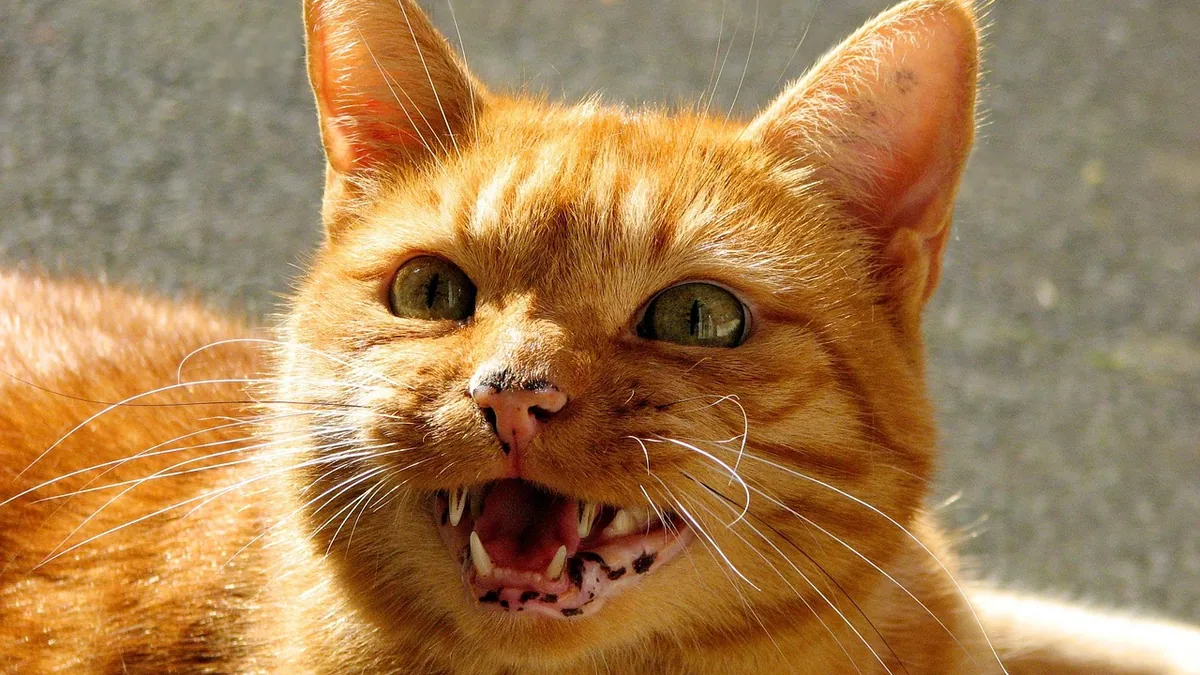
Cat yowling after using the litter box is a sound that gets your attention fast, and it should. A cat that cries out right after peeing or pooping is often telling you something hurts, something is blocked, or something about the box itself has become stressful. This article is educational and is not a substitute for veterinary diagnosis or treatment.
Quick Answer
- Sudden yowling after litter box use is a medical red flag until proven otherwise, especially in male cats, because a urinary blockage can become fatal within a day.
- Watch the litter box itself: small urine spots, no urine at all, straining, or poop that looks different all point toward a physical cause.
- A cat that howls after using the litter box may be showing pain, and cats hide pain well, so subtle changes matter [1].
- Call your veterinarian today for any new vocalizing tied to the box. Go to an emergency clinic now if your cat is straining with nothing coming out, vomiting, or hiding.
- Do not wait to see if it passes. Early treatment is easier, cheaper, and safer than waiting for a crisis.
What the Sign Looks Like and What Is Normal
Normal meowing is communication, and every cat does some of it [2]. A cat may chirp at you on the way out of the box, ask for food, or announce that she used the box. That is ordinary.
What is not ordinary is a change in the sound or the timing. Owners describe this as a long, low howl, a loud cry, or a repeated yowl that happens right after the cat leaves the box or while she is still in it. Some cats pace afterward. Some lick at their rear or belly. Some squat again and again with nothing coming out.
Because meowing is normal, the question is whether the vocalizing is excessive for your cat [2]. You know your cat's baseline. A quiet cat who suddenly howls after every trip to the box is a different situation from a Siamese who has always been talkative, since some breeds are prone to more meowing and yowling [2].
Pay attention to the whole picture, not just the noise. Note the time of day, whether it follows urination or defecation, how long it lasts, and whether anything else changed. That information helps your veterinarian narrow the list quickly.
Why Is My Cat Yowling After Using the Litter Box?
There are several broad categories of causes. Most of them are medical, and the medical ones come first because they are the ones that can kill.
Urinary Pain and Blockage
The most urgent possibility is a urethral obstruction, where a cat cannot pass urine at all. This is far more common in male cats because of their anatomy. A blocked cat will strain, cry, lick the genital area, and often yowl. Without treatment, this becomes life threatening within a short time. If your cat is straining and producing nothing, treat it as an emergency.
Even without a full blockage, inflammation of the bladder and urethra causes real pain. Cats with this problem often associate the box with pain and start avoiding it, which is why you may also see accidents outside the box. Elimination problems are the most common feline behavior complaint, and many of them start with a medical trigger [3]. If your cat has stopped using the box entirely, see Cat Litter Box Problems: Medical Causes vs. Behavioral.
Constipation and Anal Pain
A cat who cries after pooping may be passing hard, dry stool, or may have pain around the anus or anal glands. Straining to defecate looks similar to straining to urinate, and owners often cannot tell the difference from across the room. Watch closely to see which one it is.
Arthritis and Joint Pain
Older cats with arthritis in the hips, knees, or spine often hurt when they squat and rise in the box. The posture required to eliminate puts strain on stiff joints. A cat may yowl as she pushes up to stand, and the sound can be mistaken for a behavior problem. This is one reason a senior cat deserves a pain assessment instead of a scolding.
Pain From Other Sources
Pain anywhere can show up as vocalizing. In cats recovering from eye surgery, researchers documented specific pain behaviors including a lowered head position, and pain assessment tools like the Feline Grimace Scale help veterinarians score it [4][1]. Only about half of veterinarians in one survey used standardized pain tools routinely, which means your description of what you see at home is valuable information for your cat's care [1].
Hormonal and Reproductive Causes
An unspayed female cat in heat will vocalize loudly, and the sound can be intense. A spayed female can also show estrus-like behavior, including cyclical vocalization and rolling, if a small piece of ovarian tissue was left behind after surgery [5]. This is uncommon but real, and it is diagnosed with blood tests and imaging instead of guesswork [5]. Sterilization generally reduces excessive vocalization over time, which is one more reason to discuss spaying with your veterinarian [6].
Stress and Anxiety
Stress can drive vocalizing too. Cats showing behaviors such as isolation and excessive vocalization had higher hair cortisol levels in one study of indoor and outdoor cats [7]. That study also found that indoor cats with enriched environments, including litter boxes, hiding places, vertical spaces, and predatory play, did well, which tells you that the resources you provide indoors matter [7].
Litter Box Aversion and Surface Preference
Sometimes the box itself is the problem. Cats can develop a dislike for the box type, the litter, or the location, and once a cat avoids the box, the avoidance can become chronic because she develops a preference for another surface [8]. If your cat is crying and also eliminating outside the box, read Cat Litter Box Aversion: How to Make It More Appealing and Cat Litter Box Problems.
| Cause | Typical clues | How urgent |
|---|---|---|
| Urethral blockage | Straining with no urine, yowling, pacing, licking genitals, vomiting | Emergency now |
| Bladder or urethral inflammation | Small frequent urine spots, crying in the box, accidents outside | Same day |
| Constipation or anal pain | Crying after pooping, hard stool, squatting without result | Same day to 24 hours |
| Arthritis | Senior cat, stiffness, yowl when rising, trouble stepping into box | Routine visit, sooner if worsening |
| Post-surgical or other pain | Recent procedure, lowered head, hiding, changed posture | Call your veterinarian today |
| Hormonal (heat or ovarian remnant) | Cyclical yowling, rolling, lordosis, timing linked to cycles | Routine visit |
| Stress or box aversion | Crying plus avoiding the box, changes at home, multi-cat conflict | Routine visit, sooner if accidents start |
Red Flags That Make It an Emergency
Go to an emergency clinic immediately if you see any of these:
- Your cat is straining in the box and no urine comes out, or only drops come out.
- Your cat is yowling, pacing, and cannot settle.
- Your cat is vomiting, drooling, or breathing fast.
- Your cat's belly looks swollen or feels firm.
- Your cat is hiding, weak, wobbly, or collapsed.
- Your cat has not urinated in 12 to 24 hours.
A blocked cat can decline fast. Do not wait for morning if you see these signs tonight.
Call your veterinarian the same day for these:
- New yowling after litter box use that started within the last day or two.
- Crying after pooping, or poop that is hard, small, or bloody.
- Urine spots that are suddenly smaller or more frequent.
- Your cat is licking her rear or genital area more than usual.
- Your senior cat is hesitating at the box or missing it.
Safe Things You Can Do at Home While You Wait
Your job at home is to keep your cat comfortable and gather information, not to treat the problem yourself.
Do not give any medication. Never give human pain relievers to a cat. Many are toxic. Your veterinarian calculates any dose from your cat's weight and health status.
Keep fresh water available. Cats with urinary issues need to drink. Offer multiple water bowls and consider a fountain if your cat prefers running water.
Reduce stress around the box. Add a second box in a quiet, low-traffic spot. Keep boxes clean. If you have multiple cats, provide one box per cat plus one extra, placed in different locations.
Make the box easier to enter. For a senior cat, use a box with a low side so she does not have to jump or climb. This matters if arthritis is part of the picture.
Watch and write it down. Note the time of each box visit, whether urine or stool came out, how much, and when the yowling happens. Take a short video of the behavior if you can. Your veterinarian will use this.
Do not punish the vocalizing. Punishment can make your cat afraid of you and usually only stops the behavior when you are present [3]. If your cat is crying because she hurts, punishment adds fear on top of pain.
Do not ignore it either. Meowing is usually a request or a signal, and the safest assumption is that something is wrong until your veterinarian says otherwise [2].
What Your Veterinarian Will Check and Test
Your veterinarian will start with a full physical exam, including palpating the abdomen and checking the bladder. They will look at your cat's gums, hydration, and body condition, and they will watch her move.
Expect some of these tests:
- Urinalysis. Checks for blood, crystals, infection, and concentration.
- Bladder ultrasound or X-rays. Looks for stones, sludge, and whether the bladder is distended.
- Blood work. Checks kidney values, electrolytes, and overall health, which matters a lot if a blockage is suspected.
- Fecal check. If the problem is on the poop side.
- Pain scoring. Your veterinarian may use a standardized scale such as the Feline Grimace Scale to judge how much pain your cat is in [1].
- Hormone testing. If estrus-like behavior continues after spaying, tests such as anti-Müllerian hormone and progesterone can help identify leftover ovarian tissue [5].
Treatment depends on the cause. A blocked cat needs urgent catheterization and fluids. A cat with bladder inflammation may need pain control, diet changes, and increased water intake. A constipated cat may need stool softeners or a diet change. An arthritic cat may need joint pain management. A cat with a hormonal cause may need further surgery [5].
If your cat is also sleeping in the litter box, that is another pain signal worth reading about in Why Is My Cat sleeping in litter box? FLUTD Pain and Anxiety Response.
Prevention and Monitoring
You cannot prevent every medical problem, but you can catch them earlier.
Track the box. Once a week, look at the clumps and the stool. You will notice small changes before they become big ones. Elimination problems are common, and early action prevents a cat from developing a lasting preference for the wrong surface [8].
Keep boxes cat friendly. Enough boxes, clean litter, quiet locations, and low sides for seniors. Indoor enrichment, including good litter box setups, hiding spots, and vertical space, supports lower stress [7].
Schedule senior checks. Cats over about 8 years old benefit from at least one veterinary visit a year, and twice a year if they have arthritis or urinary history. Ask specifically about pain at every visit.
Spay and neuter. Sterilization reduces excessive vocalization over time, and it removes the heat cycle as a cause of yowling [6].
Watch for changes in sound. A new howl is data. Record it, note the timing, and call your veterinarian.
Limitations and When to Contact a Veterinarian
This article cannot tell you what is wrong with your specific cat. Only a veterinarian who examines her can do that. Individual cases need a veterinarian, and the timing matters as much as the diagnosis.
Emergency now: straining with no urine, vomiting, a firm or swollen belly, collapse, or no urination for 12 to 24 hours.
Same day: new yowling after litter box use, crying after pooping, small frequent urine spots, or a cat who suddenly avoids the box.
Routine visit: a senior cat who yowls when rising, cyclical vocalizing in a spayed female, or a cat whose box habits have slowly changed over weeks.
When in doubt, call. A phone call costs nothing and can save your cat's life.
Frequently Asked Questions
Is yowling after the litter box always a sign of pain?
No, but it is a sign worth investigating right away. Some cats vocalize from stress, hormonal cycles, or habit, and some are in pain. Because cats hide pain well and because urinary blockage is life threatening, your veterinarian should rule out medical causes first [1].
How can I tell if my cat is straining to urinate or to poop?
Watch where the effort is directed and what comes out. If nothing comes out and your cat keeps squatting, assume urinary blockage and go to an emergency clinic. If stool comes out and it is hard or small, constipation is more likely, and you should still call your veterinarian the same day.
Could arthritis really make my cat cry in the litter box?
Yes. Squatting and rising put strain on stiff joints, and many senior cats have arthritis in the hips, knees, or spine. A low-sided box and a pain assessment at your next visit can make a real difference.
My cat was spayed years ago but still yowls in cycles. What does that mean?
It can mean a small piece of ovarian tissue was left behind after surgery, which is called ovarian remnant syndrome. This causes estrus-like behavior such as vocalization, rolling, and lordosis on a cyclical basis, and it is diagnosed with hormone testing and imaging [5]. Talk to your veterinarian about testing.
Should I punish my cat for yowling after using the box?
No. Punishment can make your cat afraid of you and typically only suppresses the behavior when you are present [3]. If your cat is crying because of pain or stress, punishment adds fear without fixing the cause. Address the underlying problem with your veterinarian instead.
Related Articles
- Cat Not Using Litter Box After Moving: How to Help
- Cat Litter Box Problems: Medical Causes vs. Behavioral
- Cat Litter Box Problems
- Cat Litter Box Aversion: How to Make It More Appealing
- Why Is My Cat sleeping in litter box? FLUTD Pain and Anxiety Response
- Cat Litter Box Problems After Moving: How to Help Your Cat Adjust
- Why Does My Cat Yowl After Pooping or Peeing?
- Why Is My Kitten Meowing in the Litter Box? Causes
- Why Your Cat Stopped Using the Litter Box
References
- Acute pain in cats: knowledge, attitudes and practices among Argentine veterinarians - a survey-based study. Journal of feline medicine and surgery, 2026.
- Meowing and Yowling. ASPCA Animal Poison Control Center.
- Behavior Problems in Cats - Cat Owners. Merck Veterinary Manual.
- Keeping an eye on pain: Characterization of pain behaviours in cats undergoing ophthalmic surgery. Veterinary journal (London, England : 1997), 2026.
- Ovarian remnant syndrome in a 2-year-old cat with inconclusive diagnostics. JFMS open reports, 2026.
- Behavioral Changes in Cats Following Deslorelin Implantation or Surgical Gonadectomy. Veterinary sciences, 2025.
- Stress in Indoor and Outdoor Cats: Association between Hair Cortisol Levels, Housing Style, and Guardians' Perceptions of Behavior. Journal of applied animal welfare science : JAAWS, 2026.
- Litter Box Problems. ASPCA Animal Poison Control Center.