Cat Diarrhea and Loss of Appetite: Causes and Care Steps
By Dr. Zubair Khalid, DVM, MS, PhD ·
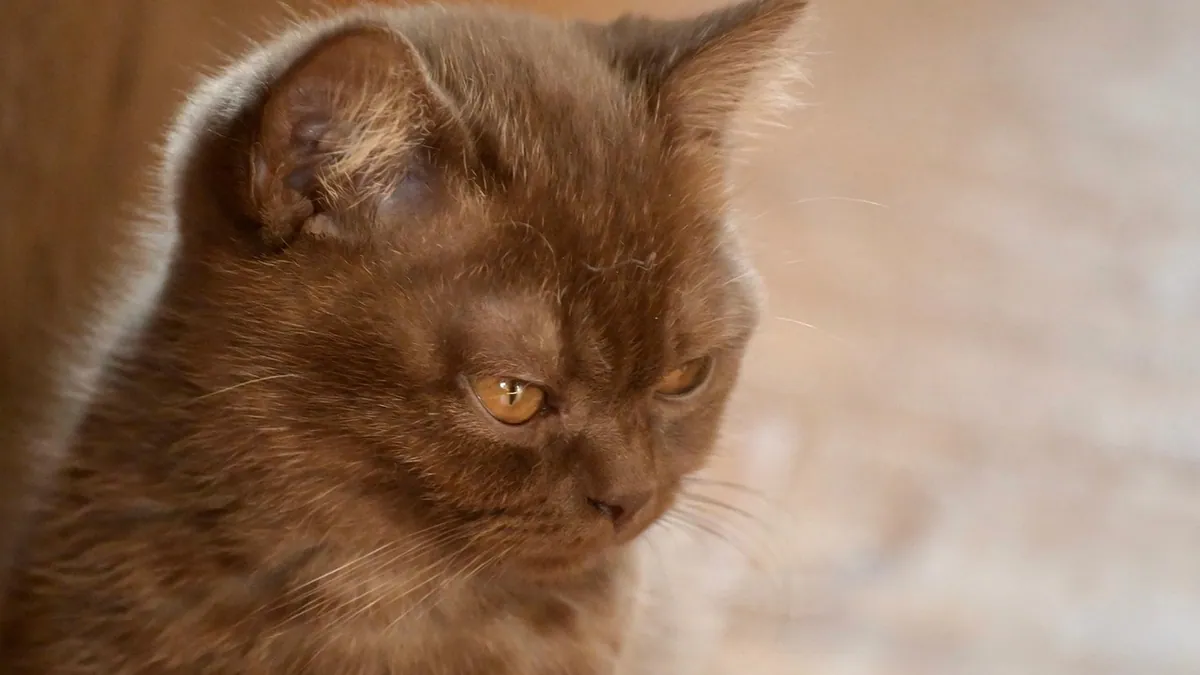
Cat diarrhea no appetite means your cat is losing fluid and not taking in more. That combination raises the risk of dehydration and, if it continues, a dangerous liver condition called hepatic lipidosis. A cat with both signs needs closer watching than a cat with loose stool alone.
This article is educational and is not a substitute for veterinary diagnosis or treatment.
Quick Answer
- Diarrhea plus a reduced appetite is more urgent than diarrhea by itself because your cat is losing water and electrolytes while taking in less fluid and fewer calories [1].
- Dehydration and electrolyte (salt) imbalance from ongoing diarrhea can lead to shock, so continuing diarrhea should be treated [1].
- A cat that stops eating for even a few days can develop hepatic lipidosis, a serious liver problem, so appetite loss is never a wait-and-see sign in cats.
- Do not give human anti-diarrheal or anti-nausea medications unless your veterinarian tells you to. Many are unsafe or dosed wrong for cats.
- Call your veterinarian the same day if diarrhea lasts more than 24 hours, if your cat is vomiting too, if there is blood, or if your cat is a kitten, senior, or has another illness.
What Cat Diarrhea With a Low Appetite Looks Like
Diarrhea is the abnormally frequent passage of watery stool, sometimes gray or yellow and unusually foul smelling [2]. With a low appetite, you may also see your cat leaving food untouched, walking away from the bowl, or eating only a bite or two.
Normal stool is formed, holds its shape, and is passed without straining. Normal appetite varies by cat, but a cat that normally eats well and suddenly refuses food for a day or more is showing a real change.
Some cats with digestive disease show other signs too. These can include drooling, vomiting or regurgitation, bleeding, abdominal pain, and bloating [1]. Your cat may signal belly pain by meowing, whining, or crouching with an arched back [1].
Small bowel vs. large bowel diarrhea
Veterinarians often sort diarrhea by where it starts. Large bowel (colon) diarrhea tends to come with more straining, mucus, and smaller, more frequent stools. The colon helps keep fluid and electrolyte balance and absorb nutrients, so damage there often shows up as diarrhea [3]. Small bowel diarrhea tends to be larger in volume and may come with weight loss. The distinction guides testing and treatment [4].
Main Causes of Diarrhea and Appetite Loss in Cats
Diarrhea has many causes, and the cause shapes how urgent it is [1]. Some cases are brief and harmless. Others point to a deeply rooted, possibly life-threatening condition [2].
| Cause | Typical clues | How urgent |
|---|---|---|
| Sudden diet change or stress | Loose stool for a few days after a new food, a car trip, or a clinic stay [2] | Usually mild, watch closely |
| Bacterial infection | Large-volume, watery diarrhea from excess fluid secreted into the intestines [1] | See your vet if it lasts more than a day |
| Viral infection (feline panleukopenia) | Severe enteric and systemic disease, especially in kittens and shelter cats [5] | Emergency |
| Parasites (such as Giardia) | Ongoing or intermittent diarrhea, sometimes with weight loss [6] | Same-week vet visit |
| Chronic enteropathy | Persistent diarrhea, weight loss, poor response to diet changes [7] | Scheduled vet workup |
| Gut bacteria imbalance (dysbiosis) | Inflammation and a weakened intestinal barrier, often with ongoing diarrhea [8] | Vet visit for testing |
| Feline coronavirus | Found in many cats with chronic diarrhea, most often under 1 year old [6] | Vet visit, especially if long-lasting |
Malabsorption is another mechanism. Here the intestinal cells that absorb nutrients do not work properly, which can stem from viruses, an intestinal defect, or reduced pancreatic secretions needed for digestion [1].
Chronic diarrhea is common in cats and has many underlying conditions. Sorting out the mechanism matters because treatment and long-term nutritional management depend on the cause [4].
If your cat's loose stool shows up right after meals, see Cat Diarrhea After Eating: Causes and When to Act.
Red Flags That Make This an Emergency
Some signs mean you should stop reading and call a veterinarian now.
- Blood in the stool, or black, tarry stool.
- Repeated vomiting along with diarrhea.
- Your cat is not drinking at all. This speeds dehydration. See Cat Diarrhea and Not Drinking Water: Dehydration Risks and Care.
- Weakness, collapse, cool gums, or pale gums. These can signal shock from fluid and electrolyte loss [1].
- A kitten, a senior cat, or a cat with kidney, heart, or liver disease.
- No eating for more than 24 hours, or any sign of yellowing in the gums, skin, or eyes.
- A painful belly. Crouching with an arched back, meowing, or flinching when touched can mean abdominal pain [1].
Safe Things You Can Do at Home While You Wait
Home care buys time. It does not replace a diagnosis.
Offer water often. Refresh the bowl and place several bowls around the house. Some cats drink more from a fountain or a wide, shallow dish.
Offer small, bland meals. A tablespoon of plain cooked chicken or a small amount of your cat's normal food, warmed slightly, can tempt a cat that is not eating. Do not force food or water into your cat's mouth.
Skip milk and rich treats. Many adult cats do not digest milk well, and fatty foods can make diarrhea worse.
Do not give human medications. Anti-diarrheal drugs, anti-nausea drugs, and pain relievers made for people can harm cats. Your veterinarian calculates any dose from your cat's weight and health.
Track the details. Note how many stools per day, what they look like, whether there is blood or mucus, how much your cat drinks, and how much it eats. This information speeds up the vet visit.
Keep your cat indoors and isolated from other pets if you suspect an infection, and wash your hands after handling stool or the litter box.
If your cat is refusing all food, read Why Is My Cat Not Eating? A Vet-Reviewed Guide for Pet Owners for more on the risks of appetite loss.
What Your Veterinarian Will Check and Test
Your veterinarian will start with a full history. Tell them about any tendency to eat bones, litter, or other hard matter, because that changes what they look for [3].
The physical exam includes feeling the abdomen to check for pain, gas, or a colon distended with firm feces [3]. Your vet will also check hydration by looking at the gums, skin elasticity, and eyes.
Common tests include:
- Blood and urine tests to check organ function, electrolytes, and hydration [3].
- Fecal testing for parasites, bacteria, and viruses. A diarrheal panel can check for organisms such as Giardia and Clostridium perfringens [6].
- Abdominal x-rays, and sometimes a rectal exam, to look for obstruction or constipation [3].
- Abdominal ultrasound, colonoscopy, or more advanced testing if the cause is still unclear [3].
Treatment depends on what is found. It may include fluids to correct dehydration, a prescription diet, deworming, antibiotics, or other targeted therapy. Nutritional management is a core part of long-term treatment for chronic diarrhea [4]. In one reported case, a cat with chronic, nonresponsive enteropathy improved after being transitioned to a high-protein, low-carbohydrate veterinary therapeutic diet, with psyllium husk added later to improve stool quality [7].
Preventing Dehydration and Hepatic Lipidosis
Dehydration is the first risk to guard against. Diarrhea causes fluid and electrolyte loss, and large losses can lead to shock [1]. Watch for tacky gums, skin that stays tented when gently pinched, sunken eyes, and lethargy. Any of these means a vet visit now.
Hepatic lipidosis is the second risk. It happens when a cat stops eating and the liver becomes overwhelmed by mobilized fat. Cats are especially prone to this after just a few days of poor intake, which is why appetite loss with diarrhea is treated seriously.
Monitoring at home
- Weigh your cat weekly on a kitchen scale if you can. Weight loss is an early warning.
- Count stools and note the color and consistency each day.
- Measure how much food and water your cat takes in over 24 hours.
- Watch for vomiting, hiding, or changes in grooming and activity.
Preventing repeat episodes
- Change foods gradually over about a week, mixing old and new.
- Keep meals on a consistent schedule.
- Keep stress low around travel, new pets, and vet visits, since stress can trigger brief diarrhea [2].
- Keep up with parasite prevention and vaccinations, especially for kittens and cats in multi-cat homes.
For a broader look at causes and home care, see Cat Diarrhea: Causes, Home Care, and When to Worry.
Limitations and When to Contact a Veterinarian
This article cannot tell you what is causing your cat's signs. Only a veterinarian who examines your cat can do that, and individual cases need a veterinarian.
Contact your veterinarian the same day if:
- Diarrhea has lasted more than 24 hours.
- Your cat has not eaten for 24 hours.
- Your cat is vomiting, lethargic, or showing belly pain.
- Your cat is a kitten, a senior, or has another health condition.
Go to an emergency clinic now if:
- You see blood in the stool or black stool.
- Your cat is weak, collapsing, or has pale or cool gums.
- Your cat is not drinking and shows signs of dehydration.
- Your cat's gums, skin, or eyes look yellow.
Schedule a routine visit if:
- Diarrhea comes and goes over weeks.
- Your cat is eating less than normal but still eating.
- You notice gradual weight loss.
If you have a dog with similar signs, the same logic applies. See Dog Diarrhea and Not Eating: Causes and When to Act.
Frequently Asked Questions
Should I withhold food from my cat with diarrhea?
No. Withholding food is not recommended for cats and can raise the risk of hepatic lipidosis. Offer small, frequent meals of your cat's normal food or a bland option, and let your veterinarian guide any diet change.
Can I give my cat human anti-diarrheal medicine?
No. Human anti-diarrheal and pain medications can be toxic to cats or dosed incorrectly. Your veterinarian will calculate any medication dose based on your cat's weight and health.
How long can a cat go without eating?
A cat that stops eating for even a few days is at risk of hepatic lipidosis, a serious liver condition. Call your veterinarian if your cat has not eaten for 24 hours, and seek care sooner for kittens or sick cats.
Is diarrhea with no appetite always an emergency?
Not always, but it is more serious than diarrhea alone. Brief episodes after a diet change or stress often settle on their own [2]. Ongoing diarrhea with appetite loss needs a vet visit because of dehydration and electrolyte loss [1].
Can stress cause diarrhea and appetite loss in my cat?
Yes. Stressful events like a long car trip or a clinic stay can cause a brief episode of loose bowels [2]. Appetite often drops at the same time. If signs last more than a day or two, have your cat checked.
Related Articles
- Cat Diarrhea After Eating: Causes and When to Act
- Cat Diarrhea and Not Drinking Water: Dehydration Risks and Care
- Why Is My Cat Not Eating? A Vet-Reviewed Guide for Pet Owners
- Cat Diarrhea: Causes, Home Care, and When to Worry
- Dog Diarrhea and Not Eating: Causes and When to Act
- Cat Diarrhea Treatment
- Cat Diarrhea, Lethargy and Not Eating: When to Worry
- Cat Loss of Appetite: Causes and When to See a Vet
- Cat Losing Weight With Diarrhea: Causes and When to Act
- Intestinal Parasites in Dogs and Cats: Identification, Symptoms, and Treatment Options
References
- Introduction to Digestive Disorders of Cats - Cat Owners. Merck Veterinary Manual.
- Diarrhea. Cornell University College of Veterinary Medicine.
- Disorders of the Stomach and Intestines in Cats - Cat Owners. Merck Veterinary Manual.
- Feline chronic diarrhea: causes and nutritional management. Veterinary and animal science, 2026.
- Gut Microbiome Disruption in Shelter Cats with Feline Panleukopenia: Virome Co-Detection and Enteric Dysbiosis. Biology, 2026.
- Feline Coronavirus Prevalence in 493 Cats With Chronic Diarrhea. Journal of veterinary internal medicine, 2025.
- Nutritional management of feline chronic enteropathy with evolving dietary response and long-term stabilization. The Canadian veterinary journal = La revue veterinaire canadienne, 2026.
- Gram-Negative Bacterial Overgrowth Predominated by: Potential Association with Intestinal Barrier Impairment and Inflammatory Diarrhea in Cats. Veterinary sciences, 2026.