Why Does My Dog's Urine Smell Like Ammonia?
By Dr. Zubair Khalid, DVM, MS, PhD ·
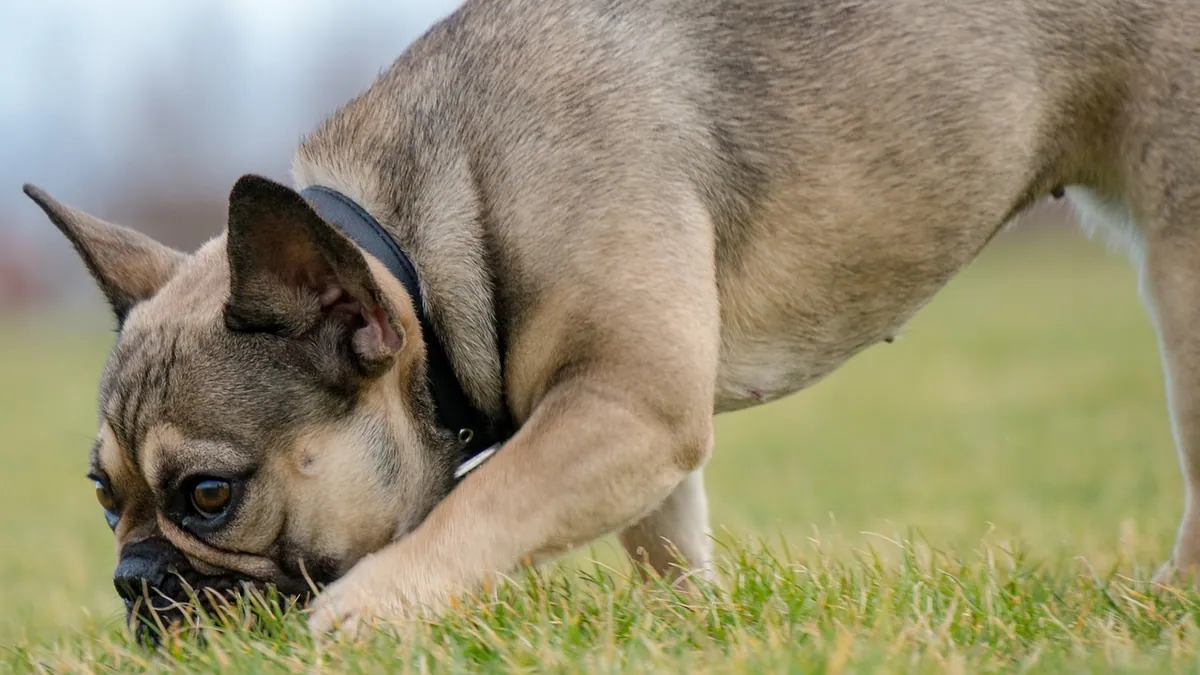
A dog pee ammonia smell is usually the result of urine that has become concentrated, which happens when your dog is not drinking enough water or is losing fluid another way. In some cases, though, that sharp smell is a sign of a urinary tract infection or another health problem that needs treatment. This article is educational and is not a substitute for veterinary diagnosis or treatment.
Quick Answer
- Normal dog urine has a mild ammonia-like odor because the body removes nitrogen waste through the kidneys [1]. A strong smell usually means the urine is more concentrated than usual.
- Dehydration is the most common everyday cause. Dogs that drink less, pant heavily, or have vomiting or diarrhea produce darker, smellier urine.
- A urinary tract infection can make urine malodorous, and infection is confirmed in a large share of dogs with lower urinary tract signs [2].
- You cannot diagnose the cause by smell alone. A urine sample tested by your veterinarian is the only way to know.
- If your dog is straining, crying, or passing blood, treat it as urgent and call your vet the same day.
What Normal Dog Urine Smells Like
Healthy dog urine is not odorless. It carries a mild ammonia scent because the urinary system removes nitrogen-based waste products created when food is turned into energy [1]. The kidneys also balance water and electrolytes, so the strength of that smell shifts with how much water is in your dog's body [1].
Fresh urine on a cool day may barely smell. Urine that sits on a surface, in a diaper, or in a collection cup will smell stronger over time as bacteria break down urea into ammonia. That is chemistry, not necessarily disease.
What matters is change. If your dog's urine suddenly smells much sharper than it used to, or if the smell comes with other signs, that is your cue to look closer.
What "strong ammonia smell dog urine" usually looks like
Owners often describe a few patterns:
- A sharp, almost cleaning-product smell in the urine itself
- Dark yellow or amber urine that leaves a strong odor on the grass or pad
- A smell that lingers in the room after your dog urinates
- Urine that smells normal in the morning but much stronger later in the day
Any of these can happen with simple concentration. They can also happen with infection, so the pattern alone does not tell you the cause.
What Causes Dog Urine to Smell Like Ammonia?
Several things raise the ammonia smell in dog pee. Most are manageable. A few need prompt veterinary care.
Dehydration and concentration
When your dog takes in less water than the body loses, the kidneys conserve water and produce more concentrated urine. The waste is packed into less fluid, so the smell gets stronger. Hot weather, heavy panting, long stretches without water, vomiting, diarrhea, and fever can all push a dog toward dehydration.
Older dogs are at higher risk. In a study of aging dogs, urine specific gravity (a measure of how concentrated the urine is) ranged widely and decreased significantly with age, which means older dogs may lose some ability to concentrate urine well [3]. That can change both the volume and the odor of what they pass.
Diet and treats
Diet affects urine odor. High-protein foods produce more nitrogen waste for the kidneys to clear, and some dogs on very high-protein diets or protein-heavy treats have noticeably stronger urine. Certain treats, table scraps, and supplements can also change the smell.
Diet is a reasonable first suspect when the smell changes right after a food switch and your dog otherwise seems completely well. It is not a reason to ignore a smell that persists for more than a few days.
Urinary tract infection
A urinary tract infection is one of the most common medical causes of malodorous urine. In dogs with signs of lower urinary tract disease, bacterial cystitis was confirmed in 46% of cases in one large study [2]. That study found that sex and neuter status, along with other clinical factors, helped predict which dogs had infection [2].
Infection does not always announce itself with obvious pain. Some dogs simply have smellier urine, or they urinate more often, or they have occasional accidents. A case report described a dog whose only obvious clinical abnormality was malodorous urine, and testing found a Pseudomonas aeruginosa infection [4]. That is a good reminder that smell can be the first clue.
If you are trying to sort out whether your dog has an infection, this guide on how to know if your dog has a UTI walks through the common signs.
Other health conditions
Kidney disease, diabetes, and liver problems can all change how urine looks and smells, because they change how the body handles water and waste. Bladder stones and crystals can irritate the bladder lining and lead to blood, straining, and odor changes.
Odor changes are also being studied as markers of disease. A metabolomics study of human urine odor found that certain odor compounds differed between people with bladder cancer and healthy controls, and it noted that dogs can detect some cancers by odor [5]. This research is about people, not dogs, and it does not mean a smelly urine sample in your dog points to cancer. It does show that odor can carry real medical information, which is why veterinarians take urine testing seriously.
Cause, clues, and urgency at a glance
| Cause | Typical clues | How urgent |
|---|---|---|
| Dehydration or concentration | Dark yellow urine, less drinking, hot weather, panting, recent vomiting or diarrhea | Routine visit if it lasts more than a day or your dog seems unwell |
| Diet or treats | Smell changed after a food switch, dog is bright and active, no straining | Routine visit or phone call |
| Urinary tract infection | Frequent small urinations, straining, accidents, blood, licking the vulva or penis | Same day |
| Bladder stones or crystals | Straining, dribbling, blood in urine, repeated infections | Same day |
| Kidney or metabolic disease | Increased drinking and urination, weight loss, poor appetite, vomiting | Same day to urgent |
| Blockage (male dogs especially) | Straining with little or no urine, pacing, crying, hard belly | Emergency now |
Red Flags That Make It an Emergency
Some urinary signs cannot wait. Call an emergency clinic right away if your dog:
- Strains to urinate and produces only drops or nothing at all
- Cries out or paces while trying to urinate
- Has a hard, painful belly
- Passes urine that is visibly bloody or has clots
- Collapses, vomits repeatedly, or seems disoriented along with urinary signs
A male dog that cannot pass urine can develop a life-threatening blockage within hours. Do not wait to see if it improves.
Call your veterinarian the same day if your dog has a strong ammonia smell plus any of these:
- Accidents in the house in a previously reliable dog
- Licking at the genital area more than usual
- Drinking and urinating much more than normal
- A smell that has lasted more than two or three days despite normal drinking
If your dog is also drinking and urinating far more than usual, that pattern deserves its own look. This article on why your dog is peeing so much explains what increased urination can mean.
What You Can Do at Home While You Wait
You cannot treat an infection at home, but you can support your dog and gather useful information for your vet.
Encourage water intake
Offer fresh water in several clean bowls around the house. Some dogs drink more from a fountain or from a bowl placed where they spend time. If your dog eats canned food, a spoonful of water mixed in can add moisture. Never restrict water unless your veterinarian tells you to.
Collect a urine sample
A fresh, clean sample is one of the most helpful things you can bring to the appointment. Use a clean container, and try to catch urine midstream. If your dog will not cooperate, do not stress about it. Your veterinarian can collect a sample in the clinic, and that method is often preferred because it is less likely to be contaminated.
Note the details
Write down what you observe:
- When the smell started and whether it is getting worse
- How often your dog urinates and how much
- Whether there is straining, blood, or accidents
- How much your dog is drinking
- Any diet changes, new treats, or new medications
- Any vomiting, diarrhea, or weight loss
Avoid home remedies that mask the problem
Do not give human urinary medications, cranberry supplements, or antibiotics without veterinary guidance. Some human products are toxic to dogs, and antibiotics given at the wrong dose or for the wrong bug can make things worse. Your veterinarian calculates any medication dose from your dog's weight and health.
Keep the environment clean
Clean soiled areas with an enzymatic cleaner made for pet urine. Ordinary ammonia-based cleaners can actually encourage repeat marking, since the residue smells like urine to your dog. A product designed for this purpose, sometimes called a dog urine deterrent, can help break the habit cycle.
What Your Veterinarian Will Check and Test
Your veterinarian will start with a full history and a physical exam, including feeling your dog's bladder and checking hydration. Then they will likely recommend urine testing.
Urinalysis
A urinalysis checks urine concentration, pH, protein, blood, crystals, and cells. It also looks for white blood cells and bacteria, which point toward infection. In the aging dog study, urinalysis findings such as protein, white cells, red cells, and bacteria were common and were tracked alongside other health measures [3].
Urine culture
A culture identifies which bacteria are present and which antibiotics will kill them. This matters because different bacteria respond to different drugs. In the case report of the dog with a Pseudomonas infection, the bacteria were susceptible to several specific antibiotics, and treatment was tailored to those results [4]. A culture takes a day or two to grow, but it prevents guesswork.
Blood work and imaging
Blood tests check kidney values, blood sugar, and other markers of metabolic disease. X-rays or ultrasound can look for stones, tumors, or structural problems in the bladder and kidneys.
What treatment looks like
If infection is found, your veterinarian will choose an antibiotic based on the culture and your dog's weight. If dehydration is the main issue, fluids and a change in water access may be enough. If diet is the trigger, a food change may resolve the smell within a couple of weeks. If kidney or metabolic disease is found, treatment focuses on the underlying condition.
Prevention and Monitoring
You cannot prevent every urinary problem, but you can lower the odds and catch changes early.
- Keep fresh water available at all times, and bring water on walks and trips.
- Know your dog's normal drinking and urinating habits so changes stand out.
- Feed a complete, balanced diet and introduce new foods gradually.
- Do not let your dog hold urine for very long stretches. Offer frequent potty breaks.
- Schedule routine wellness visits, especially for dogs over 8 years old.
- Ask for a urinalysis at least once a year for senior dogs, or sooner if you notice a smell change.
If your dog has a history of urinary infections, keep a simple log of episodes and treatments. Patterns help your veterinarian decide whether further testing is needed.
Limitations and When to Contact a Veterinarian
Smell alone cannot tell you the cause of your dog's urine odor. A mild ammonia smell in a well-hydrated, active dog is often normal. A strong smell that lasts, or that comes with straining, blood, accidents, or changes in drinking, needs a veterinary visit.
Contact your veterinarian the same day for straining, frequent small urinations, blood in urine, or a smell that has lasted more than a few days. Go to an emergency clinic immediately if your dog cannot pass urine, cries while trying, has a hard belly, or collapses. Routine visits are fine for a smell change in a dog that is otherwise completely normal, but do not put it off for weeks.
Every dog is different, and your veterinarian needs to examine your dog to give you a real answer.
Frequently Asked Questions
Is ammonia-smelling urine always a sign of infection?
No. Concentrated urine from dehydration or a high-protein meal often smells strongly of ammonia and is not infected. Infection becomes more likely when the smell comes with straining, frequency, accidents, or blood. Only a urinalysis and culture can tell the difference.
Can I fix the smell by changing my dog's food?
Sometimes. If the smell started right after a diet change and your dog is otherwise well, switching back or transitioning slowly may help. If the smell persists or your dog has other signs, food is not the answer and you should have your vet check a urine sample.
How much water should my dog drink each day?
Water needs vary with size, activity, weather, and diet, so there is no single number that fits every dog. A rough guide many veterinarians use is about one ounce of water per pound of body weight per day, but your veterinarian can give you a target for your dog. A sudden increase or decrease in drinking is the more useful signal.
Will a urinary infection go away on its own?
Bacterial bladder infections in dogs usually need antibiotic treatment, and the choice of drug should be based on a culture. Waiting can let the infection spread to the kidneys or cause stones. If you suspect an infection, call your veterinarian.
Can the smell of my dog's urine tell me about other diseases?
Odor can carry clues, and researchers have studied urine odor compounds as markers of disease in people [5]. In dogs, smell is not a reliable stand-alone test for cancer, kidney disease, or diabetes. Blood work and urinalysis are the tools that actually answer those questions.
Related Articles
- Why Is My Dog Peeing So Much?
- Why Does My Dog's Breath Smell Like Metal? 5 Causes, Kidney Risks & Vet Guide
- How Do I Know If My Dog Has A Uti
- Why Does My Dog's Breath Smell Like Metal? Causes & Veterinary Solutions
- Dog Urine Deterrent
- Dog Licking Paws Uti
- Why Does My Dog's Urine Smell So Bad? Causes and Fixes
- Why Does My Puppy's Urine Smell So Strong?
- Is Dog Urine Acidic or Alkaline? What pH Means for Health
References
- The Urinary System of Dogs - Dog Owners. Merck Veterinary Manual.
- Pre-test probability of urinary tract infection in dogs with clinical signs of lower urinary tract disease. Veterinary journal (London, England : 1997), 2019.
- The relationship between urinalysis abnormalities, soiling behavior, and cognitive decline in aging dogs. Journal of veterinary internal medicine, 2026.
- Intravesical instillation of amikacin for treatment of a lower urinary tract infection caused by Pseudomonas aeruginosa in a dog. Journal of the American Veterinary Medical Association, 2014.
- Metabolomics study on the biochemical profiles of odor elements in urine of human with bladder cancer. Biological & pharmaceutical bulletin, 2012.