Why Is My Cat's Pee Foamy? Causes and When to Worry
By Dr. Zubair Khalid, DVM, MS, PhD ·
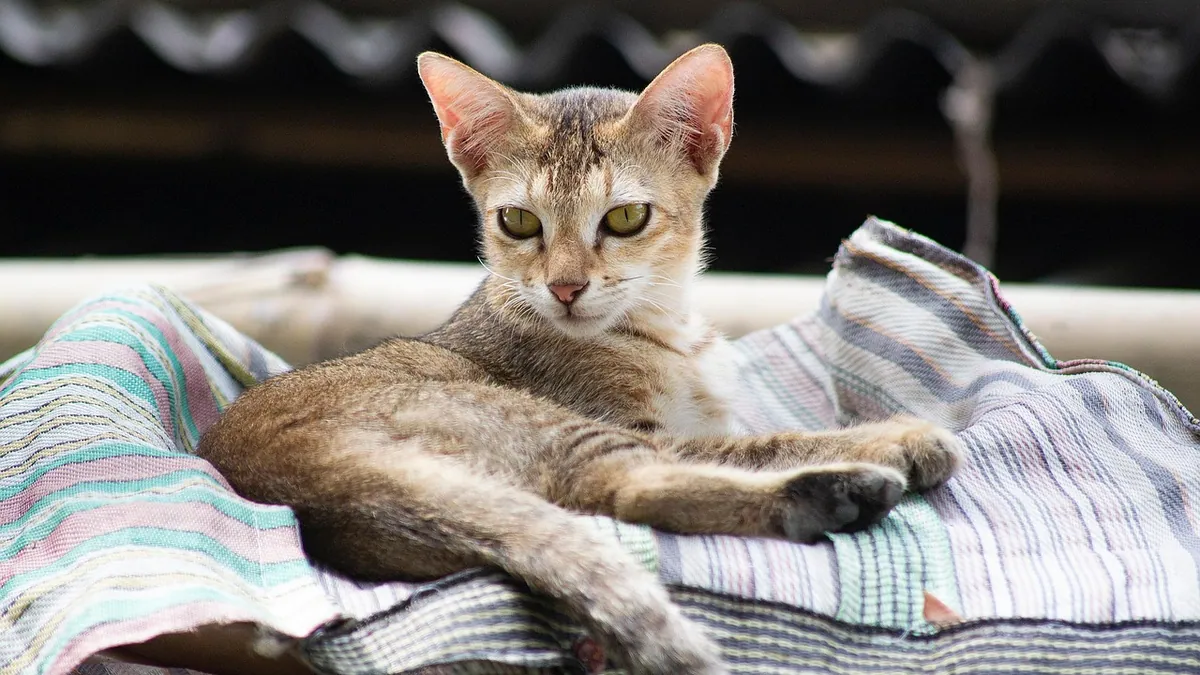
Foamy urine in cats usually means one of three things: the urine is very concentrated, it contains extra protein, or it holds crystals or debris that make it frothy when it hits the litter. A single foamy pee in an otherwise normal cat is often just a hydration issue, but cat pee foamy on a regular basis deserves a closer look. This article is educational and is not a substitute for veterinary diagnosis or treatment.
Quick Answer
- Occasional foam, especially first thing in the morning or after dry food only, is usually concentrated urine and often harmless.
- Foam that shows up most days, or that looks thick, white, or gooey, can point to protein leaking through the kidneys or to crystals and inflammation in the urinary tract.
- Any cat who strains, cries, dribbles, or produces no urine needs emergency care today, because a blocked urethra is fatal within a day or two.
- Older cats (7 years and up) with foamy urine should have bloodwork and a urine test, since poor urine concentration is linked to future kidney disease [1].
- Do not change your cat's diet, withhold water, or give any medication on your own. Push water intake and call your vet.
What Foamy Cat Pee Actually Looks Like
Normal cat urine is clear to pale yellow. It may have a mild odor and a small amount of surface bubbles that pop within seconds. When owners describe cat pee white foam, they usually mean a layer of bubbles that sits on top and does not settle, or a puddle that looks like it has been whipped.
In the litter box, foamy urine is harder to see. Clumps may look lighter, puffier, or larger than usual because trapped gas and protein make the urine froth as it soaks into the litter. Some owners describe cat pee gooey when the clump feels sticky or stringy instead of firm.
A few things change how urine looks without meaning disease. Highly concentrated urine from a cat who eats only dry food, a cat who has been vomiting, or a cat in a hot room can foam a little. So can urine that sits in a dirty box and mixes with old litter dust.
What matters is the pattern. One foamy pee after a long nap is different from foam every day for a week.
Main Causes of Foamy Urine in Cats
| Cause | Typical clues | How urgent |
|---|---|---|
| Concentrated urine (dehydration, dry diet) | Small volume, strong smell, dark yellow, foam only sometimes | Routine if the cat acts normal |
| Protein in the urine (proteinuria) | Foam most days, normal or increased drinking, weight loss, older cat | See a vet within days |
| Kidney disease | Foam plus more drinking and peeing, poor appetite, weight loss, dull coat | See a vet within days |
| Crystals or stones | Foam plus straining, small frequent pees, blood, pain | Same day |
| Urinary tract infection | Foam plus odor, blood, licking the genital area, accidents outside the box | Same day |
| Diabetes or thyroid disease | Foam plus big urine volumes, big appetite, weight loss | See a vet within days |
| Contamination in the box | Foam only in the box, not on a clean surface | Routine, clean the box |
Concentrated Urine and Hydration
Cats evolved to survive on little water, so their kidneys can produce very concentrated urine. When urine is thick with waste products, it foams more easily as it hits a surface. This is the most common and least worrying reason for cat pee looks foamy.
Urine specific gravity (USG) is the measure vets use to describe concentration. A USG of 1.035 or higher means the urine is well concentrated. In a large study of mature cats, those with a USG below that threshold were more likely to develop chronic kidney disease later, so poor concentration is a signal worth tracking [1].
Protein in the Urine
Healthy kidneys keep protein in the blood. When the filters are damaged, protein slips into the urine and acts like soap, creating lasting foam. This is called proteinuria.
Even mild protein loss matters. In a two-year study of 201 healthy cats aged 7 and older, cats with borderline proteinuria at the start were significantly more likely to develop kidney disease than cats with normal protein levels [2]. Proteinuria is also a known marker of worse outcomes in cats already diagnosed with kidney disease [3].
A case report described a cat with severe protein loss from both the kidney filters and the tubules, with a urine protein to creatinine ratio of 13.09, far above normal [4]. That cat needed intensive treatment. Most cases are caught much earlier, which is why a simple urine test is so useful.
Crystals, Stones, and Infection
Crystals irritate the bladder lining and mix with mucus and cells, which can make urine look cloudy or foamy. Bacterial infections do the same. One recent case report described a cat with repeated urinary signs whose urine grew a pure culture of Aerococcus mictus, an organism that standard testing often misses [5]. That cat needed targeted antibiotics.
If your cat has foamy urine plus straining, blood, or accidents outside the box, think infection or crystals first. You may also notice related behavior changes, such as cat urinating frequently or peeing on the couch.
Other Causes
Diabetes, overactive thyroid, and some medications can increase urine volume and change its appearance. Liver disease and high blood pressure can also affect the kidneys. Your vet will sort these out with bloodwork.
Red Flags That Mean Emergency
Go to an emergency clinic right now if you see any of these:
- Your cat is straining in the box with little or no urine coming out.
- Your cat cries, howls, or licks the genital area constantly.
- The belly looks bloated or feels hard.
- Your cat is vomiting, hiding, or refusing food.
- There is blood in the urine or the urine smells sharply foul.
- Your cat is a male and has not peed in 12 hours.
A urethral blockage is the emergency vets fear most. Male cats have a long, narrow tube, and a plug of crystals or mucus can stop urine flow completely. Without treatment, the bladder can rupture and the cat can die within a day or two. This is not a wait-and-see situation.
What You Can Safely Do at Home
While you wait for your appointment, you can:
- Offer fresh water in several spots and consider a water fountain. Many cats drink more from moving water.
- Add a little warm water or low-sodium broth to wet food if your cat tolerates it.
- Switch from an uncovered box to a clean, low-sided one so you can see the urine clearly.
- Place a white paper towel or plastic sheet in an empty, clean box to catch a sample and check the color and foam.
- Note how often your cat pees, how much, and whether the foam appears every time.
- Keep a simple log of drinking, appetite, and litter box visits for your vet.
Do not withhold water, do not restrict food, and do not give any human medication. Never give a cat pain relievers like ibuprofen or acetaminophen, which are toxic. Your vet will calculate any medication dose from your cat's weight and health.
If your cat is peeing outside the box along with the foam, that is often a medical signal, not spite. Articles on peeing on your clothes and sudden peeing on the carpet explain how to tell the difference.
What Your Veterinarian Will Check
Your vet will start with a full physical exam, including feeling the bladder and checking for pain, dehydration, and weight loss. Then expect some combination of these tests:
- Urinalysis: checks concentration (USG), protein, blood, crystals, cells, and bacteria.
- Urine culture: identifies a specific infection so the right antibiotic can be chosen, which matters for unusual organisms [5].
- Blood chemistry: measures creatinine, BUN, albumin, glucose, and electrolytes.
- SDMA: a newer kidney marker that can rise before creatinine does.
- Urine protein to creatinine ratio (UPC): measures how much protein is leaking. A UPC of 13.09 in one reported case signaled severe disease [4].
- Blood pressure: high blood pressure and proteinuria often travel together in older cats and cats with kidney disease.
- Imaging: X-rays or ultrasound to look for stones, masses, or structural problems.
Your vet may repeat the urinalysis in a few weeks. A single foamy sample is less telling than a trend. Poor urine concentration in a mature cat should raise concern for future kidney disease and change how often your vet monitors your cat [1].
Prevention and Long-Term Monitoring
You cannot prevent every kidney problem, but you can lower the odds and catch issues early.
- Feed a balanced diet with plenty of moisture. Many vets recommend at least some canned food.
- Keep water fresh and available in multiple places.
- Keep litter boxes clean and count the clumps so you notice changes fast.
- Schedule yearly exams for adult cats and twice-yearly exams for cats 7 and older.
- Ask for a urinalysis and bloodwork at every senior visit, even if your cat seems fine.
- Watch for early hints like more drinking, larger clumps, or weight loss.
If your cat has already been diagnosed with kidney disease, your vet will set a monitoring schedule based on stage, blood pressure, and protein levels [3]. Stick to it. Small changes caught early are much easier to manage than a crisis.
Limitations and When to Contact a Veterinarian
This article cannot tell you what is causing your cat's foamy urine. Only a veterinarian who examines your cat and runs tests can do that. Individual cases need a veterinarian.
Contact your vet the same day if you see foam most days, more drinking and peeing, weight loss, blood in the urine, or accidents outside the box.
Go to an emergency clinic immediately if your cat is straining with no urine, crying in the box, vomiting, or acting painful.
Schedule a routine visit if the foam is occasional, your cat acts completely normal, and you simply want peace of mind. A urine sample is cheap and answers most of the question.
Frequently Asked Questions
Is foamy cat pee always a sign of kidney disease?
No. Concentrated urine from a dry diet or mild dehydration is the most common reason, and it is usually harmless. Kidney disease becomes more likely when the foam is frequent and comes with more drinking, weight loss, or poor appetite.
Can dehydration alone make my cat's urine foam?
Yes. When urine is very concentrated, it foams more as it hits a surface. If your cat eats only dry food or has been vomiting or not drinking well, that alone can explain occasional foam.
Should I collect a urine sample before my vet visit?
Yes, if you can do it without stress. A fresh sample in a clean container helps your vet test concentration, protein, and crystals right away. If your cat will not cooperate, do not worry. Your vet can often collect a sample in the clinic.
Does foamy urine hurt my cat?
The foam itself does not hurt. The underlying problem might. Crystals, stones, and infections cause real pain, and a blocked urethra is a life-threatening emergency. Watch for straining, crying, and hiding.
Can I just wait and see if the foam goes away?
You can watch a single episode in a cat who is eating, drinking, and peeing normally. If the foam repeats, or if anything else changes, call your vet. Waiting is risky in male cats and in cats over 7 years old.
Related Articles
- Cat Urinating Frequently: Causes and When to Worry
- Why Is My Cat Peeing on the Couch? Medical and Behavioral Causes
- Why Is My Cat Peeing on My Clothes? Causes and Solutions
- Why Is My Cat Suddenly Peeing on the Carpet?
- Why Is My Cat Peeing on the Rug? Medical and Behavioral Reasons
- Cat Urinating a Lot and Drinking a Lot: Causes and When to Test
- Why Is My Cat Peeing Just a Little Bit?
- Why Is My Cat's Pee Pink? Causes and When to Call the Vet
- Why Is My Cat's Pee Thick or Very Strong?
References
- Poorly concentrated urine is associated with an increased risk of developing chronic kidney disease in apparently healthy cats. Journal of the American Veterinary Medical Association, 2026.
- Clinical importance of borderline proteinuria in nonazotemic cats and evaluation of other risk factors for the development of chronic kidney disease. Journal of veterinary internal medicine, 2025.
- Blood pressure and proteinuria in older cats and cats with chronic kidney disease. Veterinary world, 2025.
- Treatment of glomerular and tubular proteinuria in the nephrotic range in a female cat: case report. Brazilian journal of veterinary medicine, 2026.
- Aerococcus mictus as a cause of feline urinary tract infection: a case report. BMC veterinary research, 2026.