Cat Threw Up: What to Do and When to Call the Vet
By Dr. Zubair Khalid, DVM, MS, PhD ·
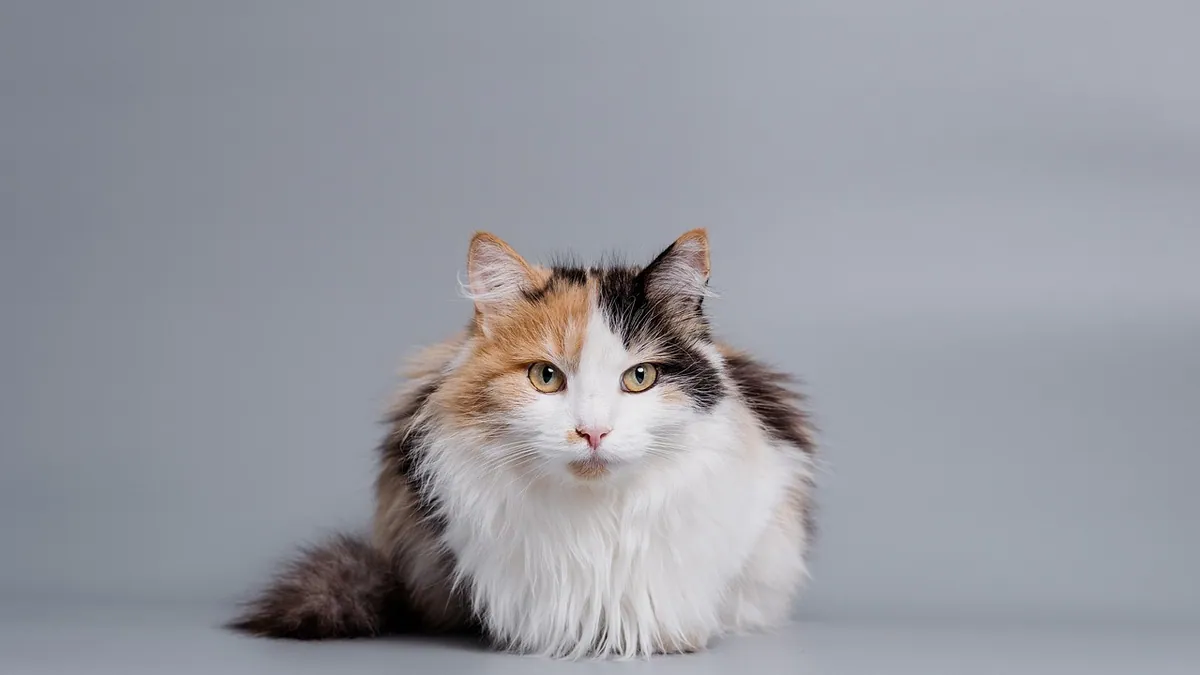
If your cat pukes once and then acts completely normal, you can usually watch her at home for the next 24 hours. If she vomits repeatedly, stops eating, or seems painful or dull, she needs to see a veterinarian. Knowing what to do if my cat pukes starts with one question: is this a single upset stomach, or is something more serious going on?
This article is educational and is not a substitute for veterinary diagnosis or treatment.
Quick Answer
- One isolated vomit in a bright, playful cat is often not an emergency. Withhold food for a short time, offer small sips of water, then reintroduce bland food in tiny amounts.
- Repeated vomiting, vomiting with lethargy, or a cat who will not eat needs a same-day veterinary visit.
- Never give human medications such as ibuprofen, acetaminophen, or Pepto-Bismol to a cat. Many are toxic to cats.
- Never try to make your cat vomit at home. Emesis induction in cats is difficult and is done by a veterinarian with injectable or transmucosal drugs [1][2][3].
- Call your veterinarian or a pet poison hotline right away if you suspect your cat ate a toxin, string, or foreign object.
What Vomiting in Cats Actually Looks Like
Owners often use "throwing up" for several different events. It helps your veterinarian if you can describe which one you saw.
True vomiting involves active abdominal contractions, retching, and then food, fluid, or foam coming up. Cats often drool or lick their lips first.
Regurgitation is passive. Food or fluid slides out with little effort, often right after eating. It usually means the problem is in the esophagus, not the stomach.
Hairballs are cylindrical wads of hair, sometimes mixed with food or bile. A cat with occasional hairballs is common. Frequent hairballs are not normal and should be checked.
Coughing can look like vomiting to some owners. Cats with asthma or other airway disease may crouch, extend the neck, and hack up foam.
Normal cats vomit occasionally for minor reasons. What matters is the pattern. A single episode in a cat who then eats, drinks, and plays normally is very different from three episodes in one afternoon.
Main Causes of Vomiting in Cats
| Cause | Typical clues | How urgent |
|---|---|---|
| Hairballs | Cylindrical hair wads, occasional, cat otherwise well | Routine if occasional, sooner if frequent |
| Dietary upset | New food, table scraps, eating too fast, one or two vomits | Monitor at home, call if it continues |
| Hairball or food blockage | Repeated vomiting, not eating, no stool | Same-day vet visit |
| Foreign body | Vomiting, anorexia, sometimes jaundice | Emergency or same-day |
| Toxin ingestion | Known exposure, drooling, tremors, weakness | Emergency now |
| Gastrointestinal disease | Chronic intermittent vomiting, weight loss | Routine workup |
| Metabolic disease | Vomiting plus increased thirst, weight loss, poor coat | Routine to same-day |
| Post-surgical or drug-related | Vomiting after anesthesia or opioids | Tell your vet, may need antiemetic |
A foreign body is a real risk in cats. One report described a young cat with five days of vomiting and anorexia caused by a doughnut-shaped object lodged in the duodenum, which blocked the bile duct and caused jaundice [4]. That cat needed surgery. This is why repeated vomiting in a cat who will not eat deserves prompt imaging.
Vomiting is also a known side effect of some medications, especially alpha-2 adrenergic agonists and opioids used around surgery [5]. If your cat vomits after a procedure or a new medication, tell your veterinarian. Do not stop a prescribed drug on your own. For more on that situation, see What to Do If Your Cat's Medication Is Causing Vomiting: Home Care and When to Call the Vet.
Red Flags That Mean an Emergency
Call an emergency clinic now if you see any of these.
- Repeated vomiting, more than two or three times in a few hours
- Vomiting with a distended, painful abdomen
- Unproductive retching, especially in a cat who is drooling and restless
- Collapse, weakness, pale gums, or trouble breathing
- Known or suspected exposure to lilies, onions, acetaminophen, or aspirin
- Suspected string, ribbon, or sharp object ingestion
- Vomiting blood (red or coffee-ground material)
- Seizures, tremors, or wobbliness
- A kitten or senior cat who is vomiting and dull
Cats hide pain well. A cat who is hiding, hunched, or growling when picked up may be in significant discomfort.
What to Do If My Cat Pukes: Safe Home Steps
These steps apply to a bright, alert cat who vomited once or twice and has no red flags.
Step 1: Remove food for a short time
Take up the food bowl for a few hours. This lets the stomach settle. Do not withhold water.
Step 2: Offer small amounts of water
Offer a few laps of water every hour. If she keeps it down, let her drink freely. If she vomits water, call your veterinarian.
Step 3: Reintroduce bland food in tiny amounts
After a few hours with no vomiting, offer one or two tablespoons of a bland diet. Your veterinarian can recommend a specific food for your cat. Feed small amounts every few hours instead of one large meal.
Step 4: Keep a simple log
Write down the time of each vomit, what it looked like, whether food or hair was present, and whether your cat ate, drank, urinated, and passed stool. This log is genuinely useful at the vet visit.
Step 5: Watch for 24 hours
If your cat vomits again, stops eating, or seems worse, call your veterinarian. If she is back to normal after 24 hours, you can slowly transition back to her regular food.
What you should not do
Do not give human anti-nausea drugs, pain relievers, or antacids unless your veterinarian prescribes them. Do not force food or water. Do not try to make your cat vomit. Do not give hairball remedies containing mineral oil unless your vet advises it, because mineral oil can cause aspiration if it goes into the lungs.
What Can I Give My Cat for Puking?
This is one of the most common questions owners ask, and the honest answer is: nothing over the counter without veterinary guidance.
Cats metabolize drugs differently from people and dogs. Many common human medications are toxic to cats. Your veterinarian can prescribe a safe antiemetic if one is needed.
Maropitant is a prescription antiemetic used in cats. In a pooled analysis of controlled studies, maropitant reduced the risk of vomiting compared with control, with a risk ratio of 0.20 (95% confidence interval 0.08 to 0.55) [5]. That is a meaningful reduction, but it applies to specific situations and does not tell you whether your cat needs it. Your veterinarian decides the dose based on your cat's weight and health.
If you are wondering whether a single vomit needs treatment at all, see Cat Vomiting Once: Should You Wait or Call the Vet?.
How to Help a Kitten Puke (and Why You Usually Should Not)
Some owners search for how to help a kitten puke after a suspected poisoning. This is understandable, but it is not something to do at home.
Inducing vomiting in cats is difficult even for veterinarians. In a survey of Australian veterinarians, emesis was successfully induced in 98.7 percent of dogs but only 57.8 percent of cats [1]. A separate study using transmucosal detomidine gel in cats presenting for dietary indiscretion induced vomiting in 28 of 57 cats, about 49 percent, with a median time to vomiting of 11 minutes [2]. Another case series using oral dexmedetomidine induced vomiting in five of six cats, and all six cats became moderately to profoundly sedated [3].
Those numbers tell you two things. First, making a cat vomit is unreliable. Second, the drugs used cause sedation and changes in heart rate and breathing, which is why they are given under veterinary supervision. If your kitten ate something toxic, call your veterinarian or a pet poison hotline immediately. Do not wait and do not try home remedies.
What Your Veterinarian Will Check
Your veterinarian will start with a full history and physical exam. Bring your log and any packaging from suspected toxins or foods.
Expect questions about diet, appetite, water intake, stool, urination, medications, and possible access to string, toys, or plants.
Common tests include:
- Blood work to check organ function, electrolytes, and blood counts
- A fecal exam for parasites
- Abdominal X-rays or ultrasound to look for foreign objects, masses, or fluid
- A bile acid or specific pancreatic test if liver or pancreas disease is suspected
- Testing for infectious diseases such as feline leukemia virus or feline immunodeficiency virus in some cats
Imaging matters. In the foreign body case described earlier, ultrasound and CT were needed to find the obstruction and plan surgery [4]. Vomiting alone rarely tells your veterinarian the cause.
Treatment depends on the diagnosis. It may include fluids, antiemetics, a prescription diet, deworming, or surgery. Some cats need hospitalization. Others go home with medication and a recheck in a few days.
How to Prevent and Monitor Vomiting
Prevention depends on the cause, but a few habits help most cats.
Brush your cat regularly. Frequent brushing removes loose fur and limits how much your cat swallows, which helps prevent hairballs [6]. This is especially helpful in longhaired cats and during seasonal shedding.
Use hairball diets or treats if your vet recommends them. Some commercial cat diets and treats are formulated to help prevent hairball formation [6]. Ask your veterinarian which one fits your cat's other health needs.
Feed smaller, more frequent meals. Some cats vomit from eating too fast. A puzzle feeder or a shallow dish can slow them down.
Keep toxins and string out of reach. Lilies, onions, acetaminophen, and aspirin are common and dangerous exposures in cats [3]. String, ribbon, and hair ties are common foreign bodies.
Track the pattern. Note how often your cat vomits, what it looks like, and whether hair is present. If hairballs become frequent, or if vomiting happens more than once or twice a month, book a routine visit.
Know when to call. A single vomit in a well cat can be watched. Repeated vomiting, a cat who will not eat, or any red flag means call now. For a broader look at warning signs, see Cat Vomiting: When to Worry and What to Do and Cat Vomiting: When to Call the Vet Immediately.
If you also have a dog at home, the same principles apply, but dogs are much easier to make vomit and much more likely to eat things they should not. See Dog Vomiting: When to Call the Vet and What to Do at Home.
Limitations and When to Contact a Veterinarian
This article cannot tell you what is wrong with your individual cat. Vomiting has many causes, and two cats with the same symptoms can need very different care. Your veterinarian needs to examine your cat and may need tests to sort it out.
Call your veterinarian the same day if your cat:
- Vomits more than twice in 24 hours
- Refuses food for more than 24 hours
- Vomits after starting a new medication
- Has a known or suspected exposure to a toxin or foreign object
- Is a kitten, a senior, or has a chronic illness
Go to an emergency clinic now if your cat:
- Vomits repeatedly and cannot keep water down
- Has a painful or bloated abdomen
- Is collapsed, weak, or having trouble breathing
- Is retching without producing anything
- Has vomited blood
- Has a known toxin exposure with any symptoms
Book a routine visit if your cat:
- Vomits once or twice a month for no clear reason
- Has frequent hairballs
- Is losing weight or has a dull coat
- Has vomiting that comes and goes over weeks
Frequently Asked Questions
Should I feed my cat after she throws up?
Wait a few hours, then offer a small amount of bland food if she is acting normal. If she keeps it down, feed small portions every few hours. If she vomits again or refuses food, call your veterinarian.
Can I give my cat human anti-nausea medicine?
No. Many human medications are toxic to cats, and dosing is not the same as for people. Your veterinarian can prescribe a safe antiemetic and calculate the dose for your cat's weight.
My cat vomited a hairball. Is that normal?
An occasional hairball is common, especially in longhaired cats. Frequent hairballs are not normal and can signal a skin, diet, or gastrointestinal problem. Regular brushing and hairball-formulated diets can help reduce them [6].
How do I know if my cat swallowed something dangerous?
You often cannot know without imaging. Signs include repeated vomiting, not eating, drooling, and sometimes jaundice. If you saw your cat eat string, a toy, or a plant, call your veterinarian or a pet poison hotline right away.
Can I make my cat throw up at home?
No. Emesis induction in cats is unreliable and requires prescription drugs given by a veterinarian [1][2][3]. Home remedies can cause harm. If your cat ate something toxic, get veterinary help immediately.
Related Articles
- Cat Vomiting: When to Call the Vet Immediately
- Cat Vomiting Once: Should You Wait or Call the Vet?
- What to Do If Your Cat's Medication Is Causing Vomiting: Home Care and When to Call the Vet
- Cat Vomiting: When to Worry and What to Do
- Dog Vomiting: When to Call the Vet and What to Do at Home
- Cat Vomiting Bile: Causes and When to Call the Vet
- Cat Throwing Up but Acting Normal: When to See a Vet
- How to Stop Your Cat Throwing Up: Causes and Next Steps
- How Often Should Cats Throw Up? When to Worry
References
- Inducing emesis in Australian dogs and cats: agents, adverse effects and antiemetic administration. Australian veterinary journal, 2025.
- Transmucosal detomidine gel induces emesis in approximately half of cats presenting for dietary indiscretion. Journal of the American Veterinary Medical Association, 2026.
- Use of orally administered dexmedetomidine to induce emesis in cats. Journal of feline medicine and surgery, 2024.
- Rare case of extrahepatic biliary obstruction caused by a duodenal foreign body in a cat. JFMS open reports, 2025.
- Receptor-Targeted Antiemetic Strategies in Cats: A Systematic Review and Intervention-Specific Meta-Analysis. Veterinary medicine and science, 2026.
- Vomiting in Cats - Cat Owners. Merck Veterinary Manual.