Foamy Dog Pee or Poop: Causes and When to Worry
By Dr. Zubair Khalid, DVM, MS, PhD ·
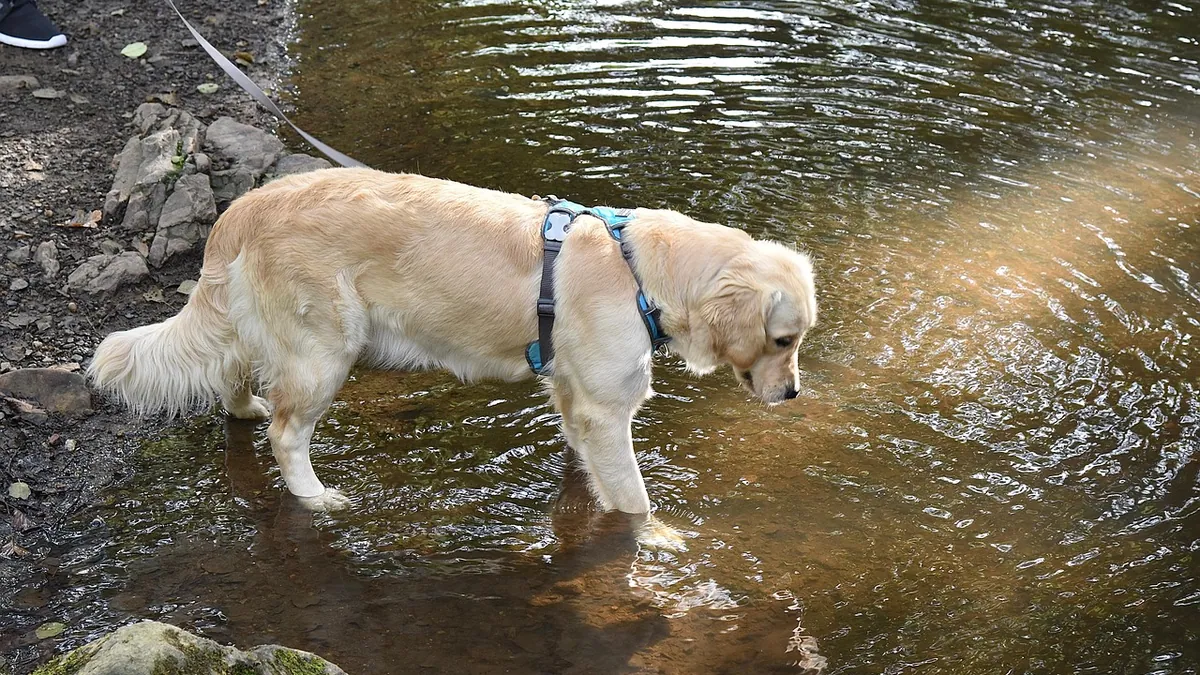
Foamy dog pee is usually caused by a full bladder and a fast stream, which mixes urine with air. It can also mean protein is leaking into the urine, which points to a kidney or urinary problem. Foamy poop is a separate issue and usually signals a digestive upset.
This article is educational and is not a substitute for veterinary diagnosis or treatment.
Quick Answer
- A little foam on the surface of urine is common and often harmless, especially if your dog has been holding it for a while.
- Foam that sits on top of the urine and does not settle, or that shows up every time your dog pees, deserves a vet visit.
- Protein in the urine is a real concern and is linked to kidney disease, high blood pressure, and hormone conditions like Cushing's syndrome [1][2].
- Foamy poop is not about urine at all. It usually means gas and mucus in the stool, which points to a gut problem.
- Any foam plus straining, blood, vomiting, or a dog that seems sick means call your veterinarian.
What Foamy Dog Pee Actually Looks Like
Normal dog urine is clear to pale yellow. When your dog urinates, some bubbles may form on the surface. This happens because a strong stream hits the surface of the urine already in the bowl or on the ground, trapping air. The foam is thin, breaks up within a minute or two, and does not cover the whole puddle.
Foam that matters looks different. It is thick, white, and sits on top like the head on a glass of beer. It may last for several minutes. It often appears every time your dog pees, not just once. Some owners describe it as dog pee thick or say their dog pee looks foamy all the time.
The key difference is persistence. One foamy pee after a long nap is normal. Foamy pee at every trip outside is a pattern worth checking.
Why Foam Forms in Urine
Urine is mostly water with waste products dissolved in it. Foam forms when something changes the surface tension of the liquid, or when air gets mixed in.
Two broad things cause it:
- Mechanical foam from a fast, full stream
- Chemical foam from protein or other substances in the urine
Protein is the one veterinarians care about most. Healthy kidneys keep most protein in the blood and out of the urine. When kidneys or other organs are not working as they should, protein can leak through and show up in the urine [3][4].
Main Causes of Foamy Dog Pee
| Cause | Typical clues | How urgent |
|---|---|---|
| Full bladder and fast stream | Foam appears once, breaks up fast, dog acts normal | Not urgent |
| Concentrated urine | Dark yellow pee, dog drank less, hot weather | Not urgent, watch water intake |
| Protein in the urine (proteinuria) | Foam every time, lasting foam, sometimes weight loss or drinking more | See a vet soon |
| Kidney disease | More drinking and peeing, poor appetite, weight loss, vomiting | See a vet soon |
| Cushing's syndrome | Big appetite, big thirst, pot belly, thinning coat | See a vet soon |
| Urinary tract infection | Straining, frequent small pees, blood, accidents in the house | See a vet soon |
| Dehydration | Tacky gums, skin tents when pinched, less urine | Same day if severe |
Proteinuria is common in some diseases. In dogs with spontaneous hypercortisolism (Cushing's syndrome), proteinuria is reported in 68% to 71% of cases [1]. A separate study found that 13 of 19 dogs with Cushing's syndrome had glomerular proteinuria, meaning the protein was leaking from the filtering part of the kidney [2].
Urinary tract infections can also change how urine looks. One report described a dog with a urinary tract infection caused by an uncommon bacterium, and the dog had blood in the urine along with lethargy and loss of appetite [5]. Infection does not always cause foam, but it can change the appearance and smell of urine.
If your dog is also peeing small amounts often, that pattern plus foam is worth a call. See Dog Urinating Small Amounts Frequently: Causes and When to Worry.
Foamy Dog Poop Is a Different Problem
Foamy poop and foamy pee are not related. If you searched dog poop foamy or dog diarrhea foamy, the cause is in the gut, not the bladder.
Foamy stool usually means gas is trapped in the stool, often mixed with mucus. Common reasons include:
- A sudden diet change
- Eating something greasy or spoiled
- Intestinal parasites
- Bacterial or viral gut infection
- Food sensitivity
- Stress or a disrupted routine
Foam in diarrhea often comes with urgency, gas, and a sour smell. If the stool is loose but your dog is bright, drinking, and not vomiting, you can often watch for 24 hours. If there is blood, black tarry stool, repeated vomiting, or your dog seems painful, call your vet.
If your dog is also straining, read Dog Straining to Poop: Causes and When to Help. Vomiting white foam alongside gut signs is another clue that the stomach is involved. See Dog Vomiting White Foam: What It Means and When to Worry.
Red Flags That Mean Emergency
Some signs mean you should stop reading and call a veterinarian now.
- Your dog cannot pee at all, or only dribbles
- Your dog cries out or strains hard while trying to pee
- There is blood in the urine or stool
- Your dog vomits repeatedly or cannot keep water down
- Your dog's belly looks swollen or feels painful
- Your dog collapses, trembles, or seems disoriented
- Your dog's gums are pale, white, or blue
- Your dog has a known kidney or heart condition and the foam is new
A dog that cannot pass urine is a true emergency. A blocked bladder can become life threatening within hours.
What You Can Do at Home While You Wait
You cannot diagnose protein in urine at home, but you can gather useful information.
- Watch your dog pee. Note how often, how much, and whether foam appears every time.
- Check water intake. Measure how much your dog drinks in 24 hours if you can.
- Look at the color. Pale yellow is normal. Dark amber or orange is not.
- Snap a photo or short video of the foam and the puddle. This helps your vet.
- Do not change your dog's diet right before the visit unless your vet tells you to.
- Do not give human medications. Never give your dog pain relievers from your cabinet.
- Keep fresh water available unless your vet has restricted it.
If your dog is drinking and peeing much more than usual, that is a pattern worth tracking. See Why Is My Dog Peeing So Much?.
What Your Veterinarian Will Check
Your vet will start with a history. They will ask about how much your dog drinks, how often it urinates, how much urine it produces, how the urine looks, and how your dog has been acting [4]. They will also ask about medications, appetite, diet, weight changes, and past illnesses [4].
Next comes a physical exam. Your vet will feel your dog's belly, check hydration, and may check blood pressure.
Then they will run tests. The most common are:
- Urinalysis, which checks for protein, blood, white blood cells, bacteria, and urine concentration
- Urine protein-to-creatinine ratio (UPC), which measures how much protein is leaking
- Blood work, which checks kidney values, liver values, and electrolytes
- Urine culture, if infection is suspected
- Imaging such as X-rays or ultrasound, if stones or structural problems are possible
Urine specific gravity is part of the urinalysis. It shows how well the kidneys concentrate urine. In one study of aging dogs, urine specific gravity ranged from 1.005 to 1.056, and it decreased significantly with age [6]. That same study found proteinuria in 194 of 231 urine samples from older dogs [6]. This does not mean every older dog with protein in the urine is sick, but it shows why vets test instead of guess.
If your dog has Cushing's syndrome, your vet may recheck the UPC over time. Treatment with trilostane has been shown to reduce protein in the urine over months of therapy [1]. In one report, a dog with severe proteinuria was treated with telmisartan and colchicine and went into clinical remission for more than five years [7]. Telmisartan is described as an appropriate first-line therapy for proteinuric dogs [7].
Doses for any of these medications are calculated by your veterinarian based on your dog's weight, kidney values, blood pressure, and other health factors. Never adjust or start these drugs on your own.
Prevention and Monitoring
You cannot prevent every cause of foamy urine, but you can lower some risks.
- Keep fresh water available at all times unless your vet says otherwise.
- Feed a consistent, balanced diet. Sudden changes upset the gut and can cause foamy stool.
- Keep up with wellness visits. Early kidney changes often show up on urine tests before your dog acts sick.
- Watch for changes in drinking and peeing. These are often the first signs of a urinary or hormone problem [4].
- Manage known conditions. If your dog has Cushing's syndrome, kidney disease, or high blood pressure, keep follow-up appointments.
- Ask your vet before giving any supplement or human medication.
Older dogs need closer watching. Cognitive decline and urinalysis abnormalities can show up together in aging dogs, and soiling behavior may be linked to both [6]. If your senior dog is having accidents or peeing in new places, that is a medical clue, not just old age.
Limitations and When to Contact a Veterinarian
This article cannot tell you what is causing your dog's foam. Only a veterinarian who examines your dog and runs tests can do that. Every case is different, and the same sign can mean very different things in a young healthy dog and a senior dog with a chronic condition.
Call your veterinarian the same day if:
- Foam appears every time your dog pees
- Your dog is drinking or peeing more than usual
- Your dog has lost weight or has a poor appetite
- There is blood in the urine
- Your dog is straining or having accidents in the house
Go to an emergency clinic now if:
- Your dog cannot urinate at all
- Your dog is vomiting and cannot keep water down
- Your dog's belly is swollen and painful
- Your dog is weak, collapsing, or unresponsive
- You see large amounts of blood
For a routine visit, book an appointment within a few days if the foam is new but your dog otherwise seems fine. Bring a fresh urine sample if you can collect one cleanly. A sample from the first pee of the morning is the most useful.
Frequently Asked Questions
Is foamy dog pee always a sign of kidney disease?
No. A single foamy pee is often just from a fast stream and a full bladder. Kidney disease is one possible cause of lasting foam, but protein in the urine can also come from other conditions, including Cushing's syndrome and high blood pressure [1][2]. Testing is the only way to know.
Can dehydration make dog pee look foamy?
Yes. When a dog drinks less, the urine becomes more concentrated, and concentrated urine foams more easily. Check your dog's gums and skin elasticity. If your dog seems dehydrated or is not drinking, call your vet.
Should I collect a urine sample before my vet visit?
Yes, if you can do it cleanly. A fresh sample lets your vet run a urinalysis right away. Use a clean container and try to catch the first pee of the morning. Keep it cool and bring it in within a few hours.
Does foamy poop mean my dog has a parasite?
Not always. Foamy stool can come from a diet change, gas, mucus, or a gut infection. Parasites are one cause, and a fecal test can rule them in or out. If the stool is bloody, black, or comes with vomiting, call your vet.
Can I just wait and see if the foam goes away?
You can watch for a day or two if your dog is acting completely normal, eating, drinking, and peeing without straining. If the foam keeps showing up, or if anything else changes, book a visit. Waiting too long with a urinary problem can let it get worse.
Related Articles
- Dog Straining to Poop: Causes and When to Help
- Dog Vomiting White Foam: What It Means and When to Worry
- Dog Urinating Small Amounts Frequently: Causes and When to Worry
- Dog Throwing Up White Foam: What It Means and When to Worry
- Why Is My Dog Peeing So Much?
- Dog Straining to Urinate: Causes and When It's an Emergency
- Mucus in Dog Poop: Causes and When to Worry
- Why Is My Dog's Poop Slimy? Causes and When to Worry
- Why Is My Dog Leaking Urine? Causes and When to Worry
References
- Effect of trilostane treatment on proteinuria secondary to spontaneous hypercortisolism in dogs. Journal of veterinary internal medicine, 2026.
- Electrophoretic patterns of proteinuria in dogs with Cushing's syndrome. The Journal of small animal practice, 2026.
- The Urinary System of Dogs - Dog Owners. Merck Veterinary Manual.
- Detecting Disorders of the Kidneys and Urinary Tract in Dogs - Dog Owners. Merck Veterinary Manual.
- Genome-confirmed Pluralibacter gergoviae urinary tract infection in a companion animal in Peru. Journal of global antimicrobial resistance, 2026.
- The relationship between urinalysis abnormalities, soiling behavior, and cognitive decline in aging dogs. Journal of veterinary internal medicine, 2026.
- Remission of severe familial proteinuria in a Bracco Italiano dog. The Canadian veterinary journal = La revue veterinaire canadienne, 2026.