Why Is My Cat Dragging His Bum on the Floor?
By Dr. Zubair Khalid, DVM, MS, PhD ·
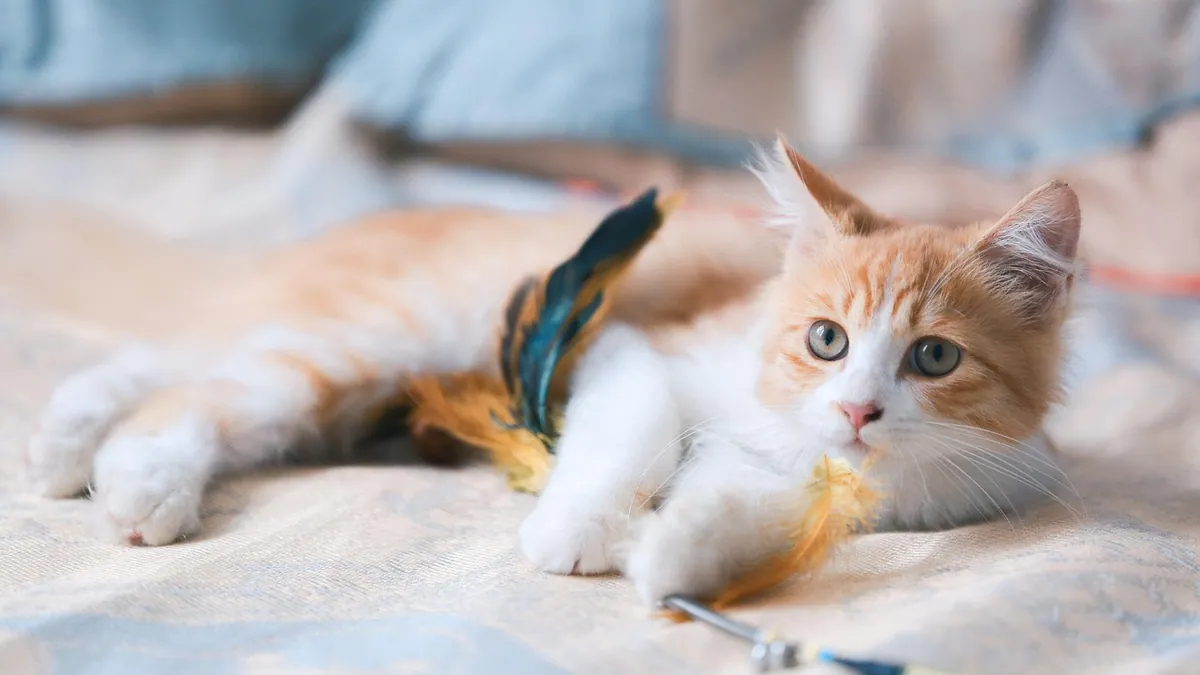
If your cat is dragging his bum on the floor, the most common reason is irritation around the anus, often from anal sac problems, tapeworms, allergies, or diarrhea. This scooting behavior is your cat's way of trying to relieve itching, pressure, or pain in that area. This article is educational and is not a substitute for veterinary diagnosis or treatment.
Quick Answer
- Scooting usually points to anal sac impaction or irritation, but tapeworms, allergies, and diarrhea are also common causes.
- Anal sac disease is much less common in cats than in dogs, estimated at 0.4% of cats compared with 15.7% of dogs [1].
- A vet visit is needed if scooting happens more than once or twice, if you see swelling or redness near the anus, or if your cat seems uncomfortable.
- Never try to express your cat's anal sacs at home unless your veterinarian has shown you how to do it safely.
- Tapeworms are treated with deworming medication prescribed by your vet, and the dose is calculated from your cat's weight and health.
What Does Bum Dragging Look Like, and What Is Normal?
Scooting looks like your cat sitting down and pulling himself forward with his front legs while his rear end stays on the floor. Some cats do it once and stop. Others do it repeatedly, sometimes leaving a small streak on the carpet.
A little bottom licking is normal grooming. Cats clean themselves all over, including the area around the anus. What is not normal is frequent scooting, constant licking or biting at the rear end, or signs of pain when your cat sits or passes stool.
Anal sacs are two small glands on either side of the anus. They hold a fluid that cats normally release when they pass stool. On ultrasound, normal anal sacs in cats are usually oval and similar on both sides, with soft or unformed material inside [2]. The size of the anal sacs tends to increase with age in cats [2].
The fluid inside normal anal sacs varies a lot from cat to cat. Color, thickness, and the amount of solid material are not reliable ways to tell whether a cat has anal sac disease [3]. Normal secretions contain a mix of cells and bacteria, and most cats have a few neutrophils, which are a type of white blood cell [3]. This is why your vet looks at the whole picture, not just the fluid.
Why Is My Cat Dragging His Bum on the Floor? The Main Causes
Several problems can make the rear end feel itchy, painful, or irritated. Here is a breakdown of the most common ones.
| Cause | Typical clues | How urgent |
|---|---|---|
| Anal sac impaction | Scooting, straining to poop, licking the rear, firm stool or recent diarrhea | See your vet within a day or two |
| Anal sac infection or inflammation | Redness, swelling, pain when sitting, discharge, bad smell | See your vet same day |
| Tapeworms | Rice-like segments near the anus or in stool, scooting, itchy bottom | Routine visit, treat promptly |
| Allergies or skin disease | Itchy skin, hair loss, redness, scooting along with scratching | Routine visit |
| Diarrhea or soft stool | Loose stool, straining, irritation from frequent bathroom trips | Same day if it lasts more than a day or your cat seems sick |
| Anal sac abscess or rupture | Swelling, bleeding, open wound near the anus, crying when touched | Emergency now |
Anal Sac Impaction
Anal sac impaction means the sacs do not empty properly. The fluid builds up and creates pressure, which feels uncomfortable. Your cat scoots to try to relieve that pressure.
Impaction is the most recurrent type of anal sac disease in both dogs and cats [1]. Predisposing factors include diarrhea, skin problems, and obesity in dogs [1]. In cats, male cats and British Shorthairs were identified as predisposing factors [1].
Anal Sac Infection or Inflammation
If bacteria overgrow inside a blocked sac, it can become infected. The area may look red, feel hot, and hurt when your cat sits. Some cats develop an abscess, which is a pocket of pus that can rupture through the skin.
Anal sac disease in cats is uncommon but real. A study of cats treated with surgery for non-neoplastic anal sac disease found that half had minor, self-limiting complications after surgery, and none developed permanent fecal incontinence [4]. This tells us that even when anal sac disease is serious enough for surgery, the outlook is generally good.
Tapeworms
Tapeworms are a common cause of scooting, especially in cats that hunt or have fleas. The worm segments look like small grains of rice or sesame seeds near the anus or in the stool. They cause itching as they move.
Tapeworms spread when a cat swallows an infected flea or eats infected prey. If you see these segments, your cat needs deworming. Your veterinarian will choose the right medication and calculate the dose based on your cat's weight and health.
Allergies and Skin Disease
Cats with allergies often itch all over, including around the rear end. Food allergies, flea allergies, and environmental allergies can all cause this. You may notice scratching, hair loss, or red skin along with the scooting.
Skin problems are a known predisposing factor for anal sac disease [1]. If your cat has both itchy skin and bottom scooting, your vet will want to look at both issues together.
Diarrhea or Soft Stool
Diarrhea is a predisposing factor for anal sac disease [1]. Soft stool does not put enough pressure on the anal sacs to empty them naturally. The result is a buildup of fluid and irritation.
Frequent loose stools also irritate the skin around the anus. Your cat may scoot because the area is sore from repeated wiping and licking.
Other Causes
Less common causes include anal fissures, tumors, foreign objects, and nerve problems. These are rare but serious. A vet exam is the only way to rule them out.
If your cat is also having trouble urinating or peeing outside the box, that is a separate problem. You can read more about why your cat might be peeing on the floor right in front of you or why your cat is suddenly peeing on the carpet.
Red Flags That Make It an Emergency
Some signs mean you should not wait. Call your vet or an emergency clinic right away if you see any of these.
- A swollen, red, or purple lump near the anus
- Bleeding or pus from the rear end
- An open wound or a hole near the anus
- Your cat crying or biting when you touch the rear end
- Straining to poop for more than a few hours with no result
- Vomiting, lethargy, or refusing to eat
- Dragging the rear end while also unable to walk normally
These signs can point to an abscess that has ruptured, a blockage, or another serious problem. Quick treatment makes a big difference.
Safe Things You Can Do at Home While Waiting
You cannot fix anal sac disease at home, but you can keep your cat comfortable and avoid making things worse.
- Do not try to express the anal sacs yourself. You can cause pain, bleeding, or a rupture if you squeeze too hard or in the wrong spot.
- Check the litter box. Note whether the stool is soft, hard, or normal. This helps your vet.
- Look at the rear end gently. Use a flashlight and check for swelling, redness, worms, or discharge. Do not poke or press.
- Keep the area clean. A warm, damp cloth can gently wipe away discharge, but do not scrub.
- Stop your cat from licking constantly. A cone collar can help if licking is making the skin raw.
- Do not give human medications. Some are toxic to cats, and the dose is not the same.
- Keep your cat indoors. This prevents reinfection with tapeworms and reduces stress.
If your cat is limping or favoring a leg along with the scooting, that may be a separate issue. Read about why your cat might be limping to learn more.
What the Veterinarian Will Check and Test
Your vet will start with a full history. They will ask when the scooting started, how often it happens, what the stool looks like, and whether your cat has had fleas or been hunting.
Next comes a physical exam. Your vet will check your cat's weight, coat, skin, and overall health. They will gently feel the rear end and may perform a rectal exam to check the anal sacs.
If the anal sacs feel full or abnormal, your vet may express them. This is a quick procedure where the vet applies gentle pressure to empty the sacs. It can be uncomfortable, but it usually brings relief.
Your vet may also:
- Look at the anal sac fluid under a microscope
- Test a stool sample for parasites
- Check for fleas or flea dirt
- Recommend blood work if your cat seems sick
- Use ultrasound to look at the anal sacs if the exam is unclear
Ultrasound is a practical way to evaluate anal sacs in cats and dogs [2]. It can show whether the sacs are filled, infected, or have other problems.
If your cat has repeated anal sac problems that do not respond to treatment, your vet may discuss surgery to remove the anal sacs. A newer surgical technique for small dogs and cats uses forceps to evert the sac and an electrocautery unit to remove it [5]. In one report, only one of 28 animals had short-term minor complications [5]. Surgery is not the first step, but it can be an option for cats with ongoing problems.
Prevention and Monitoring
You cannot prevent every case of scooting, but you can lower the risk and catch problems early.
- Keep your cat at a healthy weight. Obesity is a predisposing factor for anal sac disease in dogs, and the same may apply to cats [1].
- Manage diarrhea promptly. Soft stool is a known trigger for anal sac problems [1].
- Control fleas. Fleas carry tapeworms, so flea prevention helps prevent tapeworm infections.
- Treat skin allergies. If your cat has itchy skin, work with your vet to find the cause.
- Feed a balanced diet. Good digestion supports normal stool consistency.
- Check your cat's rear end regularly. A quick look every week can help you spot swelling or worms early.
- Schedule routine vet visits. Your vet can check the anal sacs during a normal exam.
If your cat keeps scooting and licking, you can read more about cat scooting and licking bottom: causes and when to call. If your cat is also peeing outside the box, see why your cat is peeing on the rug for medical and behavioral reasons.
Limitations and When to Contact a Veterinarian
This article cannot tell you what is causing your cat's scooting. Only a veterinarian who examines your cat can do that. Individual cases need a veterinarian.
Contact your vet the same day if:
- Scooting happens more than once or twice
- You see swelling, redness, or discharge near the anus
- Your cat strains to poop or cries when passing stool
- Your cat is licking or biting the rear end constantly
- You see worm segments in the stool or near the anus
Go to an emergency clinic now if:
- There is a large swollen lump near the anus
- The area is bleeding or has an open wound
- Your cat is vomiting, lethargic, or not eating
- Your cat cannot pass stool at all
- Your cat seems to be in severe pain
For routine visits, call your vet if the scooting comes and goes over several days or if you notice a change in your cat's stool, appetite, or behavior. Early treatment is easier and less expensive than waiting for a problem to get worse.
Frequently Asked Questions
Can I express my cat's anal sacs at home?
No, you should not express your cat's anal sacs at home unless your veterinarian has specifically trained you to do it. Doing it wrong can cause pain, bleeding, or a rupture. Your vet can show you the correct technique if home care is appropriate for your cat.
How do I know if my cat has tapeworms?
Look for small, rice-like segments near the anus or in the stool. These segments may move slightly. Your vet can confirm tapeworms with a stool sample and prescribe the right deworming medication for your cat's weight.
Is scooting always a sign of anal sac problems?
No, scooting can also come from tapeworms, allergies, diarrhea, or skin irritation. Anal sac disease is one common cause, but your vet will check for other reasons during the exam. The treatment depends on what is actually causing the behavior.
Will my cat need surgery for anal sac problems?
Most cats do not need surgery. Manual expression and treating the underlying cause are the main treatments for anal sac disease [1]. Surgery is reserved for cats with repeated problems that do not respond to other treatments.
Can scooting be a sign of something serious?
Yes, in some cases. An anal sac abscess, a tumor, or a nerve problem can cause scooting. If you see swelling, bleeding, or your cat seems to be in pain, contact your vet right away. Early diagnosis gives your cat the best chance for a quick recovery.
Related Articles
- Why Is My Cat Peeing on the Floor Right in Front of Me?
- Why Is My Cat Limping?
- Why Is My Cat Suddenly Peeing on the Carpet?
- Cat Scooting and Licking Bottom: Causes and When to Call
- Why Is My Cat Peeing on the Rug? Medical and Behavioral Reasons
- Why Is My Cat Suddenly Peeing on the Couch?
- Why Does My Cat Scoot or Wipe Its Bum on the Floor?
- Why Does My Cat Not Cover His Poop?
- Why Your Cat Keeps Pooping on the Floor (Not Peeing)
References
- A Cross-Sectional Study on Canine and Feline Anal Sac Disease. Animals : an open access journal from MDPI, 2021.
- Ultrasound Morphology of Presumed Normal Anal Sacs in Dogs and Cats. Animals : an open access journal from MDPI, 2024.
- Gross and cytological characteristics of normal feline anal-sac secretions. Journal of feline medicine and surgery, 2008.
- Outcomes and complications of anal sacculectomy for non-neoplastic anal sac disease in cats: 8 cases (2006-2019). The Journal of small animal practice, 2022.
- Inside-out anal sacculectomy in small dog breeds and cats. Frontiers in veterinary science, 2023.