Cat Can't Keep Food Down: Causes and What to Do
By Dr. Zubair Khalid, DVM, MS, PhD ·
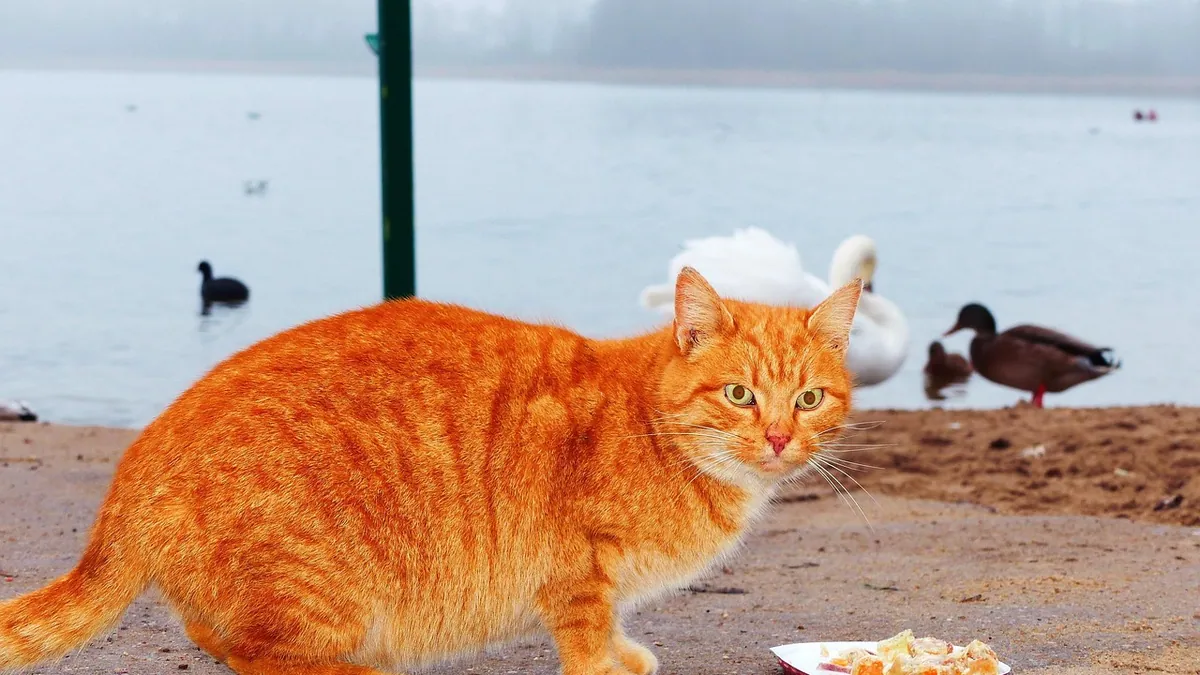
If your cat is not able to keep food down, the first step is to figure out whether the food is coming back up (regurgitation) or being thrown up (vomiting). These look similar to owners but point to different problems, and they carry different levels of urgency. A single episode in an otherwise bright, playful cat is often minor, while repeated episodes, blood, or a kitten who cannot hold down food needs same-day veterinary care.
This article is educational and is not a substitute for veterinary diagnosis or treatment.
Quick Answer
- Regurgitation is a passive, effortless spill of undigested food right after eating. Vomiting involves retching, heaving, and often bile or digested food.
- One or two isolated episodes in a cat who still wants to eat and drink is usually not an emergency, but watch closely for 24 hours.
- Repeated vomiting, blood in the vomit, a swollen or painful belly, or a cat who also refuses food needs a same-day vet visit.
- Kittens, senior cats, and cats with other health problems get dehydrated faster and should be seen sooner.
- Do not give human medications, and do not force food or water. Offer small amounts and let your vet guide treatment.
What It Looks Like and What Is Normal
Cats bring food up in two main ways, and telling them apart helps your vet narrow the list of causes before you even walk in the door.
Vomiting is an active process. Your cat may drool, swallow repeatedly, retch, and heave before food, bile, or foam comes out. The material is often partly digested, may be yellow or brown, and your cat may seem tired afterward.
Regurgitation is passive. Food slides back out with little or no effort, often within minutes of eating. The food usually looks like it did in the bowl, sometimes still tube-shaped. Regurgitation points more toward problems in the esophagus, the tube that carries food to the stomach. One documented cause is external compression of the esophagus, as in a Siamese cat whose tortuous aorta pressed on the esophagus and caused acute regurgitation and vomiting [1].
Occasional hairballs are common and usually not a sign of disease on their own. True food vomiting several times a week is not normal and deserves a vet visit.
Why Your Cat May Not Be Keeping Food Down
Many conditions cause a cat to lose food, from mild to serious. The table below groups the most common ones by what you are likely to see at home.
| Cause | Typical clues | How urgent |
|---|---|---|
| Hairballs or eating too fast | Food or hair comes up shortly after meals, cat is otherwise normal | Usually routine, mention at next visit |
| Dietary upset or food intolerance | Vomiting after a diet change, soft stool, normal energy | Routine visit if it continues past 24 to 48 hours |
| Gastrointestinal infection (bacterial) | Vomiting with diarrhea, possible fever, exposure to raw meat or contaminated water | Same-day visit, especially with diarrhea [2] |
| Intestinal parasites | Vomiting, diarrhea, weight loss, possible visible worms | Routine visit with a fecal sample |
| Inflammatory bowel or colon disease | Long-term intermittent vomiting or diarrhea, often middle-aged cats | Routine visit, may need food trials and testing [3] |
| Foreign body or blockage | Repeated vomiting, not eating, painful belly, no stool | Emergency now |
| Esophageal problem or stricture | Regurgitation right after eating, undigested food, weight loss | Same-day to emergency depending on severity |
| Organ disease (liver, kidney, spleen) | Vomiting with lethargy, poor appetite, jaundice, weight loss | Same-day visit |
| Functional or muscular gut disease | Weeks of poor appetite, intermittent diarrhea, weight loss | Same-day visit, may need advanced imaging |
Bacterial causes deserve a note. Exposure to feces of infected animals and food or waterborne transmission are the most common routes of infection, and eating undercooked poultry, other raw meat, or raw dairy is a suspected source for pets and people [2]. If your cat eats a raw diet or spends time outdoors, tell your vet.
Helicobacter bacteria have been found in cats, but it is not yet known whether they cause stomach inflammation, and they are rarely linked to gastrointestinal ulcers [2]. This is one reason vets do not simply treat every vomiting cat with antibiotics.
Long-term colon inflammation (colitis) is another possibility. Cats with chronic colitis tend to be middle-aged and are often purebred, and in most cases the cause is unknown, though bacterial, parasitic, traumatic, kidney-related, and allergic causes are suspected [3]. If your cat has weeks of on-and-off soft stool along with vomiting, that pattern matters.
Red Flags That Make It an Emergency
Some signs mean you should stop reading and call an emergency clinic now.
- Repeated vomiting in a single day, or vomiting that will not stop.
- Blood in the vomit, or material that looks like coffee grounds.
- A swollen, hard, or painful belly. Your cat may cry when picked up or flinch when touched.
- Unproductive retching with nothing coming up, especially in a cat who is drooling and restless. This can signal a blockage.
- A kitten who cannot keep food down. Kittens dehydrate and lose blood sugar quickly.
- Vomiting plus no eating for more than 24 hours. Cats who stop eating are at risk of serious liver problems.
- Vomiting with lethargy, hiding, jaundice (yellow gums or eyes), or collapse.
- Suspected toxin or foreign object ingestion. Call your vet or a poison control hotline right away.
A cat with a duodenal foreign body, for example, can present with vomiting and not eating, and the object can even block the bile duct and cause jaundice [4]. That is a surgical problem, not something that resolves at home.
How to Help a Cat Keep Food Down at Home
Home care is about comfort and observation, not treatment. Your job is to keep your cat safe and gather information for your vet.
Withhold food briefly, not water
For an adult cat who vomited once or twice and seems otherwise well, a short fast of a few hours can let the stomach settle. Never withhold water. If your cat is a kitten, is on medication, or has a chronic illness, skip the fast and call your vet.
Offer small, frequent meals
After the rest period, offer a tablespoon or two of the food your cat normally eats, warmed slightly. Wait an hour. If it stays down, offer another small amount. Large meals stretch the stomach and are more likely to come back up.
Keep a simple log
Write down the time of each episode, what the material looked like, whether it was active vomiting or passive regurgitation, and whether your cat ate, drank, peed, and pooped. This log is genuinely useful to your vet and takes two minutes.
Remove risky items
Put away string, ribbon, hair ties, small toys, and bones. Check houseplants and trash. Foreign objects are a common and sometimes surgical cause of vomiting [4].
Do not give human medications
Never give human anti-nausea drugs, pain relievers, or antacids. Doses for cats are calculated by your veterinarian based on your cat's weight and health, and several common human drugs are toxic to cats.
Watch for dehydration
Gently lift the skin between the shoulder blades. If it stays up instead of springing back, or if your cat's gums feel tacky, call your vet. Also watch for a cat who is not eating at all, which is its own emergency in cats. Our guide on why your cat is not eating explains the timeline.
If your cat is eating but not pooping, that combination can point to a blockage or severe constipation. See cat not pooping but eating normally.
What Your Veterinarian Will Check and Test
Your vet will start with a full history and physical exam, including feeling your cat's abdomen and checking hydration, gums, and weight.
Testing often includes blood work, urine, and a fecal sample. Depending on findings, your vet may recommend abdominal x-rays or ultrasound, endoscopy, or biopsies [3]. These tests help separate simple dietary upset from organ disease, obstruction, or chronic inflammation.
If a blockage or foreign body is suspected, imaging is the fastest way to see it. In one reported case, ultrasound and a contrast-enhanced CT scan located a doughnut-shaped foreign body in the duodenum that was compressing the bile duct, and surgery resolved the problem [4].
Sometimes the diagnosis is uncommon. A 3.5-year-old Abyssinian cat with two weeks of lethargy and intermittent vomiting turned out to have septic splenitis, an infected spleen, confirmed by cytology and treated with antibiotics and surgery [5]. Another young Ragdoll with weeks of poor appetite, diarrhea, and weight loss was found to have a muscular disease of the intestine after surgery [6]. These cases are rare, but they show why persistent signs deserve a real workup.
Treatment depends on the cause. It may include anti-nausea medication, fluids, a prescription diet, deworming, antibiotics, or surgery. Your vet will calculate any medication dose from your cat's weight and condition.
Prevention and Monitoring
You cannot prevent every cause of vomiting, but you can lower the odds.
- Change foods slowly over seven to ten days, mixing old and new.
- Feed measured meals instead of free-feeding if your cat bolts food.
- Keep garbage, string, and small objects out of reach.
- Stay current on parasite prevention and discuss raw diets with your vet, since raw meat and dairy are suspected sources of bacterial infection [2].
- Track weight monthly, especially in middle-aged and senior cats. Older cats have unique nutritional needs, and research points to benefits from enriched diets and targeted supplements for intestinal health, though official feeding guidelines for senior cats are still lacking [7].
- Watch for trends. Weeks of intermittent vomiting, soft stool, or slow weight loss are worth a visit. Unexplained weight loss has its own causes, covered in why is my cat losing weight.
Limitations and When to Contact a Veterinarian
This article cannot tell you what is wrong with your individual cat. Only a veterinarian who examines your cat can do that.
Call an emergency clinic now for repeated vomiting, blood, a painful or swollen belly, unproductive retching, collapse, or suspected toxin or object ingestion.
Call your vet the same day if your cat has vomited more than twice, has stopped eating, is a kitten or senior, has diarrhea along with vomiting, or seems dull and withdrawn.
Schedule a routine visit if your cat vomits once or twice a week, has occasional hairballs with otherwise normal behavior, or has a long-term pattern of soft stool. If your cat has not eaten for a full day, read cat not eating for 24 hours before you decide to wait.
Frequently Asked Questions
Should I feed my cat right after it vomits?
Wait a few hours, then offer a small amount of its normal food. If that stays down, offer another small portion an hour later. If your cat vomits again or refuses the food, call your vet.
How long can a cat go without keeping food down before it is dangerous?
A cat that keeps nothing down for 24 hours needs veterinary care. Cats who stop eating entirely can develop serious liver problems within a few days, so do not wait longer than a day.
Can I give my cat human anti-nausea medicine?
No. Several human medications are toxic to cats, and safe doses must be calculated by a veterinarian based on your cat's weight and health. Call your vet instead of reaching for your own medicine cabinet.
Why does my cat throw up undigested food right after eating?
That pattern usually means regurgitation, not vomiting, and it often points to an esophageal problem or eating too fast. A vet exam can tell the difference and check for narrowing or compression of the esophagus.
Is it normal for a cat to vomit hairballs every week?
Occasional hairballs can be normal, but weekly vomiting of any kind is not. Frequent hairballs can signal overgrooming, skin disease, or a gastrointestinal problem, so have your cat checked.
Related Articles
- Why Is My Cat Losing Weight?
- Cat Not Pooping but Eating Normally: Causes and When to Help
- Cat Not Eating? When to Worry and What to Do
- Why Is My Cat Not Eating? A Vet-Reviewed Guide for Pet Owners
- Cat Not Eating for 24 Hours: Why Cats Are at Higher Risk
- Why Cat Food Is Bad For Dogs
- Cat Not Keeping Food or Water Down: What to Do
- Cat Can't Keep Water Down: Causes and When to Worry
- Why Is My Kitten Refusing to Eat? Causes and What to Do
References
- A Presumed Dysphagia Aortica in a Siamese Cat. Veterinary radiology & ultrasound : the official journal of the American College of Veterinary Radiology and the International Veterinary Radiology Association, 2026.
- Disorders Caused by Bacteria of the Digestive System in Cats - Cat Owners. Merck Veterinary Manual.
- Disorders of the Stomach and Intestines in Cats - Cat Owners. Merck Veterinary Manual.
- Rare case of extrahepatic biliary obstruction caused by a duodenal foreign body in a cat. JFMS open reports, 2025.
- Successful Management of Septic Splenitis in an Abyssinian Cat. Veterinary medicine and science, 2026.
- Chronic intestinal pseudo-obstruction secondary to intestinal leiomyositis in a ragdoll cat. Frontiers in veterinary science, 2026.
- EXPRESS: What Goes in the Bowl? Evidence-Based Nutrition for Ageing Domestic Cats. Journal of feline medicine and surgery, 2026.