Why Is My Cat Bleeding From Her Bottom?
By Dr. Zubair Khalid, DVM, MS, PhD ·
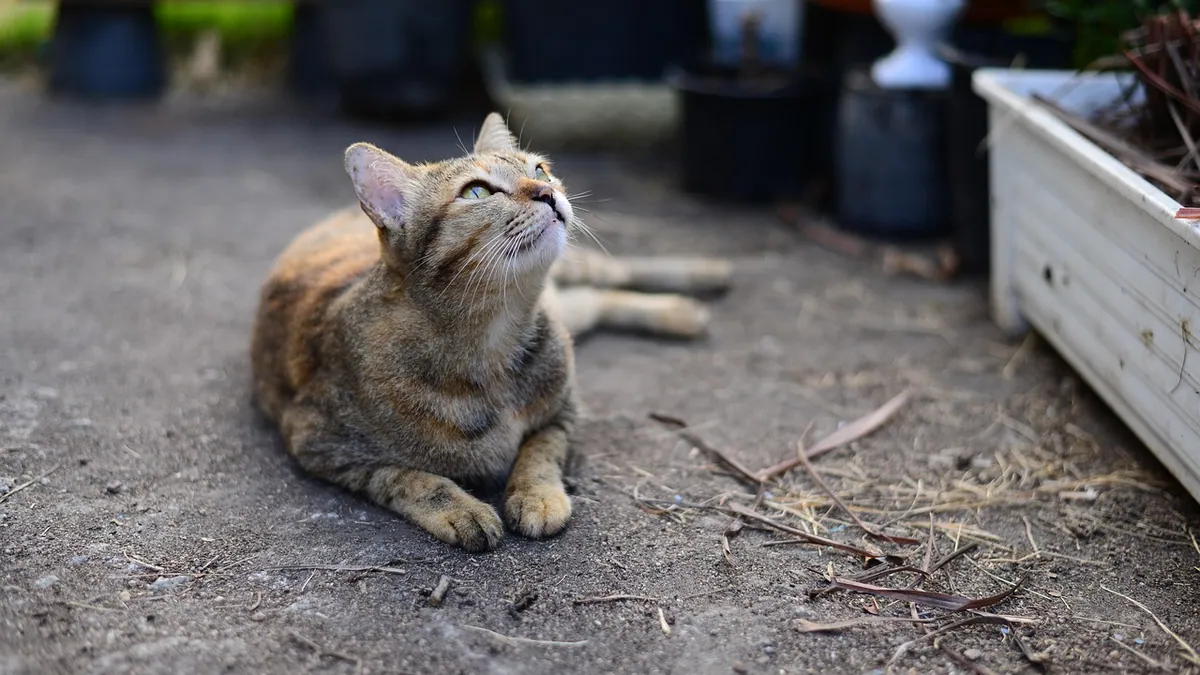
Bright red blood from your cat's bottom usually comes from the lower digestive tract, the anal area, or the urinary or reproductive tract, and it is often a sign of a treatable problem. Common causes include constipation, colitis, parasites, anal sac disease, and urinary issues. This article is educational and is not a substitute for veterinary diagnosis or treatment.
Quick Answer
- Bright red blood on the stool surface, on the fur, or on bedding most often points to a problem in the colon, rectum, or anus, not the upper gut.
- Small streaks with normal energy and appetite can often wait for a routine visit within a day or two.
- Heavy bleeding, blood clots, pale gums, weakness, vomiting, or straining with no urine means go to a veterinarian now.
- Do not give human medications, and do not try to treat parasites on your own without a diagnosis.
- Take a photo of the blood and note the amount, color, and timing, because this helps your veterinarian a great deal.
What Bleeding From the Bottom Looks Like
The word "bottom" covers a few different openings. In a female cat, the anus and the vulva sit close together, so owners sometimes cannot tell which one is bleeding. That distinction matters, because blood from the vulva points toward the urinary or reproductive tract, while blood from the anus points toward the digestive tract.
Bright red blood is called hematochezia when it comes from the lower bowel. It often appears as streaks or drops on the outside of a formed stool, on the fur around the anus, or as small spots on bedding or in the litter box. Dark, tarry stool suggests bleeding higher up in the digestive tract and is a different problem.
A small amount of fresh blood can also show up after a hard, dry bowel movement. That is common with constipation and usually clears once the stool softens. Occasional tiny streaks are not automatically an emergency, but repeated bleeding, large amounts, or bleeding with other signs needs a veterinarian.
Why Is My Cat Bleeding From Her Bottom? Main Causes
Several conditions cause bright red blood from the anus or vulva. The table below groups them by what you are likely to see and how quickly you should act.
| Cause | Typical clues | How urgent |
|---|---|---|
| Constipation | Hard dry stool, straining, small amounts of fresh blood on the stool surface | Routine visit, sooner if straining continues |
| Colitis or inflammatory bowel disease | Diarrhea, mucus, urgency, blood mixed in stool, sometimes vomiting | See a vet within a day or two |
| Intestinal parasites | Diarrhea, weight loss, blood in stool, possible exposure to other cats or the outdoors | Routine visit with a stool sample |
| Anal sac disease | Scooting, licking the rear, swelling or pain near the anus, blood or pus | See a vet soon, same day if very painful |
| Urinary or bladder problem | Blood from the vulva, frequent trips to the litter box, straining, crying | Same day, emergency if no urine passes |
| Clotting or platelet disorder | Bleeding from several sites, nosebleeds, bruises, black stool | Emergency |
| Trauma | Recent injury, pain, bleeding that will not stop | Emergency |
Constipation and Hard Stool
When stool sits too long in the colon, it becomes dry and hard. Passing it can scrape the lining and leave a few drops of bright red blood. You may see your cat strain, crouch for a long time, or produce small, pebble-like stools. Long-standing constipation can become serious, so repeated straining deserves a veterinary visit.
Colitis and Inflammatory Bowel Disease
Colitis is inflammation of the colon. It causes diarrhea, often with mucus and fresh blood, and your cat may need to go frequently. Inflammatory bowel disease is a common condition in cats, marked by recurring digestive signs with evidence of intestinal inflammation [1]. A young cat with weeks of vomiting and blood in the stool may have this kind of inflammation, and treatment often includes diet changes and medication chosen by your veterinarian [1].
Parasites
Intestinal worms and other parasites can irritate the bowel and cause blood in the stool. Some parasites, such as liver flukes of the genus Platynosomum, infect the liver and bile ducts and are usually linked to mild or hidden infections, though they can cause more serious liver disease [2]. Because different parasites need different treatments, a stool sample is the right first step.
Anal Sac Disease
Cats have two small anal sacs on either side of the anus. When they become blocked, inflamed, or infected, you may see scooting, rear-end licking, swelling, and blood or discharge near the anus. This is painful and usually needs veterinary care to drain or treat.
Urinary and Bladder Causes
If the blood is coming from the vulva, the urinary tract is the likely source. Bladder inflammation, infection, and stones can all cause blood in the urine. A cat who visits the litter box often, strains, or cries while urinating needs to be seen the same day. If your cat is straining and passing no urine at all, that is an emergency. For more on this pattern, see Why Is My Cat Peeing blood? Cystitis, Infection & Stones and Why Is My Cat having blood in urine? UTI and Bladder Stones Diagnosis.
Bleeding and Clotting Disorders
Some cats bleed because their blood does not clot normally. Platelets are small cell-like fragments made in the bone marrow that start the clotting process by gathering at the site of bleeding and forming a plug [3]. When platelet numbers drop very low, the risk of bleeding increases, and low platelets can result from drugs, toxins, bone marrow disease, or the cat's own immune system destroying them [3]. Clotting-protein defects tend to cause delayed bleeding, deep bruises, or bleeding into joints and body cavities, while platelet problems more often cause small surface bruises, nosebleeds, black stools from intestinal bleeding, or prolonged bleeding after injections or surgery [4]. Inherited clotting disorders such as hemophilia B have been reported in several cat breeds, and moderately low levels of the affected factor can lead to bleeding into joints and body cavities or bleeding during teething or surgery [4]. If your cat bleeds from more than one place or bruises easily, see Cat Bleeding from Nose: When to See a Vet.
Trauma
Injury can cause bleeding from the rear end, especially if the pelvis or tail area was hurt. Severe trauma can also disturb normal clotting. A kitten found in a washing machine after a cold-water cycle showed shock, respiratory distress, low body temperature, and coagulopathy, and needed intensive care including a plasma transfusion [5]. Bleeding after any accident or fall is an emergency.
Why Is My Kitten Bleeding From His Bottom?
Kittens bleed from the bottom for many of the same reasons as adult cats, but they get sick faster. Parasites are a common cause in young cats, especially those from a shelter, a barn, or the outdoors. Colitis and inflammatory bowel disease can also appear early. One 9-month-old cat with a five-week history of vomiting and blood in the stool was diagnosed with lymphocytic-plasmacytic and eosinophilic enterocolitis after colonoscopy and biopsy [1]. Because kittens have little reserve, do not wait several days to see if bleeding stops on its own. Call your veterinarian the same day.
Red Flags That Mean Emergency
Go to a veterinarian immediately if you see any of these:
- Bleeding that is heavy, spurting, or forming clots
- Blood from more than one place, such as the nose, gums, or bottom
- Pale or white gums, weakness, collapse, or fast breathing
- Straining to urinate with little or no urine produced
- Vomiting, a swollen belly, or severe pain when touched
- Bleeding after trauma, a fall, or a known accident
- Black, tarry stool
- A kitten or a cat with other health problems who is bleeding
Safe Things You Can Do at Home While You Wait
Stay calm and keep your cat indoors. Take a clear photo of the blood and the stool, and write down when you first saw it. Note whether the blood is on the stool, in the litter box, or on the fur, and whether your cat is eating, drinking, and using the litter box normally.
Do not give any human medication, including pain relievers, because many are toxic to cats. Do not use over-the-counter dewormers without guidance, since the wrong product can be harmful and will not treat the actual problem. Do not bathe or handle the sore area more than needed.
Offer fresh water and keep the litter box clean so you can monitor output. If your cat is constipated, your veterinarian may recommend a specific diet or product, but the choice and the amount depend on your cat's weight and health, so let your vet set it.
What Your Veterinarian Will Check and Test
Your veterinarian will start with a full physical exam, including the mouth, belly, rear end, and anal sacs. They will ask about diet, litter box habits, possible parasite exposure, and any recent injury or medication.
Testing often includes a stool check for parasites, blood work to look at red cells, white cells, and platelets, and a urine sample if the urinary tract is suspected [3]. If a clotting problem is possible, your veterinarian may run specific clotting tests. Imaging such as X-rays or ultrasound can help find stones, masses, or inflammation. In some cases, colonoscopy and biopsy are needed to confirm inflammatory bowel disease [1].
Treatment depends on the cause. It may include a change in diet, parasite treatment, antibiotics, anti-inflammatory medication, or, for a clotting disorder, plasma or other support [4][1]. Your veterinarian calculates every dose from your cat's weight and health.
Prevention and Monitoring
Feed a consistent, balanced diet and keep your cat at a healthy weight. Fresh water and regular play help keep the digestive tract moving. Keep your cat indoors or supervise outdoor time to lower the risk of parasites and injury. Use parasite prevention as directed by your veterinarian, and bring a stool sample to routine visits.
Watch the litter box. You are the best early warning system for your cat. Note the size, shape, and color of stools, and any change in how often your cat urinates. If your cat has a chronic condition such as colitis, keep follow-up visits and report any return of blood. Cats with skin or coat problems from parasites or allergies may also need ongoing care, and you can read more in Why Is My Cat Losing Hair?. If your cat starts limping or favoring a leg after a fall, see Why Is My Cat Limping?.
Limitations and When to Contact a Veterinarian
This article cannot tell you what is causing your cat's bleeding. Only a veterinarian who examines your cat can do that, and individual cases always need professional assessment.
Contact your veterinarian the same day if bleeding is more than a few streaks, if it keeps coming back, if your cat is straining, or if your cat is a kitten. Go to an emergency clinic now if you see heavy bleeding, clots, pale gums, weakness, collapse, vomiting with a painful belly, or a cat straining to urinate with no urine produced. Schedule a routine visit if you see occasional small streaks with an otherwise normal, comfortable cat.
Frequently Asked Questions
Is a little bright red blood on my cat's stool always serious?
No, a few streaks on a hard stool often come from constipation and can clear once the stool softens. Repeated bleeding, larger amounts, or bleeding with diarrhea, vomiting, or weight loss needs a veterinary visit.
Can I treat my cat's bleeding at home?
No, you should not treat bleeding at home with human medications or random dewormers. Many human drugs are toxic to cats, and the correct treatment depends on the cause, so your veterinarian needs to examine your cat first.
How can I tell if the blood is from the anus or the vulva?
In female cats the two openings are close together, so it can be hard to tell. Watch where the blood appears, whether it is on stool or in urine, and whether your cat is straining to poop or to pee, then tell your veterinarian what you saw.
Does blood in the stool mean cancer?
Most of the time it does not. Common causes are constipation, colitis, parasites, and anal sac disease. Cancer is possible but less common, and testing is the only way to know for sure.
Should I bring a stool sample to the appointment?
Yes, a fresh stool sample is very helpful. Place it in a clean bag or container and bring it with you, because a stool check is one of the first tests used to look for parasites.
Related Articles
- Why Is My Cat Limping?
- Cat Bleeding from Nose: When to See a Vet
- Why Is My Cat Losing Hair?
- Why Is My Cat Peeing blood? Cystitis, Infection & Stones
- Why Is My Cat having blood in urine? UTI and Bladder Stones Diagnosis
- Cat Diarrhea with Blood and Mucus: Causes and When to Act Fast
- Blood in Cat Poop: Causes, Urgency, and What to Do
- Cat Pooping Blood: Causes and What to Do Next
- Blood in Kitten Poop: Causes and When to Worry
References
- Case report: Lymphocytic-plasmacytic and eosinophilic enterocolitis presented with marked eosinophilia and basophilia in a cat. Frontiers in veterinary science, 2023.
- Diagnosis of feline platynosomosis: case series and literature review. Journal of veterinary diagnostic investigation : official publication of the American Association of Veterinary Laboratory Diagnosticians, Inc, 2026.
- Platelets of Cats - Cat Owners. Merck Veterinary Manual.
- Bleeding and Clotting Disorders in Cats - Cat Owners. Merck Veterinary Manual.
- Washing machine-induced trauma and coagulopathy in a kitten. The Canadian veterinary journal = La revue veterinaire canadienne, 2024.