Why Is My Cat Always Hungry? Causes and When to Test
By Dr. Zubair Khalid, DVM, MS, PhD ·
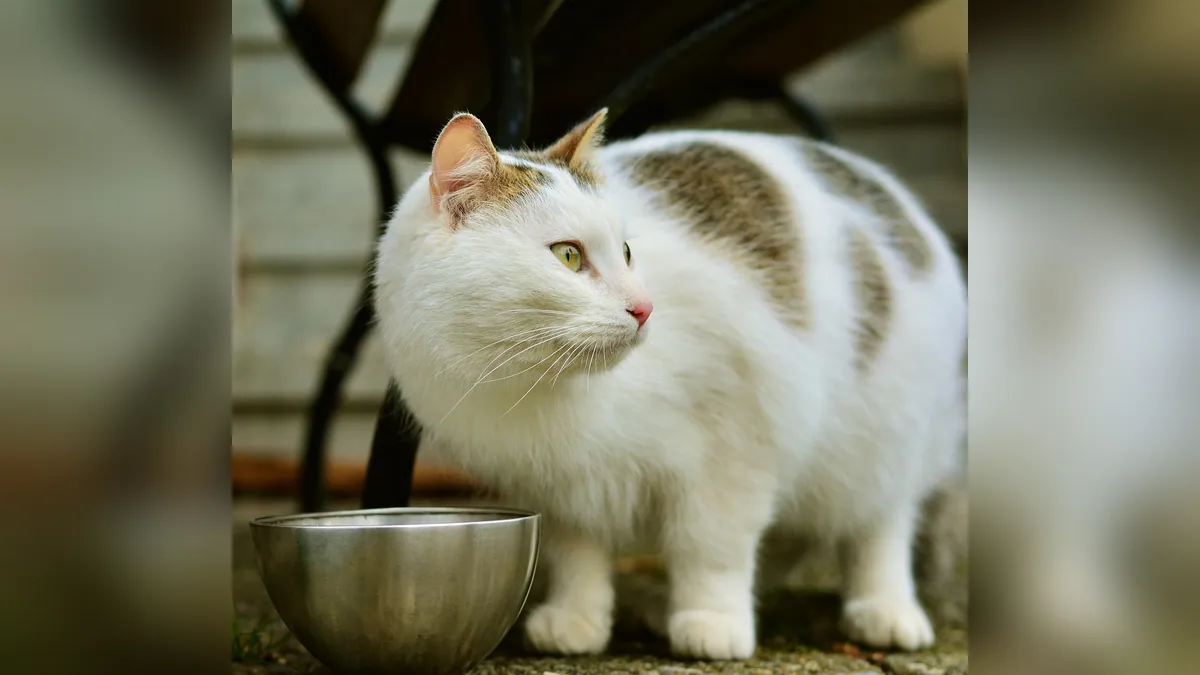
Why is my cat always hungry? A cat that seems hungry all the time may simply be bored or eating a low-calorie diet, but constant hunger with weight loss, vomiting, or changes in thirst often points to a medical cause like hyperthyroidism, diabetes, or intestinal parasites. The pattern matters more than the appetite itself, so watch whether your cat is gaining, losing, or holding steady while eating more.
This article is educational and is not a substitute for veterinary diagnosis or treatment.
Quick Answer
- A hungry cat that is losing weight needs a vet visit soon, because weight loss with a good appetite suggests calories are not being absorbed or used properly.
- A hungry kitten is usually normal. Kittens grow fast and need far more calories per pound than adult cats.
- Increased appetite plus increased thirst and urination is a classic pattern for diabetes and should be checked promptly.
- Intestinal parasites and malabsorption can make a cat act starving even when it eats well.
- Never free-feed to "fix" the hunger until a veterinarian has ruled out disease, because some conditions get worse with more food.
What Constant Hunger Looks Like and What Is Normal
A cat with a normal appetite eats its meals, may ask for food near mealtime, and stays at a stable weight. A cat with true polyphagia (the medical term for excessive hunger) eats more than usual and still acts hungry. It may beg constantly, steal food, lick empty bowls, or wake you at night.
Body condition is the best clue you have at home. Run your hands along your cat's ribs and spine. You should feel the ribs easily under a thin fat layer. If the ribs, spine, and hip bones feel sharp, your cat is too thin. If you cannot feel ribs at all, your cat is carrying extra weight.
Weight change is the deciding factor. A cat that eats more and gains weight is usually getting too many calories. A cat that eats more and loses weight is usually losing calories to disease or poor absorption. That second pattern is the one that needs testing.
Kittens are a separate case. A growing kitten that always seems hungry is often just doing its job. Growth requires a lot of energy, and kittens have small stomachs, so they eat frequent small meals. The concern starts if a kitten is hungry but not gaining weight, has a potbelly, or has diarrhea.
Why Is My Cat Always Hungry? The Main Causes
Several conditions cause increased appetite in cats. Some are common and treatable. Others are serious and need prompt care.
| Cause | Typical clues | How urgent |
|---|---|---|
| Normal kitten growth | Young cat, gaining weight, playful, normal stool | Routine |
| Boredom or food competition | Normal weight, begs between meals, multi-cat home | Routine |
| Intestinal parasites | Potbelly, diarrhea, worms in stool, dull coat | Soon |
| Hyperthyroidism | Older cat, weight loss despite eating, restless, vomiting, fast heart rate | Soon |
| Diabetes mellitus | Heavy thirst, frequent urination, weight loss, hunger | Soon |
| Malabsorption or chronic gut disease | Weight loss, soft stool, gas, ravenous appetite | Soon |
| Pancreatic disease | Vomiting, weight loss, thirst, hunger | Soon |
| Cushing's syndrome | Older cat, thin skin, poor hair regrowth, thirst, diabetes | Soon |
Hyperthyroidism
Hyperthyroidism is one of the most common reasons an older cat eats well and still loses weight. An overactive thyroid speeds up metabolism, so the cat burns calories faster than it takes them in. Affected cats often act restless, vocalize more, vomit, and have a fast heart rate.
This condition is diagnosed with blood tests and managed with medication, diet, surgery, or radioactive iodine. Your veterinarian will choose based on your cat's age, kidney function, and overall health.
Diabetes Mellitus
Diabetes causes high blood sugar because the body cannot use glucose properly. The classic signs are increased appetite, increased thirst, and increased urination, often with weight loss. Some cats also develop a dull coat or hind leg weakness.
Diabetes in cats is treatable, and some cats go into remission with early management. The sooner it is diagnosed, the better the odds. A cat with diabetes can also have another endocrine disease at the same time. In one reported case, a 10-year-old Persian cat had both Cushing's syndrome and diabetes, which made both conditions harder to control until each was treated [1].
Intestinal Parasites
Worms and other intestinal parasites steal nutrients from your cat's gut. The cat eats normally or more than normal but still loses weight or develops a potbelly. Diarrhea, vomiting, and a dull coat are common.
Parasites are diagnosed with a stool sample. Treatment is usually simple and effective. Kittens and cats that hunt or go outdoors are at higher risk.
Malabsorption and Chronic Gut Disease
Malabsorption means the gut cannot absorb nutrients properly even though food is coming in. Chronic inflammation, pancreatic problems, or other gut disease can cause this. The cat acts starving because its body is genuinely short on calories and nutrients.
A 13-year-old cat with pancreatic abscesses and suspected cancer was referred for weight loss, increased appetite, increased thirst, increased urination, and intermittent vomiting, and blood work showed diabetes [2]. That case shows how several problems can stack together and how a single symptom like hunger rarely tells the whole story.
Cushing's Syndrome
Cushing's syndrome (hypercortisolism) is uncommon in cats but can cause increased appetite, thirst, and urination. It often appears alongside diabetes, and cats with diabetes that are hard to control should be screened for it [1]. Skin changes like thin, fragile skin and poor hair regrowth are clues.
Obesity and Appetite
Obesity is the most common nutritional disorder in domestic cats, and it raises the risk of diabetes, arthritis, urinary problems, skin disease, heart disease, and respiratory disease [3]. An overweight cat that begs constantly may be overfed, but it can also be developing a condition linked to excess weight. If your cat is gaining instead of losing, see Why Is My Cat Gaining Weight?.
Red Flags That Make It an Emergency
Call an emergency clinic right away if your cat has any of these signs.
- Collapse, weakness, or trouble breathing
- Repeated vomiting or vomiting blood
- Severe diarrhea or black, tarry stool
- Seizures or sudden blindness
- Not eating at all for more than 24 hours
- Extreme thirst with no urine production
- A distended, painful belly
These signs can point to a crisis such as diabetic ketoacidosis, severe dehydration, or a ruptured internal problem. Do not wait for a routine appointment.
Safe Things You Can Do at Home While You Wait
You cannot diagnose your cat at home, but you can gather information that helps your veterinarian.
- Weigh your cat on a baby scale or a kitchen scale, or weigh yourself holding the cat and subtract your weight. Record the number.
- Measure how much food your cat actually eats in a day. Use a measuring cup, not a scoop.
- Track water intake if you can. A cat that suddenly drinks much more is a strong clue.
- Note stool changes, vomiting, and how often your cat urinates.
- Keep the food and water bowls in a quiet spot away from litter boxes and other pets.
- Do not change to a weight-loss or high-fiber diet on your own. Restricting calories in a cat that is already losing weight can make things worse.
If your cat has gas or soft stool along with the hunger, Why Does My Cat Have Gas? covers common digestive causes. If your cat stops eating, that is a different and more urgent problem, covered in Why Is My Cat Not Eating? A Vet-Reviewed Guide for Pet Owners.
What Your Veterinarian Will Check and Test
Your veterinarian will start with a full physical exam. They will check your cat's weight and body condition, feel the thyroid gland in the neck, listen to the heart, and palpate the abdomen. They will also ask about diet, appetite, water intake, and litter box habits.
Common tests include:
- Complete blood count and chemistry panel to check organ function, blood sugar, and protein levels
- Thyroid hormone level (T4) to screen for hyperthyroidism
- Fructosamine and blood glucose to evaluate diabetes
- Urinalysis to check for glucose, infection, and kidney function
- Fecal exam for parasites
- Abdominal ultrasound or X-rays if the exam or blood work points to a problem inside the belly
If diabetes is confirmed, your veterinarian may also test for Cushing's syndrome, since the two can occur together and each affects the other [1]. If your cat is losing weight without an obvious cause, a stool sample and imaging are often the next steps.
Treatment depends on the diagnosis. Hyperthyroidism, diabetes, and parasites all have well-established treatments. Your veterinarian will calculate any medication dose from your cat's weight and health status, so never use a dose from a friend's cat or an online chart.
Prevention and Monitoring
The best prevention is regular veterinary care and a healthy weight. Obesity is a chronic inflammatory condition linked to diabetes, arthritis, urinary disease, and a shorter life span, so keeping your cat lean protects more than its joints [3].
If your cat needs to lose weight, do it with veterinary guidance. A study of obese cats on energy-restricted diets found that some over-the-counter low-calorie and adult maintenance diets did not meet recommended intakes for certain amino acids and vitamins when calories were cut [4]. A veterinary weight-loss diet is designed to supply enough protein and micronutrients during restriction, which matters for muscle and overall health.
Monitor these at home:
- Monthly weight and body condition score
- Appetite and water intake
- Stool quality and litter box habits
- Energy level and grooming
For cats with a diagnosed condition, follow the recheck schedule your veterinarian sets. Many of these diseases are manageable for years with good monitoring.
Limitations and When to Contact a Veterinarian
This article cannot tell you what is wrong with your specific cat. Only a veterinarian who examines your cat and runs tests can do that. Individual cases need a veterinarian.
Contact your veterinarian the same day if your cat is eating more but losing weight, drinking and urinating much more than usual, vomiting repeatedly, or has diarrhea that lasts more than a day.
Go to an emergency clinic now if your cat collapses, has trouble breathing, has a swollen painful belly, has seizures, or stops eating entirely.
Schedule a routine visit if your cat is an older cat with a new increase in appetite, even if it seems fine otherwise. Early testing catches thyroid and kidney problems before they become emergencies.
Frequently Asked Questions
Why is my cat hungry all the time but not losing weight?
A cat that eats more without losing weight is usually taking in more calories than it needs, which often leads to gradual weight gain. Boredom, food competition in a multi-cat home, and highly palatable food can all drive this. If the appetite increase is new and your cat is an older cat, a vet visit is still reasonable to rule out early disease.
My kitten is always hungry. Is that normal?
Yes, a growing kitten that is gaining weight and acting playful is usually just hungry because growth demands a lot of energy. Feed a kitten-appropriate diet in several small meals a day and follow the feeding guide on the label. See a vet if your kitten is hungry but not gaining, has a potbelly, or has diarrhea.
Can worms make my cat act starving?
Yes. Intestinal parasites take nutrients from your cat's gut, so the cat can eat well and still lose weight or stay thin. A stool sample at your vet's office confirms the diagnosis, and treatment is usually straightforward. Cats that hunt or go outdoors should be checked regularly.
Why is my older cat always hungry and losing weight?
Hyperthyroidism and diabetes are the two most common causes in older cats, and both can cause a big appetite with weight loss. Chronic gut disease and, less often, Cushing's syndrome can also do it. Blood work and a urinalysis are the fastest way to sort out which one is behind the change.
Should I just feed my hungry cat more?
No, not until a veterinarian has checked your cat, especially if it is losing weight. Feeding more can worsen conditions like diabetes and does nothing for parasites or malabsorption. Once disease is ruled out or treated, your vet can help you set the right amount and type of food.
Related Articles
- Why Does My Cat Have Gas?
- Why Is My Cat Losing Weight?
- Cat Not Pooping but Eating Normally: Causes and When to Help
- Why Is My Cat Gaining Weight?
- Why Is My Cat Not Eating? A Vet-Reviewed Guide for Pet Owners
- Why Is My Cat begging for food constantly? Hyperthyroidism and Intestinal Malabsorption
- Why Is My Cat Eating So Much? Increased Appetite Causes
- Is It Normal for Cats to Always Want Food? When to Worry
- Why Is My Senior Cat Always Hungry but Skinny?
References
- Cushing's Syndrome associated with diabetes mellitus in a Persian cat: clinical features, diagnosis, and therapeutic management. Brazilian journal of veterinary medicine, 2026.
- Recurrent pancreatic abscesses coexisting with a suspected adenocarcinoma in a cat. JFMS open reports, 2026.
- From pathogenesis to prevention: an update on the management of obesity and its associated comorbidities in cats. Frontiers in veterinary science, 2026.
- Ex vivo energy restriction in obese cats reveals more amino acid and vitamin intakes below recommendations with over-the-counter compared to veterinary weight-loss diets. American journal of veterinary research, 2026.