Dog Feces: What Healthy Stool Looks Like
By Dr. Zubair Khalid, DVM, MS, PhD ·
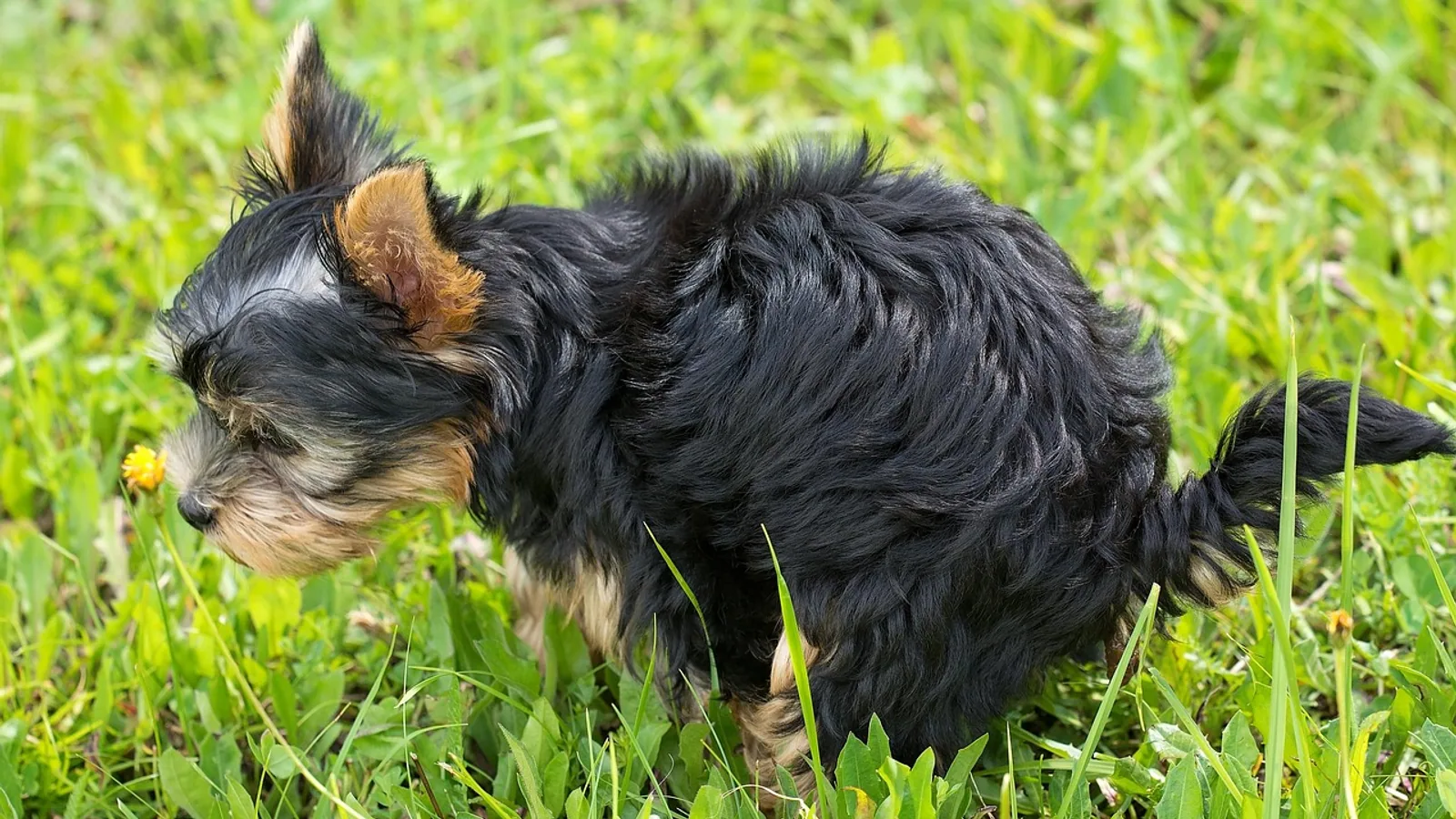
Healthy dog feces are log-shaped, chocolate brown, firm enough to pick up cleanly, and scored 4 on the 1 to 7 fecal scoring scale. Anything from a watery puddle (score 1) to dry crumbly pellets (score 7) sits outside the ideal range and tells you something about what is happening inside the gut.
This article is educational and is not a substitute for veterinary diagnosis or treatment.
Why Fecal Scoring Exists
Veterinarians need a shared language for stool quality. Subjective words like "loose" or "a bit soft" mean different things to different people, and studies show that even trained observers disagree when scoring the same dog's stool from memory [1]. A numbered scale fixes that problem. Everyone looks at the same sample and assigns the same number.
Fecal scoring charts are used in clinical trials, in hospital wards, and in owner diaries sent home after treatment. A randomized trial of dogs with acute diarrhea tracked time to resolution using owner surveys and fecal scoring charts, and found that dogs reached acceptable stool consistency in roughly 3.5 to 4.8 days depending on treatment group [2]. Another trial of 19 dogs with uncomplicated acute diarrhea used a fecal scoring chart to detect a faster improvement in stool consistency on day 1 in dogs receiving added cellulose [3]. Without a standardized score, those differences would be invisible.
Fecal consistency also tracks with intestinal transit. A study of dogs ranging from Miniature Poodles to Great Danes found that large-breed dogs had higher fecal moisture content and more watery stool, and that large intestinal transit time increased significantly with body size, from about 9 hours in Miniature Poodles to about 39 hours in Giant Schnauzers [4]. Fecal consistency correlated with transit time even when moisture content alone did not. In other words, how long feces spend in the colon shapes how they look when they come out.
The 1 to 7 Fecal Score Scale
The scale below follows the widely used Purina-style 7-point system. Score 4 is the target.
| Score | Description | Action |
|---|---|---|
| 1 | Watery, liquid, no form. Puddles immediately. | Veterinary visit. High dehydration risk, especially in puppies and small dogs. |
| 2 | Very soft, loses shape when picked up. Leaves a heavy residue. | Monitor for 24 hours. See a vet if it persists, worsens, or the dog is lethargic or vomiting. |
| 3 | Soft but formable. Log shape holds, but sags and leaves residue. | Often normal for a single bowel movement. Watch the trend across the day. |
| 4 | Ideal. Log-shaped, firm, holds together, picks up cleanly, little residue. | No action. This is the goal. |
| 5 | Firm and dry. Holds shape but is slightly crumbly at the edges. | Check water intake and fiber. Persistent score 5 can suggest mild dehydration or too little dietary fiber. |
| 6 | Very firm. Crumbles when picked up. | Increase water access. Discuss fiber and hydration with your vet if it persists. |
| 7 | Hard, dry pellets. Difficult or painful to pass. | Veterinary visit. This is constipation until proven otherwise. |
A separate 1 to 5 scale is also used in nutrition research, where 1 is non-formed or diarrhea and 5 is hard and formed [5]. The two systems are not interchangeable. If your veterinarian asks you to keep a stool diary, confirm which scale they want before you start recording numbers.
What Score 4 Actually Looks Like
Score 4 stool has a few consistent features:
- Shape. A segmented log, like a sausage with visible indentations. The segments reflect the movement of fecal material through the colon.
- Consistency. Firm enough that it lifts off grass or pavement in one piece. A thin film may remain, but there is no puddle and no smear.
- Color. Medium to dark brown. The brown comes from bile pigments that bacteria in the colon chemically modify.
- Content. Uniform. No visible mucus coat, no fresh blood, no undigested food chunks, no visible worms.
- Frequency. Most adult dogs defecate one to three times per day, though this varies with diet, size, and individual routine.
Puppies and dogs on high-moisture diets often produce softer stool than adult dogs on dry food. A single score 3 bowel movement in an otherwise healthy dog is not a problem. A dog that scores 3 all day, every day, is worth a conversation with your vet.
Color: What Each Shade Means
Consistency is only half the picture. Color tells you where in the gut something might be going wrong.
Brown
Brown is normal. The color comes from stercobilin, a breakdown product of bile pigments that gut bacteria produce. Diet shifts the exact shade. Diets high in certain plant pigments or organ meats can darken stool. A dog eating a raw or high-meat diet may produce darker, firmer stool than one on a high-carbohydrate kibble.
Black or Tarry
Black, tarry stool (the clinical term is melena) suggests bleeding high in the gastrointestinal tract, typically the stomach or upper small intestine. Blood that spends time in the gut is digested, and digested blood turns black. Melena is not the same as dark brown. It has a sticky, tar-like texture and a distinctive foul odor. Iron supplements and some medications can also darken stool, so a veterinary exam is needed to separate the two. Black tarry stool is a same-day veterinary concern.
Red Streaks or Fresh Blood
Bright red blood (hematochezia) points to bleeding in the lower gastrointestinal tract or the anal region. Common causes include colitis, anal gland disease, and irritation from passing hard stool. Fresh blood on the surface of otherwise normal stool is less alarming than blood mixed throughout, but it still warrants a veterinary visit. A single streak in a dog that is otherwise bright and eating normally can often wait for a routine appointment. Repeated streaks, large volumes, or blood accompanied by straining need prompt attention.
Grey, Greasy, or Pale
Grey, greasy, or unusually pale stool that is bulky and foul-smelling suggests malabsorption. When the gut cannot absorb fat properly, fat passes into the stool and gives it a shiny, greasy appearance. This pattern appears with exocrine pancreatic insufficiency, severe small intestinal disease, and some liver or biliary conditions. It is a chronic pattern rather than a one-off event, and it needs veterinary workup.
Green
Green stool usually means rapid transit. When food moves through the gut too quickly, bile does not have time to be fully broken down by bacteria, and the green pigment survives into the stool. Green stool often accompanies diarrhea. Eating large amounts of grass can also turn stool green without any disease. A single green stool after a fast transit episode is common. Persistent green stool with weight loss or diarrhea needs investigation.
Orange or Yellow
Orange or yellow stool can reflect rapid transit as well, or a diet high in certain pigments. Yellow, greasy stool overlaps with the malabsorption pattern described above. These colors are less specific than black, red, or grey, so they are interpreted alongside consistency, frequency, and the dog's overall condition.
Red Flags: When to Call the Vet
Some findings mean the dog needs to be seen. Others mean watch and wait. The list below separates the two.
Call your veterinarian today if you see:
- Blood. Black tarry stool, fresh red streaks, or blood mixed through the stool.
- Mucus. A jelly-like coating or large amounts of slime in the stool. Small amounts of mucus can be normal, but heavy mucus suggests large bowel inflammation.
- Worms. Visible roundworms (spaghetti-like), tapeworm segments (rice-like grains around the anus or in the stool), or other parasites.
- Diarrhea lasting more than 48 hours. Acute diarrhea in dogs is often self-limiting, and a clinical trial found that dogs with uncomplicated acute diarrhea recovered in a median of about 3 days without any specific treatment beyond supportive care [3]. But diarrhea that persists past 48 hours, or that is accompanied by any other red flag, needs a veterinary assessment.
- Lethargy. A quiet, unwilling dog with abnormal stool is a different situation from a bright, active dog with soft stool.
- Vomiting. Vomiting plus diarrhea raises the risk of dehydration and points toward a broader gastrointestinal problem.
- Straining with little or no stool produced. This can indicate obstruction, severe constipation, or anal gland disease.
- Puppies, seniors, and dogs with chronic illness. These groups dehydrate faster and have less reserve.
Watch and reassess in 24 hours if you see:
- A single soft stool (score 2 or 3) in an otherwise normal dog.
- One episode of green stool after a known dietary indiscretion.
- Mild flatulence with soft stool and no other signs.
The Biology Behind Normal Stool
Feces are roughly 60 to 80 percent water, with the rest made up of undigested food residue, bacteria, sloughed intestinal cells, and small amounts of fat and protein. The colon is where most of the water absorption happens. Transit time through the colon determines how much water is pulled back out, which is why large-breed dogs with longer transit times tend to have softer stool [4].
The gut microbiota, the community of bacteria living in the colon, plays a central role in stool quality. Studies of probiotic and prebiotic supplementation in dogs show measurable changes in fecal consistency alongside shifts in the fecal microbiota [6][7][8]. A study of two probiotic strains isolated from canine colostrum and milk found that the strains adhered to intestinal cells at rates up to 92 percent and increased expression of mucins and tight junction proteins in epithelial cells, which are the proteins that seal the spaces between gut cells [6]. A separate trial in dogs with acute diarrhea found that a multi-targeted supplement containing probiotics, prebiotics, and antioxidants produced faster and more pronounced improvement in fecal score than diet alone [9].
Fiber intake shapes stool form. A randomized trial of dogs with uncomplicated acute diarrhea found that adding cellulose to the diet produced a marginally significant faster improvement in stool consistency on day 1, though all dogs recovered within a few days regardless of group [3]. A prospective study of 31 dogs with chronic large bowel diarrhea found that a fiber-supplemented therapeutic diet improved diarrhea within 1 day of starting, with 68 percent of dogs showing complete resolution of clinical signs by day 56 [10].
Dietary protein source can also affect stool. A study evaluating corn-fermented protein as a dietary ingredient in extruded dog diets measured stool consistency as one of its outcomes, reflecting the standard practice of including stool quality in diet trials [11]. Other novel protein sources, including black soldier fly larvae and duckweed protein, have been evaluated with stool consistency as a monitored outcome, and neither produced significant gastrointestinal side effects in the dogs studied [12][5].
Common Myths About Dog Feces
Myth: Soft stool always means disease. Soft stool can reflect diet, transit time, stress, or a single dietary indiscretion. A dog that has one soft stool and is otherwise normal does not need treatment. The pattern over days matters more than any single bowel movement.
Myth: You can diagnose worms by looking at stool. Visible worms are a real finding, but most intestinal parasites shed eggs that are microscopic. A study comparing four fecal diagnostic methods found that detection depends heavily on the method used and the number of eggs present [13]. Centrifugal flotation had the lowest detection limit, identifying eggs at concentrations as low as 10 eggs per gram in some replicates, while passive flotation and PCR-based panels detected eggs consistently only at 60 eggs per gram or higher [13]. Visual inspection cannot replace a proper fecal test.
Myth: Color alone tells you the diagnosis. Color narrows the possibilities but does not confirm anything. Black stool can come from bleeding or from iron supplements. Green stool can come from rapid transit or from eating grass. Diagnosis requires the full picture: history, physical exam, and often laboratory testing.
Myth: A dog that eats poop has a nutritional deficiency. Coprophagia (eating feces) is common in dogs and has many proposed explanations, including normal scavenging behavior, boredom, and learned habit. It is not a reliable sign of a specific deficiency.
Myth: Grain-free diets fix stool problems. Stool quality depends on total nutrient digestibility, fiber type and amount, transit time, and the gut microbiota. No single ingredient category is responsible for good or bad stool across all dogs.
Practical Monitoring at Home
You do not need a laboratory to track your dog's stool quality. A simple routine catches most problems early.
- Look before you bag it. Glance at color, shape, and surface before picking up. Note any blood, mucus, or visible worms.
- Assign a score. Use the 1 to 7 scale and write it down. A three-day log tells your vet far more than a verbal description.
- Note frequency. Count bowel movements per day. A sudden increase from two to six is meaningful even if each stool looks acceptable.
- Track changes. New food, new treats, table scraps, garbage raids, travel, and boarding all affect stool. Write down what changed and when.
- Photograph abnormal stool. A study validating photographic fecal scoring in puppies found good agreement between in-person scoring and scoring from photographs, with a weighted kappa of 0.93 and good agreement between observers [14]. A clear photo taken in daylight is a legitimate record to show your veterinarian.
- Watch the dog, not just the stool. Appetite, energy, thirst, and body weight matter as much as what comes out the other end.
Clinical Relevance, Limitations and Common Mistakes
Fecal scoring is a monitoring tool, not a diagnostic test. It tells you that something has changed and how severe the change is. It does not tell you why. A score of 2 in a dog with acute diarrhea and a score of 2 in a dog with chronic malabsorption look identical on the chart but require completely different workups.
Scoring reliability has real limits. A study of chronic enteropathy activity indices found that inter-observer reproducibility was limited for stool consistency and defecation frequency, and that a standardized scoring guide only marginally improved consistency between observers [1]. Expert evaluators did not consistently outperform non-experts [1]. This means your score and your veterinarian's score may differ by a point. The trend over time is more reliable than any single number.
Common mistakes owners make:
- Judging a single stool. One soft stool is not diarrhea. Diarrhea is a pattern.
- Ignoring color because consistency looks fine. A score 4 stool that is black or contains fresh blood is a bigger concern than a score 3 stool that is normal brown.
- Waiting too long with a puppy. Puppies dehydrate quickly. A puppy with watery diarrhea for more than a few hours needs to be seen.
- Changing diets repeatedly during an episode. Frequent diet changes make it impossible to identify what helped or hurt.
- Assuming a normal fecal float rules out parasites. Detection depends on the method and the parasite load [13].
Individual cases need a veterinarian. The scales and patterns here are guides for monitoring and communication, not a substitute for examination and testing.
Frequently Asked Questions
What does healthy dog poop look like?
Healthy dog poop is a score 4 on the 1 to 7 scale: a segmented log, medium to dark brown, firm enough to pick up cleanly with little residue.
What does black tarry stool mean in dogs?
Black tarry stool suggests bleeding in the upper gastrointestinal tract, where digested blood turns the stool black. It is a same-day veterinary concern.
Is it normal for dog poop to have mucus?
A small amount of mucus can be normal, but heavy or jelly-like mucus suggests large bowel inflammation and should be evaluated by a veterinarian.
How long can diarrhea last before I should see a vet?
See a vet if diarrhea lasts more than 48 hours, or sooner if the dog is lethargic, vomiting, or passing blood.
What does green dog poop mean?
Green stool usually means food moved through the gut too quickly for bile pigments to be fully broken down. Eating grass can also turn stool green.
Can I tell if my dog has worms by looking at the poop?
You can sometimes see roundworms or tapeworm segments, but most parasite eggs are microscopic and require a fecal flotation or PCR test to detect.
What does greasy grey dog poop mean?
Greasy grey or pale stool suggests malabsorption, often from fat that is not being absorbed properly. This pattern needs a veterinary workup.
Should I worry about one soft stool in an otherwise healthy dog?
A single soft stool in a bright, eating, drinking dog is usually not a concern. Monitor for 24 hours and watch for red flags.
Related Articles
- What Does A Tick Look Like On A Dog
- Dog Seizure What Does It Look Like
- Cat Skin Rash with Crusting: What It Looks Like and What to Do
- RMSD vs. Binding Pose Analysis: What Does a Good Docking Pose Look Like?
- Dog Stool Supplement
- What To Give Dog For Loose Stool
- Chigger Bite Pictures: What Chiggers Look Like
- What Do Ear Mites Look Like? Dog Ear Mite Photos
- Proto Mammals: Synapsids and Mammal-Like Reptiles
Sources
- Towards a better understanding of clinical disease activity scores in dogs with chronic enteropathies.
- A Randomized Double Blinded Placebo-Controlled Clinical Trial of a Probiotic or Metronidazole for Acute Canine Diarrhea.
- Effects of dietary cellulose on clinical and gut microbiota recovery in dogs with uncomplicated acute diarrhea: a randomized prospective clinical trial.
- Evaluation of association between body size and large intestinal transit time in healthy dogs.
- Duckweed protein as an alternative plant-based protein source for dog and cat dry diets.
- Canine Microencapsulated Probiotic Formulations Modulate Immunity and Improve Acute Diarrhea in Dogs.
- Effects of Bacillus coagulans (GBI-30, 6086) supplementation on apparent total tract nutrient digestibility and the fecal characteristics and metabolites, immunity, and microbiota of healthy adult dogs.
- Beneficial effects of a prebiotic-postbiotic supplement on digestive health and fecal microbiota in dogs and cats.
- A Dietary Supplement Supporting the Resolution of Acute Diarrhea in Dogs.
- A prospective multicenter study of the efficacy of a fiber-supplemented dietary intervention in dogs with chronic large bowel diarrhea.
- Evaluation of corn-fermented protein as a dietary ingredient in extruded dog and cat diets.
- Black Soldier Fly (Hermetia illucens) Larvae as a Protein Substitute in Adverse Food Reactions for Canine Dermatitis: Preliminary Results Among Patients.
- Fecal floatation and KeyScreen polymerase chain reaction optimize Echinococcus multilocularis detection in canine feces for veterinary practice and zoonotic surveillance.
- Validation of photographic fecal scoring in puppies.