Teacup Dogs: Health Risks, Lifespan, and What Buyers Should Know
By Dr. Zubair Khalid, DVM, MS, PhD ·
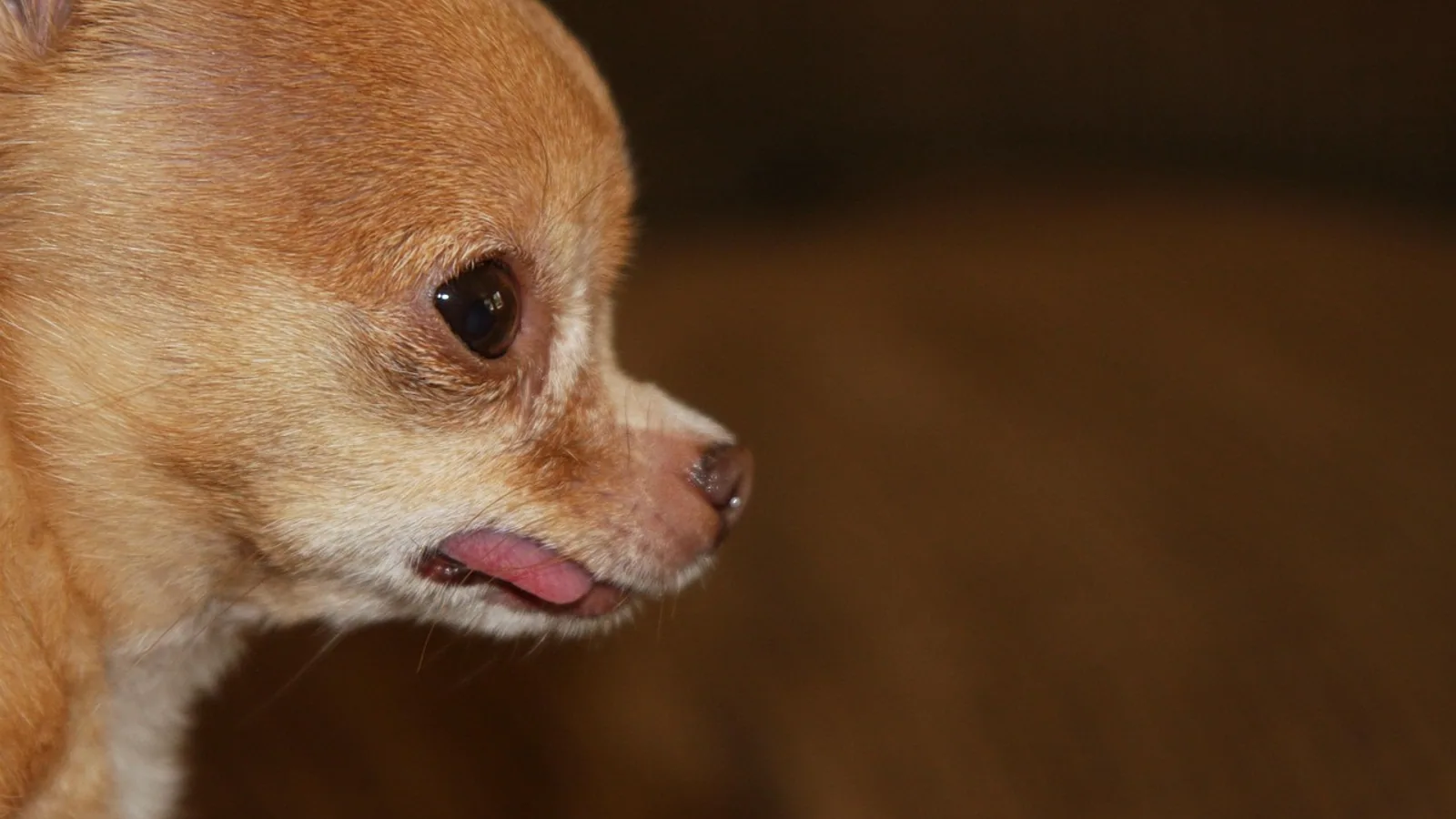
A teacup dog is a dog marketed as an unusually small version of an already small breed. The term describes a size claim, not a breed, and not a recognized size class within any breed. No major kennel club registers a "teacup" variety, and no breed standard defines a teacup weight or height. When a seller advertises teacup puppies, teacup Chihuahuas, teacup Yorkies, or micro puppies, they are using a commercial label. The dogs behind that label are usually ordinary toy-breed puppies who were the smallest in their litter, were bred from undersized parents, or were separated from their mother and littermates too early.
That distinction matters because the smallest puppies in a litter are not simply miniature versions of a healthy dog. They carry a higher burden of neonatal risk, and the conditions linked to extreme small size in toy breeds are serious. This article explains how teacup dogs are produced, which health problems are documented in toy and miniature breeds, how to care for a very small dog day to day, and what to ask before you buy.
This article is educational and is not a substitute for veterinary diagnosis or treatment.
At a Glance
| Trait | Detail |
|---|---|
| Status | Marketing term, not a breed or recognized size class |
| Typical breeds sold as "teacup" | Chihuahua, Yorkshire Terrier, Pomeranian, Maltese, Toy Poodle, and other toy breeds |
| Adult weight | No standard exists. Sellers often claim 2 to 4 pounds, but no breed registry recognizes this as a class |
| Height | No standard exists |
| Coat | Depends on the underlying breed |
| Lifespan | No published lifespan for "teacup" as a category. Toy breeds generally live long lives, but extreme small size and the conditions below can shorten them |
| Energy level | Varies by underlying breed |
| Grooming | Varies by coat type, from smooth to high-maintenance |
| Trainability | Varies by breed. Very small dogs need patient, reward-based training and careful handling |
| Good with children | Generally a poor match for households with young children because of fragile bones and small body size |
| Good with other pets | Depends on the individual dog and the underlying breed |
What "Teacup" Actually Means
The word teacup is a marketing term. It is not a breed, not a variety, and not a size class recognized by any kennel club or veterinary body. A teacup Chihuahua is a Chihuahua sold with a size promise attached. A teacup Yorkie is a Yorkshire Terrier sold the same way. The dog's breed does not change because the seller adds a prefix.
Because no registry sets a teacup standard, the weight a seller quotes is not verifiable against any official benchmark. A puppy advertised at two pounds may grow well past that. A puppy advertised as a "micro" may be a runt who catches up, or may stay small because of an underlying problem. The label tells you what the seller wants you to believe, not what the dog is.
This is why veterinarians treat "teacup" as a red flag in a sales listing rather than a description of a type. The term signals that a dog is being sold on size alone, and size alone is not a health advantage in dogs.
How Teacup Dogs Are Produced
Teacup dogs are not created by a distinct breeding program with health testing and a written standard. In practice, they come from a small number of routes.
Breeding the runts
The most common route is selecting the smallest puppies from litters and breeding them to other small dogs. A runt is the smallest or weakest puppy in a litter. Runts are more likely to have trouble in the first days of life, and they are more likely to be sold as "teacup" because their size is unusual.
Neonatal survival in toy breeds is already fragile. A study of 176 Chihuahua puppies born by elective cesarean section found that puppies with low Apgar scores had sharply reduced survival in the first 24 hours, with survival of 97 percent in the highest score class, 96 percent in the middle class, and 39 percent in the lowest class [1]. That is the population from which "teacup" puppies are drawn. The smallest puppies in a toy litter are the ones least likely to have cleared the newborn period without a crisis.
Selling puppies too young
The second common route is early sale. Puppies sold before they are fully weaned and socialized miss critical developmental time with the mother and littermates. Age assessment in puppies is possible because permanent teeth emerge on a predictable schedule, and that schedule is delayed in small and toy breeds compared with larger dogs [2]. A puppy presented as older than it is can be identified by dentition, and a puppy sold at a size that seems impossibly small for its stated age is a warning sign.
The practical consequence is that a puppy sold too young may arrive underweight, undersocialized, and unvaccinated at the correct intervals. That combination raises the risk of infection, stress-related illness, and behavioral problems.
Breeding undersized parents
Some breeders deliberately pair very small adults to push offspring smaller still. This concentrates the traits that make a dog small, and it can also concentrate the health problems that travel with extreme small size. In toy breeds, several of the conditions discussed below have a documented genetic component, which means selecting for size without health testing can amplify them.
Health Risks in Teacup Dogs
The health risks below are documented in toy and miniature breeds. They are not unique to dogs sold as teacup, but extreme small size and early sale make them more likely and more dangerous.
Hypoglycemia
Hypoglycemia means low blood sugar. It is a well-recognized problem in toy-breed puppies and young dogs [3]. Small puppies have small glycogen reserves and high energy demands relative to their body weight, so they can crash quickly when they do not eat often enough, when they are stressed, or when they are ill.
Signs include weakness, wobbliness, lethargy, and in severe cases collapse or seizures. A puppy sold as teacup is at higher risk because of its small size and because early weaning disrupts normal feeding. Hypoglycemia is also listed among the common clinical pathology findings in dogs with congenital portosystemic shunts, which is discussed next [4].
Prevention centers on frequent small meals, keeping the puppy warm, and reducing stress in the first weeks at home. Any episode of collapse or seizure is an emergency.
Hydrocephalus and open fontanelles
The fontanelle is the soft spot on the top of a puppy's skull where the skull bones have not yet fused. In most puppies it closes early. In some toy breeds, especially Chihuahuas, it can stay open, and it can be associated with hydrocephalus, which is a buildup of fluid in the brain's ventricular system.
A case report described a two-year-old female Chihuahua with a six-month history of visual dysfunction. Imaging showed dilated lateral ventricles, and after euthanasia the skull was found to be expanded and dome-shaped with an open fontanelle [5]. That dog also had a separate storage disease, but the hydrocephalus and open fontanelle are the relevant findings here.
An open fontanelle is not automatically fatal, but it means the brain is less protected. A dog with an open fontanelle should not be handled roughly, should not be dropped, and should be evaluated by a veterinarian if there is any change in behavior, vision, or coordination.
Liver shunts (portosystemic shunts)
A portosystemic shunt is an abnormal blood vessel that lets blood from the intestines bypass the liver. The liver normally filters that blood, so a shunt allows toxins and ammonia to reach the systemic circulation. Congenital portosystemic shunts are most commonly diagnosed in small and toy-breed dogs, and extrahepatic shunts are the typical form in these breeds [4].
Symptoms come from hepatic encephalopathy and include depression, listlessness, ataxia, pacing, circling, head pressing, cortical blindness, seizures, and coma. Gastrointestinal signs such as vomiting, diarrhea, anorexia, and ptyalism occur in about 30 percent of affected dogs [4]. Laboratory findings commonly include mild to moderate anemia, elevated liver enzyme activities, low albumin, low blood urea nitrogen, low cholesterol, and hypoglycemia [4].
The link to Yorkshire Terriers is well documented. A large single-institution study of 11,061 Yorkshire Terriers found an observed prevalence of congenital portosystemic shunts of 0.8 percent, with a median age at diagnosis of 2.7 years [6]. A separate study of liver biopsies from 140 dogs with clinical suspicion of a shunt confirmed a shunt in 89.29 percent and found hepatic microvascular dysplasia with portal vein hypoplasia in 12.32 percent, especially in Yorkshire Terriers [7]. Hepatic size on radiographs is significantly smaller in shunt-affected Maltese, Shih Tzu, and Yorkshire Terriers [8]. A case report in a Yorkshire Terrier with a shunt documented manganese accumulation in the brain that explained abnormal MRI signal [9].
Inheritance has been demonstrated in at least one breed. A screening program of 6,367 Cairn Terriers identified 58 affected dogs, and test matings produced significantly higher prevalence than the general population, which supports a hereditary basis [10]. This matters for buyers because a breeder who does not screen for shunts in a breed where they occur is not managing a known risk.
Collapsing trachea
Tracheal collapse is a condition in which the cartilage rings of the windpipe lose rigidity and the airway narrows. It is classically described in middle-aged or older toy and miniature breed dogs with a chronic "goose-honk" cough, though some dogs are young and may wheeze or hack instead of coughing [11]. Diagnosis is confirmed with inspiratory and expiratory radiographs, fluoroscopy, culture, and endoscopy [11].
A retrospective study of 60 dogs with a radiographic diagnosis of tracheal collapse found that 18 (30 percent) also had bronchiectasis, a rate six times higher than expected in a random population [12]. That finding means a collapsing trachea is often not an isolated problem and should prompt evaluation for chronic lower airway disease [12]. Surgical treatment with prosthetic rings relieves many signs but does not cure the disease, and most dogs are more active and cough less after surgery [11].
The relevance to teacup dogs is direct. The smaller the dog, the smaller the airway, and the more a collapsing trachea compromises breathing. A very small dog with a honking cough needs veterinary assessment rather than home remedies.
Patellar luxation
Patellar luxation is a common orthopedic disorder in dogs in which the kneecap slips out of its normal groove. Genetics plays an important role. A study of 2,048 puppies across nine common breeds in Japan found that 20.3 percent were affected, that right and left limbs were strongly correlated, and that littermates of puppies with grade 2 or higher luxation had a 16.2-fold higher risk [13]. Toy Poodles had the highest prevalence, and inter-breed prevalence ranged from 2.1 to 38.1 percent [13].
A separate case-control study of 73 dogs with patellar luxation found that unilateral medial luxation was the most common type at 21.92 percent, the average age at diagnosis was 3.24 years, and the most common breeds were the Pomeranian, followed by mixed breed, Shih Tzu, Toy Poodle, and Chihuahua [14]. Juveniles were 3.74 times more likely and mature adults 2.19 times more likely to be diagnosed than puppies [14].
For a teacup dog, the practical issue is that a luxating kneecap in a two-pound body is a bigger mechanical problem than in a twenty-pound body. Jumping off furniture and rough play are common triggers, and surgical correction may be needed in severe cases.
Dental crowding
Small dogs have small jaws and the same number of teeth as large dogs. The result is crowding, retained deciduous teeth, and a higher rate of dental disease. Timing of tooth replacement is also delayed in small and toy breeds and in brachycephalic skull types [2]. That delay matters because retained baby teeth can block the eruption of permanent teeth and worsen crowding.
Dental disease in a tiny dog is not cosmetic. Infection and pain affect eating, and a dog who cannot eat comfortably is at higher risk of hypoglycemia. Home brushing and professional dental care are part of routine management.
Fragile bones
Very small dogs have very small bones. A fall from a couch or bed, a step on the paw, or a rough hug from a child can cause a fracture. This is a structural risk, not a disease, and it drives most of the daily handling rules for teacup dogs.
Anesthesia risk
Small body size complicates anesthesia. Dosing is more sensitive, temperature regulation is harder, and the margin for error is narrower. Any surgical procedure in a very small dog should be performed by a veterinary team experienced with toy breeds, with careful pre-anesthetic evaluation. This is a conversation to have with your veterinarian before any planned procedure, including spay or neuter and dental cleaning.
Other conditions seen in toy breeds
Toy breeds carry additional risks that apply to teacup dogs. A survey of 105 veterinarians practicing ophthalmology in Japan found that Toy Poodles, Chihuahuas, and Shih Tzus were among the most frequently presented breeds, with cataracts reported across most popular breeds, progressive retinal atrophy prevalent in Miniature Dachshunds and Toy Poodles, and corneal endothelial dystrophy in Chihuahuas [15]. Screening eye examinations were performed by only 14 percent of clinicians for puppies and 25 percent for adult dogs [15]. That low screening rate is a reason for owners to ask specifically about eye evaluation.
Hypertrophic osteodystrophy, a bone disease, has been reported in a toy breed [16]. This is uncommon but shows that small size does not protect against orthopedic disease.
Lifespan of Teacup Dogs
There is no published lifespan for "teacup dogs" as a category, because the category is not a breed. Toy breeds as a group are long-lived, and a healthy Chihuahua or Yorkshire Terrier can live well into its teens.
What changes the picture for a dog sold as teacup is the burden of the conditions above. A dog with a portosystemic shunt, uncontrolled hypoglycemia, severe tracheal collapse, or hydrocephalus has a shorter and more medically complicated life than a healthy toy breed dog of normal size. A dog with none of those problems may live a normal toy-breed lifespan.
The honest answer is that the label does not predict lifespan. The individual dog's health does. That is why pre-purchase health testing and a veterinary examination matter more than any size claim.
Daily Care for a Very Small Dog
Caring for a teacup dog is not the same as caring for a normal-sized toy breed. The margin for error is smaller in every category.
Feeding
Small puppies need frequent small meals to prevent hypoglycemia [3]. Free-feeding is sometimes used in tiny puppies, but the schedule should be set with your veterinarian. Any change in appetite, energy, or coordination should be treated as urgent.
Warmth
Small bodies lose heat quickly. Keep the puppy warm, avoid drafts, and provide a bed that fits the dog's size so it can retain heat.
Handling
Support the whole body with both hands. Never pick up a tiny dog by the front legs or scruff. Keep the dog off high furniture, and supervise all contact with children and larger pets.
Activity and enrichment
Very small dogs still need activity and mental stimulation. Short, frequent play sessions and reward-based training suit them better than long outings. The American Kennel Club's guidance on caring for toy breeds emphasizes safety, training, and enrichment tailored to very small dogs [17].
Grooming and dental care
Coat care depends on the underlying breed. Yorkshire Terriers have a long, fine coat that needs regular brushing and trimming, and they are prone to dental disease and other toy-breed conditions [18]. Dental home care should start early and continue daily.
Parasite prevention and vaccination
Follow your veterinarian's schedule. A puppy sold too young may be behind on vaccinations and deworming, and the catch-up plan should be set by a veterinarian rather than by the seller.
Finding a Responsible Breeder or Rescue
The most reliable protection against a bad outcome is the source. A responsible breeder of a toy breed will talk about health testing, not about how small the puppy will stay.
What a responsible breeder does
A responsible breeder registers dogs with a recognized kennel club, follows the breed standard, and screens breeding dogs for the conditions known in that breed. In breeds where portosystemic shunts occur, that means screening for shunts, as was done in the Cairn Terrier program that identified affected dogs and demonstrated inheritance [10]. In breeds where patellar luxation is common, that means evaluating knees, since littermates of affected puppies have a much higher risk [13]. In breeds where eye disease is common, that means eye examinations, given how rarely screening is performed in general practice [15].
A responsible breeder also keeps puppies with the mother and littermates until they are developmentally ready, and provides accurate age information. Dentition can be used to verify a puppy's age because permanent tooth emergence follows a predictable schedule that is delayed in small and toy breeds [2].
What a responsible breeder does not do
A responsible breeder does not sell a puppy as "teacup" or "micro." Those terms are marketing, and a breeder who leads with them is signaling that size is the product. A responsible breeder does not sell puppies before weaning or before the appropriate vaccination age. A responsible breeder does not refuse to provide health testing documentation.
Questions to ask a breeder
Ask these directly and expect specific answers.
- What health tests have the parents had, and can I see the results?
- Has either parent been evaluated for patellar luxation, eye disease, or portosystemic shunt, depending on the breed?
- How old will the puppy be at placement, and how do you determine age?
- How many puppies were in the litter, and was this puppy the smallest?
- Has the puppy had any episodes of weakness, wobbliness, or collapse?
- What does the puppy eat, how often, and what is the feeding plan for the first weeks at home?
- Can I speak with the veterinarian who has seen the puppy?
- What is your policy if a genetic condition is diagnosed after purchase?
- Can I see the mother and the environment where the puppies were raised?
- Why are you using the word teacup to describe this dog?
A breeder who cannot answer these questions clearly is not a safe source. A breeder who becomes defensive about the word teacup is telling you what the sale is really about.
Rescue
Rescue organizations for toy breeds and breed-specific rescues place dogs of all sizes, including very small dogs. A rescue dog should have a veterinary examination and a health plan, and the rescue should be transparent about any known conditions.
Who Should Not Get a Teacup Dog
A teacup dog is a poor fit for many households.
Households with young children are a poor match because of fragile bones and the risk of injury from handling. Households with large or boisterous dogs carry the same risk. Households where no one is home for long stretches during the day are a poor match for a puppy at risk of hypoglycemia, which requires frequent feeding [3].
Owners who want a dog they can take on long hikes, let off leash in open areas, or handle roughly should choose a larger breed. Owners who cannot commit to the cost of veterinary care for a dog with a higher-than-average chance of a serious condition should reconsider. Owners who are drawn to the dog because it is tiny, rather than because they want that breed, are buying a label.
A healthy toy breed dog of normal size can be an excellent companion. The problem is not small size in itself. The problem is extreme size pursued as a selling point, with the health consequences that follow.
Limitations and When to Contact a Veterinarian
Individual dogs vary, and only a veterinarian who examines your dog can assess its health. The information here describes patterns in toy breeds and the risks associated with the teacup label. It does not replace an examination, blood work, imaging, or a treatment plan.
Contact a veterinarian promptly if your dog shows any of the following.
- Weakness, wobbliness, lethargy, or collapse, which may indicate hypoglycemia [3]
- Seizures, pacing, circling, head pressing, or apparent blindness, which may indicate hepatic encephalopathy from a portosystemic shunt [4]
- A honking cough, wheezing, or difficulty breathing, which may indicate tracheal collapse [11]
- Limping, skipping, or reluctance to bear weight on a hind leg, which may indicate patellar luxation [14]
- Poor appetite, vomiting, diarrhea, or excessive drooling, which are common in dogs with portosystemic shunts [4]
- Any change in vision, behavior, or coordination in a dog with an open fontanelle [5]
- Any injury from a fall or a step, because of fragile bones
For a puppy, any refusal to eat, any episode of collapse, and any seizure is an emergency. Do not wait to see if it improves.
Frequently Asked Questions
Is teacup a real breed?
No. Teacup is a marketing term, not a breed and not a recognized size class. A teacup Chihuahua is a Chihuahua sold with a size claim, and no kennel club registers a teacup variety.
Why are teacup dogs unhealthy?
They are often the smallest puppies from a litter or the offspring of undersized parents, and they may be sold too young. That combination raises the risk of hypoglycemia, liver shunts, hydrocephalus, collapsing trachea, patellar luxation, dental crowding, fragile bones, and anesthesia complications.
What is the lifespan of a teacup dog?
There is no published lifespan for teacup dogs as a category. Toy breeds generally live long lives, but a dog with a serious condition such as a portosystemic shunt or severe tracheal collapse has a shorter and more medically complex life.
What are the signs of hypoglycemia in a tiny puppy?
Weakness, wobbliness, lethargy, and in severe cases collapse or seizures. Hypoglycemia is a recognized problem in toy-breed puppies, and any collapse or seizure is an emergency [3].
Can teacup dogs have liver problems?
Yes. Congenital portosystemic shunts are most commonly diagnosed in small and toy-breed dogs, and Yorkshire Terriers have a documented prevalence of 0.8 percent with a median age at diagnosis of 2.7 years [6][4].
Why do teacup dogs have trouble breathing?
Small dogs have small airways, and tracheal collapse is common in toy and miniature breeds. A chronic honking cough is the classic sign, and about 30 percent of dogs with tracheal collapse also have bronchiectasis [12][11].
What should I ask a breeder before buying a teacup puppy?
Ask what health tests the parents have had, how old the puppy will be at placement, whether the puppy has had any episodes of weakness or collapse, and why the breeder is using the word teacup. A breeder who cannot answer clearly is not a safe source.
Should I get a teacup dog if I have children?
Generally no. Very small dogs have fragile bones, and a fall or a rough hug from a child can cause a fracture. Households with young children are a poor match for a dog of this size.
Related Articles
- Microchips for Dogs and Cats: What Owners Should Know
- Antifreeze Poisoning in Dogs and Cats: What Owners Should Know
- Flea Prevention for Dogs and Cats: What Owners Should Know
- How Long Should Dog Eat Puppy Food
- Bernese Mountain Dog Health Guide: Genetic Risks, Joint Care & Lifespan
- Roundworms in Dogs: Zoonotic Risk Deworming and Puppy Schedule
- Xoloitzcuintli (Mexican Hairless Dog): Care, Skin, and Health
- Wolf Dog Hybrids: Temperament, Health, and Legal Reality
- Whippet Dog Breed Guide: Temperament, Exercise, and Daily Care
Sources
- Apgar score or birthweight in Chihuahua dogs born by elective Caesarean section: which is the best predictor of the survival at 24 h after birth?
- Time and sequence of the replacement of the deciduous by the permanent dentition in dogs and its applicability for age estimation
- [[Hypoglycemia in puppies and young dogs, especially in toy breeds].](https://www.semanticscholar.org/paper/c3cf2d125a72861513a16207c7a66f6aa932b051)
- Congenital Portosystemic Shunts in Dogs and Cats: Classification, Pathophysiology, Clinical Presentation and Diagnosis
- Neuronal ceroid-lipofuscinosis and hydrocephalus in a chihuahua.
- Prevalence of tracheal collapse syndrome, congenital portosystemic shunts, or both in Yorkshire Terriers at one veterinary hospital.
- Retrospective Liver Histomorphological Analysis in Dogs in Instances of Clinical Suspicion of Congenital Portosystemic Shunt.
- An evaluation of radiographic hepatic size in dogs with portosystemic shunt.
- Measurement of brain trace elements in a dog with a portosystemic shunt: relation between hyperintensity on T1-weighted magnetic resonance images in lentiform nuclei and brain trace elements.
- Inherited congenital extrahepatic portosystemic shunts in Cairn terriers.
- Tracheal collapse.
- A retrospective study of the relationship between tracheal collapse and bronchiectasis in dogs.
- Evidence of genetic contribution to patellar luxation in Toy Poodle puppies
- Risk Factors for Patellar Luxation in Dogs in the Philippines
- Common Ophthalmic Conditions in Popular Dog Breeds in Japan: Insights From a Survey of 105 Veterinarians Practicing Ophthalmology.
- Hypertrophic Osteodystrophy in a Toy Breed
- Caring for Toy Breed Dogs: Safety, Training, and Enrichment (akc.org)
- Yorkshire Terrier (Yorkie) Dog Breed Health and Care (petmd.com)