Xoloitzcuintli (Mexican Hairless Dog): Care, Skin, and Health
By Dr. Zubair Khalid, DVM, MS, PhD ·
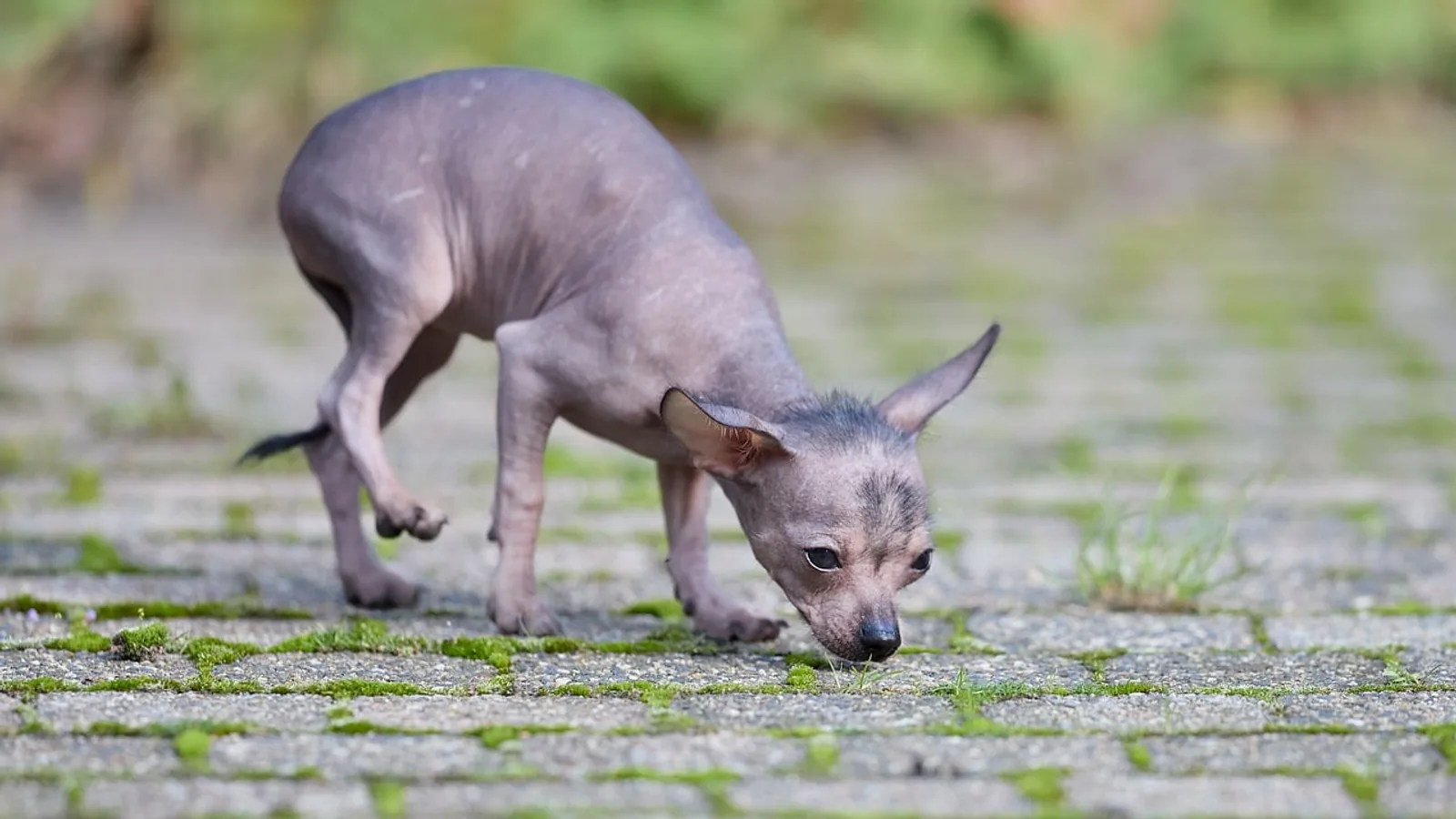
The Xoloitzcuintli, often called the Xolo or Mexican Hairless Dog, is one of the oldest recognizable dog breeds in the Americas and one of the most unusual in its biology. It comes in three sizes (toy, miniature, and standard) and in two coat varieties (hairless and coated), and it carries a genetic mutation that ties its lack of hair directly to its unusual dentition. The breed is calm, alert, and deeply bonded to its family, but it is not a low-maintenance dog. Hairless Xolos need lifelong skin protection, temperature management, and gentle, consistent handling. This article explains the breed's history, the science behind its hairlessness, and the practical care that keeps a Xolo healthy.
This article is educational and is not a substitute for veterinary diagnosis or treatment.
At a Glance
| Attribute | Detail |
|---|---|
| Breed name | Xoloitzcuintli (Mexican Hairless Dog, Xolo) |
| Varieties | Hairless and coated |
| Sizes | Toy, miniature, standard |
| Coat | Hairless (sparse hair on head, tail, feet) or short coated |
| Temperament | Calm, alert, loyal, reserved with strangers |
| Energy level | Moderate |
| Grooming | Low coat maintenance, high skin maintenance |
| Trainability | Responsive, needs gentle, consistent methods |
| Good with children | Best with respectful, older children |
| Good with other pets | Often yes with careful introduction |
| Lifespan | Long-lived breed |
The table reflects the general profile of the breed. Individual dogs vary, and a veterinarian who examines your dog can give more specific guidance.
History and Origin
The Xoloitzcuintli is a Mexican breed with a long history in that country. The name derives from Xolotl, the Mesoamerican deity associated with the dog, and the breed has been kept in Mexico for centuries. Historical museum samples of pedigreed hairless dog skulls have been used in modern genetic research, which confirms that the hairless dog type has been present and bred true for a very long time [1].
The breed's biology has made it valuable to science as well as to fanciers. Researchers have studied hairless descendants of the Mexican Hairless Dog as an animal model for human skin conditions because their skin characteristics approximate those of humans in several important ways [2]. This includes work on burn wound healing, hypertrophic scarring, percutaneous penetration, and dermatotoxicity [2][3][4][5]. That research history is one reason the breed's skin is so well documented in the veterinary literature.
The FOXI3 Mutation: Why Hairless Xolos Have Missing Teeth
The single most important fact about the Xolo is that its hairlessness is not a cosmetic trait. It is a form of ectodermal dysplasia, a developmental condition affecting tissues that arise from the ectoderm, including hair and teeth.
A 2008 study mapped the mutation responsible for this phenotype to a 102-kilobase pair interval on chromosome 17 and identified a frameshift mutation in the FOXI3 gene, a member of the forkhead box transcription factor family [6]. FOXI3 is specifically expressed in developing hair and teeth, which explains why the same mutation affects both [6]. The trait is inherited as a monogenic autosomal semidominant condition [6].
The dental consequences are significant and well described. A 2017 study using ancient DNA from pedigreed hairless dog skulls found that hairless dogs lost permanent canines, premolars, and to some extent incisors in both the upper and lower dentition [1]. The deciduous fourth premolars and the permanent first and second molars consistently lacked their distal and lingual cusps, leaving a single enlarged cusp in the basin-like heel of the tooth [1]. This molar shape is also seen in several living and fossil carnivorans and in the extinct order Creodonta, where it is associated with hypercarnivory [1].
Earlier breeding work reached the same conclusion from a different direction. A 1987 study of the Mexican Hairless Dog's morphology and inheritance found that the dogs were hairless and had defective teeth, and concluded that an autosomal dominant semi-lethal gene was responsible for the hairlessness accompanied by defective teeth [7]. The word "semi-lethal" matters. When two hairless dogs are bred together, the resulting embryos that inherit two copies of the mutation do not survive. This is why responsible breeders do not pair two hairless dogs.
The practical takeaway for owners is straightforward. A hairless Xolo will likely have an incomplete or abnormal set of teeth. This is expected for the breed and is not a sign of neglect or disease. It does mean that dental care, chewing, and diet may need to be adjusted with veterinary guidance.
Coated and Hairless Varieties
The breed comes in two coat types, and they are not interchangeable.
Hairless Xolos are the classic form. A 1991 histological study found that hairless dogs lacked most hairs except for sparse hairs on the head, tail, and feet [8]. The same study found that the skin of newborn pups consisted of a thick epidermis with epidermal ingrowths forming the rudiments of hair follicles, but in dogs older than two months the epidermis was thin and the ingrowths were few, and neither hair follicles nor skin glands were present [8]. The hairy skin of the head and tail, by contrast, had hair follicles with sebaceous glands [8].
That last point is easy to miss and it matters for care. The hairless areas of a Xolo have no hair follicles and no skin glands. There is no sebaceous film to protect the skin and no hair to buffer sun, cold, or contact irritants. The sparse tufts on the head, tail, and feet are the only regions with normal follicular and glandular anatomy.
Coated Xolos have a short coat and normal dentition. They do not carry the same dental and skin burden as their hairless littermates. A coated Xolo can be born in the same litter as a hairless puppy, and this is a normal consequence of the semidominant inheritance pattern [6][7].
Appearance
The Xolo is a sleek, athletic dog with a lean build and a long, wedge-shaped head. Hairless dogs show the skin directly, and adult hairless dogs may be clinically nonpigmented, lightly pigmented, or hyperpigmented with spotty pigmentation [9]. That pigmentation is attributable to melanin granules in the epidermis [9].
The three sizes are toy, miniature, and standard. The breed standard describes the same general proportions scaled to each size. The coated variety carries a short, flat coat.
One feature owners notice early is the skin itself. Lectin histochemistry studies have shown measurable differences in epidermal staining patterns between hairless and haired dogs in infancy, though those differences were not significant in adult epidermis [10]. In other words, the hairless dog's skin is not simply haired dog skin without hair. It develops differently from the start.
Temperament
Xoloitzcuintli temperament is best described as calm, alert, and intensely loyal. The breed is known for forming strong bonds with its primary people and for being reserved or watchful with strangers. This is a dog that wants to be with its family, not left alone in a yard.
Xolos are intelligent and responsive, but they are also sensitive. They do not respond well to harsh corrections. A Xolo that is handled roughly or punished unfairly will remember it. Positive reinforcement, short sessions, and consistency work far better than force.
The breed is generally good with children who have been taught to handle a dog gently. Because the hairless Xolo's skin is exposed and can be injured by scratching or rough play, supervision with young children is important. A Xolo is often fine with other pets when introductions are done carefully, but early socialization matters.
Xolos are also known for being vocal and for alerting to changes in their environment. This makes them good watchdogs but can be a problem in apartments if the behavior is not managed.
Exercise and Training Needs
The Xolo is a moderate-energy breed. It does not need the extreme exercise of a working or sporting breed, but it does need daily activity to stay fit and mentally settled. Walks, play, and training sessions are the core of a good routine.
Training should start early and stay positive. Because the breed is sensitive, a Xolo that is yelled at or jerked on a leash may become shut down or defensive. Short, frequent sessions with clear rewards work best. Socialization should begin in puppyhood and continue through the first year, with exposure to different people, places, sounds, and surfaces.
One training consideration is unique to the hairless variety. Because the skin is unprotected, a Xolo may be uncomfortable on hot pavement, rough ground, or cold surfaces. Training and exercise should be planned around the weather and the surface.
Grooming and Xolo Skin Care
Xolo skin care is the single most important part of owning a hairless Xolo, and it is where most new owners need the most guidance.
Sun Protection
The hairless Xolo has no coat to block ultraviolet light. A 1997 study exposed hairless descendants of Mexican Hairless Dogs to a high energy dose of ultraviolet rays (UVA and B) and documented the resulting injury [11]. Erythema and edema appeared in the irradiated skin at one day after irradiation, and blister formation occurred in most dogs at two days [11]. Erythema almost disappeared at five days, and by six days the skin had recovered to almost normal [11]. Microscopically, sunburn cells were seen at one day, followed by intercellular edema, blister formation in the epidermis, and dermal edema at two and three days [11]. Melanin granules that had been distributed through almost the whole length of the epidermis before irradiation were detected only in cells that appeared to be melanocytes afterward, and DOPA-positive melanocytes almost disappeared at one and two days before increasing above pre-irradiation levels at six days [11].
The clinical message is direct. Hairless Xolo skin burns, and the burn is visible and measurable. Sun exposure should be limited during peak hours, and protection should be used on exposed skin. Owners should ask their veterinarian which sunscreen is appropriate for their dog, because dogs can ingest topical products through grooming and licking.
Acne and Comedones
Hairless dogs are known to develop acne-like skin disease. A 1981 study of hairless dogs (Mexican Hairless crossed with Beagle) found clinical features of acne vulgaris, including open and closed comedones, milia, pustules, and abscesses [12]. Lipid analysis showed that comedones and milia had similar patterns, with free sterol, ceramides, and free fatty acids making up the bulk of the material, while skin surface samples contained mainly sterol esters and wax diesters with only trace ceramides [12]. Long chain fatty acids of 22 to 26 carbons made up 55 to 65 percent of the total in comedones but only 19 percent of skin surface samples [12].
This is a real, documented breed problem, not a cosmetic nuisance. Comedones and pustules on a hairless Xolo should be evaluated by a veterinarian. Do not squeeze or pick at them, because this can worsen inflammation and cause scarring.
Bathing
Gentle bathing is the foundation of routine Xolo skin care. Because the hairless skin lacks the sebaceous film that a coated dog has, it is more vulnerable to drying and irritation. Bathing should be gentle, with a mild product, and the skin should be dried carefully afterward.
The frequency depends on the individual dog, the climate, and how dirty the dog gets. A veterinarian can help set a schedule. Overbathing can strip what little barrier the skin has, so more is not better.
Avoiding Heavy Lotions and Harsh Products
Hairless dog skin is sensitive to topical products, and the research literature shows this clearly. A 2009 study of sunless tanning treatment with dihydroxyacetone in hairless descendants of Mexican Hairless Dogs found that skin color changes appeared within six hours of the first treatment, with maximal darkening between 12 and 24 hours [13]. After 21 days of treatment with 5 percent dihydroxyacetone, the skin developed irritant dermatitis, and the lesions became more severe over the study period [13]. Histopathology showed entire epidermal thickening at 21 days, and at 42 days the skin showed remarkable epidermal degeneration with hyperplastic and dyskeratotic changes and moderate inflammatory reactions in the dermis [13].
A 1998 study of all-trans-retinoic acid on hairless dog skin found that a 0.1 percent solution improved skin texture, wrinkling, and pigmentation after one month, but a 0.05 percent cream caused an intense adverse effect, retinoid dermatitis [14]. Histologically, the cream caused dyskeratotic changes in the stratum corneum, significantly increased epidermal and granular layer thickness, necrotic and edematous changes in the epidermis, and severe inflammatory reactions in the dermis [14].
A 1999 study of topical corticosteroids found that the severity of histologic skin changes depended on the potency of the corticosteroid [15]. The epidermis thinned prominently from one week after treatment, resulting in a flat dermis-epidermis junction, and lesions became progressively more severe by the end of treatment [15]. At two weeks after treatment stopped, the epidermis in sites treated with weaker steroids began to return to normal, while the epidermis treated with strong and very strong steroids became thinner, and at three to four weeks the dermis showed hyalinization of collagen bundles [15]. The authors noted that these findings are in accordance with steroid-induced skin atrophy in humans [15].
The practical conclusion is that hairless Xolo skin absorbs and reacts to topical products in ways that owners may not expect. Heavy lotions, human acne products, human anti-aging creams, and strong topical steroids should not be applied to a Xolo without veterinary direction.
Contact Reactions
Hairless dogs can develop contact hypersensitivity. A 2007 study of hairless descendants of Mexican Hairless Dogs housed in stainless steel cages found spontaneously occurring contact hypersensitivity, with patch tests showing positive reactions to potassium dichromate [16]. Early lesions were macules or papules that progressed to severe inflammatory dermatitis over the dorsum, and in the chronic phase there was lichenification, hyperkeratosis, hyperpigmentation, dryness, scaliness, and fissuring [16]. Removing contact with the stainless steel cages resulted in clinical improvement [16].
This is a useful reminder that a Xolo's skin can react to surfaces and materials in the home. If a hairless Xolo develops recurrent dermatitis on the trunk, contact exposure is one thing a veterinarian will consider.
Pigmentation Changes
Adult hairless dogs may develop spotty pigmentation, and this has been studied as a model for depigmenting agents [9]. A 1998 study treated spotty pigmentation with 3 percent hydroquinone for one month and found that treated skin began to depigment after one week, with depigmentation spreading over a quarter of the body after one month, and DOPA-positive melanocytes decreasing to less than about a fifth of pretreatment levels [9]. A 2004 study of kinetin found mild depigmentation and improvement in skin texture, wrinkling, and pigmentation over 50 to 100 days of topical treatment, with no adverse effects reported in treated sites [17].
These studies describe experimental treatments, not standard owner care. Owners should not apply depigmenting or anti-aging agents to their dog without veterinary guidance.
Temperature Sensitivity
The hairless Xolo has no coat for insulation. The same lack of hair that makes sunburn a risk makes cold a risk. Hairless dogs lose body heat quickly and can become uncomfortable or unsafe in cold weather. They should not be left outdoors in cold conditions, and many hairless Xolos need a coat or sweater in cool weather.
Heat is also a concern. Because the skin is directly exposed, hot pavement and direct sun can injure the skin and the paw pads. Exercise should be scheduled around temperature extremes.
Indoor temperature matters too. A Xolo that is comfortable in a warm home may become chilled at night or in air conditioning. Providing a warm bed and a blanket is a simple, effective measure.
Feeding Considerations
The Xolo's dental anatomy affects how it eats. Hairless dogs commonly lack permanent canines, premolars, and some incisors, and their molars have an altered cusp pattern [1]. This can make chewing harder on certain foods.
Owners should discuss diet with their veterinarian, especially for puppies and for dogs with significant tooth loss. Some hairless Xolos do well on regular kibble, while others may need softer food or a different kibble size. Dental checks should be part of routine wellness visits.
The breed does not have a documented breed-specific nutritional requirement beyond what any dog needs. Body condition, age, and activity level should guide feeding amounts.
Inherited and Common Health Problems
Dental and Ectodermal Disease
The FOXI3 mutation is the defining health feature of the hairless variety. Hairless dogs show a form of ectodermal dysplasia characterized by lack of hair and abnormal tooth morphology [1]. The dental phenotype includes loss of permanent canines, premolars, and some incisors, and altered molar cusps [1]. This is inherited, not acquired, and it is expected in hairless dogs.
Owners should plan for dental evaluations and discuss with their veterinarian how missing or abnormal teeth affect chewing, dental hygiene, and overall health.
Skin Disease
Hairless Xolo skin is prone to sunburn, irritant dermatitis, contact hypersensitivity, and acne-like disease [16][11][12][13]. These are documented in the breed and its descendants. Skin checks should be part of the routine at home and at veterinary visits.
Immune and Lymphoid Findings
A 1991 study found that hairless dogs had early atrophy of the thymus after birth, followed by poor accumulation of lymphocytes in the thymus-dependent areas of the spleen and mesenteric lymph nodes [8]. The authors noted that the thymus defect in the hairless dog appears different from that in athymic nude mice and rats, and that further studies are needed to clarify immune response and function in hairless dogs [8].
This finding does not mean every hairless Xolo is immunocompromised. It does mean the breed has documented differences in lymphoid tissue development, and owners should keep routine veterinary care current.
Bloodwork
A 1992 study compared hematological and serum biochemical values in hairless and haired descendants of the Mexican Hairless Dog [18]. Apart from red blood cell counts, hemoglobin concentrations, and packed cell volumes, which were slightly higher in the Mexican Hairless Dog descendants than in Beagles, there were no differences in hematological and serum biochemical findings between hairless and haired hybrids when compared with age-matched Beagles [18].
This is useful context for owners and veterinarians interpreting lab work. Slightly higher red cell values may be normal for the breed.
Systemic Lupus Erythematosus
A 2017 case report described a neutered male Mexican Hairless dog with generalized weight loss and weakness, thrombocytopenia, an interstitial to miliary lung pattern, and inflammatory polyarthropathy in three joints [19]. Lupus erythematosus cells and ragocytes were found in bronchoalveolar lavage fluid, and the antinuclear antibody titer was 1:640 [19]. A clinical diagnosis of systemic lupus erythematosus was made based on major and minor criteria, the positive antinuclear antibody titer, and the presumed lupus erythematosus cells in the lavage fluid [19].
This is a single case report, so it does not establish a breed predisposition. It is included here because it documents a serious immune-mediated disease in the breed and because owners should know that vague signs such as weight loss, weakness, and joint swelling warrant veterinary evaluation.
Hypertrophic Scarring
A 2011 study found that hairless dogs developed hyperpigmented and hypertrophic scars after full-thickness wounds, with scars that did not extend beyond the original wound margins [4]. The split epidermal sheet showed an increased number of DOPA-positive melanocytes with well-developed dendrites, while there were very few DOPA-positive melanocytes in repaired skin of haired dogs [4]. The authors noted that experimental hypertrophic scars in hairless dogs have morphologic properties similar to human hypertrophic scars [4].
For owners, this means that wounds and surgeries in hairless Xolos may heal with more visible scarring. Veterinary guidance on wound care matters.
Wound Healing
A 1997 study compared superficial and deep dermal burns in hairless descendants of Mexican Hairless Dogs and normal Beagles [2]. The hairless dogs demonstrated less contraction, and small pigmented spots appeared in the wounds, suggesting that epithelialization started from epidermal appendages [2]. Superficial dermal burns treated with Vaseline gauze and hydrocolloid dressings both epithelialized on day 18, while deep dermal burns treated with hydrocolloid dressings epithelialized on day 24 compared with day 30 for Vaseline gauze [2]. The authors noted that, like human wounds, burns in these dogs epithelialize from appendages with less wound contraction [2].
This is research context. Owners should not manage burns at home. Any significant burn or wound in a Xolo needs veterinary care.
Recommended Screening
There is no single validated breed-wide screening panel for the Xolo. A veterinarian can recommend screening based on the individual dog's age, size, and history. Reasonable components of a wellness plan include a full physical examination with skin and dental assessment, routine bloodwork, and dental evaluation. Owners should ask their veterinarian which tests are appropriate for their dog.
Lifespan
The Xolo is a long-lived breed. Individual lifespan depends on size, genetics, and care. Owners should maintain routine wellness visits throughout the dog's life, with more frequent monitoring as the dog ages.
Finding a Responsible Breeder or Rescue
A responsible Xolo breeder should be able to discuss the FOXI3 mutation and its consequences, including the semi-lethal inheritance pattern that makes breeding two hairless dogs unsafe [6][7]. A breeder should also be honest about the dental and skin realities of the hairless variety.
Buyers should ask about the parents' health, dental status, and skin history. They should see the puppies in a clean environment and meet at least the mother. They should ask what health testing has been done and whether the breeder will provide a written health agreement.
Rescue is a strong option for this breed. Xolos are sometimes surrendered when owners are unprepared for the skin and temperature care. Breed-specific rescue organizations and general rescue groups can connect adopters with dogs that need homes.
Who Should Not Get This Breed
The Xolo is not right for every household. People who want a dog they can leave outdoors for long periods should not choose a hairless Xolo, because the breed cannot tolerate sun, cold, or heat the way a coated dog can. People who want a dog with minimal hands-on care should also look elsewhere, because Xolo skin care is a daily commitment.
Households with very young children who cannot be taught to handle a dog gently may find a hairless Xolo a poor fit, because the exposed skin is easily scratched. People who travel frequently or work long hours away from home may also struggle, because the breed is strongly bonded to its family and does not do well with isolation.
Finally, anyone unwilling to work with a veterinarian on skin, dental, and temperature management should not get a hairless Xolo. The breed is rewarding, but it is not low-maintenance.
Limitations and When to Contact a Veterinarian
This article is educational and is not a substitute for veterinary diagnosis or treatment. Individual dogs vary, and only a veterinarian who examines your dog can give specific advice.
Contact a veterinarian promptly if your Xolo has any of the following:
- New or worsening skin lesions, including redness, blisters, crusts, scaling, or open sores
- Comedones, pustules, or abscesses on the skin
- Hair loss beyond the breed's normal pattern, or hair loss on the coated variety
- Signs of sunburn, including redness, swelling, or pain after sun exposure
- Signs of cold exposure, including shivering, weakness, or lethargy
- Weight loss, weakness, or decreased appetite
- Joint swelling, stiffness, or reluctance to move
- Bleeding, loose teeth, or difficulty eating
- Any wound or burn that is larger than a minor scrape
- Vomiting, diarrhea, or other gastrointestinal signs that persist
Do not apply human skin products, acne treatments, anti-aging creams, or strong topical steroids to a Xolo without veterinary direction. The breed's skin reacts to topical agents in ways that are documented in the research literature [13][15][14].
Frequently Asked Questions
What is a Mexican Hairless Dog?
The Mexican Hairless Dog, or Xoloitzcuintli, is a Mexican breed that comes in toy, miniature, and standard sizes and in hairless and coated varieties. Its hairlessness is caused by a FOXI3 mutation that also affects tooth development [6][1].
Are Xoloitzcuintli dogs good family pets?
Xolos are calm, loyal, and bonded to their families, and they can do well with children who handle them gently. Their exposed skin makes rough play a risk, so supervision matters.
Do hairless Xolos have teeth problems?
Yes. Hairless dogs commonly lack permanent canines, premolars, and some incisors, and their molars have an altered cusp pattern because of the FOXI3 mutation [1]. This is expected for the hairless variety.
How do you take care of a Xolo's skin?
Gentle bathing, sun protection, temperature management, and avoidance of harsh topical products are the core of Xolo skin care. A veterinarian can help set a routine.
Can a Xolo dog get sunburned?
Yes. Research on hairless descendants of the Mexican Hairless Dog documented erythema, edema, and blister formation after high-dose ultraviolet exposure [11]. Hairless Xolo skin needs sun protection.
Do Xolos have acne?
Hairless dogs can develop acne-like skin disease with comedones, milia, pustules, and abscesses [12]. Any such lesions should be evaluated by a veterinarian.
Are Xolos good in cold weather?
No. Hairless Xolos lack a coat for insulation and lose heat quickly. They should not be left outdoors in cold conditions and often need a coat in cool weather.
What is the difference between a hairless and a coated Xolo?
Hairless Xolos carry the FOXI3 mutation and have sparse hair on the head, tail, and feet with no hair follicles or skin glands on the body, plus abnormal dentition [1][8]. Coated Xolos have a short coat and normal dentition.
Related Articles
- Maltese Dog: Complete Guide to Care, Grooming, and Temperament
- Bernese Mountain Dog Care, Health, Temperament, Size and Lifespan
- Newfoundland Dog: Gentle Giant Breed Guide, Temperament & Care
- How To Skin A Dog
- Pitbull Dog Breed Guide: Temperament, Care, and Common Myths Debunked
- Bernese Mountain Dog: Complete Breed Guide, Temperament, and Care Tips
- Wolf Dog Hybrids: Temperament, Health, and Legal Reality
- Whippet Dog Breed Guide: Temperament, Exercise, and Daily Care
- Teddy Bear Dogs: Breeds, Size, Temperament, and Health
Sources
- The dental phenotype of hairless dogs with FOXI3 haploinsufficiency.
- A burn wound healing model in the hairless descendant of the Mexican hairless dog.
- Animal models of percutaneous penetration: comparison between Mexican hairless dogs and man.
- Hairless descendants of Mexican hairless dogs: an experimental model for studying hypertrophic scars.
- Dermatotoxicity of agricultural chemicals in the dorsal skin of hairless dogs.
- A mutation in hairless dogs implicates FOXI3 in ectodermal development.
- The Mexican hairless dog, its morphology and inheritance.
- Microscopic observations of skin and lymphoid organs in the hairless dog derived from the Mexican hairless.
- Efficacy of hydroquinone in the treatment of cutaneous hyperpigmentation in hairless descendants of Mexican hairless dogs (Xoloitzcuintli).
- Lectin histochemistry on the skin of hairless descendants of Mexican hairless dogs.
- The skin injury induced by high energy dose of ultraviolet in hairless descendants of Mexican hairless dogs.
- A comparison of comedonal and skin surface lipids from hairless dogs showing clinical signs of acne.
- Contact dermatitis caused by sunless tanning treatment with dihydroxyacetone in hairless descendants of Mexican hairless dogs.
- Effects of all-trans-retinoic acid on the dorsal skin of hairless dogs.
- Dorsal skin reactions of hairless dogs to topical treatment with corticosteroids.
- Contact hypersensitivity to stainless steel cages (chromium metal) in hairless descendants of mexican hairless dogs.
- Depigmentation and rejuvenation effects of kinetin on the aged skin of hairless descendants of Mexican hairless dogs.
- Haematological and serum biochemical values in hairless and haired descendants of Mexican hairless dogs.
- Presumed lupus erythematosus cells identified in bronchoalveolar lavage fluid from a Mexican Hairless dog.