Shih Tzu Poodle Mix: Breed and Care Guide
By Dr. Zubair Khalid, DVM, MS, PhD ·
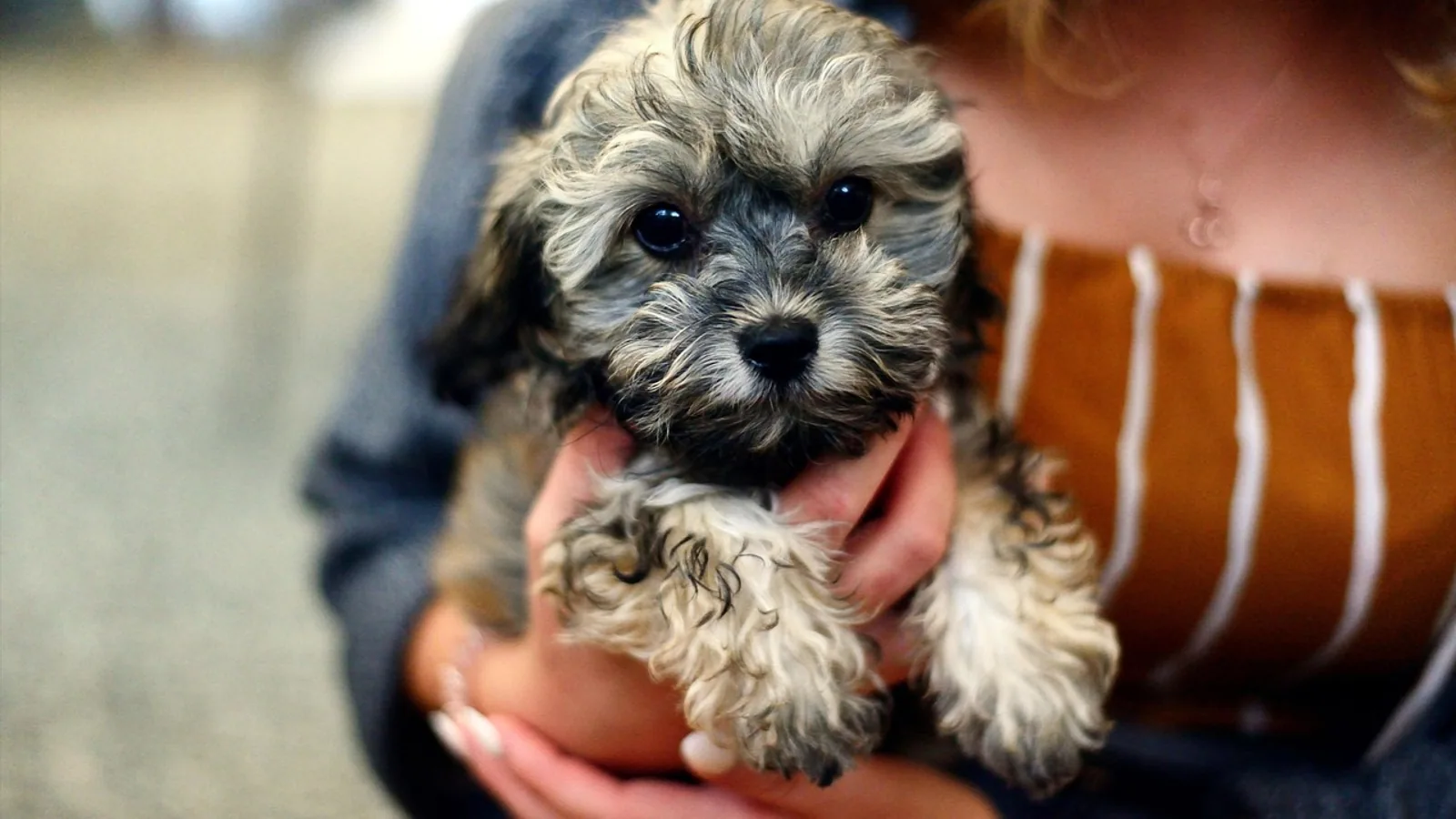
A shih tzu poodle mix is a cross between a Shih Tzu and a Poodle, usually a Toy or Miniature Poodle. The cross also goes by shih-poo, pooshi, and similar nicknames. These dogs are not a recognized breed with a standard. They are a designer crossbreed, and litters can vary widely in size, coat, shedding, and temperament depending on which parent traits the puppies inherit.
That variability matters for owners. A shih tzu poodle mix may have the flat face and long double coat of a Shih Tzu, the curly coat and longer legs of a Poodle, or a blend of both. One puppy in a litter can shed heavily while another sheds very little. This guide covers the parent breeds, what the cross typically needs, and the inherited health problems that owners and veterinarians should watch for.
This article is educational and is not a substitute for veterinary diagnosis or treatment.
At a Glance
| Trait | What to Expect |
|---|---|
| Parent breeds | Shih Tzu and Poodle (Toy or Miniature) |
| Adult weight | Not predictable. Parent ranges: Shih Tzu about 4 to 7.5 kg. Toy Poodle about 2 to 4 kg, Miniature Poodle about 5 to 9 kg |
| Coat | Variable. Can be long, straight, and double-coated like a Shih Tzu, curly and low-shedding like a Poodle, or a mix |
| Shedding | Variable between littermates. Not a guaranteed low-shedding dog |
| Temperament | Often affectionate and people-focused. Shih Tzu lines are typically companion dogs. Poodle lines are typically alert and trainable |
| Energy level | Usually moderate. Toy and Miniature Poodles are active and enjoy play and short walks |
| Grooming | High. Both parent coats need regular brushing and professional trimming |
| Trainability | Often good, especially with Poodle influence. Shih Tzu lines can be more independent |
| Good with children | Often yes with gentle, supervised handling. Small size makes rough play risky |
| Good with other pets | Often yes with early socialization |
| Lifespan | Not standardized for the cross. Small companion breeds commonly live into the double digits |
A note on weight. Because the cross is not a breed, no source can give a reliable adult weight for a shih-poo. The table lists the parent ranges as a reference point only. Your puppy's adult size depends on the sizes of both parents and on which traits the puppy inherits.
What Is a Shih Tzu Poodle Mix?


The shih tzu poodle mix is a first-generation (F1) cross, meaning one parent is a Shih Tzu and the other is a Poodle. F1 crosses are the most common type sold by breeders. Because the two parents come from very different breed backgrounds, the puppies in a single litter can look and behave quite differently from one another.
Some puppies take more after the Shih Tzu parent. These tend to have flatter faces, shorter legs, longer backs, and long straight coats. Others take more after the Poodle parent. These tend to have longer muzzles, longer legs, and curly coats. Many are a blend.
This is the key point for anyone researching dog breeds that combine a Shih Tzu and a Poodle. There is no breed standard, no predictable coat type, and no guaranteed adult size. Reputable breeders and owners should describe what they actually see in a specific litter rather than promising a fixed result.
History and Purpose of Both Parent Breeds
The Shih Tzu
The Shih Tzu is an old companion breed developed to live closely with people. It was bred as a lap dog and house pet rather than a working dog. That history shows in the modern breed. Shih Tzus are typically affectionate, people-oriented, and content with indoor life and short walks.
The breed is brachycephalic, meaning it has a short, flat-faced skull shape. In a large UK study of dogs under primary veterinary care, 17.6% of dogs were classified as brachycephalic based on breed characteristics [1]. Brachycephaly is the reason Shih Tzus are prone to breathing problems, eye problems, and heat intolerance.
The Shih Tzu carries a long double coat that grows continuously and needs regular grooming. The breed is small, commonly about 4 to 7.5 kg. A study of hypothyroidism in UK dogs found the Shih Tzu was among the breeds least likely to be diagnosed with the condition, with an odds ratio of 0.38 compared with the general dog population [2]. That is a protective association, not a guarantee for any individual dog.
The Poodle
The Poodle comes in three sizes: Toy, Miniature, and Standard. The cross described here uses the Toy or Miniature. Toy Poodles are the smallest, generally around 2 to 4 kg. Miniature Poodles are larger, generally around 5 to 9 kg. Both are curly-coated, active, and highly trainable.
Poodles were originally developed as water retrievers. The smaller sizes became popular companion dogs. Toy and Miniature Poodles tend to be alert, bright, and responsive to training. Their coats are dense and curly and need regular grooming to prevent matting.
The Poodle and its crosses are increasingly common. In the same UK demographic study, the Cockapoo was the third most common breed among dogs under one year of age, at 6.2% of that group [1]. This shows how popular poodle crosses have become and how many of them are now seen in general practice.
Why the Cross Exists
The shih-poo was created to combine the Shih Tzu's affectionate, low-energy companion nature with the Poodle's curly coat and trainability. Many buyers are drawn to the idea of a small, affectionate dog with a lower-shedding coat. That expectation is only partly reliable. Coat type and shedding vary between puppies in the same litter.
Appearance of the Shih Tzu Poodle Mix
Appearance varies more than in a purebred dog. The main features to expect are a small body, a coat that ranges from wavy to curly to long and straight, and a face that may be flatter (Shih Tzu influence) or longer (Poodle influence).
Coat color varies widely. There is no standard, so any color seen in either parent breed can appear.
Because the Shih Tzu is brachycephalic, some shih-poo puppies inherit a flatter face. A flatter face increases the risk of breathing and eye problems. When you meet a litter or an adult dog, look at the muzzle length. A longer muzzle usually means less brachycephalic risk. A very flat face means the dog may struggle with breathing, heat, and exercise.
Temperament and Behavior
Temperament in a crossbreed is not fixed. Puppies may inherit the calm, affectionate, companion-focused nature of the Shih Tzu, the alert, energetic, trainable nature of the Poodle, or a blend.
What Owners Commonly Report
Shih-poos are often described as friendly, social, and attached to their people. Shih Tzu lines tend to be content with less exercise. Poodle lines tend to be busier and need more mental stimulation. A dog with strong Poodle influence may be more likely to bark at sounds or new people.
Shih Tzu lines can be more independent and slower to obey. This is not stubbornness in a medical sense. It reflects the breed's history as a companion rather than a working dog.
Socialization
Early, positive socialization helps any crossbreed. Introduce puppies to different people, sounds, surfaces, and gentle handling. Because these dogs are small, they are easy to carry and can become anxious if they are rarely exposed to new situations.
Children and Other Pets
Many shih-poos do well with children and other pets when interactions are gentle and supervised. Their small size is the main safety concern. Young children can accidentally drop, squeeze, or step on a small dog. Teach children to sit on the floor to hold the dog and to avoid picking it up without help.
Exercise and Training Needs
Exercise
Exercise needs depend on the individual dog and on how brachycephalic it is. A dog with a longer muzzle and more Poodle influence can usually handle regular walks and play. A dog with a very flat face may tire quickly and struggle in heat.
Follow your dog's lead. Stop exercise if you see heavy panting, noisy breathing, or reluctance to keep moving. Flat-faced dogs should exercise in the cooler parts of the day and avoid hot, humid conditions.
Training
Poodle influence usually means good trainability. These dogs often respond well to reward-based training, short sessions, and mental games. Shih Tzu influence can mean a more independent dog that needs patience and consistent, gentle repetition.
Keep training positive. Harsh methods can make a small, sensitive dog fearful. Short, frequent sessions work better than long ones.
Mental Stimulation
Both parent breeds benefit from mental activity. Puzzle feeders, simple trick training, and supervised sniffing walks keep dogs busy. A bored Poodle-influenced dog may bark, chew, or pace.
Grooming the Shih Tzu Poodle Mix
Grooming is one of the biggest commitments with this cross. Both parent coats need regular care.
Coat Care
The Shih Tzu has a long double coat that grows continuously. Without regular brushing, it mats and traps debris. The Poodle has a dense curly coat that also mats if not maintained. A shih-poo may inherit either coat, or a mix.
Plan on brushing several times a week, and more often for a longer coat. Use a slicker brush and a metal comb to reach the undercoat. Pay attention to the areas that mat first: behind the ears, under the collar, in the armpits, and around the tail base.
Professional Grooming
Most shih-poos need professional grooming every few weeks to a few months, depending on coat length. A groomer can trim the coat, clip around the eyes and paws, and clear mats. Dogs with very flat faces need gentle handling during grooming because they can struggle to breathe when stressed or lying on their backs.
Shedding
Shedding varies between individual dogs. A shih-poo with a Poodle-type coat often sheds less, but no crossbreed is a guaranteed low-shedding or hypoallergenic dog. Anyone with allergies should spend time with the specific dog before committing.
Ears, Eyes, Nails, and Teeth
Check the ears weekly and clean them as your veterinarian advises. Poodle-influenced dogs with floppy or hairy ears can develop ear infections. Small dogs often need their nails trimmed regularly because they do not wear them down on walks.
Dental care matters for small breeds. Brush the teeth with dog-safe toothpaste and ask your veterinarian about professional dental cleaning. Small dogs are prone to dental disease.
Feeding Considerations
Feed a complete and balanced diet appropriate for your dog's age, size, and activity level. Small-breed and toy-breed formulas are widely available and are designed for smaller mouths and higher energy needs per kilogram of body weight.
Because adult size cannot be predicted for a crossbreed, ask your veterinarian to assess your puppy's body condition at each visit. Body condition scoring is a better guide than a fixed amount on a bag. Adjust portions based on whether your dog is gaining too much or too little weight.
Puppies need puppy food until they reach their adult size. Your veterinarian can advise when to transition to adult food based on your dog's growth and body condition.
Avoid feeding from a high position if your dog has a flat face. Some flat-faced dogs swallow air while eating, which can worsen breathing and digestion. Ask your veterinarian for feeding advice if your dog eats quickly or struggles to breathe while eating.
Inherited and Common Health Problems
Both parent breeds carry inherited conditions. A crossbreed can inherit problems from either side. This is the single most important reason to buy from a breeder who screens the parent dogs and to have your own dog examined regularly.
Brachycephalic Obstructive Airway Syndrome (BOAS)
This is the main risk inherited from the Shih Tzu side. Brachycephalic dogs have shortened skulls, which can narrow the airway. Affected dogs may snore, snort, wheeze, or struggle to breathe during exercise or in heat. Severe cases can cause collapse.
In the UK demographic study, 17.6% of dogs were brachycephalic based on breed characteristics [1]. The Shih Tzu is one of the breeds contributing to that group. A shih-poo with a flatter face is at higher risk.
Signs to watch for include noisy breathing at rest, gagging, exercise intolerance, and trouble settling at night. These signs should be assessed by a veterinarian. Weight management and avoiding heat and overexertion help, and some dogs need surgery.
Keratoconjunctivitis Sicca (KCS)
KCS, also called dry eye, is a common eye problem in Shih Tzus. The tear glands do not produce enough tears, and the eye becomes dry, painful, and prone to infection and ulceration. Signs include redness, discharge, squinting, and a dull or cloudy eye surface.
KCS is diagnosed with a tear test and managed with tear-stimulating medications and lubricants. It usually needs lifelong treatment. Any shih-poo with red or squinting eyes should be seen promptly, because untreated dry eye can damage the cornea permanently.
Shih Tzus are also prone to other eye conditions because their eyes are large and set shallowly in the socket. Corneal ulcers and eyelid problems can occur. Protecting the eyes and checking them often matters.
Patellar Luxation
Patellar luxation is a common orthopedic problem in small breeds. The kneecap slips out of its groove, which causes a skip or hop in the back leg. It can be intermittent at first and then become more frequent.
A recent study of small-breed dogs with grade II medial patellar luxation found differences in the shape of the knee joint compared with unaffected dogs [3]. This supports the idea that joint conformation plays a role. The condition can lead to lameness and arthritis over time.
Mild cases are often managed with weight control and exercise. More severe cases may need surgery. Ask your veterinarian to check the knees at every wellness visit.
Progressive Retinal Atrophy (PRA)
PRA is an inherited eye disease that affects the Poodle side. It causes gradual degeneration of the retina and leads to vision loss, often starting with night blindness. There is no cure. Dogs with PRA may adapt well if the home environment is kept consistent.
Because PRA is inherited, breeding dogs should be screened. Reputable Poodle breeders test their breeding dogs, and you should ask about eye screening in the parent dogs of any shih-poo litter.
Legg-Calve-Perthes Disease
Legg-Calve-Perthes disease causes the head of the femur to degenerate, leading to hip pain and lameness. It occurs mainly in small and toy breeds, including Toy Poodles. Affected dogs often show stiffness, difficulty jumping, or reluctance to bear weight on a hind leg. Surgery is a common treatment.
Addison's Disease
Addison's disease (hypoadrenocorticism) is a disorder of the adrenal glands that causes weakness, vomiting, diarrhea, and sometimes collapse. It is seen more often in some breeds, including Poodles. It is diagnosed with blood tests and is managed with lifelong medication.
Addison's can be mistaken for other illnesses because the signs are vague. Repeated episodes of weakness or digestive upset in a young to middle-aged small dog should prompt testing.
Other Conditions to Monitor
The Poodle is a common parent of designer crosses, and poodle crosses are now very numerous in general practice [1]. General monitoring should include dental disease, obesity, and ear infections, all of which are common in small companion dogs.
Some breeds are protected from certain diseases, and some are predisposed. Hypothyroidism, for example, is diagnosed at an annual prevalence of about 0.23% in dogs overall, with some breeds at much higher risk and some breeds at lower risk [2]. The Shih Tzu was among the protected breeds in that study. This kind of information can guide which conditions your veterinarian prioritizes during screening, but it does not predict what any one dog will develop.
Recommended Screening and Monitoring
Ask your veterinarian which tests suit your dog based on age, breed mix, and signs. Reasonable items to discuss include:
- A full physical examination at least once a year, and more often for senior dogs.
- Airway assessment if the dog has a flat face or noisy breathing.
- Eye examination and a tear test if there is any redness, squinting, or discharge.
- Knee and hip checks during wellness visits.
- Blood work to screen for endocrine and metabolic disease as your dog ages.
- Dental checks and professional cleaning as needed.
A Note on Inherited Disease Research
Much of what veterinarians know about inherited disease comes from human and animal genetics research. For example, inherited disorders of iron and heme metabolism are a recognized group of conditions that can cause persistent anemia and need structured diagnosis [4]. Inherited retinal disorders are another well-studied group, and research shows they can affect vision and daily function in affected individuals [5]. Inherited metabolic disorders can present with neurological signs and are identified through screening and targeted testing [6]. These examples show why genetic and screening information matters when you choose a dog and plan its care.
Lifespan
There is no standard lifespan for a crossbreed. Small companion breeds often live into the double digits, and many shih-poos live long lives with good care. Lifespan depends on genetics, body condition, dental health, and how well inherited conditions are managed.
Keeping your dog at a healthy weight, maintaining dental care, and attending regular veterinary visits are the practical steps that support a longer, healthier life.
Finding a Responsible Breeder or Rescue
Because the shih-poo is not a recognized breed, there is no breed club standard to check. You have to assess the breeder directly.
Questions to Ask a Breeder
- Can I meet the mother, and if possible the father?
- What health screening have the parent dogs had, especially for eyes, knees, and breathing?
- How would you describe the coat and shedding in this specific litter?
- How would you describe the muzzle length and breathing in this litter?
- What vaccinations, deworming, and veterinary checks has the litter had?
- Can I see the puppies' living conditions and their socialization?
What to Look For
A responsible breeder is honest about variability. They should not promise a fixed adult weight, a guaranteed coat type, or a hypoallergenic dog. They should be willing to show you the parents and the puppies' environment and to provide veterinary records.
Avoid breeders who cannot show the parents, who sell puppies from multiple litters at once without records, or who make health guarantees they cannot support.
Rescue and Adoption
Shih-poos and other poodle crosses appear in shelters and breed-specific rescues. Adopting an adult dog has an advantage: you can see its adult size, coat, and temperament rather than guessing from a puppy. A rescue can often tell you about the dog's health history and behavior in a home.
If you adopt, arrange a veterinary visit soon after bringing the dog home. The veterinarian can check for the conditions described above and set up a preventive care plan.
Who Should Not Get a Shih Tzu Poodle Mix
This cross is not right for everyone. Think carefully before choosing one if any of the following apply to you.
- You want a guaranteed low-shedding or hypoallergenic dog. Coat and shedding vary, and no crossbreed is guaranteed.
- You want a predictable adult size. The size depends on the parents and the individual puppy.
- You are not prepared for regular grooming. Both parent coats need frequent brushing and professional trimming.
- You live in a hot climate and want an active outdoor dog. A flat-faced shih-poo may struggle with heat and exercise.
- You have very young children who cannot handle a small dog gently.
- You cannot commit to regular veterinary care. Small breeds need dental care, eye checks, and monitoring for joint and breathing problems.
- You want a dog that needs no training or mental stimulation. Poodle-influenced dogs especially need engagement.
Limitations and When to Contact a Veterinarian
Every dog is an individual. A crossbreed can inherit conditions from either parent or from neither. Your veterinarian can assess your specific dog and build a care plan for it.
Contact a veterinarian promptly if your dog has any of the following:
- Noisy breathing at rest, gagging, or struggling to breathe during exercise or in heat.
- Collapse, fainting, or severe weakness.
- Red, cloudy, squinting, or discharge-filled eyes.
- A sudden change in vision, bumping into objects, or reluctance to move in dim light.
- Limping, skipping on a back leg, or reluctance to jump or climb stairs.
- Repeated vomiting, diarrhea, or episodes of weakness that come and go.
- Bad breath, drooling, dropping food, or visible tartar and gum redness.
- A new lump, weight loss, or a change in appetite or drinking.
- Any signs that worry you, even if they seem minor.
For breathing and eye problems, do not wait. These can worsen quickly in flat-faced and small-breed dogs.
Frequently Asked Questions
What is a shih tzu poodle mix?
A shih tzu poodle mix is a cross between a Shih Tzu and a Poodle, usually a Toy or Miniature Poodle. It is a designer crossbreed, not a recognized breed with a standard.
Do shih tzu poodle mixes shed?
Shedding varies between individual dogs. Some inherit more of the Poodle coat and shed less, while others inherit the Shih Tzu double coat and shed more. No crossbreed is a guaranteed low-shedding dog.
Are shih-poos hypoallergenic?
No. There is no guaranteed hypoallergenic dog, and coat and shedding vary widely in this cross. Anyone with allergies should spend time with the individual dog before deciding.
How big does a shih tzu poodle mix get?
Adult size is not predictable for this cross. It depends on the size of the parent dogs and on which traits the puppy inherits from the Shih Tzu or the Poodle.
What health problems do shih-poos have?
They can inherit problems from either parent breed. These include brachycephalic airway syndrome, dry eye, patellar luxation, progressive retinal atrophy, Legg-Calve-Perthes disease, and Addison's disease.
How much grooming does a shih tzu poodle mix need?
A lot. Both parent coats need frequent brushing and regular professional trimming to prevent matting. Ear, nail, and dental care are also part of the routine.
Are shih tzu poodle mixes good with children?
Many are good with children when interactions are gentle and supervised. Their small size means rough play can cause injury, so children should be taught how to handle them.
How long do shih tzu poodle mixes live?
There is no standard lifespan for the cross. Small companion breeds often live into the double digits. Lifespan depends on genetics, weight, dental care, and management of any inherited conditions.
Related Articles
- Shih Tzu Lifespan Diet and Preventive Care Guide
- Shih Tzu Health Guide: Genetic Risks, Joint Care & Lifespan
- Shih Tzu Feeding Guide: Calorie Targets & Sensitive Stomach Food
- Shih Tzu Health Problems: Brachycephalic Eye Disease and Kidney Stones
- Poodle Lifespan Diet and Preventive Care Guide
- Poodle Health Guide: Genetic Risks, Joint Care & Lifespan
- Bully Pit Mix: Breed Traits, Health, and Care
- Lab Shepherd Mix: Traits, Health, and Care Guide
Sources
- Dog breeds and conformations in the UK in 2019: VetCompass canine demography and some consequent welfare implications.
- Frequency, breed predispositions and other demographic risk factors for diagnosis of hypothyroidism in dogs under primary veterinary care in the UK.
- Morphometric assessment of the femoral trochlea, patella and patellar ligament in small breed dogs with and without grade II medial patellar luxation.
- Inherited microcytic anemias due to disorders of iron and heme metabolism: An updated clinical review.
- Visual field and driving performance of individuals with inherited retinal disorders: a scoping review.
- Spectrum of inherited metabolic disorders diagnosed through newborn screening and symptomatic referrals in Eastern Türkiye.