Bully Pit Mix: Breed Traits, Health, and Care
By Dr. Zubair Khalid, DVM, MS, PhD ·
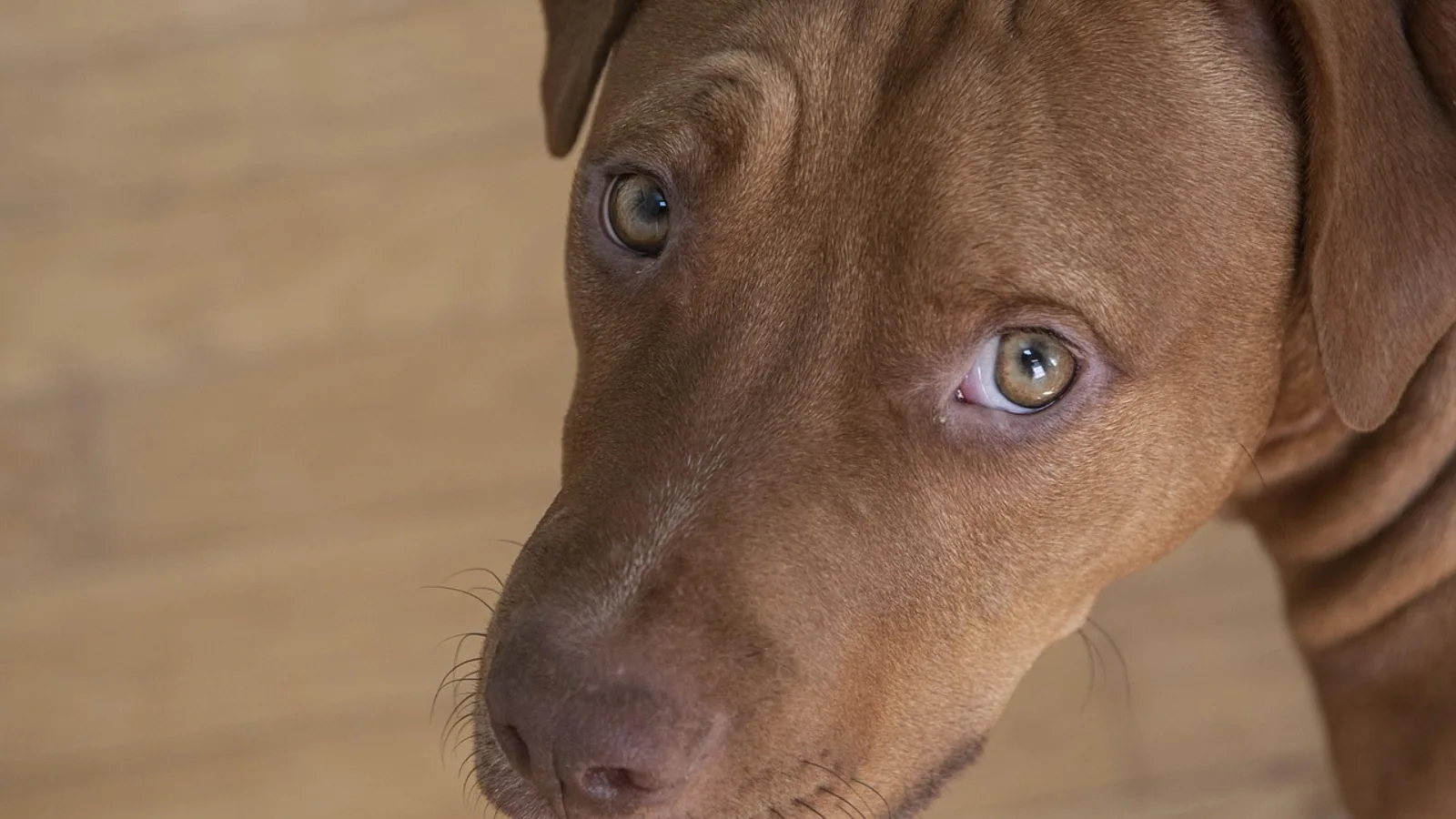
A bully pit mix is a cross between a Bully breed (American Bully, American Pit Bull Terrier, Staffordshire Bull Terrier, American Staffordshire Terrier, or a similar stocky, muscular dog) and another breed, most often a Pit Bull type, a Bulldog, or a French Bulldog. The mix is not a breed. There is no breed standard, no closed gene pool, and no registry that defines what a bully pit mix should look like or how it should behave. What you get depends almost entirely on which two dogs were bred, and even within one litter the puppies can vary widely in size, head shape, coat, and temperament.
That variability is the single most important fact for anyone considering one of these dogs. A bully pit mix from two athletic, long-legged parents may run 55 lb and need two hours of hard exercise a day. A bully pit mix with a French Bulldog or English Bulldog parent may weigh 35 lb, have a flat face, and struggle to breathe in summer heat. Both dogs might be sold under the same label. The adult body weight for most bully pit mixes falls between 30 and 60 lb, but larger individuals can exceed 100 lb when a heavy Bully or Mastiff-type parent is involved.
This guide covers what the cross actually is, how to read the traits you can expect, the health problems that matter most (brachycephalic airway syndrome, skin fold dermatitis, and hip and elbow dysplasia), and how to feed, exercise, and screen a dog you already own or plan to bring home.
This article is educational and is not a substitute for veterinary diagnosis or treatment.
At a Glance
| Trait | Typical range for a bully pit mix |
|---|---|
| Height | 13 to 24 inches at the shoulder, depending on parent breeds |
| Weight | 30 to 60 lb typical, can exceed 100 lb |
| Coat | Short, smooth, single coat in most mixes |
| Colors | Any, including brindle, fawn, blue, black, white, and merle |
| Lifespan | 10 to 14 years in most crosses |
| Energy level | Moderate to high, 1 to 2 hours of daily activity |
| Grooming | Low, weekly brushing plus skin fold care if folds are present |
| Trainability | High food and toy drive, responds well to reward-based training |
| Good with children | Often yes with supervision and training |
| Good with other pets | Variable, depends on prey drive and early socialization |
| Brachycephalic risk | High if a flat-faced parent was used |
| Common screening | Hip and elbow radiographs, airway grading, skin fold checks |
What a Bully Pit Mix Actually Is
The name "bully pit mix" is a marketing term, not a breed. It usually describes a dog with at least one Bully breed parent and at least one Pit Bull type parent, though many dogs sold as bully pit mixes are actually American Bullies, American Staffordshire Terriers, or unregistered mixes of several stocky breeds. Because the term is loose, two dogs labeled the same way can look and act nothing alike.
A bully pit bull mix that leans toward the American Pit Bull Terrier side tends to be lean, athletic, and tall, with a longer muzzle and a strong drive to run and play. A bully and pitbull mix that leans toward the American Bully or Bulldog side tends to be shorter, heavier, and broader, with a wider chest, a shorter muzzle, and more skin around the face and neck. A pitbull bully mix that includes French Bulldog or English Bulldog ancestry will often have a flat face, a short nose, and the breathing problems that come with that head shape.
This matters for health planning. The single biggest predictor of what your dog will need is not the label on the adoption paperwork. It is the shape of the skull, the length of the legs, the depth of the chest, and the amount of loose skin on the face. Those features determine airway risk, joint stress, and skin care needs.
Origin and Purpose
Bully breeds were developed from older Bulldog and terrier stock for a mix of farm work, guarding, and, in some lines, blood sports that are now illegal in the United States and most of the world. Modern American Bullies and American Staffordshire Terriers are companion dogs bred for temperament and appearance. The bully pit mix as a category grew out of the popularity of these dogs as family pets and the demand for a stocky, athletic dog with a calm house manner.
There is no documented breed history for the mix itself because it is not a breed. What exists is a set of parent breeds with well-known traits, and the mix inherits a blend of those traits. When you buy or adopt a bully pit mix, you are choosing a dog whose adult size, energy, and health profile you can only partly predict.
Appearance
Most bully pit mixes have a short, smooth coat that sheds moderately year round. Colors vary widely and include brindle, fawn, blue, black, white, and merle. Eye color ranges from dark brown to amber to blue. Ears may be rose, half-pricked, or fully erect. Tails are usually long and may be carried low or curled.
The head is where the mix shows its parentage most clearly. A dog with a longer muzzle and a visible stop looks more like a Pit Bull type. A dog with a short muzzle, wide skull, and heavy facial folds looks more like a Bully or Bulldog type. The second type carries a higher risk of brachycephalic airway syndrome, which is covered in detail below.
Temperament and Behavior
Temperament in a crossbreed is a mix of genetics, early socialization, and training. Bully breeds as a group are often described as confident, people-oriented, and eager to work for a reward. Many bully pit mixes are affectionate with their families, enjoy physical closeness, and do well with structured training.
Prey drive varies. A bully mix pitbull with strong terrier ancestry may chase small animals, including cats and small dogs, if not socialized and trained from a young age. A pitbull mix bully with more Bulldog ancestry may be lower energy and less driven to chase. There is no reliable way to predict prey drive from appearance alone.
Dog-to-dog sociability also varies. Some bully pit mixes are social and easygoing with other dogs. Others are selective or same-sex aggressive. Early, positive socialization during the first 16 weeks of life, continued through adolescence, gives the best chance of a socially confident adult. Reward-based training that builds impulse control is the standard approach recommended by the American Veterinary Medical Association and the American Animal Hospital Association.
Behavior is not fixed at birth. A dog's adult behavior reflects genetics plus environment, and the environment is something an owner controls. Structured exercise, predictable routines, and reward-based training do more for a bully pit mix's behavior than any breed label.
Exercise Needs
Plan for 1 to 2 hours of daily activity for a healthy adult bully pit mix. That can be split into two or three sessions: a brisk morning walk, a midday play or training session, and an evening walk or structured game. Mental work counts. Nose work, obedience drills, and puzzle feeders tire a dog as effectively as running.
Exercise tolerance depends on body shape. A lean, long-legged bully pit mix can usually handle jogging, hiking, and extended fetch. A flat-faced bully pit mix with a short muzzle cannot. Brachycephalic dogs have a reduced ability to cool themselves during exercise because the shortened nasal passages provide less surface area for heat exchange. In one controlled study, brachycephalic dogs warmed faster than normocephalic dogs during a standardized treadmill run, and the rise in body temperature correlated with head shape and skull measurements [1]. The same study noted that both groups cooled at similar rates afterward, which points to the problem being heat gain during exertion rather than heat loss after it.
Practical rules for a flat-faced bully pit mix:
- Exercise in the early morning or late evening during warm months.
- Keep sessions short and watch for noisy breathing, increased effort, or a sudden stop.
- Never exercise a dog that is already struggling to breathe at rest.
- Provide shade and water at all times.
- Avoid prolonged, high-intensity activity in heat and humidity.
For a dog with a longer muzzle and a normal airway, the main risks of under-exercise are weight gain and boredom. Both feed into joint stress and behavior problems. A dog that gets 1 to 2 hours of daily activity is easier to keep at a healthy weight and easier to live with.
Exercise and Airway Disease
Brachycephalic obstructive airway syndrome (BOAS) is a progressive condition caused by anatomical abnormalities in the upper airway. These include stenotic nares (narrowed nostrils), an elongated or thickened soft palate, everted laryngeal saccules, and laryngeal collapse. The result is increased airway resistance and turbulent airflow, which in turn causes secondary airway changes [2]. Clinical signs include noisy breathing, snoring, and exercise intolerance, and these signs may be present at rest or brought out by exercise [2].
A dog with BOAS should be assessed by a veterinarian before starting or increasing an exercise program. Exercise tolerance testing and careful respiratory auscultation are part of how veterinarians grade severity [2]. If your dog makes loud airway noise during mild activity, that is a reason to book an appointment, not to push harder.
Grooming and Skin Care
A bully pit mix has a short, single coat that needs little beyond weekly brushing and routine bathing. The bigger grooming job is skin fold care. Dogs with heavy facial, neck, or tail folds trap moisture, warmth, and debris in the fold, which creates an environment for bacterial and yeast overgrowth. This is skin fold dermatitis, also called intertrigo.
Signs of skin fold dermatitis include redness, moisture, a sour or musty odor, dark discharge, hair loss over the fold, and scratching or rubbing at the area. The face, lips, neck, armpits, groin, and the area under a tightly curled tail are common sites.
Daily or every-other-day care for a dog with deep folds:
- Lift each fold gently and check the skin underneath.
- Wipe with a veterinarian-recommended cleanser or medicated wipe.
- Dry the fold thoroughly after cleaning and after swimming or bathing.
- Keep the dog at a healthy weight, since extra fat deepens folds.
- Ask your veterinarian about a maintenance routine if folds are recurrently inflamed.
Do not use human acne products, alcohol, or hydrogen peroxide in skin folds unless a veterinarian specifically recommends them. These can dry and irritate the skin and make the problem worse.
Nail trims every three to four weeks, ear checks weekly, and dental care are the rest of the routine. The AAHA Dental Care Guidelines recommend daily tooth brushing as the standard for home dental care, with professional cleaning as needed.
Feeding and Weight Management
Feed a complete and balanced diet formulated for the dog's life stage, and measure portions rather than free-feeding. The single most useful feeding tool for a bully pit mix is a body condition score. A dog at a healthy weight has ribs you can feel easily without pressing, a visible waist from above, and a tucked belly from the side.
Weight matters more in this cross than in many others. Obesity is a recognized risk factor for BOAS severity, and a study of pugs with BOAS found that body condition score was positively associated with tongue fat volume, while dogs with severe BOAS had greater laryngeal fat than dogs with moderate disease [3]. The authors concluded that weight management and strategies to reduce regional fat accumulation may help mitigate the condition [3]. A parallel finding across 14 brachycephalic breeds was that higher body condition score was one of three factors significantly correlated with BOAS, along with nostril stenosis and a lower craniofacial ratio [4].
For a dog with joint disease, keeping weight at the lean end of normal reduces load on the hips and elbows. For a flat-faced dog, keeping weight down reduces the fat that crowds an already narrow airway. In both cases, the goal is the same: a lean, well-muscled dog.
Treats should be counted in the daily calorie total. If you use food rewards for training, which is the recommended approach, subtract that amount from meals. A veterinarian can calculate a target calorie range based on your dog's weight, body condition score, and activity level.
Do not feed raw or home-cooked diets without veterinary supervision. Commercial complete and balanced diets are the standard because they meet established nutrient profiles. If you want to cook for your dog, work with a veterinarian or a board-certified veterinary nutritionist to build a balanced recipe.
Inherited and Common Health Problems
The health risks of a bully pit mix depend on the parent breeds. A mix with a flat-faced parent carries brachycephalic airway risk. A mix with a heavy, stocky build carries joint risk. A mix with loose skin carries skin fold risk. Screening and early management change outcomes.
Brachycephalic Airway Syndrome
BOAS is the most serious airway condition in flat-faced dogs. The anatomical abnormalities lead to increased airway resistance and turbulent airflow, which cause secondary airway changes over time [2]. Signs include snoring, noisy breathing, exercise intolerance, and increased respiratory effort. Veterinarians grade severity using exercise tolerance tests, respiratory auscultation, and identification of increased respiratory effort [2].
BOAS is not limited to a few breeds. A study across 14 brachycephalic breeds found that almost every breed had some detectable level of breathing abnormality, and only the Maltese and Pomeranian had no dogs with clinically significant disease [4]. The three factors significantly correlated with BOAS across the study population were higher body condition score, nostril stenosis, and a lower craniofacial ratio (a more extreme flat face) [4].
The condition has systemic effects, not just airway ones. A case-control study of 52 brachycephalic dogs found that dogs with BOAS grades 2 and 3 had higher hematocrit, and all grades showed elevated leukocyte counts, creatinine, alpha-1-acid glycoprotein, haptoglobin, and arterial carbon dioxide pressure compared with mesocephalic dogs [5]. Total protein was higher in grades 1 through 3, and albumin was lower in all BOAS grades [5]. These findings show that BOAS severity tracks with measurable changes in blood work and inflammation markers, not just with how loud the dog breathes.
Heart rhythm is also affected. A study using 24-hour Holter monitoring found that dogs with BOAS had significantly higher heart rate variability indices than controls during the 24-hour analysis, and sleep was associated with higher values in all groups [6]. The clinical meaning for owners is that BOAS is a whole-body condition that warrants monitoring, not just a cosmetic feature of a flat face.
Surgical correction addresses the anatomical obstructions and can improve outcomes. A longitudinal study of dogs that had BOAS surgery found that long-term respiratory functional grades and BOAS index values were improved compared with preoperative values, with no difference between short-term and long-term assessments [7]. Owner satisfaction was high, with 55 percent of owners reporting their dog no longer had breathing problems and 39 percent reporting the dog still had some breathing problems [7]. Surgery is not a cure, and some dogs need more than one procedure.
Postoperative risk is real. A review of 297 dogs undergoing BOAS surgery found that 12 dogs (4 percent) died before discharge, and major complications occurred in 29 dogs (10 percent) [8]. Major complications were strongly associated with emergent presentation, female sex, high-grade laryngeal collapse, and a history of regurgitation or vomiting [8]. This is why early assessment and planned surgery, rather than emergency surgery, matter.
Anesthetic management in brachycephalic dogs is a specialty in itself. Studies describe techniques such as nasotracheal oxygen supplementation to support recovery in high-risk brachycephalic dogs, with success associated with larger tube sizes [9]. If your dog needs any procedure under anesthesia, choose a practice experienced with brachycephalic patients and discuss the airway plan in advance.
Skin Fold Dermatitis
Skin fold dermatitis is inflammation and infection in the skin within a fold. It is common in dogs with heavy facial, neck, body, or tail folds. The fold traps moisture and heat, and the skin surfaces rub together. Bacteria and yeast then overgrow.
Signs include redness, moisture, odor, discharge, hair loss, and itching at the fold. Diagnosis is usually clinical, and a veterinarian may take a skin sample to identify the organisms involved. Treatment typically involves cleaning, drying, and topical or systemic medication depending on severity. Recurrence is common if the fold anatomy is not managed, and in severe cases a veterinarian may discuss surgical fold reduction.
Prevention is daily care. Keep folds clean and dry, keep the dog at a healthy weight, and treat flare-ups early rather than waiting.
Hip and Elbow Dysplasia
Hip dysplasia is abnormal development of the hip joint that leads to laxity, cartilage damage, and osteoarthritis. Elbow dysplasia is a similar problem in the elbow, caused by abnormal development of the joint structures. Both are common in stocky, heavy-boned dogs, and both are influenced by genetics, growth rate, and body weight.
Signs include stiffness after rest, difficulty rising, reluctance to jump or climb stairs, a bunny-hopping gait in the rear, decreased activity, and pain when the hip or elbow is manipulated. Some dogs show no obvious signs until osteoarthritis is advanced.
Screening is done with radiographs. The Orthopedic Foundation for Animals (OFA) evaluates hip and elbow radiographs and assigns grades, and the PennHIP method provides a distraction index that estimates hip laxity. For a bully pit mix, ask the breeder for OFA or PennHIP results on both parents. If you are adopting an adult dog of unknown background, a veterinarian can assess gait and joint mobility at a wellness visit and recommend radiographs if there are concerns.
Management of dysplasia includes weight control, controlled exercise, physical rehabilitation, pain medication as prescribed, and in some cases surgery. The goal is to slow osteoarthritis progression and keep the dog comfortable.
Other Conditions to Discuss With Your Veterinarian
- Allergic skin disease, which is common in Bully breeds and can overlap with skin fold problems.
- Ear infections, especially in dogs with narrow ear canals or heavy ear folds.
- Dental disease, which is common in flat-faced dogs because of crowded teeth and a short muzzle.
- Heart disease, which can be primary or secondary to chronic airway obstruction.
- Hypothyroidism, which can contribute to weight gain and skin problems.
Any of these should be evaluated by a veterinarian rather than managed at home.
Health-Risk Table
| Condition | Typical signs | Screening or monitoring |
|---|---|---|
| Brachycephalic obstructive airway syndrome (BOAS) | Snoring, noisy breathing, exercise intolerance, increased respiratory effort, gagging, regurgitation | Veterinary airway grading with exercise tolerance testing and respiratory auscultation [2]. Blood work may show elevated hematocrit, leukocytes, creatinine, acute phase proteins, and PaCO2 with higher grades [5]. 24-hour Holter can assess heart rate variability [6] |
| Skin fold dermatitis | Redness, moisture, odor, discharge, hair loss, itching in skin folds | Visual and hands-on exam of all folds at every wellness visit. Skin cytology if infection is suspected |
| Hip dysplasia | Stiffness after rest, difficulty rising, reluctance to jump, rear-limb lameness | OFA hip radiographs or PennHIP distraction index. Gait and mobility assessment at annual exams |
| Elbow dysplasia | Front-limb lameness, stiffness, reluctance to exercise, pain on elbow manipulation | OFA elbow radiographs. Gait and joint assessment at annual exams |
| Obesity | Ribs hard to feel, no visible waist, fat over the tail base | Body condition score at every visit. Weight trend tracking |
| Dental disease | Bad breath, tartar, red gums, drooling, dropping food | Oral exam at every wellness visit. Professional cleaning as recommended |
| Allergic skin disease | Itching, redness, recurrent ear or skin infections, hair loss | Skin exam and history. Allergy testing or trial therapy as directed by a veterinarian |
| Ear infection | Head shaking, ear odor, discharge, pain when ears are touched | Otoscopic exam at wellness visits and whenever signs appear |
Screening and Preventive Care
Preventive care for a bully pit mix follows the AAHA Wellness Guidelines and the AVMA pet-owner resources. The core elements are:
- Annual wellness exam, or twice yearly for seniors and dogs with chronic conditions.
- Core vaccines per the current AAHA vaccination guidelines, plus non-core vaccines based on lifestyle and risk.
- Year-round parasite prevention following Companion Animal Parasite Council guidelines for heartworm, intestinal parasites, fleas, and ticks.
- Dental care with daily brushing and professional cleaning as recommended.
- Body condition scoring at every visit.
- Airway assessment at every visit for flat-faced dogs.
- Hip and elbow radiographs for breeding dogs, and for any dog showing lameness or stiffness.
- Baseline blood work as your veterinarian recommends, especially before anesthesia.
For a dog with BOAS, follow-up timing depends on severity and whether surgery was performed. A veterinarian will set the recheck schedule. For a dog with skin fold dermatitis, rechecks are typically scheduled until the flare resolves, then maintenance care continues at home.
Living With Breed Restrictions
Breed-specific legislation and housing and insurance restrictions affect bully pit mixes directly, and owners should know the landscape before they bring a dog home.
Some cities and counties in the United States have breed-specific ordinances that restrict or ban dogs described as Pit Bulls or Bully breeds. These laws vary by jurisdiction and change over time. The AVMA opposes breed-specific legislation and supports dangerous-dog laws that focus on behavior rather than breed. Before adopting, check local ordinances, homeowner association rules, and rental property policies.
Homeowners insurance and renters insurance may exclude or surcharge dogs of certain breeds or mixes. Some insurers ask about breed at the time of application. If you already have a policy, review the terms before adding a dog. If you rent, get written approval from the landlord and confirm the property's pet policy in writing.
These restrictions are a practical burden, not a reflection of the dog's behavior. A well-socialized, well-trained bully pit mix is a family dog. The label on the paperwork is what triggers the restriction, and owners should plan for it.
Finding a Responsible Breeder or Rescue
Because the bully pit mix is not a breed, there is no breed club standard or registry to check. That makes the breeder or rescue even more important.
For a breeder:
- Ask for OFA or PennHIP results on both parents for hips and elbows.
- Ask about airway health in the parent dogs, especially if either parent is flat-faced.
- Ask to meet the dam and, if possible, the sire.
- Ask about socialization practices and what the puppies are exposed to before going home.
- Ask for a written health guarantee and a contract that includes a return clause.
- Walk away from anyone who will not show you the parents or the conditions the dogs live in.
For a rescue or shelter:
- Ask what is known about the dog's background, age, and health history.
- Ask whether the dog has been assessed for airway noise, skin folds, and mobility.
- Ask about behavior with other dogs, cats, and children if those are part of your household.
- Ask whether the dog has been treated for parasites and is current on vaccines.
- Request a veterinary exam within the first week of adoption.
A responsible source will be transparent about health and behavior and will not pressure you to decide on the spot.
Who Should Not Get a Bully Pit Mix
A bully pit mix is not the right dog for every household. Think carefully if any of the following apply.
- You cannot commit 1 to 2 hours a day to exercise and training.
- You live in a jurisdiction or building with breed restrictions you cannot change.
- You cannot afford routine preventive care plus the possibility of airway or joint treatment.
- You want a dog that will be reliably low-energy and low-maintenance without daily engagement.
- You cannot supervise interactions with small children or other pets.
- You are not prepared for the possibility of a flat-faced dog with lifelong breathing management needs.
A bully pit mix can be an excellent family dog for an active, prepared owner. It can also be a poor fit for a household that wants a dog to be self-sufficient. The decision should be based on the individual dog, not the label.
Limitations and When to Contact a Veterinarian
This article covers general information about the bully pit mix as a crossbreed. It cannot predict the health or behavior of any individual dog. Every dog needs a veterinarian who knows its history and can examine it in person.
Contact a veterinarian promptly if your bully pit mix shows any of the following:
- Noisy breathing at rest, or breathing that gets worse with mild activity.
- Blue or gray gums, collapse, or fainting.
- Difficulty breathing that does not improve when the dog is calm and cool.
- Regurgitation or vomiting, especially after eating or during excitement.
- Redness, odor, discharge, or pain in a skin fold.
- Lameness, stiffness that does not resolve with rest, or reluctance to rise.
- A sudden drop in activity or appetite.
- Weight gain that pushes the dog above a healthy body condition score.
- Any new lump, wound, or swelling.
- Signs of pain, including whining, pacing, or guarding a body part.
For a flat-faced bully pit mix, any breathing change is worth a call. BOAS is progressive, and early assessment gives more options.
Frequently Asked Questions
What is a bully pit mix?
A bully pit mix is a cross between a Bully breed and a Pit Bull type or another stocky breed. It is not a recognized breed, so size, appearance, and temperament vary with the parent dogs.
How big does a bully pit mix get?
Most adult bully pit mixes weigh 30 to 60 lb. Larger individuals can exceed 100 lb when a heavy Bully or Mastiff-type parent is involved. Height typically ranges from 13 to 24 inches at the shoulder.
Do bully pit mixes have breathing problems?
Only if a flat-faced parent was used. A bully pit mix with a short muzzle and narrow nostrils can develop brachycephalic obstructive airway syndrome. A mix with a longer muzzle and normal airway usually does not.
How much exercise does a bully pit mix need?
Plan for 1 to 2 hours of daily activity. Split it into walks, play, and training sessions. Flat-faced dogs need shorter, cooler sessions and close monitoring for breathing difficulty.
Are bully pit mixes good with children?
Many are affectionate and people-oriented, and do well with children when supervised and trained. Behavior depends on the individual dog, its early socialization, and the household rules. Always supervise young children with any dog.
What health screening should a bully pit mix have?
Hip and elbow radiographs, an airway assessment if the dog is flat-faced, and a skin fold exam at every wellness visit. Baseline blood work and dental assessment are also part of routine care.
How long do bully pit mixes live?
Most live 10 to 14 years. Lifespan depends on body size, weight management, airway health, and joint health. Dogs kept lean and active tend to live longer and stay more comfortable.
Are bully pit mixes banned anywhere?
Some cities and counties in the United States have breed-specific ordinances, and some insurers and landlords restrict certain breeds or mixes. Check local laws, insurance terms, and housing policies before adopting.
Related Articles
- Pitbull Dog Breed Guide: Temperament, Care, and Common Myths Debunked
- Hairless Cat: Care, Health, and Breed Guide
- Pitbull Dog: Health, Behavior, and Responsible Ownership
- Cat Breeds: How to Choose a Cat by Care Needs, Health, and History
- Norwegian Forest Cat: Breed Guide, Health, and Care Tips
- Dog Breeds: Health Guide and Care Tips for Popular Types
- Pitbull Labrador Mix: Traits, Health, and Care
Sources
- [[Thermoregulation as a factor in the pathophysiology of the brachycephalic upper airway syndrome in dogs].](https://pubmed.ncbi.nlm.nih.gov/41063656/)
- Brachycephalic Obstructive Airway Syndrome: Grading, Assessment, and Treatment.
- Regional airway fat distribution and its association with brachycephalic obstructive airway syndrome severity in pugs with varying body condition.
- A cross-sectional study into the prevalence and conformational risk factors of BOAS across fourteen brachycephalic dog breeds.
- Evaluation of systemic consequences of brachycephalic obstructive airway syndrome in dogs.
- Heart rate variability in dogs with brachycephalic obstructive airway syndrome evaluated during wakefulness and sleep.
- Comparison of short- and long-term objective respiratory outcomes after surgery for brachycephalic obstructive airway syndrome.
- Development of a predictive model for estimation of postoperative risk following brachycephalic obstructive airway syndrome surgery.
- Nasotracheal oxygen supplementation facilitates anesthetic recovery in high-risk brachycephalic dogs.