Olde English Bulldogge: Health and Care Guide
By Dr. Zubair Khalid, DVM, MS, PhD ·
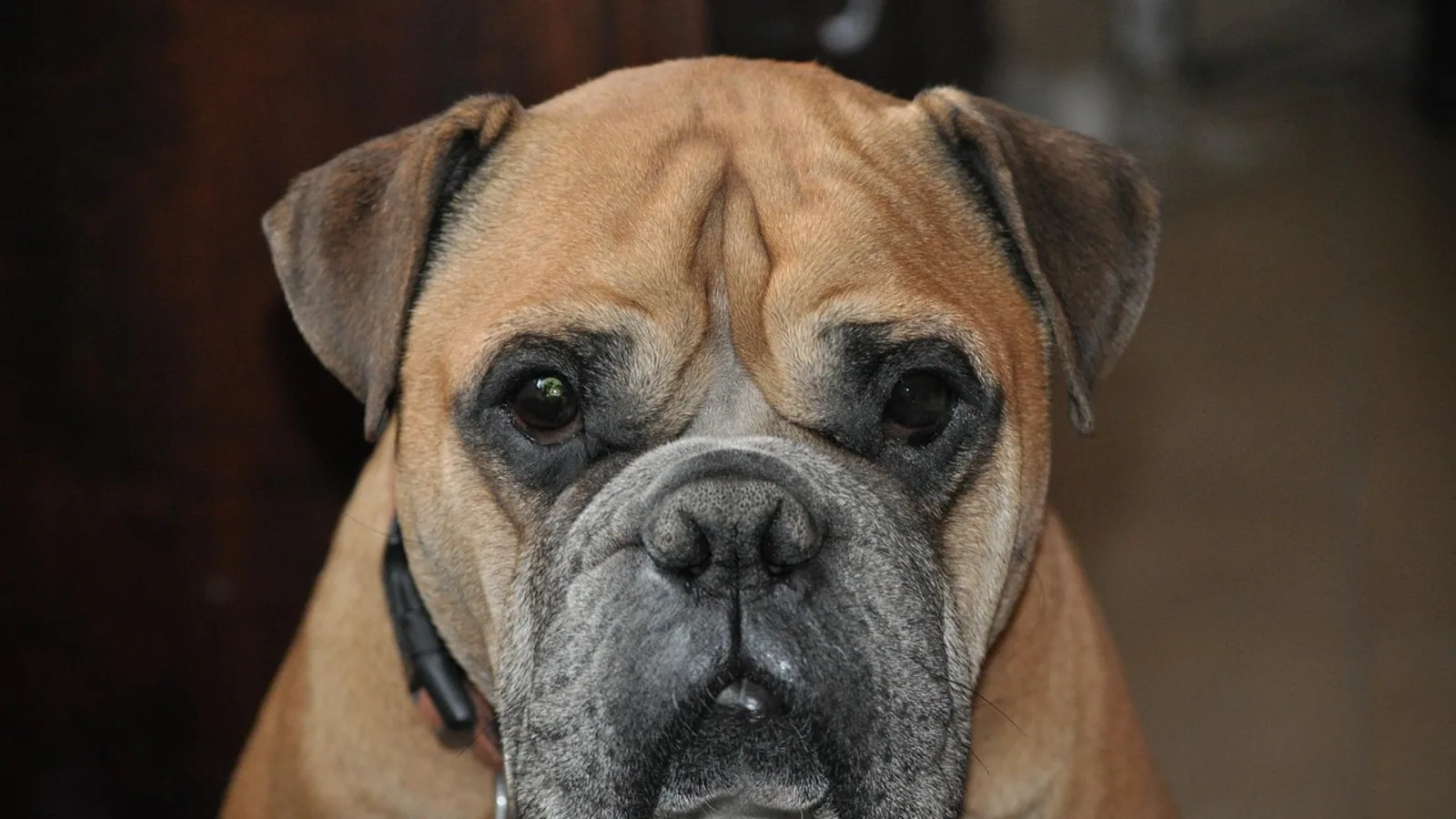
The Olde English Bulldogge is a medium-to-large, muscular companion breed developed in the United States in the late twentieth century to recreate the athletic working bulldog of the eighteenth and nineteenth centuries. Breeders selected for a longer muzzle, a wider airway, straighter limbs, and greater exercise tolerance than the modern English Bulldog. That goal has partly succeeded, and many Olde English Bulldogges breathe and move more freely than their English cousins. The breed is still brachycephalic, however, and the same categories of disease that affect flat-faced dogs, including airway obstruction, hip and elbow dysplasia, patellar luxation, and skin fold dermatitis, remain real risks. Owners searching for an "old British bulldog" or "old British bull dog" are usually looking for exactly this animal: a bulldog with working-dog proportions rather than exaggerated flat-faced features.
This guide separates the breed standard from the health reality. It covers the anatomy behind brachycephalic obstructive airway syndrome, the joint and skin conditions that appear in the breed, and a preventive schedule built around airway assessment before anesthesia, weight control, exercise limits in heat, and screening radiographs.
This article is educational and is not a substitute for veterinary diagnosis or treatment.
At a Glance
| Attribute | Typical Range |
|---|---|
| Height (male) | 17 to 20 inches at the withers |
| Height (female) | 16 to 19 inches at the withers |
| Weight (male) | 60 to 80 pounds |
| Weight (female) | 50 to 70 pounds |
| Coat | Short, straight, close |
| Color | Fawn, brindle, piebald, and combinations |
| Lifespan | 9 to 14 years |
| Energy level | Moderate |
| Grooming | Low, with attention to facial folds |
| Trainability | Moderate to high, food motivated |
| Good with children | Yes, with supervision |
| Good with other pets | Often, with early socialization |
Height and weight figures reflect the breed's working-bulldog type. Individual dogs vary, and body condition matters more than the number on the scale.
History and Purpose
The Olde English Bulldogge was developed in the 1970s by a Pennsylvania breeder who wanted to reverse the extreme conformational changes that had accumulated in the English Bulldog. The original bulldog of the British Isles was an athletic, agile dog used for bull-baiting and later for farm work. When that sport was outlawed in the nineteenth century, the breed was reshaped by show breeders into a heavier, shorter-faced, wider-bodied dog. The Olde English Bulldogge project used English Bulldog, American Pit Bull Terrier, Bullmastiff, and American Bulldog ancestry to rebuild a dog with a functional muzzle, a straighter front, and a more balanced frame.
The breed is recognized by several registries and remains a working-line and companion-line animal rather than a single closed show breed. That history matters for health. A breed under active development with multiple foundation lines has more genetic diversity than a closed breed, but it also has less standardized health data. Owners should ask breeders for screening results rather than assuming that a longer muzzle means the dog is free of brachycephalic disease.
Appearance
The Olde English Bulldogge is a balanced, muscular dog with a broad chest, a strong neck, and a level back. The head is large but not as exaggerated as the English Bulldog. The muzzle is short but visible, typically one to two inches long, and the nose is set forward rather than pushed back into the face. The jaw is wide and the bite is usually undershot. The eyes are medium-sized and set wide. The ears are rose or button shaped and set high.
The coat is short, straight, and close to the body. Common colors include fawn, brindle, piebald, and combinations of these. Grooming needs are minimal, but the facial folds and the tail pocket require regular cleaning.
Temperament
The breed is described as confident, alert, and affectionate with family. Most Olde English Bulldogges are steady with children and tolerant of handling, which makes them suitable for active households. They retain some dog-aggression potential from their bull-and-terrier ancestry, so early socialization and structured training matter. They are strong enough to pull an adult off balance and should be taught loose-leash walking from the first months of life.
They are not high-drive working dogs. They enjoy a daily walk, a play session, and time with their people. They are poor candidates for long-distance running, especially in warm weather, because of their airway anatomy.
Exercise and Training Needs
Exercise should be moderate and consistent. Two walks of 20 to 40 minutes per day suit most adults, with shorter sessions for puppies and seniors. Puppies should not be asked to run long distances or jump repeatedly until their growth plates close, which typically happens around 12 to 18 months in a breed of this size.
Heat is the single most important exercise variable. Dogs with brachycephalic anatomy cannot cool themselves efficiently because they rely on panting, and panting requires unobstructed airflow through the nose, nasopharynx, and larynx. A study of brachycephalic dogs found that even after corrective airway surgery, operated dogs remained significantly less fit than unaffected controls, which confirms that airway disease leaves a lasting functional deficit [1]. Practical guidance is to walk in the early morning or late evening and to keep sessions short when the temperature rises above roughly 24 degrees Celsius (about 75 degrees Fahrenheit). Watch for loud breathing, a purple tongue, or a refusal to keep moving, and stop immediately if any appear.
Training should be positive and reward-based. The breed responds well to food and praise. Short sessions of five to ten minutes, repeated two or three times a day, work better than long sessions. Because the breed can be stubborn, consistency matters more than intensity.
Grooming
Grooming is straightforward. A rubber curry brush once or twice a week removes loose hair. Bathing every four to eight weeks is enough for most dogs. The critical grooming tasks are the facial folds, the tail pocket, and the ears.
Facial folds should be wiped daily with a soft cloth or veterinary-approved wipe and dried thoroughly. Moisture trapped in a fold creates the warm, dark environment where bacteria and yeast overgrow. Skin fold dermatitis is a genuine risk in this breed, and daily cleaning is the cheapest prevention available. Tail pockets, the deep fold of skin around a tightly curled tail, need the same attention. Ears should be checked weekly and cleaned when waxy.
Feeding Considerations
Feed a complete and balanced commercial diet formulated for the dog's life stage. Puppies need a large-breed puppy formula with controlled calcium and phosphorus to support skeletal development. Adults do well on a large-breed maintenance diet. Seniors may benefit from a formula with joint support.
Portion control matters more than the specific brand. The breed is prone to obesity, and excess weight increases load on dysplastic hips and elbows and worsens breathing effort. Body condition scoring, done by feel at the ribs and waist, is the most reliable guide. A dog with a visible waist and easily felt ribs is at a healthy weight. A dog with a thick fat pad over the ribs is not.
Do not free-feed. Measure meals and adjust based on body condition at each veterinary visit. Avoid feeding immediately before or after vigorous activity, and avoid large single meals, which increase the risk of bloat in deep-chested dogs.
Inherited and Common Health Problems
Brachycephalic Obstructive Airway Syndrome
Brachycephalic obstructive airway syndrome (BOAS) is the most important health problem in the breed. The Olde English Bulldogge was developed for a longer muzzle and better breathing than the English Bulldog, but the breed is still brachycephalic, and BOAS still occurs. The condition is not a single defect. It is a collection of anatomical abnormalities that together increase resistance to airflow.
The four components most commonly described are:
- Stenotic nares. The nostrils are narrowed, sometimes to a slit. Air must be pulled through a smaller opening, which increases negative pressure throughout the upper airway.
- Elongated soft palate. The soft palate extends past the tip of the epiglottis and partially blocks the opening to the trachea. Air rushing past the palate causes vibration, inflammation, and swelling, which worsens the obstruction.
- Everted laryngeal saccules. Chronic negative pressure pulls the laryngeal saccules, small pouches inside the larynx, outward into the airway. Once everted, they add to the blockage and can progress to laryngeal collapse.
- Tracheal hypoplasia. The trachea is narrower than normal for the dog's size. A computed tomography study of brachycephalic breeds found that a smaller tracheal perimeter was a significant contributor to the BOAS index in bulldogs specifically [2]. A separate pilot study confirmed that bulldogs are predisposed to tracheal hypoplasia and evaluated ultrasound as a screening method for tracheal diameter [3].
Laryngeal collapse is a staged condition. A study of 80 dogs undergoing BOAS surgery found that 18.75 percent had no collapse, 57.5 percent had stage I, 16.25 percent had stage II, and 7.5 percent had stage III, and that higher stages were associated with increased postoperative complications [4]. Laryngeal granulomas, sometimes called vocal fold granulomas, are another finding in brachycephalic dogs and consist of granulation tissue rather than true tumors [5].
The classic signs of BOAS are:
- Stridor. A loud, harsh, high-pitched sound on inhalation, caused by turbulent airflow through a narrowed airway.
- Exercise intolerance. The dog tires quickly, sits down during walks, or refuses to continue.
- Heat sensitivity. The dog pants heavily, seeks shade, and cannot recover from activity in warm weather.
- Sleep disturbance. Snoring, restless sleep, and waking episodes.
- Gastrointestinal signs. Regurgitation and vomiting are common in brachycephalic dogs because the same negative pressure that affects the airway also affects the esophagus and stomach. A study of 176 French Bulldogs with BOAS found that every dog had at least one gastrointestinal endoscopic finding, and laryngeal granulomas were significantly associated with regurgitation [6].
Diagnosis is clinical. A veterinarian grades the dog before and after a structured exercise test, assesses nostril stenosis, and may use imaging. A Finnish breeding program that evaluated BOAS test results across three breeds found that the proportion of dogs failing the exercise test was highest in English Bulldogs at 11 percent, and that moderate to severe BOAS signs were reported in 28 percent of English Bulldogs tested [7]. That study did not include the Olde English Bulldogge, but it establishes that bulldog-type dogs as a group carry a substantial burden of airway disease.
Treatment depends on severity. Mild cases are managed with weight control, exercise restriction in heat, and avoidance of triggers. Moderate to severe cases are treated surgically. Standard procedures include alarplasty to widen the nostrils and staphylectomy to shorten the soft palate. A randomized study in English Bulldogs compared folded-flap palatoplasty with standard staphylectomy and found that standard staphylectomy produced a greater reduction in soft palate length, with no other measured difference between techniques [8]. Surgery improves clinical signs and fitness, but it does not restore normal function. A study of 35 brachycephalic dogs found that dogs that underwent BOAS surgery improved significantly in physical fitness based on vital signs, yet remained significantly less fit than the control group one month after surgery [1]. A separate study of French Bulldogs found significant reduction in respiratory rate and improvement in questionnaire scores one month after staphylectomy and alarplasty, with changes in heart rate variability that likely reflected altered breathing patterns rather than a cure [9].
Surgery is not without risk. A case report described a 2.5-year-old English Bulldog that experienced asystole twice during positioning for BOAS surgery, suspected to result from the maxillomandibulocardiac reflex, a variant of the trigeminocardiac reflex [10]. The procedure was postponed, the dog recovered, and a later attempt was successful with improvement in respiratory effort and quality of life at one-year follow-up [10]. A retrospective study of 52 brachycephalic dogs that required immediate intubation found a survival-to-discharge rate of 71 percent, with complications in 48 percent of cases, and found that emergency surgery during a crisis was associated with more complications including regurgitation, tracheostomy tube placement, and pneumonia [11]. A risk score called the brachycephalic risk (BRisk) score has been evaluated for predicting major postoperative complications, with acceptable performance overall and variable performance between breeds [12].
One structural finding limits how much surgery can achieve. A study of 144 brachycephalic dogs found that medialization of the pterygoid bone, measured as a higher ratio of basisphenoid width to interpterygoid distance, was significantly greater in brachycephalic dogs than in controls and was associated with poorer surgical outcomes [13]. In plain terms, some dogs have a bony narrowing behind the nasal cavity that surgery on the soft tissues cannot correct.
Hip Dysplasia
Hip dysplasia is abnormal development of the hip joint in which the femoral head does not fit properly into the acetabulum. The result is laxity, followed by osteoarthritis. A large cross-sectional study of 4,349 dogs across four breeds found that the distraction index, a measure of hip joint laxity, was the most significant risk factor for developing osteoarthritis associated with hip dysplasia, and that weight and age were also significant risk factors while gender was not [14]. That study did not include the Olde English Bulldogge, but the mechanism is the same across breeds.
Bulldog-type dogs have historically carried a heavy burden of hip dysplasia. An early breed survey reported a hip dysplasia rate of 83 percent in English Bulldogs, the highest of any breed in that dataset [15]. The Olde English Bulldogge was developed partly to reduce that burden, but the breed still requires screening. Signs include a bunny-hopping gait, reluctance to rise, stiffness after rest, and decreased willingness to exercise.
Elbow Dysplasia
Elbow dysplasia is a group of developmental abnormalities of the elbow joint, including fragmented medial coronoid process, osteochondrosis, and ununited anconeal process. It causes front-limb lameness that often begins between 4 and 12 months of age and progresses to osteoarthritis. The condition is diagnosed by radiography and sometimes advanced imaging. Treatment ranges from activity modification and pain management to surgery.
Patellar Luxation
Patellar luxation is displacement of the kneecap out of its normal groove. It can be medial or lateral. In bulldog-type breeds, lateral patellar luxation is more common because of the wide stance and outward rotation of the hind limbs. Mild cases cause an occasional skip in the gait. Severe cases cause persistent lameness and require surgical correction. The condition is diagnosed by physical examination and confirmed by radiography.
Skin Fold Dermatitis
Skin fold dermatitis is inflammation and infection in the deep folds of skin on the face, tail, and sometimes the vulva or prepuce. The folds trap moisture, heat, and debris, and the resulting environment supports bacterial and yeast overgrowth. Signs include redness, odor, discharge, and discomfort. Treatment involves cleaning, drying, and topical or systemic medication. Prevention is daily cleaning and drying of every fold. Dogs with deeply folded faces or tightly curled tails are at highest risk.
Other Conditions to Monitor
Brachycephalic dogs may develop pleural changes from chronic increased inspiratory effort. A study using ultrasound and elastography found that brachycephalic dogs had greater pleural thickness than mesocephalic controls, suggesting a secondary tissue-level change from working harder to breathe [16]. This is a research finding rather than a routine clinical test, but it reinforces that airway disease affects structures beyond the airway itself.
Owners often underestimate how much their dog is affected. A survey of 452 French Bulldog owners found that 29.6 percent reported breathing problems, yet 64 percent considered their own dog healthier than other dogs of the same breed [17]. A study measuring fur cortisol in French Bulldogs with and without BOAS found no statistically significant difference between groups, and none of the owners reported chronic stress, which the authors interpreted as evidence that the disease is easily underestimated [18]. The practical lesson is that a thorough clinical examination by an experienced veterinarian remains the gold standard for diagnosis [18].
Screening Tests and Preventive Schedule
Screening is the most effective tool an owner has. The table below summarizes the main conditions, the tests used to detect them, and the age at which screening is most useful. Ages reflect standard veterinary practice for developmental orthopedic disease and airway assessment.
| Condition | Screening Test | Age at Screening |
|---|---|---|
| Brachycephalic obstructive airway syndrome | Clinical grading before and after exercise, nostril stenosis assessment | 6 to 12 months, then at any pre-anesthetic evaluation |
| Tracheal hypoplasia | Radiography or computed tomography of the trachea | At any pre-anesthetic evaluation, or when BOAS is suspected |
| Laryngeal collapse | Laryngeal examination under anesthesia | At the time of any airway surgery or pre-anesthetic assessment |
| Hip dysplasia | Hip radiographs, preferably with a distraction view | 24 months for official clearance, earlier for preliminary assessment |
| Elbow dysplasia | Elbow radiographs | 24 months for official clearance, earlier if lameness appears |
| Patellar luxation | Physical examination, confirmed by radiography | First puppy visits, then annually |
| Skin fold dermatitis | Physical examination of all folds | Every visit, with daily home checks |
Airway Assessment Before Anesthesia
Every Olde English Bulldogge should have an airway assessment before any procedure requiring anesthesia or heavy sedation. This includes routine dental cleanings, spays and neuters, and orthopedic procedures. The assessment should document nostril patency, soft palate length, laryngeal function, and tracheal diameter. The reason is not only to plan the procedure but to identify dogs at risk of complications during induction, positioning, and recovery.
The case report of asystole during positioning for BOAS surgery shows that even the act of moving an anesthetized brachycephalic dog can trigger a profound cardiac reflex [10]. Anesthesia teams that know the airway anatomy in advance can choose premedication, induction agents, and positioning that reduce risk. Owners should ask whether the practice has experience with brachycephalic patients and whether a veterinarian will remain with the dog throughout recovery.
Weight Control
Weight control is the single most cost-effective intervention for joint and airway health. Excess body fat increases mechanical load on dysplastic joints and increases the work of breathing. A study of BOAS across 14 brachycephalic breeds found that higher body condition score was one of three factors significantly correlated with BOAS, along with nostril stenosis and a lower craniofacial ratio [19]. Keep the dog lean. Measure food. Limit treats. Reassess body condition at every veterinary visit.
Exercise Limits in Heat
Limit exercise when the temperature is above roughly 24 degrees Celsius (75 degrees Fahrenheit). Walk in the early morning or after sunset. Provide shade and water at all times. Never leave the dog in a parked car. Brachycephalic dogs cannot cool themselves efficiently, and heat stress can escalate to collapse quickly. If the dog begins to breathe loudly, slows down, or refuses to move, stop and cool the dog with water and airflow, then contact a veterinarian.
Screening Radiographs
Hip and elbow radiographs should be taken before breeding and are useful for any owner who wants to know the dog's orthopedic baseline. Official clearance for hip and elbow dysplasia is typically done at 24 months of age, when the growth plates have closed and the joints have reached their adult conformation. Preliminary radiographs can be taken earlier if lameness appears. The distraction index, which measures hip laxity, is the most significant predictor of later osteoarthritis in the breeds studied [14], and it is worth asking the veterinarian whether a distraction view is appropriate.
Lifespan and Long-Term Care
The Olde English Bulldogge typically lives 9 to 14 years. Long-term care focuses on maintaining a lean body weight, managing osteoarthritis if it develops, monitoring airway function, and keeping skin folds clean. Senior dogs benefit from twice-yearly veterinary visits, bloodwork, and a review of pain management. Dogs with BOAS may need reassessment if signs worsen, and dogs that have had airway surgery may still have reduced exercise capacity compared with unaffected dogs [1].
Finding a Responsible Breeder or Rescue
A responsible breeder will provide health screening results for the sire and dam, including hip and elbow radiographs and an airway assessment. Ask for documentation, not verbal assurance. Ask whether the breeder has had dogs evaluated for BOAS using a structured grading protocol. The Finnish breeding program data show that BOAS testing can be implemented at scale, with 89 to 100 percent of litters from three bulldog-type breeds having at least one tested parent by 2022 [7]. A breeder who does not test cannot claim to be selecting against airway disease.
Ask to meet the dam and, if possible, the sire. Observe how the dogs breathe at rest and after mild exercise. A dog that makes loud respiratory noise during a short walk is not a good candidate for breeding. Ask about the puppy's socialization, vaccination history, and deworming. Ask what the breeder will do if the puppy develops a health problem.
Rescue is a strong option for this breed. Many Olde English Bulldogges end up in rescue because owners underestimated the exercise, grooming, or veterinary costs. Rescue organizations typically foster dogs in homes and can tell you about the dog's breathing, temperament, and medical history.
Who Should Not Get This Breed
The Olde English Bulldogge is not a good fit for every household. Consider another breed if any of the following apply:
- You live in a hot climate and cannot provide air conditioning and early-morning or late-evening exercise.
- You want a running or hiking partner for long distances or warm-weather activities.
- You are not prepared for the cost of airway surgery, orthopedic screening, or lifelong management of a chronic condition.
- You cannot commit to daily cleaning of facial folds and tail pockets.
- You want a dog that can be left alone for long stretches without interaction.
- You are not able to supervise a strong dog around small children or other animals.
Limitations and When to Contact a Veterinarian
Individual dogs vary, and only a veterinarian who has examined your dog can make a diagnosis or recommend treatment. Contact a veterinarian promptly if you observe any of the following:
- Loud or harsh breathing at rest that is new or worsening.
- Blue or purple tongue, gums, or lips.
- Collapse, fainting, or a sudden inability to stand.
- Breathing that does not return to normal within a few minutes after exercise or excitement.
- Refusal to eat or drink for more than 24 hours.
- Repeated vomiting or regurgitation.
- Lameness that lasts more than a few days or that recurs.
- Redness, odor, discharge, or pain in a skin fold.
- Difficulty rising, reluctance to climb stairs, or a change in gait.
- Any planned anesthesia or surgery, which should trigger a pre-anesthetic airway assessment.
Emergency signs such as severe respiratory distress, collapse, or heat stroke require immediate veterinary care. Do not wait to see if the dog improves on its own.
Frequently Asked Questions
Is the Olde English Bulldogge the same as an old British bulldog?
No. The Olde English Bulldogge is a modern breed developed in the United States to recreate the athletic working bulldog. The "old British bulldog" is a historical type, not a registry breed. The two terms are often used interchangeably by owners, but they describe different things.
Does the Olde English Bulldogge still get brachycephalic airway disease?
Yes. The breed was developed for a longer muzzle and better breathing than the English Bulldog, but it is still brachycephalic and BOAS still occurs. Stenotic nares, elongated soft palate, everted laryngeal saccules, and tracheal hypoplasia can all be present.
What are the first signs of breathing problems in this breed?
Loud or harsh breathing on inhalation, tiring quickly during walks, heavy panting in warm weather, and restless sleep are the earliest signs. Regurgitation and vomiting can also occur because the same pressure changes affect the digestive tract.
When should airway screening be done?
A clinical airway assessment is useful at 6 to 12 months of age and again before any anesthesia. Laryngeal examination under anesthesia is done at the time of any airway surgery or pre-anesthetic assessment.
At what age should hip and elbow radiographs be taken?
Official clearance radiographs are typically taken at 24 months of age, when growth plates have closed. Preliminary radiographs can be taken earlier if lameness appears.
Can a dog with BOAS still exercise?
Yes, with limits. Moderate daily walks in cool weather are appropriate. Avoid exercise above roughly 24 degrees Celsius (75 degrees Fahrenheit), and stop immediately if the dog shows loud breathing, a purple tongue, or reluctance to continue.
Does airway surgery cure BOAS?
No. Surgery improves clinical signs and physical fitness, but dogs that have had BOAS surgery remain less fit than unaffected dogs. Some dogs also have bony narrowing behind the nasal cavity that surgery cannot correct.
Should I get pet insurance for this breed?
Insurance is a personal financial decision, but the breed has real risks of airway surgery, orthopedic disease, and skin conditions. Owners should budget for screening radiographs, possible airway surgery, and lifelong management of chronic conditions.
Related Articles
- English Bulldog Health Guide: Genetic Risks, Joint Care & Lifespan
- Old English Sheepdog Health Problems: Inherited Conditions and Preventive Screenings
- English Bulldog Feeding Guide: Calorie Targets & Sensitive Stomach Food
- French Bulldog Health Guide: Genetic Risks, Joint Care & Lifespan
- Old English Sheepdog Feeding Guide: Calorie Targets and Sensitive Stomach Diet Plans
- British Shorthair Health Problems: Inherited Conditions and Cardiac Screenings
- Pitbull Labrador Mix: Traits, Health, and Care
- Bantam Silkies: Breed Care and Health Guide
Sources
- Short-term effects of brachycephalic obstructive airway syndrome surgery on fitness and exercise in brachycephalic dogs.
- Breed-specific anatomical risk factors of brachycephalic obstructive airway syndrome: A comprehensive computed tomographic study from nares to cervical trachea.
- Use of ultrasound to estimate tracheal diameter in unclipped brachycephalic dogs: A pilot study.
- Prevalence and severity of laryngeal collapse in dogs undergoing surgery for brachycephalic obstructive airway syndrome: 80 dogs (2018-2022).
- Vocal fold granuloma associated with brachycephalic obstructive airway syndrome in 13 dogs.
- Clinical Evaluation and Systematic Classification of Endoscopic Gastrointestinal Findings in 176 French Bulldogs with Brachycephalic Airway Obstructive Syndrome.
- Evaluation of brachycephalic obstructive airway syndrome breeding test results in Finland from 2017 to 2022.
- Folded-flap palatoplasty is not superior to cut-and-sew staphylectomy for the treatment of brachycephalic obstructive airway syndrome in English Bulldogs.
- Short-term changes in clinical status, cardiovascular function and heart rate variability after staphylectomy and alarplasty in French Bulldogs with brachycephalic obstructive airway syndrome.
- Intra-anaesthetic asystole in a Bulldog during positioning for brachycephalic obstructive airway syndrome surgery.
- Retrospective evaluation of the outcomes of advanced airway management in intubated patients with brachycephalic obstructive airway syndrome: 52 cases (2010-2020).
- The brachycephalic risk (BRisk) score's predictability for major postoperative complications varies between breeds undergoing brachycephalic obstructive airway surgery.
- Pterygoid bone malformation and its limitations on the effectiveness of brachycephalic airway corrective surgery in brachycephalic dogs.
- Distraction index as a risk factor for osteoarthritis associated with hip dysplasia in four large dog breeds.
- Canine hip dysplasia: breed effects.
- Laryngeal and pleural ultrasound and acoustic radiation force impulse elastography in dogs with brachycephalic obstructive airway syndrome.
- Perception of dog health and attitudes towards BOAS grading among Danish owners of French bulldog.
- Fur Cortisol in French Bulldogs with Different Manifestations of Brachycephalic Obstructive Airway Syndrome.
- A cross-sectional study into the prevalence and conformational risk factors of BOAS across fourteen brachycephalic dog breeds.