Norwich Terrier: Breed Traits and Health Problems
By Dr. Zubair Khalid, DVM, MS, PhD ·
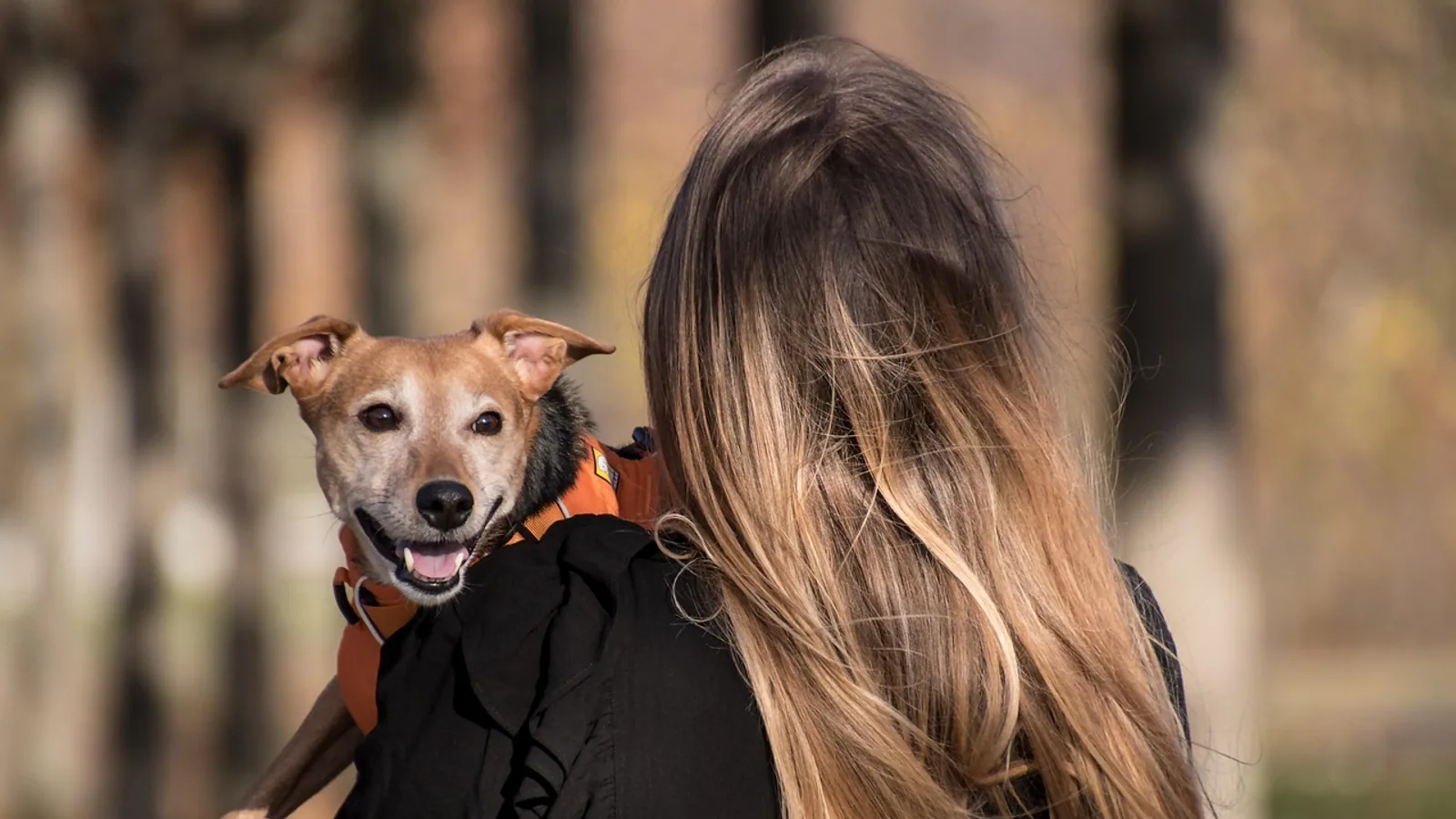
The Norwich Terrier is one of the smallest working terriers, a compact, sturdy dog of roughly 5 to 6 kg with a short, weather-resistant coat and a lively, affectionate temperament. It was developed in England to hunt rodents and later became a popular show and companion breed. The Norwich is closely related to the Norfolk Terrier. Until 1979, the two were considered a single breed, and the only consistent dividing feature is ear carriage. Norwich Terriers have erect ears. Norfolk Terriers have drop ears. That single distinction now separates two distinct breeds with separate registries, and it matters for owners because the Norwich carries a well-documented risk of a breed-specific upper airway syndrome that is not a simple consequence of having a flat face.
This article covers the breed's history, appearance, temperament, exercise and training needs, grooming and dental care, and its inherited and common health problems. It also explains what screening tests exist, what to ask a breeder, and when to contact a veterinarian. This article is educational and is not a substitute for veterinary diagnosis or treatment.
At a Glance
| Trait | Detail |
|---|---|
| Height | Small terrier build, roughly 5 to 6 kg body weight |
| Weight | Approximately 5 to 6 kg |
| Coat | Short, harsh, weather-resistant double coat |
| Lifespan | Approximately 12 to 15 years |
| Energy level | Moderate to high, terrier drive |
| Grooming | Regular brushing, hand-stripping or clipping, routine dental care |
| Trainability | Intelligent and willing, but terrier independence requires consistency |
| Good with children | Often yes with respectful handling and supervision |
| Good with other pets | Variable, prey drive toward small animals is common in terriers |
| Key health concerns | Upper airway syndrome, hip dysplasia, patellar luxation, dental crowding |
The figures above reflect the breed's typical size and lifespan. Individual dogs vary, and a veterinarian who examines your dog can give you a more specific assessment.
History and Purpose of the Norwich Terrier
The Norwich Terrier originated in East Anglia, England, where small, game terriers were kept for ratting and for hunting foxes and other quarry. The breed was bred to be small enough to fit into burrows and sturdy enough to work. The Norwich and the Norfolk were developed from the same foundation stock and were shown together as one breed for much of the twentieth century.
In 1979, the two varieties were formally separated into distinct breeds based on ear carriage. Norwich Terriers have erect ears. Norfolk Terriers have drop ears. This is the single most reliable way to tell the two apart at a glance, and it is the reason the two breeds now have separate breed standards and separate health profiles in the veterinary literature.
The Norwich Terrier has grown increasingly popular as a show animal and pet, and awareness of respiratory problems within the breed has grown alongside that popularity [1]. The breed is a mesocephalic dog, meaning it has a normal, non-flat skull shape, yet it is predisposed to an upper airway syndrome whose pathological features overlap with the airway disease seen in flat-faced breeds [2]. This is an important point for owners. The Norwich does not look like a bulldog or a pug, but it can still develop serious airway disease.
Appearance and Size
The Norwich Terrier is a small, compact, hardy dog. It has a short, harsh, weather-resistant coat that comes in shades of red, wheaten, black and tan, or grizzle. The breed's small size, roughly 5 to 6 kg, makes it suitable for apartment living provided its exercise needs are met. The erect ears give the face an alert, expressive look.
The breed's build is that of a working terrier. It is low to the ground, substantial for its height, and capable of sustained activity. The tail is traditionally docked in some countries, though docking is restricted or banned in several jurisdictions. In the United States, tail docking is a matter of breed tradition and owner preference, and it is not a health requirement.
Temperament and Behavior
Norwich Terriers are typically affectionate, outgoing, and confident. They bond closely with their owners and often enjoy being near people. They are intelligent and learn quickly, but they retain the independence and prey drive typical of terriers. Many Norwich Terriers will chase small rodents, squirrels, or birds if given the chance.
The breed is generally good with children who handle them respectfully, and it can live with other pets, though small pets such as hamsters, guinea pigs, or birds may be at risk because of prey drive. Early socialization and consistent, reward-based training help shape a well-mannered adult dog. Norwich Terriers can be vocal, and some are prone to barking at noises or strangers, which is consistent with their history as watchful working terriers.
Terrier independence means training requires patience and consistency. Short, frequent sessions with positive reinforcement work better than long, repetitive ones. Norwich Terriers are not typically difficult to train, but they are not as eager to please as some sporting breeds, and they will test boundaries if allowed.
Exercise and Training Needs
Norwich Terriers need daily exercise appropriate to their size and energy level. A combination of walks, play, and mentally engaging activities such as scent games or basic obedience keeps them fit and prevents boredom. Because the breed is predisposed to upper airway syndrome, exercise tolerance can be reduced in affected dogs, and heavy exertion in hot or humid weather may worsen breathing. Owners of dogs with confirmed airway disease should discuss an appropriate activity plan with their veterinarian.
Training should begin early. Puppy socialization classes, household rules, and leash manners are all appropriate starting points. Norwich Terriers respond well to food rewards and praise. Harsh corrections are counterproductive with terriers and can increase anxiety, which is relevant because stress and excitement are reported triggers for one of the breed's neurological conditions, paroxysmal dyskinesia [3].
Grooming and Dental Care
The Norwich Terrier has a short, harsh double coat. Regular brushing removes loose hair and keeps the coat healthy. Many owners have the coat hand-stripped or clipped a few times a year, depending on whether they want to preserve the harsh texture. Bathing is needed only occasionally unless the dog gets dirty.
Dental care is a specific concern in this breed. Norwich Terriers have small jaws and a full complement of teeth, which leads to dental crowding. Crowded teeth trap plaque and debris, and without regular cleaning they are prone to tartar accumulation, gingivitis, and periodontal disease. Daily tooth brushing with a dog-safe toothpaste is the most effective home measure. Professional dental cleaning under anesthesia may be needed periodically, and the interval should be set by a veterinarian after examining the mouth. Dental disease is one of the most common and most preventable problems in small breeds, and Norwich Terriers are no exception.
Nail trimming, ear checks, and routine parasite prevention round out basic care. Ear checks are especially relevant because the breed's erect ears are open and can collect debris, though the breed does not have the heavy ear canal problems seen in some drop-eared breeds.
Feeding Considerations
Norwich Terriers are small dogs with moderate energy needs. A complete and balanced commercial or home-prepared diet appropriate for the dog's life stage is the foundation of good nutrition. Portion control matters because small breeds can become overweight easily, and excess weight adds strain to the hips and knees, which is relevant given the breed's risk of hip dysplasia and patellar luxation.
Owners should feed measured meals rather than free-feeding, monitor body condition, and adjust portions as activity changes. Puppies, adults, and seniors have different nutritional needs, and a veterinarian can recommend an appropriate diet and feeding schedule. Dental health and airway health can both be affected by diet and body condition, so nutrition is part of the overall health plan rather than a separate topic.
Inherited and Common Health Problems
Upper Airway Syndrome (Norwich Terrier Upper Airway Syndrome)
Upper airway syndrome is the breed's most important health problem. It is a breed-specific condition that affects the larynx and surrounding tissues, and it is distinct from the airway disease seen in flat-faced breeds even though the two share features.
A large health screening study examined and scored the airways of 401 Norwich Terriers by laryngoscopy. The study found a strong genetic association on canine chromosome 13 and identified a missense variant in the ADAMTS3 gene. The risk allele was also enriched among French Bulldogs and English Bulldogs, which are susceptible to brachycephalic obstructive airway syndrome [2]. This finding suggests that upper airway disease in dogs is not determined by skull shape alone. The Norwich Terrier is a mesocephalic breed, meaning it has a normal skull shape, yet it is predisposed to this airway syndrome [2].
The clinical picture was described in a prospective case series of 16 Norwich Terriers, 12 with and 4 without clinical signs of respiratory disease. The median age was 3.0 years, with a range of 0.5 to 11 years. Of the 12 dogs presented for a respiratory complaint, physical examination was normal in 4. Laryngoscopic examination was abnormal in 11 of those 12 dogs, with redundant supra-arytenoid folds, laryngeal collapse, everted laryngeal saccules, and a narrowed laryngeal opening in most. Of the 4 dogs without clinical signs, all had a normal physical examination, but 3 of the 4 had a laryngeal appearance similar to the dogs with clinical signs. Response to surgical intervention was minimal to moderate in all dogs [1]. The practical takeaway is that affected dogs can be difficult to identify without laryngoscopic examination, and some dogs with an abnormal larynx show no obvious signs.
A later study used owner questionnaires to describe long-term outcome in 34 Norwich Terriers with the condition. At initial assessment, owners were asked about respiratory noises and exercise tolerance, and a score was constructed from the number and severity of obstructive lesions seen endoscopically, with a range of 0 to 25. Dogs ranged from 0.5 to 10.7 years of age at initial examination, with a median of 4.75 years, and no correlation was found between age and the airway score. The median score was 13, with a range of 1 to 25. Of five possible laryngeal abnormalities, 7 dogs had 1 to 2, 10 dogs had 3, and 17 dogs had 4 to 5, with a median of 3.5. Surgery was performed in 15 dogs, and those dogs had higher scores than dogs that did not have surgery. Owner questionnaires were obtained 2.2 to 9.3 years after endoscopy, with a median of 4.2 years. Quality of life scores ranged from 0 to 31 out of 40, with higher scores indicating worse quality of life, and 25 of 31 dogs had scores of 3 or lower. Dogs that had surgery had worse quality of life scores than those that did not [4].
An epidemiologic study of insured Swedish dogs found that among 327 breeds, the English Bulldog, Japanese Chin, Pomeranian, Norwich Terrier, and Pug had the highest relative risk of upper respiratory tract disorders. Eight of the 13 breeds with high relative risk were brachycephalic, which confirms that the Norwich Terrier stands out as a non-brachycephalic breed with elevated risk [5]. The median age at first upper respiratory tract diagnosis across the population was 6.00 years, with an interquartile range of 2.59 to 9.78 years [5].
Upper airway syndrome in the Norwich Terrier is a surgical and medical condition. Diagnosis requires laryngoscopic examination, and treatment options include medical management and surgery, with outcomes that vary. An update on upper respiratory surgery notes that the condition is recognized as a distinct entity in the breed [6]. Owners of a Norwich Terrier with noisy breathing, reduced exercise tolerance, or episodes of respiratory distress should seek veterinary evaluation rather than assuming the signs are normal for a small dog.
Paroxysmal Dyskinesia
Paroxysmal dyskinesia is a neurological condition that has been reported in the Norwich Terrier since 1984 but was poorly characterized until a dedicated study. A questionnaire study of Norwich Terriers born since January 1, 2000, received responses for 198 dogs. Of these, 26 dogs, or 13 percent, were classified as affected after review of questionnaires, videos of episodes, veterinary records, and owner interviews. All dogs were neurologically normal between episodes, and no significant abnormalities were detected on diagnostic investigations. The mean age at the first episode was 3 years. Episodes were characterized by sustained muscular hypertonicity in the pelvic limbs, lumbar region, and thoracic limbs, impairing posture and locomotion without loss of consciousness. Episode frequency varied between and within individual dogs. Stress, anxiety, and excitement were noted in relation to episodes [3].
This condition is important for owners to recognize because the episodes can be alarming. The key features are that the dog remains conscious, the episodes are episodic rather than continuous, and the dog is normal between episodes. Diagnosis is based on the characteristic history and the exclusion of other causes. A veterinarian should evaluate any dog with suspected episodes.
Hip Dysplasia
Hip dysplasia is a developmental condition in which the hip joint does not form properly, leading to laxity, degenerative changes, and arthritis. It is well recognized in many breeds, including terriers, and Norwich Terriers can be affected. Clinical signs may include stiffness after rest, reluctance to exercise, difficulty rising, and a bunny-hopping gait. Onset can be in puppyhood or later in life, and severity varies.
Screening is done with hip radiographs evaluated by a recognized scheme such as the Orthopedic Foundation for Animals (OFA) in the United States or equivalent schemes elsewhere. The OFA and similar bodies provide standardized grading that breeders use to make breeding decisions. Owners should ask breeders whether the parents have been screened and what the results were. A dog with hip dysplasia may be managed with weight control, controlled exercise, physical therapy, and medication, and some cases require surgery. A veterinarian can recommend the appropriate approach after examining the dog and reviewing radiographs.
Patellar Luxation
Patellar luxation is a common orthopedic problem in small breeds. The kneecap slips out of its normal groove, which can cause intermittent skipping, lameness, or a sudden hitch in the gait. It can be medial or lateral, and it can be unilateral or bilateral. Many small dogs live with low-grade luxation without major problems, but higher grades can cause pain, arthritis, and lameness.
Diagnosis is made by physical examination, and grading is based on how easily the patella can be luxated and whether it returns to place on its own. Screening is done by veterinary examination, and some registries record patellar luxation status. Treatment ranges from conservative management to surgical correction, depending on grade, clinical signs, and the individual dog. Because patellar luxation and hip dysplasia both affect the hind limbs, a dog with lameness should have both evaluated.
Dental Crowding
Dental crowding is a structural feature of the breed rather than a disease, but it leads directly to dental disease. Small jaws and full-size teeth create tight contacts and crevices where plaque accumulates. Without regular home care and periodic professional cleaning, gingivitis and periodontal disease develop. Periodontal disease is not just a mouth problem. It causes pain, tooth loss, and can affect overall health. Daily brushing is the single most effective home measure, and professional cleaning under anesthesia is needed when tartar and periodontal pockets develop. The interval between cleanings should be set by a veterinarian.
Other Health Considerations
Norwich Terriers can develop other conditions common to small dogs, including eye problems, skin allergies, and tracheal collapse, but the four conditions above are the ones most strongly associated with the breed in the veterinary literature. Owners should maintain routine wellness care, including vaccinations, parasite prevention, and periodic physical examinations, because early detection improves outcomes for most conditions.
Condition, Age of Onset, and Screening Summary
| Condition | Typical Age of Onset | Screening Test |
|---|---|---|
| Upper airway syndrome | Variable, reported from 0.5 to 10.7 years, median around 3 to 4.75 years | Laryngoscopic examination with airway scoring |
| Paroxysmal dyskinesia | Mean age at first episode around 3 years | Clinical history, video of episodes, exclusion of other causes |
| Hip dysplasia | Puppyhood to adulthood, variable | Hip radiographs evaluated by a recognized scheme |
| Patellar luxation | Often young adulthood, can be earlier | Veterinary physical examination with grading |
| Dental crowding and periodontal disease | Progressive from young adulthood | Oral examination, dental radiographs as needed |
The age ranges above come from the cited studies and from general clinical experience with these conditions. Individual dogs can present earlier or later.
Lifespan and Long-Term Care
The Norwich Terrier's typical lifespan is approximately 12 to 15 years. Long-term care focuses on maintaining a healthy weight, protecting the airway, monitoring the joints, and keeping the mouth healthy. Dogs with upper airway syndrome may need periodic reassessment, and dogs with orthopedic conditions may need ongoing management. Senior Norwich Terriers benefit from more frequent wellness examinations, because early detection of arthritis, dental disease, and other age-related conditions allows for better management.
Comparative Notes on Other Small Terriers
The Norwich Terrier shares its history and general size with the Norfolk Terrier, and the two are the closest comparison. The only consistent structural difference is ear carriage. Norwich Terriers have erect ears. Norfolk Terriers have drop ears. Because they were one breed until 1979, owners sometimes encounter confusing historical records, and it is worth confirming which breed a dog is registered as when reviewing pedigree health information.
Compared with other small terriers, the Norwich stands out for its documented breed-specific upper airway syndrome. The condition is not simply a consequence of a flat face, because the Norwich is a mesocephalic breed [2]. This distinguishes it from brachycephalic breeds such as the French Bulldog and English Bulldog, which share the ADAMTS3 risk allele but have a different skull conformation [2]. The Swedish insurance study placed the Norwich Terrier among the five breeds with the highest relative risk of upper respiratory tract disorders, alongside the English Bulldog, Japanese Chin, Pomeranian, and Pug [5]. That is a notable position for a breed without a flat face.
Compared with terriers such as the Cairn, West Highland White, or Scottish Terrier, the Norwich is generally similar in size and terrier temperament. The Norwich's specific health profile centers on the airway, the hips, the knees, and the teeth. Owners comparing small terriers should ask about the same core screening items across breeds, because hip dysplasia, patellar luxation, and dental crowding are shared concerns in many small breeds.
Finding a Responsible Breeder or Rescue
A responsible breeder prioritizes health over appearance and can provide documentation of health screening. For the Norwich Terrier, the key items to ask about are airway health, hip screening, patellar luxation status, and dental care. Because upper airway syndrome has a known genetic association, breeders who screen their breeding dogs and share results are taking a meaningful step toward reducing risk [2].
Questions to ask a breeder:
- Have the parents been screened for upper airway syndrome, and how were they evaluated?
- Have the parents had hip radiographs evaluated by a recognized scheme, and what were the results?
- Have the parents been examined for patellar luxation, and what grade were they?
- Are there any known cases of paroxysmal dyskinesia in the lines, and how is that managed?
- What is the breeder's approach to dental care and to placing puppies in homes that will maintain it?
- Can the breeder provide health records for the parents and, where available, for previous litters?
- What is the breeder's policy on returning a dog if the owner can no longer care for it?
- Does the breeder belong to a breed club that promotes health testing?
Rescue is a strong option for this breed. Norwich Terrier rescue organizations place dogs of all ages, and a rescue dog should have a veterinary examination soon after adoption. Rescue groups can often provide history about known health conditions, and adopters should ask the same health questions they would ask a breeder.
Who Should Not Get This Breed
The Norwich Terrier is not the right choice for every household. People who want a dog that can tolerate long, strenuous exercise in hot weather should reconsider, because the breed's airway risk makes heat and heavy exertion a concern. People who are away from home for very long hours may find that the breed's social nature and exercise needs are difficult to meet. Households with small pets such as birds or rodents should understand that terrier prey drive can create risk. People who are not prepared for regular dental care, including brushing and periodic professional cleaning, should consider a breed with less dental crowding. Finally, anyone who is not prepared for the possibility of a chronic airway condition, with its associated veterinary costs and monitoring, should discuss the breed with a veterinarian before committing.
Limitations and When to Contact a Veterinarian
This article describes breed-level information. Individual dogs vary, and a veterinarian who examines your dog can give you specific guidance. Contact a veterinarian promptly if your Norwich Terrier has any of the following:
- Noisy breathing that is new, worsening, or present at rest
- Difficulty breathing, blue gums, or collapse
- Reduced exercise tolerance or reluctance to walk
- Episodes of sustained muscle stiffness or abnormal posture, especially with preserved consciousness
- Lameness, skipping, or difficulty rising that lasts more than a day or recurs
- Bad breath, tartar, red gums, drooling, or difficulty eating
- Weight loss, reduced appetite, or changes in drinking and urination
- Any suspected reaction to a medication or vaccine
For a dog with a known airway condition, seek emergency care if breathing becomes labored or the gums change color. For a dog with suspected paroxysmal dyskinesia, record a video of an episode if it is safe to do so, because video helps the veterinarian characterize the event [3]. For a dog with dental disease, do not delay professional evaluation, because periodontal disease progresses and is painful.
Frequently Asked Questions
What is the difference between a Norwich Terrier and a Norfolk Terrier?
The main difference is ear carriage. Norwich Terriers have erect ears and Norfolk Terriers have drop ears. The two were considered one breed until 1979, when they were formally separated.
How big does a Norwich Terrier get?
The breed typically weighs about 5 to 6 kg. It is a small, compact, sturdy terrier.
How long do Norwich Terriers live?
The typical lifespan is approximately 12 to 15 years. Individual dogs vary, and routine veterinary care supports healthy aging.
What is Norwich Terrier upper airway syndrome?
It is a breed-specific condition affecting the larynx and surrounding tissues. It overlaps with the airway disease seen in flat-faced breeds, but it occurs in a breed with a normal skull shape, and it is associated with a variant in the ADAMTS3 gene [2].
Can Norwich Terriers breathe normally?
Many do, but the breed has a higher risk of upper respiratory tract disorders than most breeds, and some dogs have an abnormal larynx without obvious signs [1][5]. Any breathing change should be evaluated by a veterinarian.
Do Norwich Terriers have dental problems?
Yes. Dental crowding is common because of small jaws and full-size teeth, and it leads to plaque buildup and periodontal disease without regular cleaning.
Are Norwich Terriers good with children?
They are often good with children who handle them respectfully and with supervision. Terrier temperament means they can be assertive, so early training and socialization help.
What health screening should a Norwich Terrier breeder do?
Breeders should screen for upper airway syndrome, hip dysplasia, and patellar luxation, and they should be able to discuss dental care and any history of paroxysmal dyskinesia in their lines [2][3].
Related Articles
- Norwich Terrier Health Problems: Inherited Conditions and Preventive Screenings
- Norwich Terrier Feeding Guide: Calorie Targets and Sensitive Stomach Diet Plans
- Welsh Terrier Health Problems: Inherited Conditions and Preventive Screenings
- Boston Terrier Health Problems: Brachycephalic Syndrome and Patellar Luxation
- Cairn Terrier Health Problems: Inherited Conditions and Preventive Screenings
- Airedale Terrier Health Problems: Inherited Conditions and Preventive Screenings
- Bully Pit Mix: Breed Traits, Health, and Care
- Golden Shepherd: Breed Traits, Care, and Health
- Lab Shepherd Mix: Traits, Health, and Care Guide
Sources
- Upper airway obstruction in Norwich Terriers: 16 cases.
- An ADAMTS3 missense variant is associated with Norwich Terrier upper airway syndrome.
- Paroxysmal Dyskinesia in Norwich Terrier Dogs.
- Results of owner questionnaires describing long-term outcome in Norwich terriers with upper airway syndrome: 2011-2018.
- The epidemiology of upper respiratory tract disorders in a population of insured Swedish dogs (2011-2014), and its association to brachycephaly.
- Updates in Upper Respiratory Surgery.