Medium-Size Dog Breeds: Traits and Care Comparison
By Dr. Zubair Khalid, DVM, MS, PhD ·
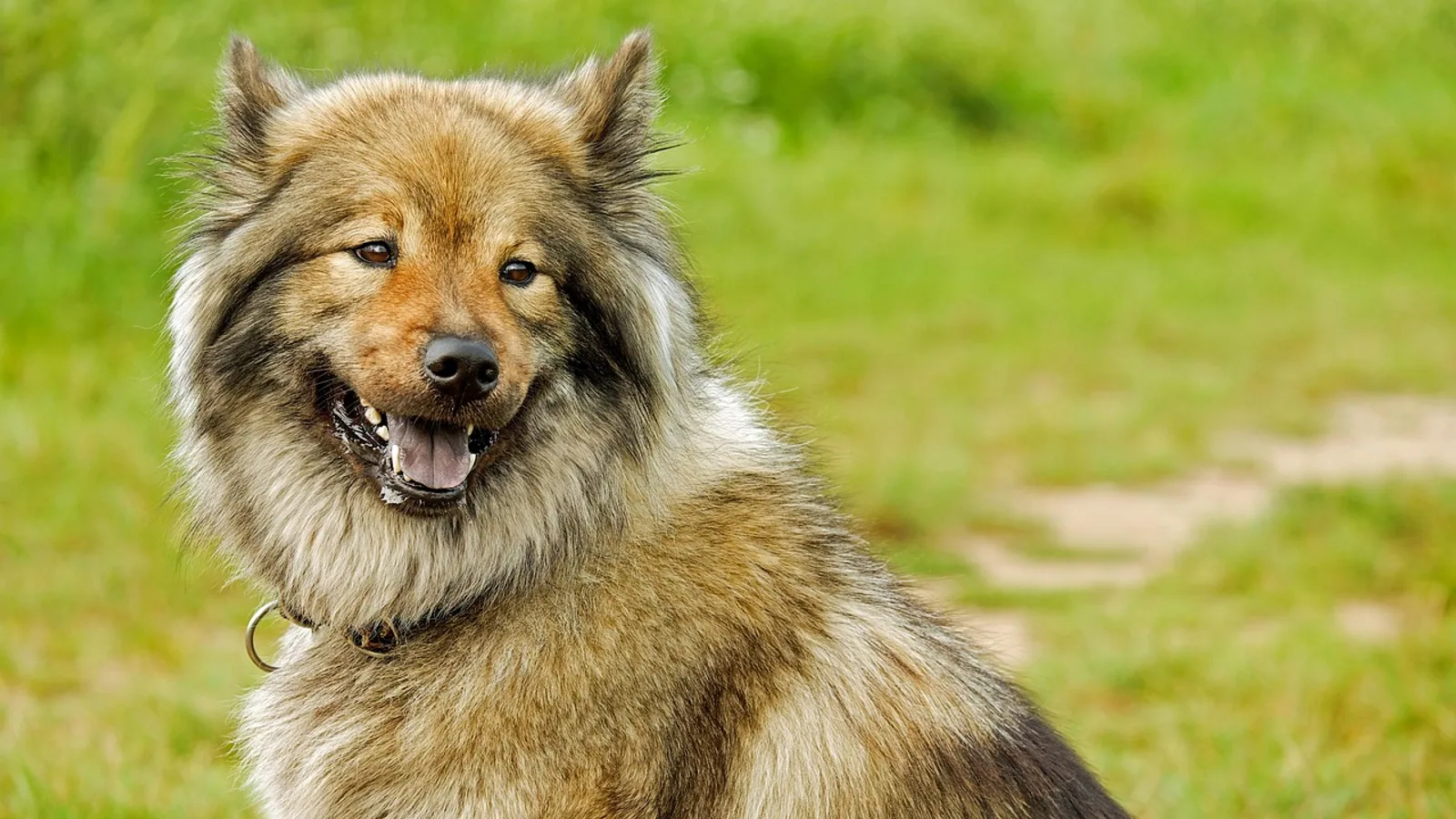
A medium-size dog is generally an adult dog weighing roughly 10 to 25 kg (22 to 55 lb), a band wide enough to hold everything from a stocky herding breed to a lean hunting dog. The rule of thumb for choosing within that band is simple: match the breed's working history to your daily routine, because energy level and coat type drive more of your week-to-week effort than adult weight does.
This article compares the common medium dog breeds on the traits that decide real ownership outcomes: adult weight range, energy level, coat and grooming frequency, and the heritable conditions that veterinarians screen for in each breed. It also separates breed predisposition from causation, a distinction that matters when you read a health survey or a screening result.
This article is educational and is not a substitute for veterinary diagnosis or treatment.
What Counts as a Medium-Size Dog
Size categories in veterinary research are defined by body weight, not by height or by breed reputation. One in vitro model of canine colonic physiology set the working bands at small (under 10 kg), medium (10 to 30 kg), and large (over 30 kg) [1]. A clinical study of canine carpal surgery described its population as medium to large breeds with a median body weight of 21.7 kg and a range of 17.0 to 27.6 kg [2]. A study of atopic dermatitis in Korea grouped nine small-to-medium breeds as those under 25 kg [3]. The practical takeaway is that "medium" is a weight band with soft edges, not a fixed category.
Two consequences follow. First, breed standards publish weight ranges, not single values, so a breed listed at 18 to 25 kg will produce adults at both ends and occasionally outside. Second, weight within a breed shifts with sex, neuter status, and body condition. A large study of hip screening in 114,568 young adult dogs of 72 breeds found that higher body weight within a breed was associated with a more severe hip dysplasia grade, and that the association was breed-dependent, reaching significance in 13 of the 21 breeds analyzed for breed differences [4]. Weight is therefore both a breed trait and a modifiable variable.
Maintenance energy needs do not scale linearly with weight either. An allometric analysis of 319 healthy adult pet dogs produced a maintenance energy equation in which body weight was raised to a fractional exponent, and breed, sex and neuter status, bedding location, temperament, and feed type each acted as separate multipliers [5]. Two medium dogs of the same weight can therefore have meaningfully different caloric needs based on factors other than size.
How to Read the Comparison Table
The table below organizes common medium dog breeds by approximate adult weight band. Each entry lists energy level, coat type and grooming frequency, and the top two to three heritable conditions recognized in that breed. Where a condition is described as a predisposition, it means the breed appears more often in affected populations than would be expected by chance. It does not mean the breed causes the disease, and it does not mean an individual dog will develop it.
Medium Dog Breeds by Weight Band, Energy, Grooming, and Health
| Breed | Approx. adult weight | Energy level | Coat type and grooming | Top heritable conditions |
|---|---|---|---|---|
| Shetland Sheepdog | 6 to 12 kg | High | Long double coat, brush 2 to 3 times weekly, heavier during shed | MDR1 (ABCB1) mutation, hip dysplasia, myxomatous mitral valve disease |
| Cocker Spaniel | 11 to 15 kg | Moderate to high | Silky medium coat, professional grooming every 6 to 8 weeks plus home brushing | Atopic dermatitis, hip dysplasia, myxomatous mitral valve disease |
| French Bulldog | 9 to 13 kg | Low to moderate | Short smooth coat, weekly rubber-curry brushing | Brachycephalic airway syndrome, atopic dermatitis, caudal articular process dysplasia |
| Shih Tzu | 4.5 to 8 kg | Low | Long double coat, daily brushing or a short pet clip | Atopic dermatitis, persistent deciduous teeth, caudal articular process dysplasia |
| Dachshund | 7 to 15 kg (standard) | Moderate | Smooth, longhaired, or wirehaired, grooming varies by coat | Intervertebral disc disease, atopic dermatitis, caudal articular process dysplasia |
| Beagle | 9 to 11 kg (13 inch) to 9 to 14 kg (15 inch) | High | Short hound coat, weekly brushing, ears checked often | Hip dysplasia, persistent deciduous teeth, overweight and obesity |
| Border Collie | 14 to 20 kg | Very high | Medium double coat, brush 2 to 3 times weekly | MDR1 (ABCB1) mutation, hip dysplasia, myxomatous mitral valve disease |
| Australian Shepherd | 16 to 32 kg | Very high | Medium double coat, brush 2 to 3 times weekly | MDR1 (ABCB1) mutation, hip dysplasia, myxomatous mitral valve disease |
| Siberian Husky | 16 to 27 kg | Very high | Dense double coat, heavy seasonal shedding, brush 2 to 3 times weekly | Hip dysplasia, myxomatous mitral valve disease, atopic dermatitis |
| Boxer | 25 to 32 kg | High | Short smooth coat, weekly brushing | Hip dysplasia, myxomatous mitral valve disease, neoplasia |
| Labrador Retriever | 25 to 36 kg | High | Short double coat, weekly brushing, heavier during shed | Hip dysplasia, overweight and obesity, myxomatous mitral valve disease |
| Golden Retriever | 25 to 34 kg | High | Long double coat, brush 2 to 3 times weekly | Hip dysplasia, neoplasia, myxomatous mitral valve disease |
Weight values in the table reflect the upper end of the medium band and, for the larger retrievers and herding breeds, the overlap into large. That overlap is real. A 30 kg Labrador sits at the boundary, and a 32 kg Australian Shepherd is a large dog by the weight-band definitions used in canine physiology research [1].
Reading Each Breed on Its Own Terms
Herding breeds: Shetland Sheepdog, Border Collie, Australian Shepherd
Herding breeds are defined by sustained work output, and their energy level is the single biggest predictor of how much daily walking they receive. A cross-sectional study in Calgary found that canine exercise requirements were significantly and positively associated with the minutes dogs were walked, and that owner sex and housing type also influenced walking behavior [6]. A herding breed in an apartment will not walk itself, and the owner's routine becomes the limiting factor.
The MDR1 (ABCB1) mutation appears across the collie lineage, including Shetland Sheepdogs, Border Collies, and Australian Shepherds. The mutation affects P-glycoprotein, a drug transport protein, and it is the reason veterinarians ask about breed before prescribing certain antiparasitics and other medications. Hip dysplasia is also recognized in all three breeds, and the Swedish screening study confirmed that heavier dogs within a breed tend to grade worse [4]. Myxomatous mitral valve disease is described as heritable in some breeds, and breed screening programs exist for it [7].
Spaniels and scent hounds: Cocker Spaniel, Beagle
Cocker Spaniels and Beagles sit in the moderate-to-high energy range with coats that demand different maintenance. The Cocker's silky coat mats without regular professional grooming. The Beagle's short hound coat needs only weekly brushing, but the breed's food drive makes body condition a lifelong management task. Overweight and obesity appear among the most common disorders in large cohort studies of dogs, and walking volume is one modifiable risk factor [6].
Atopic dermatitis is a well-documented breed-associated condition. A Korean study of 331 dogs with canine atopic dermatitis found that Shih Tzu, Cocker Spaniel, and French Bulldog had a higher prevalence than the registered dog population, with statistically significant differences [3]. Lesion distribution varied by breed, with Cocker Spaniels among the affected breeds in that cohort. Persistent deciduous teeth are also relevant to smaller medium breeds. A study of nearly 3 million dogs found an overall prevalence of 7 percent, with extra-small breeds (under 6.5 kg) showing significantly higher prevalence than all other breed sizes [8]. Medium-small breeds still carry risk, and retained puppy teeth are associated with malocclusion and periodontal disease.
Brachycephalic breeds: French Bulldog, Shih Tzu
French Bulldogs and Shih Tzus are medium by weight but brachycephalic by skull shape, and that anatomy drives their health profile. Brachycephalic airway syndrome is the defining concern, and it affects exercise tolerance, heat tolerance, and anesthesia risk. The Korean atopic dermatitis study found that French Bulldogs had a higher prevalence of atopic dermatitis than the registered population, and lesions concentrated in lip folds (64 percent), tail folds (27 percent), and paws (73 percent) [3]. Skin fold care is therefore a routine part of ownership, not an occasional task.
Caudal articular process dysplasia, a congenital vertebral malformation, is more common in smaller dogs. A CT study of 717 dogs found that 20.2 percent of medium breeds had at least one affected thoracic vertebra, compared with 66.4 percent of toy breeds and 6.0 percent of large breeds [9]. The most affected vertebra in medium breeds was T5. This is a structural finding, and its clinical significance depends on whether spinal cord compression is present.
Chondrodystrophic breeds: Dachshund
The Dachshund's short-legged, long-backed conformation is chondrodystrophic, and intervertebral disc disease is the breed's signature orthopedic risk. The Korean atopic dermatitis study found that 71 percent of Dachshunds in that cohort had a dorso-lumbar distribution of lesions, which is a dermatologic finding rather than a spinal one, but it illustrates how breed-specific patterns show up in clinical data [3]. Caudal articular process dysplasia is also reported in chondrodystrophic dogs [9]. Weight management is central to Dachshund care because added body weight increases load on an already vulnerable spine, and the hip screening data support the general principle that heavier body weight within a breed associates with worse orthopedic screening grades [4].
Working and sporting breeds: Siberian Husky, Boxer, Labrador Retriever, Golden Retriever
These breeds occupy the upper edge of the medium band and overlap into large. Their energy levels are high, and their exercise requirements are the reason walking volume matters. The Calgary study's finding that exercise requirements predict walking minutes is directly relevant here: owners of high-energy breeds walk more, but the relationship is not automatic [6].
Hip dysplasia is a recognized risk across all four breeds, and the Swedish study's breed-dependent association means the strength of the weight-dysplasia link varies by breed [4]. Neoplasia is a leading cause of death in large and giant breed cohorts. A UK VetCompass study of giant breeds found that neoplasia was the most common grouped cause of death at 12.4 percent, with a median age at death of 8.94 years [10]. That study covered giant breeds, not medium ones, so it should be read as context for the general pattern that larger body size associates with shorter lifespan and higher cancer mortality, not as a medium-breed statistic.
Myxomatous mitral valve disease is the most common heart disease in dogs and is described as heritable in some breeds, with active breed screening programs [7]. Echocardiographic reference ranges are breed-specific, and a study of seven small breeds under 10 kg found that most left-heart parameters correlated significantly with body weight [11]. That study covered small breeds, but the principle that breed and body weight influence cardiac measurements applies when your veterinarian interprets an echocardiogram in any size dog.
Predisposition Is Not Causation
A breed predisposition means a condition appears more often in that breed than in the general dog population. It does not mean the breed's genes cause the disease in every dog, and it does not mean an individual dog is destined to develop it. Three examples clarify the distinction.
Hip dysplasia illustrates the difference between association and cause. The Swedish study found that higher body weight within a breed was associated with more severe screening grades, but the association was breed-dependent and significant in only some of the breeds analyzed [4]. Weight is a risk factor that interacts with genetics and development, not a standalone cause.
Atopic dermatitis illustrates the difference between prevalence and mechanism. The Korean study found higher prevalence in Shih Tzu, Cocker Spaniel, and French Bulldog compared with the registered population [3]. That is a population-level observation. The underlying immune and skin barrier mechanisms are complex and not fully characterized, and many dogs of those breeds never develop the condition.
Caudal articular process dysplasia illustrates the difference between a radiographic finding and a clinical disease. The CT study found the malformation in 20.2 percent of medium-breed dogs, but the clinical significance depends on whether the malformation compresses the spinal cord [9]. A finding on imaging is not the same as a diagnosis of myelopathy.
Worked Scenarios
Scenario 1: An active owner in a house with a yard. A Border Collie or Australian Shepherd fits the energy profile, but the yard does not substitute for walks. The Calgary data show that exercise requirements predict walking minutes, so the owner's schedule is the real constraint [6]. Budget for MDR1 testing before certain medications are prescribed, and plan for hip screening as the dog matures.
Scenario 2: A first-time owner in an apartment. A French Bulldog or Shih Tzu is medium by weight and lower in exercise demand, but both are brachycephalic. Airway management, heat avoidance, and skin fold care become daily tasks, and atopic dermatitis is more prevalent in both breeds [3]. Caudal articular process dysplasia is also more common in smaller dogs, including medium breeds at 20.2 percent in one CT series [9].
Scenario 3: A family with children and a busy workday. A Labrador Retriever or Golden Retriever is medium-to-large and high energy. Hip dysplasia is a recognized risk, and the weight-dysplasia association means keeping the dog lean is a preventive strategy [4]. Neoplasia is common in larger breeds, and the giant breed mortality data provide context for the general size-lifespan relationship [10].
Scenario 4: An owner who wants minimal grooming. A Beagle, Boxer, or Dachshund (smooth coat) requires the least coat maintenance. The Beagle's food drive makes body condition the primary care task, and persistent deciduous teeth are relevant to smaller medium breeds [8]. The Dachshund's spinal risk makes weight management a welfare priority.
Common Mix-Ups
Confusing weight with energy. A 12 kg French Bulldog and a 12 kg Shetland Sheepdog are the same weight and completely different in exercise demand. Weight band tells you about size, not about daily activity needs.
Assuming a breed standard weight is a target. Breed standards give ranges. A 20 kg Border Collie and a 14 kg Border Collie can both be within standard and both be healthy.
Treating a predisposition as a diagnosis. A breed being "prone" to hip dysplasia does not mean a limping dog has hip dysplasia. It means your veterinarian will consider it higher on the differential list.
Ignoring neuter status and sex. The allometric energy study found that sex and neuter status acted as independent multipliers on maintenance energy requirements [5]. Weight and caloric needs shift after neutering, and body condition must be reassessed.
Skipping dental care in medium-small breeds. Persistent deciduous teeth are more prevalent in extra-small breeds, but medium-small breeds still carry risk, and retained teeth are associated with malocclusion and periodontal disease [8].
Limitations and When to Contact a Veterinarian
This article describes breed-level patterns drawn from population studies. Individual dogs vary, and a breed predisposition is not a diagnosis. Your veterinarian can assess your dog's specific body condition, orthopedic status, cardiac function, and skin health.
Contact a veterinarian promptly if you observe any of the following:
- New or progressive lameness, reluctance to climb stairs, or difficulty rising, which may indicate orthopedic or spinal disease.
- Exercise intolerance, fainting, coughing, or increased respiratory effort at rest, which may indicate cardiac or airway disease.
- Persistent scratching, recurrent ear or skin infections, or hair loss, which may indicate atopic dermatitis or another skin condition.
- Retained puppy teeth beyond the expected replacement period, or persistent bad breath, which may indicate dental or periodontal disease.
- Rapid weight gain or loss, or a body condition change after neutering, which warrants a nutritional reassessment.
For brachycephalic breeds, seek veterinary guidance before air travel, strenuous exercise in heat, or any procedure requiring sedation, because airway anatomy affects risk.
Frequently Asked Questions
What weight range defines a medium-size dog?
Roughly 10 to 25 kg (22 to 55 lb) is the working definition, though research bands vary and some sources use 10 to 30 kg [1]. Breed standards give ranges rather than single values, and sex, neuter status, and body condition shift weight within a breed.
Which medium dog breeds need the most exercise?
Herding and working breeds such as the Border Collie, Australian Shepherd, Siberian Husky, and Labrador Retriever have the highest energy levels. A study of dog walking found that exercise requirements significantly predicted how many minutes dogs were walked, so owner routine is a major factor [6].
Are medium-size dogs prone to hip dysplasia?
Hip dysplasia occurs across sizes, and a large Swedish screening study found that higher body weight within a breed was associated with more severe grades, with the association varying by breed [4]. Keeping a dog lean is a reasonable preventive strategy, and screening is available.
What is the MDR1 mutation and which breeds carry it?
The MDR1 (ABCB1) mutation affects a drug transport protein and appears in the collie lineage, including Shetland Sheepdogs, Border Collies, and Australian Shepherds. It changes how certain medications are handled, so tell your veterinarian your dog's breed before new drugs are prescribed.
Do medium-size dogs get heart disease?
Myxomatous mitral valve disease is the most common heart disease in dogs and is described as heritable in some breeds, with breed screening programs in place [7]. Echocardiographic measurements correlate with body weight, so breed and size inform how your veterinarian interprets results [11].
How often should a medium-size dog be groomed?
Grooming frequency follows coat type. Short-coated breeds such as the Beagle, Boxer, and smooth Dachshund need weekly brushing. Double-coated herding breeds need brushing two to three times weekly with heavier shedding seasonally. Silky and long coats, including the Cocker Spaniel and Shih Tzu, need professional grooming every six to eight weeks plus home brushing.
Related Articles
- Mid-size biotech company careers
- Cat Breeds: Health Comparison and Care Tips for Popular Types
- Calico Cat: Fascinating Facts, Personality Traits & Complete Care Guide
- Goldfish Tank Size Care
- Rabbit Breeds: A Veterinary Guide to Size, Temperament, and Health Considerations
- Rabbit Cage Sizing and Space Requirements by Breed and Stage
- Mastiff Breeds: Comparison, Traits, and Health Risks
- King Shepherd: Breed Traits, Size, and Health Risks
- Teeth Diagram: Types, Numbers and Animal Comparison
Sources
- Canine Mucosal Artificial Colon: development of a new colonic in vitro model adapted to dog sizes.
- Double dorsal locking compression plate fixation for canine pancarpal arthrodesis: clinical outcomes and complications in 6 dogs.
- Prevalence and lesion distribution of atopic dermatitis in small-to-medium breed dogs in Korea.
- Association between body weight and hip dysplasia screening results in young adult dogs of different breeds in Sweden.
- A new model for evaluating maintenance energy requirements in dogs: allometric equation from 319 pet dogs.
- An investigation of the association between socio-demographic factors, dog-exercise requirements, and the amount of walking dogs receive.
- Breed screening for myxomatous mitral valve disease in dogs.
- Persistent deciduous teeth: Association of prevalence with breed, breed size and body weight in pure-bred client-owned dogs in the United States.
- Investigation of canine caudal articular process dysplasia of thoracic vertebrae using computed tomography: Prevalence and characteristics.
- Giant dog breeds under primary veterinary care in the UK: demography, common disorders and mortality.
- Establishment of Reference Ranges for Left Heart Echocardiography-Related Parameters in Seven Common Small Dog Breeds in Taiwan and Their Relationships with Body Weight, Age, and Sex.