Mastiff Breeds: Comparison, Traits, and Health Risks
By Dr. Zubair Khalid, DVM, MS, PhD ·
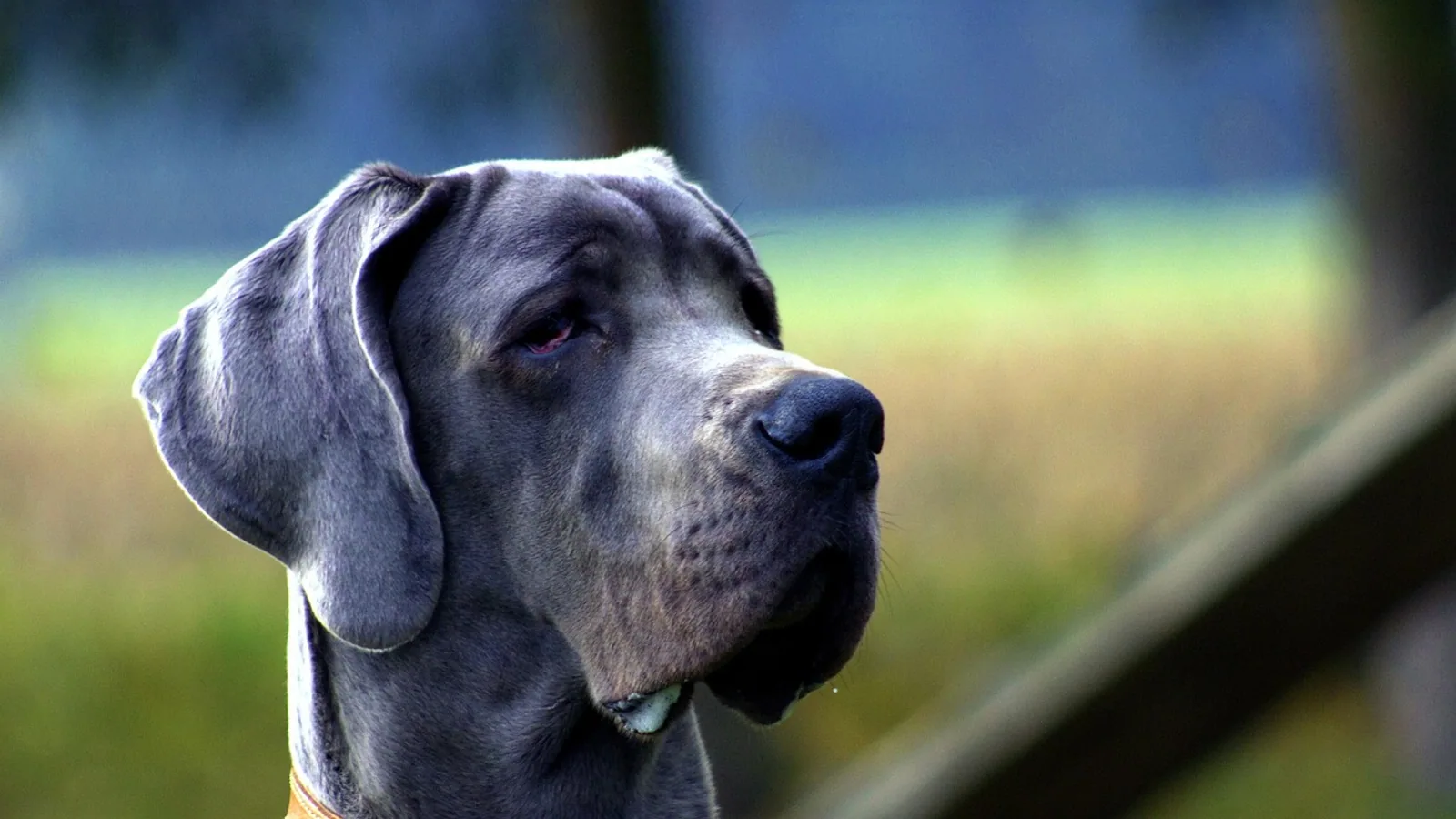
Mastiff breeds are the heavyweights of the dog world. They were developed across Europe and Asia as guardians of people, property, and livestock, and they share a common build: a broad head, a deep chest, heavy bone, and a calm, deliberate temperament. The group includes the English Mastiff, the Bullmastiff, the Neapolitan Mastiff, the Cane Corso, the Dogue de Bordeaux, and several other giant working dogs. The Cane Corso is the Italian mastiff breed, and it should not be confused with the Neapolitan Mastiff, which is a separate Italian breed with a very different body type and a different set of health problems.
These dogs are not for every household. Most mastiff breeds weigh between 40 and 100 kg (roughly 88 to 220 lb), they mature slowly, and they carry well-documented risks of orthopedic disease, bloat, heart disease, eyelid disorders, and several cancers. A large survey of owners of deceased mastiffs found a median age at death of 8 years, with cancer the most common cause at 47 percent of deaths [1]. That single figure explains why mastiff ownership is a commitment to preventive care, not just to a big dog.
This article compares the major mastiff breeds side by side, explains what each breed was bred to do, and lays out the health screening that matters most. It is written for owners and prospective owners who want realistic numbers rather than marketing copy.
This article is educational and is not a substitute for veterinary diagnosis or treatment.
At a Glance: Mastiff Breeds Compared
The table below summarizes size, temperament, lifespan, and the screening tests most relevant to each breed. Weight and lifespan figures reflect the ranges reported in the veterinary literature and in the breed mortality survey [1]. Screening recommendations follow the health problems documented for each breed in the cited studies.
| Breed | Origin and purpose | Height (typical) | Weight (typical) | Coat | Lifespan | Temperament | Key screening |
|---|---|---|---|---|---|---|---|
| English Mastiff | England, estate and property guardian | 27.5 to 30+ in | 70 to 100 kg (154 to 220 lb) | Short, fawn, brindle, apricot | 6 to 10 years | Calm, docile, low energy indoors | Hip and elbow radiographs, cardiac evaluation, eye examination (PRA) |
| Bullmastiff | England, gamekeeper's guard dog | 24 to 27 in | 45 to 60 kg (99 to 132 lb) | Short, fawn, red, brindle | 8 to 10 years | Confident, loyal, reserved with strangers | Hip and elbow radiographs, cardiac evaluation, lymphoma awareness, urinary screening |
| Neapolitan Mastiff | Italy, estate and family guardian | 24 to 31 in | 50 to 70 kg (110 to 154 lb) | Short, blue, black, mahogany | 7 to 9 years | Wary, protective, reserved | Hip radiographs, eyelid examination, airway assessment, GDV prevention planning |
| Cane Corso (Italian Mastiff) | Italy, catch dog, farm and family guardian | 23.5 to 27.5 in | 40 to 50 kg (88 to 110 lb) | Short, black, gray, fawn, brindle | 9 to 12 years | Assertive, trainable, highly bonded | Hip and elbow radiographs, cardiac evaluation, eyelid examination |
| Dogue de Bordeaux | France, guard and draft dog | 23 to 27 in | 45 to 60 kg (99 to 132 lb) | Short, fawn to mahogany | 5 to 8 years | Devoted, sensitive, territorial | Hip radiographs, biochemical panel, thyroid testing, cardiac evaluation |
| Italian Mastiff (Cane Corso) | Same breed as Cane Corso | See Cane Corso | See Cane Corso | See Cane Corso | See Cane Corso | See Cane Corso | See Cane Corso |
Height ranges are those commonly described for each breed. Where the veterinary literature does not report a precise height or weight range for a breed, the table reflects the general size class documented in the mortality survey and breed health studies [1].
What Makes a Dog a Mastiff
The mastiff group is defined by body type rather than by a single ancestor. These are giant, heavy-boned dogs with broad skulls, short muzzles, and a mass distribution that places more weight on the front limbs than on the rear. A study of 552 dogs across 123 breeds measured how body mass is distributed between the forelegs and hind legs. The overall mean was 60.4 percent of body mass on the forelegs, and dogs of European mastiff origin carried significantly more weight on the front than UK herding and coursing breeds [2]. That forward-heavy build is part of why mastiffs move with a rolling, powerful gait and why their front joints take heavy mechanical loads.
Mastiffs also share a temperament profile. They were bred to work independently, to hold ground rather than chase, and to reserve judgment about strangers. Genetic work on the canine MAOA gene, which in humans is linked to aggression, found that the mastiff breed group carried the lowest genetic diversity among the five groups studied, alongside the most recent mountain breeds [3]. Low genetic diversity within a breed group is one reason mastiffs as a whole carry a high burden of inherited disease.
The group is not uniform. The English Mastiff is a massive, docile estate dog. The Bullmastiff is smaller, faster, and was built to pin a poacher without mauling him. The Neapolitan Mastiff is a loose-skinned, heavily wrinkled guardian with a short, flat face. The Cane Corso is a leaner, more athletic Italian mastiff breed used for catching and holding large game and for farm work. The Dogue de Bordeaux is a French guardian with a distinctive short, broad head and a documented predisposition to kidney and thyroid disease.
English Mastiff
History and Purpose
The English Mastiff descends from the large guarding and fighting dogs of England. By the nineteenth century, the breed had settled into its modern role as a household and estate guardian. It is one of the two breeds most studied in mastiff mortality research, alongside the Bullmastiff [1].
Size and Appearance
The English Mastiff is the heaviest of the common mastiff breeds, with adult males typically reaching 70 to 100 kg (154 to 220 lb). The coat is short and dense in fawn, brindle, or apricot, usually with a black mask. The head is broad and square, the chest is deep, and the dog carries a heavy, straight front.
Temperament
The English Mastiff is calm, gentle with family, and generally low-energy indoors. It is a guarding breed, but it is not typically sharp or reactive. It bonds closely with its household and tends to be reserved rather than aggressive with strangers.
Health Risks and Screening
The English Mastiff carries a well-documented inherited eye disease. Progressive retinal atrophy (PRA) in the breed is caused by a dominant mutation in the rhodopsin gene, specifically the T4R mutation, and a genetic test exists for it [4]. This is a dominant disorder, which means a dog only needs one copy of the mutation to be affected, and affected dogs should not be bred. Eye examination and, where available, genetic testing are the relevant screening steps.
Orthopedic disease is common. A study of early neutering in large breeds found that male Mastiffs had increased risk of cranial cruciate ligament (CCL) tear and lymphosarcoma, while females had a non-significant elevated CCL risk [5]. This means the timing of neutering is a genuine medical decision in this breed, not a routine one.
Cancer is the leading cause of death in mastiffs overall. In the mortality survey, cancer accounted for 47 percent of deaths, with a mean age at death of 7.85 years among cancer cases [1]. Owners should expect regular veterinary examinations and should report new lumps, weight loss, or changes in appetite promptly.
Gastric dilatation-volvulus (GDV, or bloat) is a major risk in all deep-chested breeds. GDV was the cause of death in 2.5 percent of all reported deaths in a large UK pedigree dog survey, and the Neapolitan Mastiff was among the breeds at greatest risk of GDV mortality [6]. English Mastiffs share the deep-chested conformation that predisposes to GDV, and owners should discuss preventive measures with their veterinarian.
Bullmastiff
History and Purpose
The Bullmastiff was developed in England by gamekeepers who needed a dog that could track and hold a poacher at night. The breed is a cross of the English Mastiff and the Old English Bulldog, refined for speed, silence, and a reliable guarding instinct. It is one of the two breeds with the most detailed mortality data in the mastiff group [1].
Size and Appearance
The Bullmastiff is smaller and more athletic than the English Mastiff, typically 45 to 60 kg (99 to 132 lb). The coat is short and comes in fawn, red, or brindle, usually with a black mask. The head is broad but less massive than the English Mastiff's, and the body is more compact.
Temperament
The Bullmastiff is confident, loyal, and reserved with strangers. It is a guarding breed that tends to be calm and steady rather than reactive. It is generally good with children in its own household when raised with them, and it can be territorial with other dogs of the same sex.
Health Risks and Screening
The Bullmastiff has a documented elevated risk of lymphoma. A UK insurance-based study found a significant breed effect for lymphoma, with the Boxer, Bulldog, and Bullmastiff all showing high incidence [7]. Owners should be aware of the signs of lymphoma, including enlarged lymph nodes, and should have any persistent swelling evaluated.
The Bullmastiff also has a striking predisposition to urinary incontinence in males. A study of male dogs under primary veterinary care in England found that the Bullmastiff had the highest odds of urinary incontinence compared with mixed-breed dogs, with an odds ratio of 17.21 [8]. This is a large effect and a genuine breed-specific concern. Male Bullmastiffs that develop incontinence, especially as they age, should be evaluated rather than assumed to have a behavioral problem.
As with the English Mastiff, the Bullmastiff was included in the early-neutering study, and the timing of neutering should be discussed with a veterinarian in light of joint and cancer risks [5].
Neapolitan Mastiff
History and Purpose
The Neapolitan Mastiff is an Italian breed, historically used to guard estates and families in southern Italy. It is a heavy, loose-skinned guardian with a distinctive wrinkled face and a short, flat muzzle. It is not the same breed as the Cane Corso, despite both being Italian mastiffs.
Size and Appearance
The Neapolitan Mastiff is a giant breed, typically 50 to 70 kg (110 to 154 lb), with a short coat in blue, black, or mahogany. The breed is known for abundant loose skin, heavy wrinkles, and a pendulous lower lip. The head is large and the muzzle is short, which places the breed in the brachycephalic (flat-faced) category.
Temperament
The Neapolitan Mastiff is wary, protective, and reserved. It is a serious guarding breed that bonds strongly with its family and is slow to accept strangers. It requires firm, consistent handling from an early age.
Health Risks and Screening
The Neapolitan Mastiff has the most distinctive health profile in the group.
Hip dysplasia is severe in this breed. A Polish study of radiographs found that the Neapolitan Mastiff was the most affected breed in one clinic, with 60 percent of examined dogs showing hip dysplasia [9]. That is one of the highest breed-specific rates reported in the orthopedic literature.
Entropion, a conformational eyelid disorder in which the eyelid rolls inward and irritates the eye, is a major problem. A large UK primary-care study found that the Neapolitan Mastiff had the third-highest annual prevalence of entropion of any breed, at 6.88 percent [10]. This is a painful condition that often requires surgical correction. Any Neapolitan Mastiff with excessive tearing, squinting, or eye redness should be examined promptly.
Gastric dilatation-volvulus is a leading cause of death in the breed. The Neapolitan Mastiff was among the breeds at greatest risk of GDV mortality in a large UK pedigree dog survey [6]. Owners should know the signs of bloat (a distended abdomen, retching without vomiting, restlessness, and collapse) and should treat them as an emergency.
The breed's short muzzle also places it in the brachycephalic category. A UK study of caesarean rates found that the Mastiff (as a breed category) was among the ten breeds with the highest caesarean rates, reflecting the difficulty that flat-faced and giant breeds have with natural whelping [11]. Brachycephalic airway syndrome, which includes narrowed nostrils, an elongated soft palate, and a narrow trachea, is a recognized concern in flat-faced breeds and should be assessed by a veterinarian.
Cane Corso (Italian Mastiff)
History and Purpose
The Cane Corso is the Italian mastiff breed. It was developed in Italy as a catch dog for large game, a farm guardian, and a family protector. It is leaner and more athletic than the Neapolitan Mastiff, and it is the most trainable and active of the common mastiff breeds.
Size and Appearance
The Cane Corso is typically 40 to 50 kg (88 to 110 lb), with a short coat in black, gray, fawn, or brindle. The head is broad but less exaggerated than the Neapolitan's, and the muzzle is longer, which reduces but does not eliminate the risk of brachycephalic problems.
Temperament
The Cane Corso is assertive, highly bonded to its family, and trainable. It is a working breed that needs a job and consistent leadership. It is reserved with strangers and can be dog-aggressive, particularly with dogs of the same sex. It is not a breed for a first-time owner who wants a low-effort dog.
Health Risks and Screening
The Cane Corso shares the orthopedic risks of the group. Hip and elbow dysplasia are the primary screening targets, and radiographs should be part of any breeding program. Cardiac evaluation is also relevant, as dilated cardiomyopathy is a recognized concern in large and giant breeds.
Entropion and ectropion (eyelid rolling inward or outward) are conformational concerns in the breed, and the UK primary-care study identified several mastiff-type breeds among those with elevated eyelid disorder prevalence [10]. Eye examination is a reasonable screening step.
Because the Cane Corso is a deep-chested breed, GDV is a risk, and owners should discuss prevention with their veterinarian. The breed's longer lifespan, typically 9 to 12 years, means owners should also plan for age-related conditions such as arthritis and cancer.
Dogue de Bordeaux
History and Purpose
The Dogue de Bordeaux is a French mastiff breed, historically used as a guard dog and draft dog. It is known for its massive head, short muzzle, and deep fawn to mahogany coat. The breed has a documented predisposition to specific metabolic and kidney diseases.
Size and Appearance
The Dogue de Bordeaux is typically 45 to 60 kg (99 to 132 lb), with a short coat in shades of fawn to mahogany. The head is one of the largest in the dog world relative to body size, and the muzzle is short and broad.
Temperament
The Dogue de Bordeaux is devoted, sensitive, and territorial. It bonds intensely with its family and can be reserved or defensive with strangers. It is generally calm indoors but needs consistent training and socialization.
Health Risks and Screening
The Dogue de Bordeaux has a documented predisposition to familial juvenile glomerulonephropathy (a kidney disease) and hypothyroidism [12]. A study establishing breed-specific biochemical reference intervals for the breed found that generic canine reference intervals could produce clinically relevant differences for total proteins, ALT, AST, total cholesterol, lipase, and total thyroxin [12]. This means that for a Dogue de Bordeaux, a veterinarian may need breed-specific reference ranges to interpret blood work correctly. Owners should ask their veterinarian to consider breed-specific intervals when interpreting lab results.
The breed also shares the orthopedic and cardiac risks of the group. Hip radiographs, cardiac evaluation, and thyroid testing are reasonable screening steps. The Dogue de Bordeaux has a relatively short lifespan, often reported as 5 to 8 years, and owners should plan for regular wellness examinations from an early age.
Shared Health Risks Across Mastiff Breeds
Hip and Elbow Dysplasia
Canine hip dysplasia is a significant problem in predisposed breeds, with some populations showing the condition in up to 30 percent of individuals [9]. The Neapolitan Mastiff is among the most severely affected, with 60 percent of examined dogs showing dysplasia in one clinical study [9]. Elbow dysplasia is a related developmental disorder that affects the same large-breed population. Both conditions are diagnosed by radiography, and both are influenced by genetics, growth rate, and body condition.
Gastric Dilatation-Volvulus
GDV is a life-threatening emergency in which the stomach fills with gas and twists. A large UK pedigree dog survey found that GDV was the cause of death in 2.5 percent of all reported deaths, with a median age at death of 7.92 years and a median age at first diagnosis of five years [6]. The Neapolitan Mastiff was among the breeds at greatest risk of GDV mortality [6]. All deep-chested mastiff breeds are at risk, and owners should know the signs and have an emergency plan.
Dilated Cardiomyopathy
Cardiac problems were the cause of death in 8 percent of mastiffs in the mortality survey [1]. Dilated cardiomyopathy, a disease of the heart muscle, is a recognized concern in large and giant breeds. Cardiac evaluation, including auscultation and echocardiography where indicated, is a reasonable screening step for breeding dogs and for any mastiff with exercise intolerance, coughing, or fainting.
Entropion and Ectropion
Conformational eyelid disorders are common in mastiff breeds. A large UK primary-care study found that the Neapolitan Mastiff had the third-highest annual prevalence of entropion of any breed, at 6.88 percent [10]. Entropion causes the eyelid to roll inward, and ectropion causes it to roll outward. Both are painful and both can damage the cornea. Surgical correction is often needed.
Cancer
Cancer is the leading cause of death in mastiffs. In the mortality survey, cancer accounted for 47 percent of deaths, with 23 types of cancer reported [1]. The Bullmastiff has a documented elevated risk of lymphoma [7]. A large UK tumor registry study identified Mastiffs and Bullmastiffs as having elevated risk of hemangiosarcoma, with odds ratios up to 28.0 [13]. Owners should monitor for new lumps, unexplained weight loss, and changes in appetite or energy.
Urinary Incontinence
Male Bullmastiffs have a dramatically elevated risk of urinary incontinence, with an odds ratio of 17.21 compared with mixed-breed dogs [8]. This is one of the strongest breed associations in the veterinary literature and should be on the radar of every Bullmastiff owner.
Caesarean Section Risk
Mastiff breeds have high caesarean rates. A UK study of purebred litters found that the Mastiff was among the ten breeds with the highest caesarean rates, and that brachycephalic breeds such as the Bulldog and French Bulldog had rates above 80 percent [11]. This reflects the difficulty that giant and flat-faced breeds have with natural whelping and is relevant to anyone considering breeding.
Lifespan and What It Means for Owners
The median age at death for all mastiffs in the mortality survey was 8 years, with a mean of 7.72 years in Europe and 8.17 years in North America [1]. Breed-specific ranges vary. The English Mastiff typically lives 6 to 10 years, the Bullmastiff 8 to 10 years, the Cane Corso 9 to 12 years, and the Dogue de Bordeaux 5 to 8 years.
These numbers are not a prediction for any individual dog. They are a planning tool. A mastiff owner should expect to budget for regular wellness examinations, screening radiographs, and the possibility of major veterinary care for orthopedic, cardiac, or oncologic disease. Pet insurance or a dedicated savings fund is a practical consideration for any giant breed.
Exercise, Training, and Daily Care
Exercise
Mastiff breeds are not high-energy dogs, but they are large and heavy, and their joints take significant load. The mass distribution study found that European mastiff-origin dogs carry significantly more weight on the forelegs than other breed groups [2]. This means that repetitive high-impact exercise, especially in growing puppies, is a poor idea. Short, controlled walks and low-impact activity are more appropriate than long runs or agility work, particularly before growth plates close.
Training
Mastiffs are intelligent but independent. They were bred to make decisions without constant direction, which can read as stubbornness. Early socialization and consistent, reward-based training are essential. The Cane Corso and Bullmastiff are the most trainable of the group, while the Neapolitan Mastiff is the most challenging for a novice owner.
Grooming
All the common mastiff breeds have short coats that require minimal grooming. The Neapolitan Mastiff's heavy wrinkles need regular cleaning and drying to prevent skin fold dermatitis. Owners should check skin folds daily and keep them clean and dry.
Feeding
Mastiff puppies grow rapidly, and overfeeding during growth is a known risk factor for developmental orthopedic disease. Owners should feed a diet appropriate for large-breed growth and monitor body condition. Because of the GDV risk, many veterinarians recommend feeding multiple small meals rather than one large meal and avoiding vigorous exercise immediately after eating. The exact feeding plan should be set by the dog's veterinarian.
Finding a Responsible Breeder or Rescue
A responsible breeder of any mastiff breed should be able to provide health screening documentation for both parents. For the English Mastiff, this includes hip and elbow radiographs, cardiac evaluation, and PRA testing, since the breed has a known dominant PRA mutation [4]. For the Bullmastiff, hip and elbow radiographs and cardiac evaluation are relevant, along with awareness of the breed's lymphoma and urinary incontinence risks [7][8]. For the Neapolitan Mastiff, hip radiographs and eyelid examination are essential given the breed's 60 percent dysplasia rate and 6.88 percent entropion prevalence [9][10]. For the Cane Corso, hip and elbow radiographs and cardiac evaluation are appropriate. For the Dogue de Bordeaux, hip radiographs, cardiac evaluation, and thyroid testing are relevant given the breed's predisposition to kidney and thyroid disease [12].
A responsible breeder will also discuss the timing of neutering. The early-neutering study found that male Mastiffs had increased risk of CCL tear and lymphosarcoma with early neutering [5]. This is a conversation to have with a veterinarian, not a decision to make on a schedule.
Rescue organizations for mastiff breeds exist and are a good option for owners who want an adult dog with a known temperament. Adult mastiffs in rescue often have known health histories, which can be an advantage.
Who Should Not Get a Mastiff
Mastiffs are not a good fit for every household. They are poor choices for owners who cannot provide consistent training and socialization, because an untrained 60 kg dog is a safety risk. They are poor choices for owners who cannot afford regular veterinary care and potential major medical expenses, because the breed's health profile includes cancer, orthopedic disease, and cardiac disease. They are poor choices for owners who want a dog that can run long distances or tolerate hot weather, because their heavy build and, in some breeds, flat faces limit exercise tolerance. They are also poor choices for owners who cannot commit to the breed's relatively short lifespan and the emotional and financial demands that come with it.
Limitations and When to Contact a Veterinarian
This article summarizes breed-level information. Individual dogs vary, and only a veterinarian who examines your dog can make a diagnosis or recommend treatment.
Contact a veterinarian promptly if your mastiff shows any of the following:
- A distended or painful abdomen, retching without vomiting, restlessness, or collapse. These are signs of GDV and require emergency care.
- Squinting, excessive tearing, eye redness, or a visible eyelid rolling inward or outward. These suggest entropion or ectropion.
- New lumps, unexplained weight loss, loss of appetite, or lethargy. These can be signs of cancer.
- Difficulty breathing, noisy breathing, exercise intolerance, or fainting. These can indicate airway or cardiac disease.
- Urinary incontinence in a male dog, especially a Bullmastiff.
- Lameness, stiffness, or difficulty rising. These can indicate hip or elbow dysplasia.
- Any change in drinking or urination, especially in a Dogue de Bordeaux.
Frequently Asked Questions
What is the difference between the Neapolitan Mastiff and the Italian Mastiff?
The Italian mastiff breed is the Cane Corso. The Neapolitan Mastiff is a separate Italian breed. The Cane Corso is leaner, more athletic, and longer-muzzled, while the Neapolitan Mastiff is heavier, more wrinkled, and flatter-faced.
Which mastiff breed lives the longest?
The Cane Corso typically lives 9 to 12 years, which is longer than the English Mastiff, Bullmastiff, Neapolitan Mastiff, or Dogue de Bordeaux.
How much does an English Mastiff weigh?
The English Mastiff typically weighs 70 to 100 kg (154 to 220 lb), making it the heaviest of the common mastiff breeds.
What is the most common cause of death in mastiffs?
Cancer is the most common cause of death in mastiffs, accounting for 47 percent of deaths in a large owner survey.
Do all mastiff breeds get bloat?
All deep-chested mastiff breeds are at risk of gastric dilatation-volvulus. The Neapolitan Mastiff is among the breeds at greatest risk of GDV mortality.
Are mastiffs good with children?
Mastiffs are generally calm and gentle with children in their own household when raised with them. Their size means young children should always be supervised around them.
What health screening should a mastiff breeder do?
Screening varies by breed but generally includes hip and elbow radiographs, cardiac evaluation, and eye examination. Dogue de Bordeaux breeders should also consider thyroid testing, and English Mastiff breeders should consider PRA testing.
How much exercise does a mastiff need?
Mastiffs need moderate, low-impact exercise. Short walks and controlled activity are more appropriate than long runs, especially for growing puppies and dogs with joint disease.
Related Articles
- Cat Breeds: Health Comparison and Care Tips for Popular Types
- Italian Greyhound Health Problems: Inherited Conditions and Preventive Screenings
- Mastiff Health Problems: Inherited Conditions and Preventive Screenings
- Bull Mastiff Health Problems: Inherited Conditions and Preventive Screenings
- Tibetan Mastiff Health Problems: Inherited Conditions and Preventive Screenings
- Goat Genetics and Breeding: Selection for Production and Health Traits
- King Shepherd: Breed Traits, Size, and Health Risks
- Bully Pit Mix: Breed Traits, Health, and Care
- Golden Shepherd: Breed Traits, Care, and Health
Sources
- Mastiff breed mortality: A study of owner experience, dog age and longevity.
- A 60:40 split: Differential mass support in dogs.
- Polymorphisms in the canine monoamine oxidase a (MAOA) gene: identification and variation among five broad dog breed groups.
- Canine models of ocular disease: outcross breedings define a dominant disorder present in the English mastiff and bull mastiff dog breeds.
- Assisting decision-making on age of neutering for German Short/Wirehaired Pointer, Mastiff, Newfoundland, Rhodesian Ridgeback, Siberian Husky: associated joint disorders, cancers, and urinary incontinence.
- Mortality and morbidity due to gastric dilatation-volvulus syndrome in pedigree dogs in the UK.
- Breed incidence of lymphoma in a UK population of insured dogs.
- Urinary incontinence in male dogs under primary veterinary care in England: prevalence and risk factors.
- Canine hip dysplasia of selected breeds--results obtained by two Polish clinics based on radiological examination conducted in 1997-2006.
- Conformational eyelid disorders in dogs under primary veterinary care in the UK - Epidemiology and clinical management.
- Proportion of litters of purebred dogs born by caesarean section.
- Breed-specific biochemical reference intervals for the adult Dogue de Bordeaux.
- Epidemiology of Four Major Canine Tumours in the UK: Insights From a National Pathology Registry With Comparative Oncology Perspectives.