Lagotto Romagnolo: The Truffle Dog's Temperament, Coat, Health
By Dr. Zubair Khalid, DVM, MS, PhD ·
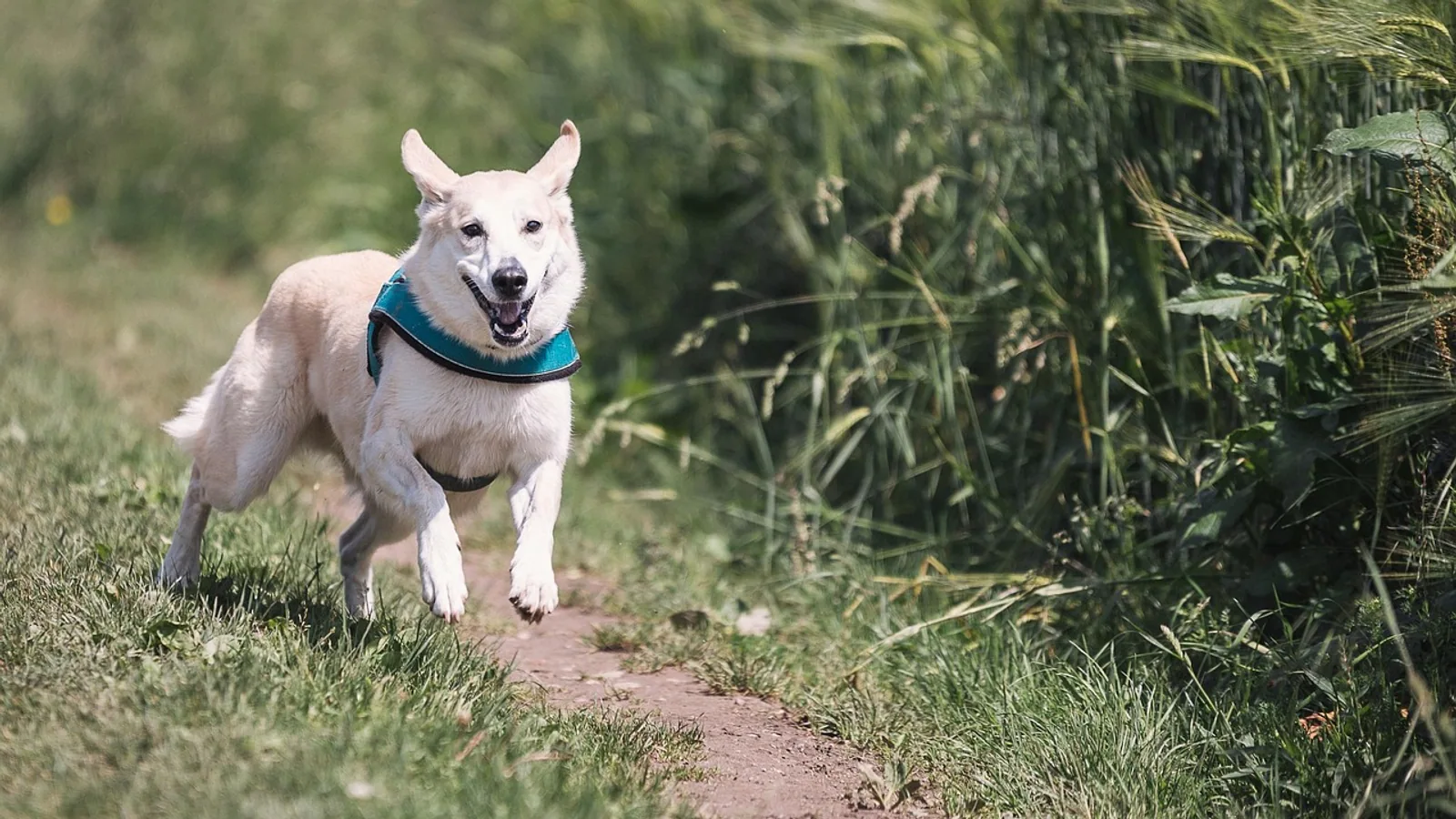
The Lagotto Romagnolo is a medium-sized, curly-coated Italian water dog that was repurposed from marshland retriever to the world's most celebrated truffle hunter. The breed is affectionate, busy, and intensely scent-driven, with a dense wool coat that sheds very little but mats easily and demands real grooming time. The Lagotto is not a low-maintenance dog, and it is not a hypoallergenic dog in any strict medical sense despite the common marketing claim. Health is the area where owners need to be most deliberate. The breed carries a well-documented remitting juvenile epilepsy tied to the LGI2 gene, a progressive neurodegenerative storage disease tied to ATG4D, and a growing list of other inherited conditions that responsible breeders now screen for. This guide covers what the Lagotto is, how it works, how to keep the coat functional, and which genetic and clinical screening tests you should expect a breeder to produce before you commit to a puppy.
This article is educational and is not a substitute for veterinary diagnosis or treatment.
At a Glance
| Attribute | Detail |
|---|---|
| Origin | Italy (Romagna region), historic water retriever turned truffle dog [1][2] |
| Size class | Medium |
| Coat | Curly, wool-textured, dense, low-shedding but high-matting |
| Shedding | Low, with shed hair trapped in the coat rather than dropped [1] |
| Energy level | High, needs daily physical and mental work |
| Trainability | High, food and scent motivated, sensitive to harsh handling |
| Grooming burden | High, regular brushing plus periodic clipping or stripping |
| Good with children | Generally yes with supervision and training |
| Good with other pets | Variable, strong prey and scent drive can complicate small-pet homes |
| Lifespan | Long-lived for its size, commonly into the early teens |
| Signature health risks | LGI2 juvenile epilepsy, ATG4D storage disease, hip dysplasia, eye disease, cerebellar degeneration |
The table above summarizes breed-level tendencies. Individual dogs vary, and a veterinarian who examines your dog should guide any decisions about diagnosis or treatment.
History and Purpose: From Marsh Retriever to Truffle Dog
The Lagotto Romagnolo comes from the lowlands of Romagna in northeastern Italy. The breed began as a water dog used to retrieve waterfowl from marsh and wetland. When those marshes were drained and the waterfowl work declined, the same dogs were redirected to a different job. Their nose, willingness to work cover, and persistence made them useful for locating the underground fruiting bodies of truffles, the valuable fungi harvested for culinary use. That second career is the one that made the breed famous, and it is the reason the truffle dog label sticks to the Lagotto today [1][2].
The truffle job is not a novelty. It is a genuine working discipline that shapes the breed's temperament. A truffle dog must quarter ground methodically, hold a scent line, indicate a specific spot, and then wait or work without destroying the find. That combination of sustained scent work, self-control at the point of the find, and cooperation with a handler is the behavioral core of the breed. Owners who understand this get a dog that is happiest when given a job. Owners who expect a decorative lap dog often get a frustrated digger instead.
The breed was recognized in its modern form through Italian breed clubs and later spread internationally. In the United States, the Lagotto Romagnolo is recognized by the American Kennel Club and appears in the AKC breed registry and marketplace listings, which is where many US buyers first encounter available litters [1][3].
Appearance and the Curly Coat
The Lagotto is a squarely built, rustic-looking dog with a thick, curly coat that covers the body densely. The coat is the breed's most recognizable feature and also its biggest maintenance liability. The texture is closer to wool than to the silky or harsh coats of many sporting breeds. That wool texture is exactly why the coat holds shed hair instead of releasing it into the environment, and it is also why the coat felts and mats when it is neglected [1].
The face carries a distinct beard and mustache, and the coat typically requires shaping around the eyes, muzzle, and feet to keep the dog functional and comfortable. Colors vary within the breed standard, and the coat may change substantially between puppy and adult. Puppy coats are often softer and less tightly curled than the adult coat, which means grooming demands frequently increase after the first year.
Why the Lagotto Is Low-Shedding but Not Hypoallergenic
Lagotto Romagnolo shedding is genuinely low. The breed is often described as shedding little because the shed hair stays trapped in the growing coat rather than falling out around the house [1]. This is why the breed is frequently recommended to households that dislike loose hair on furniture and clothing.
Low shedding is not the same as hypoallergenic. Allergens in dogs come primarily from proteins in saliva, skin dander, and urine, not from shed hair alone. A dog that sheds little still produces dander and still licks its coat. A person with a dog allergy can react to a Lagotto just as they can react to any other breed. Anyone with a known dog allergy should spend time with an adult Lagotto, ideally in the breeder's home, before assuming the breed will be tolerable. No breed is reliably safe for every allergic owner.
Grooming and Matting Demands
The Lagotto coat must be brushed on a schedule, not when it looks bad. Because shed hair stays in the coat, small tangles progress into tight mats, and mats progress into skin problems. A matted coat traps moisture and debris against the skin, which can lead to dermatitis and secondary infection. The dense wool texture means mats often form close to the skin where they are hard to see, particularly behind the ears, under the collar, in the armpits, and around the tail base.
A practical grooming routine for a Lagotto includes line brushing down to the skin several times a week, with more frequent sessions during coat change periods. Most owners also keep the coat clipped to a manageable working length, which reduces matting risk and makes brushing faster. Clipping does not stop the coat from matting, so brushing continues regardless of length. Ears need regular attention because the breed's drop ears and dense coat limit airflow. Nails, teeth, and anal glands should be handled on a routine schedule consistent with your veterinarian's wellness recommendations, such as those published by the AAHA.
Do not bathe a matted dog and let the coat dry in place. Water tightens existing mats and can make them worse. Dematting a severely matted Lagotto is often painful and is sometimes best done by a professional groomer or with veterinary sedation for welfare reasons. If the coat is severely matted and the skin underneath is red, moist, or odorous, that is a veterinary problem, not a grooming problem.
Lagotto Romagnolo Temperament
The Lagotto Romagnolo temperament is best described as engaged, busy, and scent-led. These are working dogs with a strong desire to investigate, dig, and follow odor. They are typically affectionate with their people and form close attachments, but they are not passive companions. They need interaction, training, and outlets for scent work.
Scent Drive and Digging
Digging is a normal Lagotto behavior, not a defect. The breed was selected to locate things underground, and digging is part of how a working truffle dog investigates and indicates a find. Owners should expect some digging and should plan for it. A designated digging area, a sandbox, or controlled scent games can redirect the behavior. Punishing the dog for digging without providing an outlet tends to produce a dog that digs where you cannot see it.
Scent work is the single most useful enrichment tool for this breed. Nose work games, hidden treats, tracking, and structured truffle training all match the dog's biology. A Lagotto given regular scent work is generally calmer and easier to live with than one given only physical exercise. Physical exercise alone does not satisfy a working nose.
Trainability and Sensitivity
Lagottos are intelligent and generally willing to work with a handler. They are also sensitive. Harsh corrections and heavy-handed training tend to produce avoidance, shutdown, or sneaky behavior rather than compliance. Positive reinforcement, clear criteria, and short sessions work better. Because the breed is food motivated, reward-based training is straightforward for most owners.
Behavioral Notes Tied to Juvenile Epilepsy
There is a documented behavioral dimension to the breed's juvenile epilepsy that owners should know about. In a long-term follow-up study of 25 Lagottos with a history of benign familial juvenile epilepsy compared with 91 control dogs of the same breed, the affected dogs scored significantly higher on factors labeled Inattention and Excitability/Impulsivity [4]. In plain terms, dogs that had the juvenile seizure syndrome were more likely to be described as inattentive and more impulsive or excitable than breed controls, even after their seizures had resolved. Only one of the 25 dogs had seizures after remission in puppyhood, so the seizures themselves usually stop [4]. The behavioral difference is the part that persists.
This matters for owners because a Lagotto with a history of juvenile epilepsy may need more structured training, more impulse-control work, and more patience than a dog without that history. It does not mean the dog is untrainable. It means the dog may need a clearer routine and more reinforcement for settling.
Good With Children and Other Pets
With sensible management, Lagottos can live well with children who are taught to handle dogs respectfully. The breed is generally affectionate and playful. Because the breed is excitable and impulsive in some lines, and because herding and chasing behaviors can emerge, small children should be supervised around any Lagotto, particularly during play that involves running and squealing.
Small pets are a separate question. A dog selected for generations to find and indicate hidden objects, with strong prey and scent drive, may not be safe with free-roaming rodents, birds, or reptiles. Some Lagottos live peacefully with cats, particularly cats already established in the home. Others do not. This is an individual assessment best made with the breeder's knowledge of the specific dog and with careful, supervised introductions.
Exercise, Training, and Work
A Lagotto needs daily physical exercise and daily mental work. The two are not interchangeable. A long walk satisfies the body. Scent games, training sessions, and problem-solving satisfy the brain. Owners who provide only one tend to get a dog that invents its own entertainment, which usually involves digging, chewing, or barking.
Truffle hunting is the breed's traditional work and remains the most natural outlet for a Lagotto. Even owners with no interest in actual truffle harvest can use truffle-scent training as a structured game. The dog learns to search a defined area, locate a target odor, and indicate the find. This builds impulse control, stamina, and cooperation. It also gives the dog a job that matches its genetics.
Formal dog sports that suit the breed include nose work, tracking, rally, and obedience. Agility can work for physically sound dogs, but joint health should be assessed before high-impact activity, particularly in dogs with a family history of hip dysplasia. Swimming is often well tolerated because of the breed's water-dog history, though ear care matters after swimming.
Puppies should not be pushed into repetitive high-impact exercise before growth plates close. Free play, short training sessions, and age-appropriate socialization are more appropriate. Ask your veterinarian to guide exercise progression based on your individual puppy's development.
Feeding Considerations
The Lagotto is a medium-sized, active breed, and feeding should match body condition rather than a fixed amount on a bag. Body condition scoring at every veterinary visit is the most reliable way to adjust portions. Because the breed is food motivated, Lagottos are prone to overeating if food is left available, and obesity worsens joint disease in a breed already at risk for hip dysplasia.
Some Lagottos do well on standard maintenance diets. Others appear sensitive to certain ingredients, though true food allergy should be diagnosed by a veterinarian using an elimination diet rather than guessed at from the internet. If your dog has chronic itching, ear infections, or gastrointestinal signs, that is a veterinary workup, not a diet experiment. Owners should also be aware that dogs with certain neurologic or metabolic conditions may have specific nutritional needs, and those should be set by the treating veterinarian.
Fresh water should be available at all times, and treats used in training should be counted against daily calories. Because the breed is highly trainable with food, it is easy to over-reward. Measure treats and reduce meal portions accordingly.
Lagotto Health Problems
The Lagotto Romagnolo has a well-characterized set of inherited diseases, several of which were discovered and described specifically in this breed. This is good news in one sense. It means DNA tests exist for some of the most serious conditions, and breeders can screen. It is bad news in another sense. It means the breed's health problems are serious, progressive, and in some cases fatal. Owners should approach a Lagotto purchase as a genetic screening exercise, not a cosmetic one.
Benign Familial Juvenile Epilepsy (LGI2)
Benign familial juvenile epilepsy is the breed's signature neurologic condition. It was first described in Lagotto Romagnolo puppies examined for simple or complex focal seizures. Seizures began at 5 to 9 weeks of age and usually resolved spontaneously by 8 to 13 weeks. Puppies with the most severe seizures also showed signs of neurologic disease between seizures, including generalized ataxia and hypermetria. Routine laboratory screening of blood, urine, and cerebrospinal fluid was normal, and advanced imaging did not show consistent abnormalities. Electroencephalography revealed epileptiform activity in most affected puppies. Pedigree analysis suggested an autosomal recessive mode of inheritance [5].
The genetic cause was later identified as a protein-truncating mutation in the LGI2 gene, a homologue of the human epilepsy gene LGI1. The epilepsy onsets at around seven weeks, roughly equivalent to a two-year-old child, and remits by about four months, roughly equivalent to an eight-year-old child. LGI2 is neuronally secreted and acts on ADAM family neuronal receptors involved in synapse remodeling. The truncation prevents secretion and receptor interaction [6]. The LGI protein family plays a role in synaptic transmission, and dysfunction can cause hyperexcitability [7].
The clinical course is usually benign in the sense that seizures stop, but the long-term picture is not entirely clean. In the follow-up study of 25 affected dogs, only one had seizures after remission [4]. However, affected dogs scored higher on inattention and excitability/impulsivity than breed controls [4]. Owners of a Lagotto with a history of juvenile epilepsy should expect a dog that may need more structured behavioral support.
Imaging studies add another layer. In FDG-PET imaging of Lagottos with juvenile epilepsy, five of six dogs with juvenile epilepsy showed areas of hypometabolism in the occipital, temporal, and parietal cortex between seizures, and EEG changes occurred in the same areas in three of those dogs. Dogs with adult-onset epilepsy did not show these abnormalities [8]. This supports the idea that juvenile epilepsy in this breed is a distinct syndrome with a specific functional signature, not simply early-onset epilepsy of any cause.
For owners, the practical points are these. A puppy that has seizures between five and nine weeks of age should be evaluated by a veterinarian promptly. The seizures often stop on their own by around three months. The diagnosis is supported by breed, age, and the characteristic pattern, and by genetic testing. Treatment decisions, including whether to use anti-seizure medication, belong to the treating veterinarian. Most importantly, because the inheritance is autosomal recessive, two carrier parents can produce affected puppies, and DNA testing of breeding dogs is the only reliable way to avoid that.
Lagotto Storage Disease (ATG4D)
Lagotto storage disease is a progressive neurodegenerative condition caused by a missense variant in the ATG4D gene. Affected dogs develop progressive cerebellar ataxia, sometimes with episodic nystagmus and behavioral changes. The pathology is distinctive. Affected dogs show profound neuronal cytoplasmic vacuolization in the nervous system, along with spheroid formation and cytoplasmic aggregation of vacuoles in secretory epithelial tissues and mesenchymal cells. The variant, c.1288G>A; p.A430T, was identified on canine chromosome 20 with a highly significant disease association in a cohort of more than 2,300 Lagotto Romagnolo dogs. ATG4D encodes a cysteine protease in the macroautophagy pathway, and histological analysis confirmed altered autophagic flux in affected tissues. Knockdown of the zebrafish homologue caused widespread developmental disturbance and neurodegeneration in the central nervous system [9].
The disease is not a classic lysosomal storage disease. When researchers examined fibroblasts from affected dogs, they found that basal autophagy was altered rather than a lysosomal enzyme deficiency. Under basal conditions, affected fibroblasts contained significantly more LC3-II and LC3-positive vesicles than controls, and multiple cell types showed vacuolization [10]. A follow-up study showed that the vacuole membranes contained ATG4D along with markers for autolysosomes and recycling endosomes, indicating that the vacuoles are hybrid organelles between endocytic and autophagic pathways. Affected fibroblasts also released significantly more extracellular vesicles under basal conditions than controls, and this difference disappeared during starvation [11].
For owners, the key facts are that this is a serious, progressive neurologic disease with no described cure, that it is inherited in a pattern consistent with autosomal recessive transmission, and that a DNA test for the ATG4D variant exists. Breeders should test both parents. Two carriers should not be bred together.
Other Neurologic Conditions
The Lagotto is affected by more than one neurologic disease, and owners should not assume that any staggering or incoordination is the same condition. Four neurologic diseases affect the breed according to a 2025 pathology review: benign familial juvenile epilepsy, vacuolar storage disease, and two forms of cerebellar cortical degeneration [12].
Cerebellar cortical abiotrophy has been documented in the breed. Two unrelated Lagottos showed potentially inherited cerebellar cortical abiotrophy with two different lesion patterns. One had depletion of the cerebellar granular cell layer with sparing of the Purkinje cell layer. The other had degenerative changes in both Purkinje and granular cell layers. The clinical picture was similar in both, though severity varied [13].
Granuloprival cerebellar cortical degeneration is an uncommon form of cerebellar cortical degeneration that has now been described in a Lagotto. A 7-month-old Lagotto presented with progressive cerebellar dysfunction including wide-based stance, cerebellar ataxia, intention tremors, and loss of menace response despite normal vision. MRI showed marked diffuse decrease in cerebellum size. Euthanasia was performed because of progression, and histopathology confirmed marked diffuse thinning of the granular cell layer with almost complete loss of granular cell neurons [14].
A separate pathology study examined neuronal cytoplasmic inclusion bodies in the brains of Lagottos. These inclusions were first described in the benign familial juvenile epilepsy phenotype, but similar inclusions were later found in Lagottos used as controls. Electron microscopy showed the inclusions were cytoplasmic aggregates without a limiting membrane, proteinaceous on histochemical staining, and positive on phosphotungstic-acid-hematoxylin stain. Markers of common human proteinopathies, including ubiquitin, p62, LC3, alpha-synuclein, and beta-amyloid, were not detected. The overall presence of inclusion bodies was not significantly associated with the dog's neurologic status, and there was an association between inclusions in the cerebral cortex and the absence of clinical neurologic disease [12]. In plain terms, these inclusions are common in the breed and are not by themselves proof of disease.
Hip Dysplasia
Hip dysplasia is a developmental orthopedic disease in which the hip joint does not form properly, leading to laxity, degenerative change, and arthritis. It is a recognized concern in the breed, and breeders should screen breeding dogs with hip radiographs evaluated by a recognized registry. The Orthopedic Foundation for Animals (OFA) and the British Veterinary Association (BVA) hip schemes are the standard screening routes used by responsible breeders. PennHIP is another validated method that measures hip laxity.
Owners should ask for hip scores or evaluations on both parents and, ideally, on grandparents. A single "clear" dog is less informative than a pedigree with consistently good hip evaluations. Environmental factors matter too. Rapid growth, obesity, and high-impact repetitive exercise in young dogs can worsen the expression of hip dysplasia in a genetically predisposed dog. Your veterinarian can advise on appropriate exercise and weight management for a growing Lagotto.
Eye Disease
A retrospective study of 216 Lagotto Romagnolo dogs examined at a referral population in Italy between 2012 and 2020 found that 85 dogs (39.35%) were ophthalmologically healthy, 43 dogs (19.91%) had ocular disease presumed not hereditary, and 88 dogs (40.74%) were affected by at least one known or presumed hereditary eye disease. The most common hereditary eye diseases were cataract in 28 of 88 affected dogs (31.82%), corneal endothelial dystrophy in 17 (19.32%), retinal dysplasia in 9 (10.23%), lens instability in 7 (7.95%), progressive retinal atrophy in 6 (6.82%), and keratoconjunctivitis sicca in 6 (6.82%). Most dogs with a hereditary eye disease were identified through clinical ophthalmic examination rather than routine screening, and some diseases had a characteristic late onset [15].
This is a referral population, so the percentages are higher than you would expect in the general breed population. The practical takeaway is that eye disease is common enough in the breed that breeding dogs should have current eye examinations by a veterinary ophthalmologist, and owners should plan for periodic eye checks as the dog ages. Cataracts and progressive retinal atrophy can affect vision, and keratoconjunctivitis sicca (dry eye) is treatable when caught early.
Polycystic Kidney Disease (PKD1)
A nonsense variant in the PKD1 gene has been identified in a Lagotto Romagnolo family with polycystic kidney disease. The index female and her progeny were studied. Affected dogs appeared clinically inconspicuous, but ultrasound revealed renal cysts. The pedigrees suggested autosomal dominant inheritance. Whole genome sequencing of the index female and her unaffected parents identified a de novo heterozygous nonsense variant predicted to truncate 44% of the wild-type PKD1 protein. The mutant allele co-segregated perfectly with the PKD phenotype in two litters [16].
Because the inheritance is dominant and the dogs can appear clinically normal, this condition can spread quietly in a breeding line. A DNA test is available. Breeders should test, and buyers should ask for results.
Muscular Dystrophy (SGCD)
A homozygous protein-changing variant in the SGCD gene, encoding delta-sarcoglycan, was identified in an 8-month-old female Lagotto Romagnolo with autosomal recessively inherited limb-girdle muscular dystrophy. The dog presented with a one-month history of severe reluctance to move that progressed rapidly to a marked stiff gait, progressive muscular weakness, and tetraparesis, leading the owner to request euthanasia. Histopathology showed muscle atrophy, hypertrophy, necrosis with calcification, and mild fibrosis and inflammation. Immunohistochemistry showed absence of all three dystrophin domains and sarcoglycan proteins, and Western blot showed no band for delta-sarcoglycan. The variant was predicted to cause an SGCD:p.(Leu242Pro) change. When 770 other Lagotto Romagnolo dogs were genotyped for the variant, all were homozygous wild type [17].
This appears to be a rare private variant rather than a widespread breed problem, but it is a reminder that the breed's genetic landscape is still being mapped and that new tests can appear. Owners should ask breeders whether they are following current breed club health recommendations.
Osteogenesis Imperfecta (COL1A2)
A de novo in-frame duplication in the COL1A2 gene has been reported in a Lagotto Romagnolo with osteogenesis imperfecta [18]. This is a rare finding and not a routine screening target, but it is part of the breed's documented genetic disease record.
Aspergillosis and Opportunistic Infection
A case report described disseminated aspergillosis with severe non-regenerative anemia in a 6.5-year-old intact male Lagotto Romagnolo. The dog had a history of right-sided head tilt and cervical and lumbosacral pain unresponsive to anti-inflammatory and antibiotic therapy, and three months before clinical signs appeared, a nasal grass awn foreign body had been removed. Diagnostic imaging found multi-organ disseminated lesions, and cytology of renal lesions identified fungal hyphae later cultured as Aspergillus fumigatus. Treatment with itraconazole resolved the anemia and controlled clinical signs, though it was discontinued nine months later because of impaired renal function. The dog relapsed and responded again to antifungal therapy, remaining alive in partial clinical remission at the time of writing [19].
This is a single case, not evidence that Lagottos are generally predisposed to aspergillosis. It is included here because it illustrates two useful points. First, a grass awn foreign body can precede serious infection, so nasal foreign bodies in this breed deserve prompt veterinary attention. Second, disseminated fungal disease can present with vague neurologic and musculoskeletal signs and severe anemia, and it requires a systematic veterinary workup.
DNA Tests to Ask Breeders For
Before placing a deposit on a Lagotto puppy, ask the breeder for written documentation of the following tests on both parents. A responsible breeder will provide them without hesitation.
- LGI2 (benign familial juvenile epilepsy). This is the breed's signature inherited epilepsy. Both parents should be tested, and two carriers should not be bred together [5][6].
- ATG4D (Lagotto storage disease). This is the progressive neurodegenerative storage disease. Both parents should be tested, and two carriers should not be bred together [9].
- PKD1 (polycystic kidney disease). Because the inheritance is dominant and affected dogs can look normal, testing is important for any dog used in breeding [16].
- Hip evaluation. Ask for OFA, BVA, or PennHIP results on both parents. A pedigree with consistently good hip scores is more informative than a single result.
- Eye examination. Ask for a current examination by a veterinary ophthalmologist. Because some hereditary eye diseases in this breed have a late onset, an examination from several years ago is not sufficient [15].
- SGCD (limb-girdle muscular dystrophy). This is a rare variant, but a breeder following current genetic research may have this result available [17].
Ask also whether the breeder is aware of cerebellar cortical degeneration in the lines behind the puppy, since that condition has been documented in the breed in more than one form and does not yet have a widely available commercial DNA test [14][13].
Lifespan and Long-Term Care
The Lagotto Romagnolo is a long-lived medium breed, and many dogs live well into their teens. Longevity is not the same as health span. The breed's neurologic diseases can shorten life substantially when they occur, and hip dysplasia and eye disease can erode quality of life over years. Owners should plan for regular veterinary wellness examinations, dental care, parasite prevention, and vaccination according to their veterinarian's protocol and current AAHA and AVMA guidance.
Middle-aged and senior Lagottos benefit from periodic bloodwork, urinalysis, and blood pressure measurement, and from eye examinations as they age. Any change in gait, coordination, vision, or behavior in a Lagotto deserves a veterinary evaluation, because the breed has multiple conditions that can present with neurologic signs.
Finding a Responsible Breeder or Rescue
A responsible Lagotto breeder does several things. They test breeding dogs for the breed's known genetic diseases and share the results. They provide health documentation on both parents, not just the dam. They allow you to meet the dam and, when possible, the sire. They keep puppies in a home environment with appropriate socialization. They ask you questions about your lifestyle, exercise capacity, and grooming willingness. They provide a written contract that includes health guarantees and a return clause if you cannot keep the dog. They are willing to be contacted years later with questions.
They also do not do certain things. They do not sell puppies without health testing. They do not claim the breed is hypoallergenic. They do not produce multiple litters per year from the same dam without rest. They do not let puppies leave before they are developmentally ready.
Rescue is a legitimate route for this breed. Lagotto-specific rescue organizations exist, and breed rescues occasionally place adults and adolescents. Adult dogs from rescue may come with unknown health histories, so a veterinary examination and baseline genetic testing are reasonable steps after adoption.
Who Should Not Get a Lagotto Romagnolo
The Lagotto is a poor fit for several households.
- People who want a low-maintenance coat. The Lagotto coat requires regular brushing and professional grooming. If you will not commit to that, the coat will mat and the dog will suffer.
- People with dog allergies who assume the breed is safe. Low shedding is not hypoallergenic. Spend time with an adult Lagotto before committing.
- People who want a calm, low-energy companion. This is a working breed with real exercise and mental stimulation needs.
- People who cannot tolerate digging. Digging is normal for this breed. If digging is unacceptable, choose a different breed.
- People who want a dog that can be left alone for long stretches. Lagottos are social and busy. Extended isolation tends to produce behavior problems.
- People who cannot afford genetic testing, grooming, and potential veterinary care for inherited disease. The breed's health risks are real and can be expensive.
- Homes with free-roaming small pets and no ability to manage prey drive. This is an individual assessment, but the risk is real.
Limitations and When to Contact a Veterinarian
This article describes breed-level tendencies. Individual dogs vary, and only a veterinarian who examines your dog can diagnose or treat a specific condition. Contact a veterinarian promptly if your Lagotto puppy has seizures, especially between five and nine weeks of age, or if any dog of this breed shows a new wobble, wide-based stance, intention tremor, loss of menace response, or progressive weakness. These signs can indicate one of several neurologic conditions in the breed, and early evaluation matters.
Contact a veterinarian if your dog has a sudden change in vision, red or cloudy eyes, or persistent squinting. Contact a veterinarian if your dog has a nasal foreign body, a persistent nasal discharge, or unexplained weight loss, because foreign bodies can precede serious infection. Contact a veterinarian if your dog has lameness, difficulty rising, or exercise intolerance, because hip dysplasia and muscular disease both present this way. Contact a veterinarian if your dog's skin under the coat is red, moist, or odorous, because that usually means a mat has been trapping moisture and debris against the skin.
For any dog with a known or suspected inherited disease, follow the treatment plan set by your veterinarian and keep recheck appointments. Do not adjust medication or diet on your own.
Frequently Asked Questions
Is the Lagotto Romagnolo hypoallergenic?
No. The Lagotto Romagnolo is low-shedding, but low shedding does not make a breed hypoallergenic. Dog allergens come primarily from saliva, skin dander, and urine, and a low-shedding dog still produces all three. Anyone with a dog allergy should spend time with an adult Lagotto before assuming the breed will be tolerable.
How much does a Lagotto Romagnolo shed?
Lagotto Romagnolo shedding is low. The shed hair stays trapped in the dense wool coat rather than falling out around the home, which is why the breed is often described as low-shedding. The trade-off is that the trapped hair contributes to matting, so the coat needs regular brushing.
What is benign familial juvenile epilepsy in Lagotto Romagnolo dogs?
Benign familial juvenile epilepsy is a remitting seizure syndrome in Lagotto puppies caused by a mutation in the LGI2 gene. Seizures typically begin at 5 to 9 weeks of age and resolve spontaneously by 8 to 13 weeks. Most affected dogs do not have seizures after remission, but they may score higher on measures of inattention and excitability or impulsivity than unaffected dogs of the same breed.
What is Lagotto storage disease?
Lagotto storage disease is a progressive neurodegenerative condition caused by a variant in the ATG4D gene. Affected dogs develop progressive cerebellar ataxia, sometimes with episodic nystagmus and behavioral changes, along with distinctive vacuolar pathology in the nervous system and other tissues. It is a serious inherited disease with no described cure, and a DNA test exists for the responsible variant.
Do Lagotto Romagnolo dogs dig?
Yes. Digging is normal behavior for this breed. Lagottos were selected to locate underground truffles, and digging is part of how they investigate and indicate a find. Owners should provide a designated digging area or redirect the behavior into structured scent work rather than trying to eliminate it.
What health tests should a Lagotto breeder provide?
A responsible breeder should provide DNA test results for LGI2, ATG4D, and PKD1 on both parents, hip evaluations from a recognized registry such as OFA or PennHIP, and a current eye examination by a veterinary ophthalmologist. Some breeders may also have SGCD results. Ask for written documentation, not verbal assurances.
Are Lagotto Romagnolo dogs good with children?
Generally yes, with supervision and training. The breed is affectionate and playful, but it is also excitable and can be impulsive, particularly dogs with a history of juvenile epilepsy. Small children should be supervised around any Lagotto, and children should be taught how to interact with dogs respectfully.
How long do Lagotto Romagnolo dogs live?
The Lagotto Romagnolo is a long-lived medium breed, and many dogs live into their early teens. Lifespan varies with genetics, body condition, dental care, and the presence or absence of inherited disease. The breed's neurologic conditions and hip dysplasia can shorten life or reduce quality of life when they occur.
Related Articles
- Dog Losing Lots of Hair: Is It Normal Shedding or a Problem?
- Dog Shedding Control
- Dog Shedding Cycle
- Dog Shedding Management
- Can Dog Shedding Be Controlled
- Dog Shedding Constantly
- Borzoi: Temperament, Exercise, Care, and Health Problems
- Wolf Dog Hybrids: Temperament, Health, and Legal Reality
- Whippet Dog Breed Guide: Temperament, Exercise, and Daily Care
Sources
- Lagotto Romagnolo Dog Breed Information (akc.org)
- Lagotto Romagnolo Facts You May Not Know (akc.org)
- Lagotto Romagnolo Puppies For Sale - AKC Marketplace (marketplace.akc.org)
- Behavioral Abnormalities in Lagotto Romagnolo Dogs with a History of Benign Familial Juvenile Epilepsy: A Long-Term Follow-Up Study.
- Benign familial juvenile epilepsy in Lagotto Romagnolo dogs.
- LGI2 truncation causes a remitting focal epilepsy in dogs.
- LGI Proteins and Epilepsy in Human and Animals.
- FDG-PET in healthy and epileptic Lagotto Romagnolo dogs and changes in brain glucose uptake with age.
- A missense change in the ATG4D gene links aberrant autophagy to a neurodegenerative vacuolar storage disease.
- Basal Autophagy Is Altered in Lagotto Romagnolo Dogs with an ATG4D Mutation.
- Altered Basal Autophagy Affects Extracellular Vesicle Release in Cells of Lagotto Romagnolo Dogs With a Variant ATG4D.
- Neuronal cytoplasmic inclusion bodies in the brain of Lagotto Romagnolo dogs: A qualitative and quantitative histologic evaluation.
- Cerebellar cortical abiotrophy in Lagotto Romagnolo dogs.
- Granuloprival cerebellar cortical degeneration in a Yorkshire Terrier and Lagotto Romagnolo dog.
- A multicenter retrospective evaluation of the prevalence of known and presumed hereditary eye diseases in Lagotto Romagnolo dog breed within a referral population in Italy (2012-2020).
- PKD1 Nonsense Variant in a Lagotto Romagnolo Family with Polycystic Kidney Disease.
- SGCD Missense Variant in a Lagotto Romagnolo Dog with Autosomal Recessively Inherited Limb-Girdle Muscular Dystrophy.
- A de novo in-frame duplication in the COL1A2 gene in a Lagotto Romagnolo dog with osteogenesis imperfecta.
- Disseminated aspergillosis associated with severe non-regenerative anemia in a Lagotto Romagnolo: a case report.