Damascus Goat: Shami Breed Traits and Health
By Dr. Zubair Khalid, DVM, MS, PhD ·
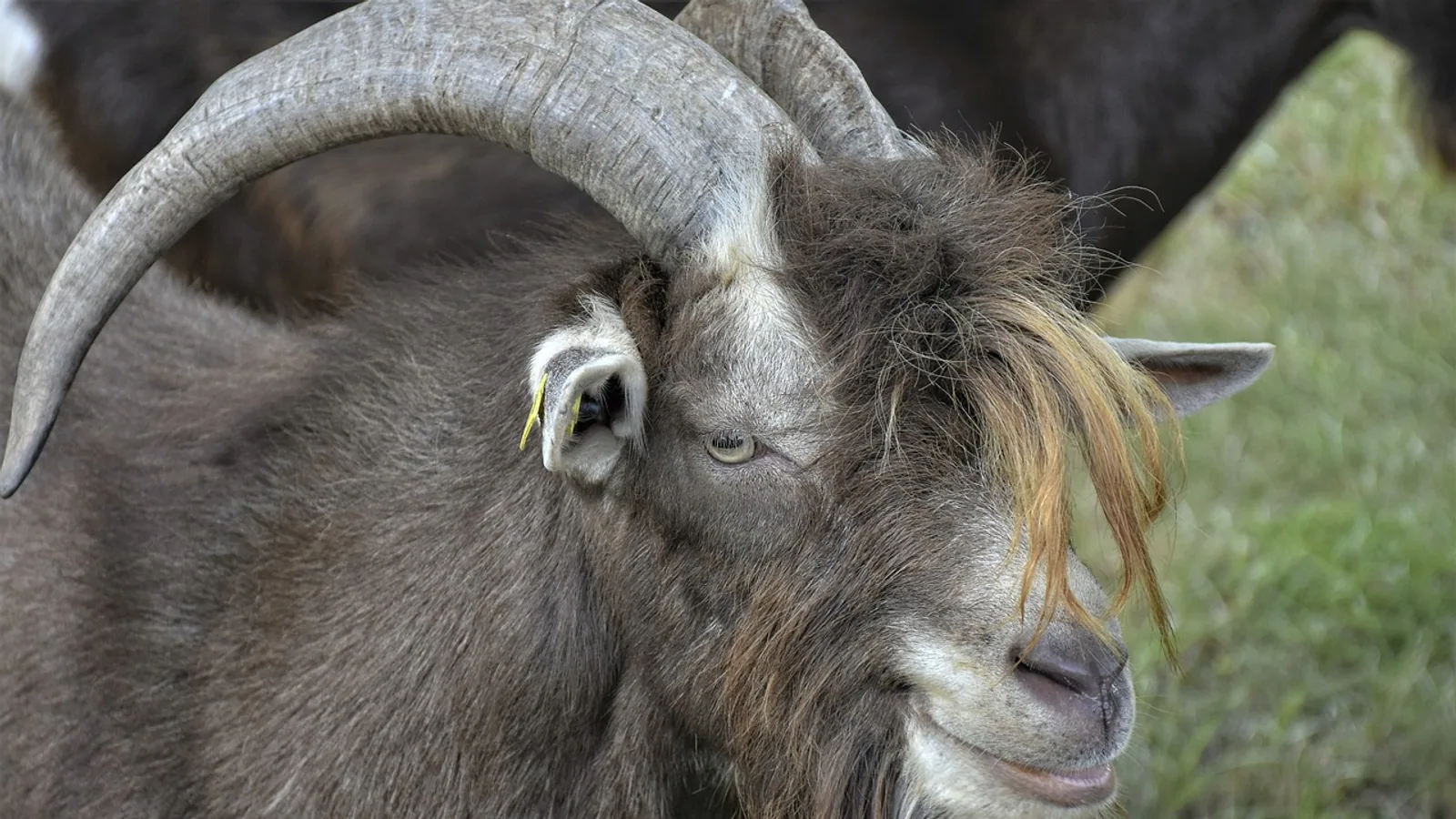
The Damascus goat, known across the Levant as the Shami goat, is a dual-purpose dairy and meat breed that originated in Syria and Lebanon and spread through the eastern Mediterranean, Cyprus, and North Africa. It is one of the most productive milk breeds in the Middle East and one of the most heat-adapted. A mature doe commonly weighs around 45 to 50 kg, and research herds have recorded does averaging roughly 47 kg at the start of lactation [1]. The breed is instantly recognizable by a strongly convex facial profile and long, wide, pendulous ears that hang well below the jaw. That silhouette is the reason the Damascus goat turns up in search results about "deformed" or "ugly" goats. The head shape is normal anatomy for the breed, not a defect.
For an owner in a hot, dry climate, the Damascus goat offers a rare combination: heavy milk production, tolerance of high temperature and humidity, and the ability to breed and lactate on forage-based systems. It also has real weaknesses. It is a seasonal breeder, it is a comparatively poor feed converter next to some other breeds, and it is prone to mastitis, foot rot, and internal parasites like any dairy goat kept at pasture. This guide covers the breed's traits, its care requirements, and the health problems a Damascus goat owner is most likely to face.
This article is educational and is not a substitute for veterinary diagnosis or treatment.
At a Glance
| Trait | Detail |
|---|---|
| Origin | Syria and Lebanon (Levant), historically called the Shami goat |
| Primary use | Dual-purpose: milk and meat |
| Adult doe weight | Approximately 47 kg in research herds [1], commonly cited around 45 to 50 kg |
| Adult buck weight | Heavier than does, with males selected for growth traits [2] |
| Coat | Short to medium, variable color, often with a long mane and beard in bucks |
| Distinctive features | Convex (Roman) nose, long drooping ears |
| Temperament | Docile, tractable dairy temperament, well suited to hand milking |
| Milk yield | High for a Mediterranean breed, with fat supplementation and good nutrition raising output [1][3] |
| Lactation | Long, with kids often suckling for three months or more on some farms [4] |
| Heat tolerance | High, performs under heat stress conditions [5] |
| Breeding season | Seasonal, with peak fertility in late summer and autumn [6][7] |
| Lifespan | Productive dairy life typically 6 to 8 years, with individual variation |
| Grooming | Low, routine hoof trimming and parasite monitoring matter more than coat care |
| Good with children and other animals | Generally calm and easy to handle, but large horns in some lines require supervision |
History and Purpose of the Damascus Goat
The Damascus goat takes its name from the region around Damascus, Syria, and it has been kept as a household dairy animal in Syria, Lebanon, Jordan, and Palestine for generations. Outside the Levant, the same breed is called the Shami goat, and the two names refer to the same animal. The breed is one of the classic Middle Eastern goats, grouped with other heat-adapted Levantine and North African types that were shaped by a Mediterranean climate of hot, dry summers and cool, wet winters.
The breed's historical role is dual-purpose. Does are milked for household and market dairy production, and surplus males and cull animals are raised for meat. This dual role still defines the breed today. In a study of growing Damascus male goats, researchers fed diets with graded levels of Azolla pinnata replacing part of the concentrate feed and measured rumen bacteria, carcass traits, and meat quality, which reflects the breed's continued use as a meat animal alongside its dairy role [8]. Growth Hormone gene work in Damascus males has focused on muscle mass and growth characteristics, another sign that meat production remains part of the breed's economic purpose [2].
The breed also traveled. Damascus goats were exported to Cyprus, Greece, and other Mediterranean countries, where they were kept as purebred dairy stock and studied under European management conditions. In a survey of intensive dairy goat farms in Northern Cyprus, 38.1 percent of goats on the sampled farms were Damascus, making it the second most common breed group after crossbred animals [4]. In Greece, Damascus bucks were kept alongside Alpine and Saanen bucks at a research institute for studies of semen production and photoperiod response [6]. This pattern, a Levantine breed adopted into European dairy systems, is unusual among Middle Eastern goats and reflects how well the Damascus goat performs when moved into intensive management.
Appearance: Why the Damascus Goat Looks the Way It Does
The Damascus goat has a face that people remember. The profile is strongly convex, with a pronounced Roman nose, and the ears are long, broad, and drooping, often extending well past the jawline. Bucks carry a heavy beard and a mane along the neck and shoulders. Body condition is medium to large for a Mediterranean goat, with a deep barrel and a well-attached udder in good dairy does.
The Roman nose and drooping ears are normal anatomy
Search interest in the "deformed Damascus goat" and the "ugly goat breed" almost always traces back to two features: the convex facial profile and the long, low-set ears. Neither is a deformity. The Roman nose is a breed-typical skull shape, the same trait that gives certain sheep and cattle breeds their distinctive profiles. The drooping ears are simply a long-eared ear carriage, and they are common across Levantine and Nubian-type goats. A Damascus goat with a Roman nose and hanging ears is a normal Damascus goat.
This matters for owners because it changes how you assess the head. A convex profile is not a sign of respiratory disease. Drooping ears are not a sign of ear infection by themselves. What you should watch for is change from the breed norm: new facial swelling, a sudden head tilt, discharge from the ear canal, or difficulty breathing through the nose. Those are clinical signs, and they warrant a veterinary examination. The shape of the face at rest is not.
Size and body type
The adult Damascus goat is a medium-to-large dairy breed by regional standards. In a controlled feeding trial, multiparous Shami does averaged 47.43 kg at the start of the study, and their final body weight was not affected by fat supplementation, though body weight change was higher in fat-treated groups [1]. That figure is a useful anchor for what a working adult doe weighs under research conditions. Bucks are heavier, and males in growth studies are selected and managed for muscle mass and growth rate [2].
The udder is large and well developed, which is the practical reason the breed is milked commercially. A large udder in a high-yielding doe also raises the stakes for mastitis monitoring, which is covered below.
Coat and color
Coat color in Damascus goats varies widely, from solid brown and black to gray, white, and patterned coats. The coat is short to medium in length. Bucks develop a pronounced mane and beard. Coat color is not linked to any health problem described in the breed literature, and owners should not select animals on color alone.
Temperament and Handling
The Damascus goat has a reputation as a manageable dairy animal. It is not a flighty breed, and does tolerate hand milking and routine handling well. This tractability is one reason the breed was adopted into intensive dairy farms in Cyprus, where nearly all inspected barns were semi-open or nearly open structures and animals were handled in close quarters [4].
Bucks deserve more caution. Adult males are large, and Damascus bucks are used in natural mating systems on many farms [4]. A mature buck with horns can injure a handler without meaning to, simply by swinging his head. Handle bucks with a halter or against a sturdy fence, and keep children out of the pen during breeding activity.
For does and kids, the breed is generally calm enough for family farms and smallholdings. Kids bottle-fed or handled early stay easy to manage into adulthood. The main handling challenge is size and strength, not temperament.
Exercise, Housing, and Management
Damascus goats are adaptable, but they are still dairy animals with specific needs. Housing should provide shade, dry footing, and ventilation. In the Cyprus farm survey, 95 percent of barns were semi-open or nearly open, which reflects the regional preference for airflow over closed housing in hot climates [4]. If you keep Damascus goats in a hot climate, shade and air movement matter more than insulation.
Footing is a management issue worth planning for. Foot rot and foot scald are common in goats kept on wet, muddy ground, and the Damascus goat is no exception. Dry, well-drained pens and loafing areas reduce the risk. Routine hoof trimming keeps the hoof wall from folding over the sole and trapping debris.
Exercise needs are moderate. Pasture access, a dry lot with room to move, or a combination of both keeps does fit for breeding and lactation. Does in late pregnancy and early lactation should not be pushed hard, but they should not be confined to a small pen either.
Feeding and Nutrition
The Damascus goat is a productive dairy breed, and its nutritional needs follow its milk output. A doe producing heavily needs energy, protein, minerals, and clean water in amounts that match her stage of lactation. The breed has been studied specifically for how diet changes milk production, which gives owners some useful benchmarks.
Fat supplementation and milk yield
A study of 32 multiparous Shami does fed isonitrogenous total mixed rations with 0, 2, 3, or 4 percent dry fat found that milk production and milk fat content were higher in fat-treated does. There was no difference between the 2 percent fat level and the control group, and milk protein content did not differ among groups. The same study found that body weight change in does, weaning weight of kids, and average daily gain of suckling kids were higher in fat-treated groups, again with no difference between the 2 percent level and control [1]. The practical takeaway is that supplemental fat at 3 or 4 percent of the ration during the postpartum period improved milk production, milk fat, doe body weight change, and kid growth in this herd. A 2 percent level did not outperform the control.
This is a research finding from a controlled trial, not a universal feeding prescription. Fat level, fat source, forage quality, and doe body condition all interact. Work with a veterinarian or ruminant nutritionist before changing the energy density of a lactating doe's ration.
Microalgae and yeast supplementation
A more recent study evaluated Spirulina platensis, Saccharomyces cerevisiae, or a combination in lactating Shami goats. Milk yield and feed efficiency were higher in the Spirulina and combination groups compared with the control group. The combination group also had higher rumen total volatile fatty acids, acetic acid, and propionic acid, and lower predicted methane. The bacterial community shifted between groups, dominated by the phylum Bacteroidota and the genera Prevotella and Rikenellaceae RC9 gut group [3]. This is early-stage nutrition research. It supports the general principle that rumen function and milk yield respond to feed additives in this breed, but it does not establish a standard supplement protocol for owners.
Feed efficiency is a breed weak point
One finding owners should know is that the Damascus goat is not the most efficient converter of feed among dairy breeds. In a study comparing 10 Shami goats and 10 Zaraibi goats fed the same diet, the Zaraibi goats showed higher feed efficiency and a greater relative abundance of rumen bacterial groups involved in cellulose and hemicellulose degradation, including Bacteroidota, Fibrobacterota, Prevotella, and Succiniclasticum [9]. The study also identified genome regions and candidate genes associated with feed efficiency in Egyptian goats [9]. The practical implication is that Damascus goats may need more feed per unit of milk than some competing breeds. Budget for that if you are comparing breeds on cost of production.
Water and heat
Heat stress is a defining challenge for goat production in arid and semi-arid regions, and it causes oxidative stress and immunosuppression [5]. Clean, cool water available at all times is the foundation of heat management. Shade, airflow, and avoiding handling during the hottest part of the day matter as much as diet.
Milk Production and Lactation
The Damascus goat is a high-yielding dairy breed by Middle Eastern standards. In the fat supplementation trial, milk production was higher in does receiving 3 or 4 percent supplemental fat compared with controls [1]. In the Spirulina and yeast trial, milk yield was higher in supplemented groups than in controls [3]. These studies show that the breed responds to improved nutrition with more milk, which is the mark of a genuine dairy animal.
Lactation length and kid rearing
Lactation in Damascus goats is long. In the Cyprus farm survey, suckling of kids lasted three months or more on 73.8 percent of farms, and 45.5 percent of farms milked only once a day. The most cited reason for single daily milking was the long suckling period [4]. A three-month suckling period followed by continued milking is a common pattern in the breed's home region. Owners planning a milking schedule should expect to manage kids and milking in parallel for the first three months.
Milk composition and early postpartum changes
Shami goat milk changes measurably in the first weeks after kidding. A study of lactoferrin and somatic cell count dynamics in early postpartum Shami and Baladi goats found that lactoferrin concentrations and somatic cell counts fell incrementally from day 1 to day 35 postpartum, and the two measures were correlated in early postpartum [10]. The same study found that Baladi goats were significantly higher in milk yield, fat percentage, and protein at 15 days postpartum than Shami goats, and higher in total protein, albumin, and globulin parameters at 15 days postpartum [10]. This is a comparison between two breeds, not a statement that Shami milk is poor. It does show that early-lactation milk composition varies by breed and by day postpartum, and that somatic cell count is a moving target in the first five weeks.
For owners, the practical point is that a single somatic cell count taken in the first month needs to be interpreted against the day postpartum. A rising count later in lactation is more concerning than a moderately elevated count on day 3.
Heat Tolerance
Heat tolerance is one of the Damascus goat's strongest selling points. The breed originated in a hot, dry region and is kept across the eastern Mediterranean and North Africa. Research on Shami goats under heat stress conditions used a Temperature-Humidity Index of 82 to 92 during summer, which is a genuinely stressful environment, and studied immune and antioxidant responses in adult does [5].
That study found that combined supplementation with Moringa oleifera leaf extract and turmeric significantly increased the antioxidant enzymes superoxide dismutase, catalase, and glutathione peroxidase compared with controls [5]. The finding is about a specific supplement combination under heat stress, not a general heat management protocol. What it confirms is that heat stress in this breed produces measurable oxidative stress and immune changes, and that nutrition can modify the response.
Practical heat management for Damascus goats includes shade, ventilation, cool water, and scheduling handling and movement for cooler hours. Does in late pregnancy and heavy lactation are the most vulnerable. Watch for open-mouth breathing, reduced feed intake, and a drop in milk yield during heat waves.
Breeding and Reproduction
The Damascus goat is a seasonal breeder. This is one of the most important management facts about the breed, and it catches new owners off guard.
Seasonal breeding pattern
In a study of Damascus she-kids and multiparous does, reproductive activity was monitored weekly by serum progesterone for 12 months. All animals, regardless of birth timing, started ovulating after the summer equinox. Autumn-born females reached puberty earlier in the calendar year than February-born females, but the onset of regular cyclicity was not significantly different between the two groups [7]. The pattern is clear: the breeding season is driven by decreasing day length, and the transition to cyclicity happens after the summer solstice.
Semen quality follows the season
Season affects males as well as females. In a study of Alpine, Saanen, and Damascus bucks, semen quantity and quality varied significantly with season, with the best semen produced during the breeding season in late summer and autumn. The seasonal effect was not strong enough to prevent bucks from being used year-round, but individual bucks varied enough in semen quantity and quality that individual evaluation is necessary to select the most fertile males [6].
A separate study of Damascus male goats found that exposure to long days (16 hours light, 8 hours dark) followed by melatonin treatment improved sperm motility, ejaculate volume, sperm concentration, total sperm output, and blood testosterone during the breeding season, and improved some parameters during the non-breeding season as well [11]. This is a controlled reproductive manipulation, not a routine owner practice. It does show that the breed's reproductive seasonality can be shifted with light and hormonal management under veterinary supervision.
Practical breeding implications
If you want Damascus kids born at a specific time, plan around the natural breeding season. Does bred in late summer and autumn will kid in late winter and spring, which aligns with forage availability in Mediterranean climates. Attempting to breed does in late spring and early summer often fails because the does are anestrous. Bucks may still mate, but conception rates fall outside the season. Discuss out-of-season breeding strategies with a veterinarian if your production calendar requires it.
Common Health Problems in Damascus Goats
The Damascus goat has no breed-specific lethal genetic disorder described in the literature. Its health problems are the health problems of dairy goats generally, with some breed-specific nuances in drug handling and immune response.
Mastitis
Mastitis is the single most important health problem in any dairy goat, and the Damascus goat is well studied for it. A study of 100 Shami does, 50 with clinical mastitis and 50 controls, compared culture methods with multiplex PCR for detecting Staphylococcus aureus, Escherichia coli, and Streptococcus species. Culture detected the pathogens in 90 percent of milk samples, while multiplex PCR detected them in 100 percent. The study also identified single nucleotide polymorphisms linked to mastitis resistance or susceptibility and found significant differences in gene expression between resistant and mastitis-affected groups [12].
The pathogens involved are the usual suspects. A separate survey of raw milk and dairy products found Staphylococcus aureus in 70 percent of collected dairy samples, with 72.9 percent of those isolates identified as methicillin-resistant Staphylococcus aureus [13]. That survey covered multiple dairy sources, not Damascus goats specifically, but it reinforces why milk hygiene and mastitis control matter. Staphylococcus aureus is a common and stubborn mastitis pathogen in goats, and it can be transmitted to people through raw milk.
For owners, the practical mastitis program is consistent: check udders daily, use a clean milking routine, monitor somatic cell counts, and treat clinical cases promptly under veterinary direction. The early postpartum study showing lactoferrin and somatic cell count falling over the first 35 days gives you a baseline for interpreting early counts [10].
Foot rot and foot scald
Foot rot is a common problem in goats kept on wet ground. The Damascus goat's heat tolerance does not protect it from hoof disease. Prevention is management-based: dry footing, regular hoof trimming, and prompt attention to lameness. A goat that is suddenly lame, holds a foot up, or has a swollen, foul-smelling hoof needs veterinary assessment. Foot rot spreads in a herd, so isolating a lame animal while you investigate is reasonable.
Internal parasites
Internal parasites, particularly gastrointestinal nematodes, are a constant concern in grazing goats. The Damascus goat is not resistant to parasites by breed. A relevant pharmacological finding is that breed affects how the animal handles dewormers. In a study comparing Kilis and Damascus goats given ivermectin subcutaneously at 0.2 mg/kg, the last detectable plasma concentration was significantly later in Kilis goats (38.33 days) than in Damascus goats (22.50 days). The area under the concentration-time curve, terminal half-life, and mean plasma residence time were also significantly different between breeds [14].
This finding matters for two reasons. First, it confirms that drug disposition varies by breed, so blanket deworming protocols borrowed from another breed may not fit your Damascus goats. Second, it supports the broader principle of targeted, veterinarian-directed parasite control rather than calendar-based deworming. Fecal egg counts, body condition scoring, and FAMACHA-style monitoring are the tools that guide treatment decisions. Discuss dewormer choice and timing with a veterinarian who knows your farm and your local parasite pressures.
Heat stress and immune function
Heat stress is a health problem, not just a comfort issue. Shami goats under a Temperature-Humidity Index of 82 to 92 showed oxidative stress and immunosuppression, and supplementation with Moringa oleifera leaf extract and turmeric improved antioxidant enzyme activity and immune parameters [5]. The practical takeaway for owners is that heat stress management is preventive medicine. Shade, water, airflow, and reduced handling during heat waves protect both production and immune function.
Kid health
Kid mortality and disease are major concerns on dairy goat farms. In the Cyprus survey, kid mortality was greater than 10 percent on 57 percent of farms examined. Among kids, 75 percent had diarrhea, 33 percent had umbilicus infections, and 33 percent had respiratory problems [4]. These are management-linked problems. Colostrum management, clean kidding pens, navel dipping, and early recognition of scours reduce losses. If you are raising Damascus kids, expect diarrhea to be the most common problem you face, and have a plan with your veterinarian before kidding season starts.
Feed efficiency and metabolic load
The finding that Shami goats have lower feed efficiency than Zaraibi goats under the same diet [9] has a health dimension. A doe that converts feed poorly must eat more to produce the same milk, which increases the risk of negative energy balance in early lactation. Monitor body condition through lactation and adjust the ration before the doe loses too much weight.
Recommended Screening and Monitoring
Damascus goat owners should build a routine monitoring program around the breed's known risks.
- Udder health. Daily udder checks, a clean milking routine, and periodic somatic cell counts. Interpret early-lactation counts against day postpartum [10].
- Hoof health. Routine trimming and lameness checks. Address wet footing before it becomes a herd problem.
- Parasite monitoring. Fecal egg counts and body condition scoring to guide deworming decisions, with drug choice and timing set by a veterinarian given breed differences in drug disposition [14].
- Heat stress monitoring. Track temperature and humidity during summer, watch feed intake and milk yield, and provide shade and water [5].
- Reproductive monitoring. Track breeding dates against the seasonal pattern, and evaluate bucks individually if fertility is in question [6][7].
- Kid health. Colostrum intake, navel care, and early scours detection [4].
Lifespan and Longevity
A well-managed Damascus doe has a productive dairy life of roughly six to eight years, with individual animals milking longer or shorter depending on udder health, foot health, and parasite burden. The breed's main threats to longevity are mastitis and foot problems, both of which are manageable with consistent routine care. Does that stay sound and free of chronic mastitis can remain productive well into their later years.
Finding a Responsible Breeder or Rescue
Damascus goats are less common in the United States than in the eastern Mediterranean, so sourcing animals takes some work. Look for breeders who can show you the dam's udder, provide milk records, and are willing to discuss mastitis history and somatic cell counts. A breeder who cannot tell you the mastitis history of a dairy line is not giving you the information you need to make a decision.
Ask about the breeding season. A breeder who understands that Damascus goats are seasonal breeders [7] will be able to tell you when kids are expected and will not promise out-of-season kids without a clear plan. Ask about parasite management and whether the herd has had resistance problems. Ask about kid health and mortality on the farm, since diarrhea, navel infections, and respiratory disease are common kid problems on dairy goat operations [4].
For rescue, dairy goat rescues and general livestock rescues occasionally take in Damascus and Damascus-cross animals. A crossbred Damascus goat will often show the breed's Roman nose and drooping ears and may retain much of its milk potential, though production will vary.
Who Should Not Get a Damascus Goat
The Damascus goat is not the right choice for every owner. Skip this breed if you cannot commit to twice-daily milking during peak lactation, if you do not have dry footing and shade, or if you are not prepared to manage a seasonal breeding cycle. It is also a poor fit if you want a low-input pet rather than a production animal. A heavy-milking doe that is not milked out properly is at high risk of mastitis, and an owner who cannot maintain a milking routine will create health problems for the animal.
The breed is also a poor choice if you are looking for a small, easy-to-handle goat for children. Adult Damascus goats are large animals, and bucks can be dangerous. Families with young children should consider whether they have the facilities and the adult supervision to manage a 45 to 50 kg dairy animal safely.
Limitations and When to Contact a Veterinarian
This article describes breed-level tendencies and research findings. An individual goat's health depends on its own history, its environment, and the care it receives. Contact a veterinarian promptly if you see any of the following:
- A hot, swollen, painful, or discolored udder, or milk that is clotted, bloody, or watery
- Sudden lameness, a swollen hoof, or a foul smell from the foot
- A doe off feed, with a fever, or with a sudden drop in milk production
- A kid with diarrhea, especially with lethargy, sunken eyes, or refusal to nurse
- Open-mouth breathing, drooling, or severe distress during hot weather
- A doe that fails to conceive after repeated breeding attempts within the breeding season
- Any new facial swelling, head tilt, ear discharge, or difficulty breathing through the nose
Do not wait on mastitis or kid diarrhea. Both can progress quickly, and early treatment produces better outcomes.
Frequently Asked Questions
Is the Damascus goat the same as the Shami goat?
Yes. Damascus goat and Shami goat are two names for the same breed. Shami is the name used in the Levant, and Damascus refers to the Syrian region the breed is associated with.
Why do Damascus goats look deformed?
They do not have a deformity. The Damascus goat has a naturally convex, Roman-shaped facial profile and long, wide, drooping ears. Both are normal breed traits, not pathology.
How big does an adult Damascus goat get?
Adult does in research herds have averaged about 47 kg [1]. Bucks are heavier. The breed is a medium-to-large dairy goat by regional standards.
How much milk does a Damascus goat produce?
The Damascus goat is a high-yielding dairy breed for its region, and milk production increases with improved nutrition such as fat supplementation [1] and feed additives like Spirulina and yeast [3]. Production varies widely with management, lactation stage, and individual genetics.
Are Damascus goats good in hot weather?
Yes. The breed is heat-adapted and is kept across hot, dry regions. Research on Shami goats under a Temperature-Humidity Index of 82 to 92 documented heat stress effects on immune and antioxidant status, which means heat management still matters even in a tolerant breed [5].
When do Damascus goats breed?
Damascus goats are seasonal breeders. Reproductive activity begins after the summer equinox, and the best semen quality in bucks occurs in late summer and autumn [6][7].
What health problems are Damascus goats prone to?
Mastitis, foot rot, and internal parasites are the main concerns, along with kid diarrhea, navel infections, and respiratory disease on dairy farms [4][12]. Heat stress also affects immune function [5].
Are Damascus goats good for beginners?
They can be, if the owner is prepared for daily milking, seasonal breeding, and routine hoof and parasite care. They are not a low-maintenance pet breed, and bucks require experienced handling.
Related Articles
- Goat Genetics and Breeding: Selection for Production and Health Traits
- Goat Breeds: A Comparative Overview for Selection
- Nubian Goats: Breed Characteristics and Care Essentials
- Boer Goat Breed Profile: Characteristics and Management
- Boer Goat Kidding: Breed-Specific Considerations and Management
- Hairless Cat: Care, Health, and Breed Guide
- Bully Pit Mix: Breed Traits, Health, and Care
- Golden Shepherd: Breed Traits, Care, and Health
- Lab Shepherd Mix: Traits, Health, and Care Guide
Sources
- The effect of fat supplementation in Shami goat diets on milk production and composition, does body weight and growth performance of their suckling kids.
- Genetic polymorphisms of the Growth Hormone (GH) gene in Damascus and Black Bengal male goats.
- Milk yield, rumen fermentation, and microbiota of Shami goats fed diets supplemented with spirulina and yeast.
- Herd management and welfare assessment of dairy goat farms in Northern Cyprus by using breeding, health, reproduction, and biosecurity indicators.
- Effect of Moringa oleifera leaf extract and turmeric supplementation on cellular and humeral immune responses and antioxidant enzyme activities in shami goats under heat stress conditions.
- Characteristics and seasonal variations in the semen of Alpine, Saanen and Damascus goat bucks born and raised in Greece.
- Seasonal effects on puberty and reproductive characteristics of female Chios sheep and Damascus goats born in autumn or in February.
- Rumen bacteria, carcass traits, and meat quality of growing goat fed diets with different levels of Azolla Pinnata.
- Variations in rumen microbiota and host genome impacted feed efficiency in goat breeds.
- Investigating lactoferrin and somatic cell count dynamics in early postpartum Shami and Baladi goats.
- Effectiveness of exposure to longday followed by melatonin treatment on semen characteristics of Damascus male goats during breeding and non-breeding seasons.
- Individual genomic loci, transcript level, and biochemical profile of immune and antioxidant markers associated with genetically identified bacterial mastitis in Shami goats in Egypt.
- The prevalence of Staphylococcus aureus and methicillin resistant Staphylococcus aureus in milk and dairy products in Riyadh, Saudi Arabia.
- Breed-related plasma disposition of ivermectin following subcutaneous administration in Kilis and Damascus goats.