Corgi and Dachshund Mix: Breed Traits and Care
By Dr. Zubair Khalid, DVM, MS, PhD ·
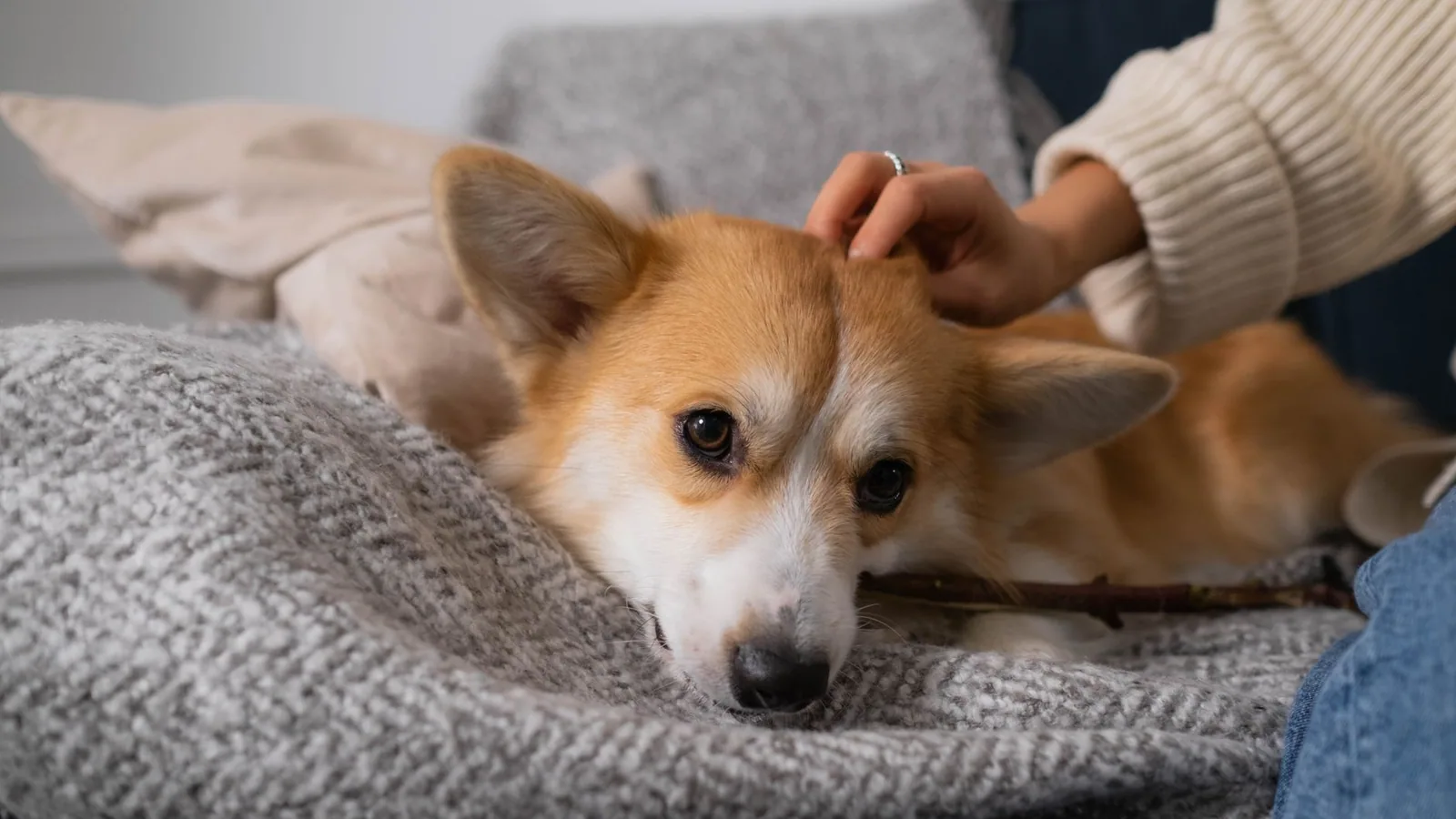
The Corgi and Dachshund mix, sometimes nicknamed a Dorgi by owners, is a designer crossbreed that combines two of the most recognizable short-legged dogs in the world. Both the Welsh Corgi and the Dachshund are chondrodystrophic breeds, meaning they carry a form of dwarfism that produces short limbs and a long back [1]. A cross between them usually inherits this same body plan, along with the health considerations that come with it.
What makes this cross unique is the combination of two breeds that share the same basic skeleton but differ in size, coat, and temperament. A Corgi and Dachshund mix can inherit the Corgi's sturdy build and the Dachshund's elongated spine, or any combination in between. Because there is no breed standard, each dog is different, and care must be tailored to the individual.
Designer crosses now make up a measurable share of the canine population under veterinary care [1]. For the Corgi and Dachshund mix, the appeal is obvious: a compact, expressive dog with the Corgi's alert ears and the Dachshund's distinctive outline. The same popularity, however, carries a responsibility to understand the health risks built into this body type.
This guide covers what owners need to know about the Corgi and Dachshund mix, including conformation, inherited health risks, daily care, training, and when to seek veterinary help. The goal is to help you provide the longest, most comfortable life possible for a dog whose body type needs specific management.
This article is educational and is not a substitute for veterinary diagnosis or treatment.
At a Glance
| Feature | What to Expect |
|---|---|
| Breed type | Designer crossbred between a Welsh Corgi and a Dachshund [1] |
| Body shape | Chondrodystrophic: short legs, long back [1][2] |
| Size | Small to medium, depends on parent lines |
| Coat | Short to medium; can resemble either parent |
| Exercise | Daily moderate walks; limit jumping and stairs [3] |
| Health watch | IVDD, patellar luxation, dental disease [4][5] |
| Best for | Owners committed to weight control and back-safe living |
Understanding the Corgi and Dachshund Mix
A Corgi and Dachshund mix is a first-generation cross between a Welsh Corgi and a Dachshund. In the UK VetCompass database, designer crossbreeds account for about 6.7% of dogs under primary veterinary care, a category tracked separately from nondesigner crossbreds [1]. The popularity of designer crosses reflects owner interest in combining the traits of two established breeds, but it also means these dogs are not governed by a formal breed standard.
The lack of a breed standard means there is no predictable blueprint for size, coat, or temperament. Some puppies grow up looking more Corgi, others more Dachshund, and littermates can differ noticeably. Owners should focus less on appearance and more on the shared conformational trait that defines both parent breeds: chondrodystrophy.
Both parent breeds are chondrodystrophic. In a VetCompass analysis of more than 2.2 million dogs, 52.6% of dogs classifiable by breed were chondrodystrophic based on conformation [1]. Chondrodystrophy affects more than appearance. It changes the growth of the long bones and the structure of the intervertebral discs [6].
Before bringing home a Corgi and Dachshund mix, consider whether your lifestyle fits the dog's needs. This cross does best in homes where owners are willing to manage weight strictly, limit jumping and stairs, and budget for regular veterinary care. It is not a dog that should be allowed to become obese, because excess weight directly stresses the joints and spine [7].
What Chondrodystrophy Means for This Cross
Chondrodystrophic dogs have a skeletal conformation that affects the growth plates of the long bones, producing the short-legged, long-backed silhouette shared by Corgis and Dachshunds [1]. The same process affects the intervertebral discs, which are the shock absorbers between the vertebrae. In chondrodystrophic dogs, disc degeneration is frequent and starts early, and it can lead to spinal cord compression, pain, reduced mobility, and even paralysis [6].
The disc changes in chondrodystrophic dogs are not a matter of old age. They begin early in life and progress steadily. When the outer ring of a disc weakens, the inner material can push out and compress the spinal cord, which is why a young adult Corgi and Dachshund mix can suddenly develop back problems without a history of trauma [6].
This is the single most important fact for a prospective owner to understand. The Corgi and Dachshund mix is not just a small dog with short legs. It is a dog whose spine requires lifelong protection.
Genetic Testing and Breed Identification
Owners who want to confirm the breed makeup of their Corgi and Dachshund mix may consider commercial DNA testing. A pilot study that compared two commercial DNA-based breed identification tests found substantial discordance between the services, particularly in how they assigned closely related breeds [8]. DNA results can be useful for general information, but they should not be treated as a precise breed certificate.
Breed Traits and Conformation
Every Corgi and Dachshund mix is different. One puppy may have the Corgi's shorter, more sturdy legs, while another may have the Dachshund's longer back and lower stance. Observe your dog's proportions and ask your veterinarian whether any conformational features, such as a very long back or very short legs, call for extra precautions.
Radial Bone Shape
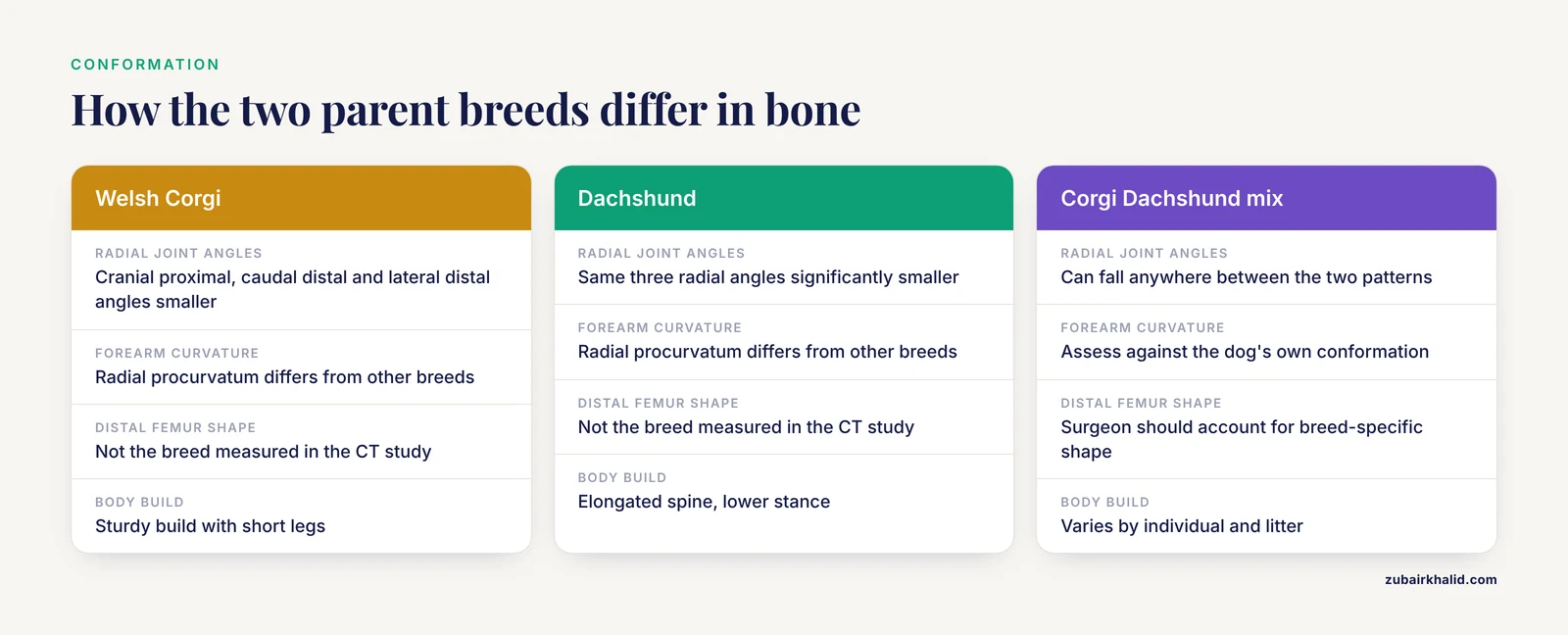
The radius is the main weight-bearing bone of the forelimb. A study using the center of rotation of angulation (CORA) methodology measured radial joint orientation angles in six chondrodystrophic breeds, including the Welsh Corgi and the Dachshund. The cranial proximal radial angle, caudal distal radial angle, and lateral distal radial angle were significantly smaller in Dachshunds and Welsh Corgis than in the other breeds studied [2]. This means the natural curvature of the forearm, called radial procurvatum, differs measurably between chondrodystrophic breeds.
For a Corgi and Dachshund mix, the radial shape can fall anywhere between the two parent breed patterns. This matters because angular limb deformities are evaluated against breed-specific reference values. Using the average values for only one parent breed could lead to an inaccurate assessment of deformity [2].
The differences in radial angles between breeds are not just academic. They affect how weight is transmitted through the front legs and how angular limb deformities are diagnosed and treated. A veterinarian evaluating a Corgi and Dachshund mix for a possible forelimb deformity should use reference values that match the dog's individual conformation rather than a single breed standard [2].
Femoral Shape
The distal femur, the part of the thigh bone closest to the knee, also has a breed-specific shape in chondrodystrophic dogs. In a computed tomography study of three breeds, the distal femoral metaphysis in Chihuahuas, a chondrodystrophic breed, was flattened and elliptical compared with the shape in non-chondrodystrophic breeds. Surgical techniques for femoral detorsion that were reliable in non-chondrodystrophic dogs were not reliable in the chondrodystrophic group [9].
This has practical implications for a Corgi and Dachshund mix. If your dog ever needs surgery around the knee or femur, the surgeon should account for the breed-specific bone shape rather than assuming standard dimensions [9].
Body Weight and Joint Structure
Body weight is a critical factor in joint and bone structure. In a study of the canine carpal joint, body weight and thoracic limb measurements strongly correlated with the dimensions of joint structures across imaging modalities, with correlations above 0.9 [7]. Keeping a Corgi and Dachshund mix at a lean body weight is one of the most effective ways to reduce stress on joints shaped by chondrodystrophy.
Health Conditions to Watch For
Intervertebral Disc Disease (IVDD)
IVDD is the most significant health concern for any chondrodystrophic dog, and the Corgi and Dachshund mix inherits this risk from both parent lines [6]. The intervertebral discs act as shock absorbers between the vertebrae. In chondrodystrophic dogs, the discs degenerate early, which can lead to rupture or herniation. Disc material then presses on the spinal cord, causing pain, weakness, incoordination, or paralysis.
A case report described a 5-year-old female spayed chondrodystrophic mixed-breed dog that presented with acute onset of paraplegia, meaning sudden loss of use of the back legs [10]. This presentation is classic for a disc herniation in a chondrodystrophic dog. A dog that suddenly cannot walk or is crying in pain needs immediate veterinary attention.
When a disc herniates, the clinical signs depend on where the disc is located and how much material presses on the spinal cord. Mild cases cause back pain and stiffness. Severe cases cause weakness, incoordination, or complete paralysis. The onset can be sudden, and owners often report that the dog was fine one moment and unable to walk the next [10]. If you see any of these signs, do not wait to see whether the dog improves. Immediate veterinary evaluation gives the best chance of preserving spinal cord function.
In a large primary-care study comparing purebred and mixed-breed dogs, purebred dogs had higher adjusted odds of intervertebral disc disorder (adjusted odds ratio 1.85) compared with mixed-breed dogs [4]. The Corgi and Dachshund mix sits between these categories as a designer crossbreed, but its chondrodystrophic conformation is the main driver of IVDD risk.
Prevention is the best strategy. Keeping your dog lean, using a harness, and limiting high-impact activities reduce the load on the intervertebral discs. While no prevention method is perfect, these measures lower the odds of a painful disc episode.
Back Pain and Vertebral Changes
Chondrodystrophic dogs with IVDD also develop changes in the vertebrae adjacent to affected discs. A study of Modic changes, which are bone marrow lesions visible on MRI and associated with back pain in people, found that increasing age and a diagnosis of IVDD were significantly associated with these changes in dogs. In chondrodystrophic dogs with IVDD, Type 2 Modic changes were the most prevalent [11].
Cervical pain, or neck pain, is another concern. In non-chondrodystrophic dogs, acute onset of clinical signs was strongly associated with the expression of cervical pain [12]. For chondrodystrophic dogs, disc disease can occur anywhere along the spine, including the neck. A dog that is reluctant to move its head, yelps when picked up, or holds its neck stiffly should be evaluated promptly.
Neck pain in dogs often shows up as a lowered head posture, reluctance to bend down to eat, or crying when the head is touched. These signs can be subtle at first, and owners may mistake them for a behavioral change. If your Corgi and Dachshund mix seems stiff in the neck or uncomfortable when moving its head, a veterinary examination is warranted.
Recovery After Spinal Surgery
If a Corgi and Dachshund mix requires hemilaminectomy, a common surgical procedure to remove disc material compressing the spinal cord, the recovery period involves measurable changes in gait. A kinetic and kinematic study of chondrodystrophic dogs after hemilaminectomy found that operated dogs showed increased range of motion throughout the spine while walking and trotting, and they shifted weight toward their front limbs. The hind limb on the side of the surgery showed decreased peak vertical force and vertical impulse [3].
After surgery, your dog may move differently for a long time. Controlled exercise, physical rehabilitation, and weight management all help the dog adapt. The same study noted that hemilaminectomy did not appear to have a relevant negative influence on quality of life [3].
Rehabilitation after spinal surgery is a gradual process. Your veterinarian or a veterinary rehabilitation therapist can design a program that starts with short, controlled leash walks and progresses based on the dog's recovery. The goal is to rebuild muscle strength in the hind limbs while avoiding sudden twisting or jumping. Weight management becomes even more important during this period, because extra body weight slows healing and increases the load on the spine [3].
Patellar Luxation
Patellar luxation, or a kneecap that slips out of place, is another condition to watch. In the South Korean primary-care study, purebred dogs had higher adjusted odds of patellar luxation (adjusted odds ratio 1.54) compared with mixed-breed dogs [4]. The short-legged conformation of the Corgi and Dachshund mix, combined with the femoral shape differences described earlier, can predispose the knee to instability [9]. Signs include intermittent skipping or hopping on a hind leg, especially after exercise.
Heart Disease
Myxomatous mitral valve degeneration, a progressive thickening of the heart's mitral valve, is the most common acquired heart disease in dogs. In the same primary-care study, purebred dogs had higher adjusted odds of this condition (adjusted odds ratio 1.57) compared with mixed-breed dogs [4]. This condition is more common in older small-breed dogs, so a heart murmur detected during a routine checkup warrants monitoring.
Bone Cancer (Osteosarcoma)
Osteosarcoma is a malignant bone tumor with high welfare consequences for affected dogs. A VetCompass study of more than 905,000 dogs found a one-year period prevalence of 0.037%, with the highest risks in large and giant breeds such as the Scottish Deerhound, Leonberger, Great Dane, and Rottweiler [13]. The Corgi and Dachshund mix is not listed among the highest-risk breeds, but the study also identified conformational risk factors that can apply across breeds. Any new lameness or swelling over a bone that does not resolve should be investigated.
Dental and Periodontal Disease
Periodontal disease is one of the most common oral disorders in dogs. A Japanese insurance claims study of more than 688,000 dogs found that the rate of periodontal disease claims increased with age, and body size was strongly associated with the baseline risk [5]. Because most Corgi and Dachshund mixes are small to medium dogs, dental disease deserves regular attention. Routine dental examinations and professional cleanings, as recommended by your veterinarian, are part of preventive care.
Parvovirus and Vaccination
Canine parvovirus is a highly contagious and often fatal viral disease, especially in puppies. A retrospective study of nearly 79,000 parvovirus cases found that most cases occurred in dogs aged 8 to 16 weeks, and that being neutered or spayed, having increased body weight, and having multiple intestinal parasites reduced the odds of mortality. Hypoproteinemia and being underweight increased the odds of death [14]. Keeping a Corgi and Dachshund mix puppy on a complete vaccination schedule is essential, and puppies should not be taken to high-traffic public areas until fully vaccinated.
Daily Care and Management
Exercise and Activity
A Corgi and Dachshund mix needs regular exercise to maintain muscle condition and a healthy weight, but the type of exercise matters. High-impact activities such as jumping off furniture, leaping for toys, and running up and down stairs place repetitive stress on the spine and joints. Low-impact activities such as leash walks on even ground are safer choices.
The gait changes seen in chondrodystrophic dogs after spinal surgery show how much the spine and hind limbs are involved in everyday movement [3]. Protecting the back starts with preventing obesity, which is the most modifiable risk factor for disc disease.
For a healthy Corgi and Dachshund mix, regular moderate leash walks are appropriate, but the exact amount depends on the dog's age, fitness, and body condition. Watch your dog's behavior. If it lags behind, sits down on the trail, or seems sore after exercise, reduce the distance and talk to your veterinarian. Swimming, where available, is an excellent low-impact option because it exercises the muscles without loading the spine.
Mental enrichment is just as important as physical exercise. Food puzzle toys, nose work games, and short training sessions provide stimulation without stressing the spine. A bored dog is more likely to develop unwanted behaviors, so build enrichment into the daily routine.
Nutrition and Weight Management
Body weight directly influences the dimensions of joint structures [7]. A lean body condition is the goal. In the Mars Petcare Biobank cohort, the median body condition score for enrolled dogs was 5 out of 9 [15]. Your veterinarian can help you determine the right body condition target for your individual dog. Owners should be able to feel their dog's ribs easily without a thick fat layer. Feed measured portions, limit treats, and adjust food amounts based on activity level and body condition.
Feeding a measured amount at set times is better than leaving food out all day. Treats should make up only a small fraction of daily calories, and many commercial treats are denser than owners realize. If your dog is gaining weight, your veterinarian can calculate a target calorie intake and recommend a feeding plan. Regular weigh-ins every few months help catch slow weight gain before it becomes obesity.
Grooming and Coat Care
The coat of a Corgi and Dachshund mix depends on which parent it takes after, and coat type can vary even within the same litter. Regardless of coat type, regular brushing reduces shedding and keeps the skin healthy. Nail trimming, ear cleaning, and dental care should be part of the routine. Ask your veterinarian or a professional groomer for a schedule tailored to your dog's coat.
Preventive Veterinary Care
According to the American Animal Hospital Association (AAHA), routine wellness examinations are the foundation of preventive care for dogs at every life stage. Regular exams allow your veterinarian to detect early signs of the conditions described above, including heart murmurs, dental disease, and early neurological signs. Keep vaccinations current, use parasite prevention as recommended by your veterinarian, and schedule dental cleanings as advised.
Training and Behavior
A Corgi and Dachshund mix is an individual dog, and temperament varies even within the same litter. What is consistent is the need for training methods that protect the back. Because chondrodystrophic dogs show measurable changes in spinal movement after disc surgery, prevention through training is better than treatment [3]. Teach your dog to wait at doorways, use ramps instead of stairs, and avoid leaping onto furniture. Use a harness rather than a collar to reduce neck strain. Positive reinforcement methods build trust without physical force. Early socialization with people and other animals helps prevent fear-based behaviors.
Training sessions also provide mental exercise, which is important for a cross that may inherit the working drive of both parent breeds. Keep sessions short and positive, and end on a success. If your dog is stubborn, patience and consistency work better than force. A dog that trusts its owner is easier to handle in emergencies, including the moments when you need to lift or carry it safely.
Living With a Chondrodystrophic Crossbreed
Home Safety

The home environment should be adapted to a long-backed, short-legged dog. Common recommendations for chondrodystrophic breeds include limiting access to stairs with baby gates, providing ramps for furniture, using a harness instead of a collar on walks, and lifting the dog by supporting the chest and hindquarters at the same time. Never lift a chondrodystrophic dog by the front legs or the scruff. Confirm these strategies with your veterinarian, since each home and each dog is different.
Think about the surfaces your dog walks on at home. Slippery floors can cause the hind legs to slide out, which strains the spine and knees. Area rugs with non-slip backing, or yoga mats placed on the dog's usual paths, can improve traction. Outside, keep the dog on a harness and avoid off-leash play that involves sudden turns and leaps.
Weight Is Everything
The connection between body weight and joint structure is well established [7]. Every extra pound of fat on a chondrodystrophic dog increases the load on the spine and knees. If you are unsure whether your dog is at a healthy weight, ask your veterinarian to perform a body condition score assessment at every visit.
Recognizing Early Signs of Disc Disease
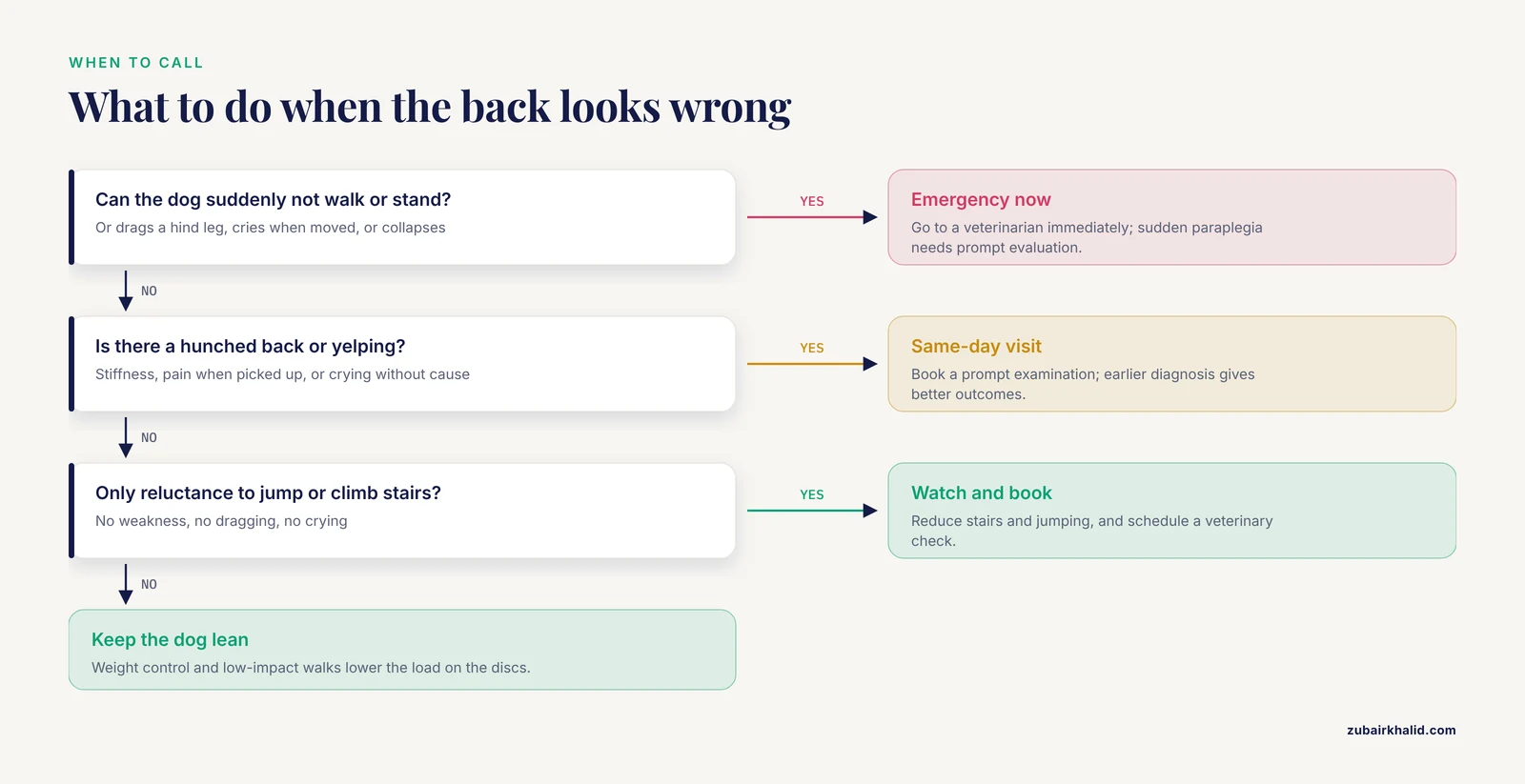
Early signs of IVDD include reluctance to jump or climb stairs, stiffness or pain when picked up, crying or yelping without an obvious cause, a hunched back, dragging a hind foot, weakness or wobbliness in the hind legs, and sudden inability to walk [6]. Any of these signs warrants a prompt veterinary examination. The earlier a disc problem is diagnosed, the better the outcome.
Limitations and When to Contact a Veterinarian
This article is educational and is not a substitute for veterinary diagnosis or treatment. Individual cases vary, and only a veterinarian who examines your dog can provide a diagnosis and treatment plan.
Contact a veterinarian immediately if your Corgi and Dachshund mix:
- Suddenly cannot walk or stand
- Drags one or both hind legs
- Cries or yelps when moved or touched
- Has a tense, painful abdomen or hunched back
- Shows neck stiffness or refuses to lower its head
- Has a seizure or collapses
- Has difficulty breathing
- Shows signs of bloat, such as a distended abdomen and retching
For non-emergency concerns such as gradual weight gain, persistent lameness, bad breath, or behavioral changes, schedule a regular veterinary appointment.
Specialist referral may be needed for complex spinal cases. If your regular veterinarian suspects IVDD, they may recommend a veterinary neurologist or surgeon for advanced imaging such as MRI and for surgical treatment. Early referral is associated with better outcomes, so do not delay.
Related Guides
- Dachshund Lifespan: Diet and Preventive Care: Dachshund lifespan and preventive care details for long-term health
- Pembroke Welsh Corgi Health Problems and Screenings: Pembroke Corgi health screenings and common problems for comparison
- Cardigan Welsh Corgi Feeding Guide: Calorie Targets and Sensitive Stomach Diet Plans: Cardigan Corgi feeding guide with calorie targets and diet plans
- Pembroke Welsh Corgi Feeding Guide: Calories and Digestion: Pembroke Corgi feeding guide covering calories and digestion
- Doxie Pit Mix: Dachshund Pitbull Cross Health Guide: Compare health issues with another Dachshund crossbreed guide
- Dachshund Golden Retriever Mix Guide: Learn about a different Dachshund mix for trait comparisons
Frequently Asked Questions
Is a Corgi and Dachshund mix a healthy dog?
A Corgi and Dachshund mix can be a healthy dog, but it inherits a chondrodystrophic body type that carries a real risk of intervertebral disc disease and knee problems. Keeping the dog lean and limiting jumping and stairs reduces those risks.
How big does a Corgi and Dachshund mix get?
Size depends on which parent breeds and lines are involved. Both Corgis and Dachshunds are small to medium dogs, so the cross generally falls in that range. Your veterinarian can help you track your puppy's growth against a healthy weight curve.
Are Corgi and Dachshund mixes prone to back problems?
Yes. Both parent breeds are chondrodystrophic, and chondrodystrophic dogs develop intervertebral disc degeneration early and often. Back protection through weight management and low-impact exercise is essential.
How much exercise does a Corgi and Dachshund mix need?
A Corgi and Dachshund mix needs daily moderate exercise, such as leash walks, but high-impact activities like jumping and stair climbing should be limited to protect the spine. Adjust the amount based on your dog's age, weight, and energy level.
Do Corgi and Dachshund mixes shed a lot?
Shedding depends on the coat type inherited from the parents, which can vary even within the same litter. Regular brushing helps manage shedding regardless of coat type.
Are Corgi and Dachshund mixes good family dogs?
Temperament varies by individual dog. Early socialization and supervision around young children are recommended for any dog, and this cross is no exception.
What is the lifespan of a Corgi and Dachshund mix?
Lifespan varies with genetics, diet, and healthcare. The main health threat for this cross is spinal disease, and preventing obesity and back injuries gives the dog the best chance at a long life.
Should I get DNA testing for my Corgi and Dachshund mix?
DNA testing can provide general breed information, but commercial tests can disagree on closely related breeds. Treat results as informational rather than definitive.
Sources
- Dog breeds and conformations in the UK in 2019: VetCompass canine demography and some consequent welfare implications.
- Evaluation of the Radial Procurvatum Using the Center of Rotation of Angulation Methodology in Chondrodystrophic Dogs.
- [[Kinetic and kinematic gait analysis of the back movement in chondrodystrophic breeds following hemilaminectomy in comparison to a healthy control population].](https://pubmed.ncbi.nlm.nih.gov/35790165/)
- Common recorded diagnoses in purebred vs. mixed-breed dogs: a multivariable analysis of primary-care electronic medical records in South Korea.
- Species- and breed-associated heterogeneity in age-related increases in periodontal disease risk among dogs and cats based on Japanese insurance claim data.
- Post-mortem evaluation of intervertebral disc degeneration using magnetic resonance imaging and magnetisation transfer ratio in chondrodystrophic and non-chondrodystrophic dogs: a pilot study.
- Mathematical models predict the physiological dimensions of selected canine carpal joint structures across imaging modalities in healthy dogs.
- Evaluation of Two Commercial DNA-Based Breed Identification Tests for Pit Bull-Type Dogs in Taiwan: A Pilot Study.
- Assessment of 3 detorsional planning techniques for distal femoral osteotomy to the distal femoral metaphysis in 3 dog breeds.
- Acute onset of paraplegia in a 5-year-old female spayed chondrodystrophic mixed-breed dog.
- Modic changes in the lumbar vertebral column of chondrodystrophic and non-chondrodystrophic dogs with intervertebral disc disease.
- Cervical Pain in Non-Chondrodystrophic Dogs: Associations with Clinical Onset, Neurological Group and Disease Category.
- Dog breeds and conformations predisposed to osteosarcoma in the UK: a VetCompass study.
- Canine parvovirus cases (2010-2023): a retrospective study of 78,977 cases demonstrates declining incidence, but mortality risk remains.
- Cohort profile of the first 2,000 canine enrolees in the Mars Petcare Biobank: demographic, hematologic and serum biochemistry results from March 2022 to December 2024.