Doxie Pit Mix: Dachshund Pitbull Cross Health Guide
By Dr. Zubair Khalid, DVM, MS, PhD ·
This article is educational and is not a substitute for veterinary diagnosis or treatment.
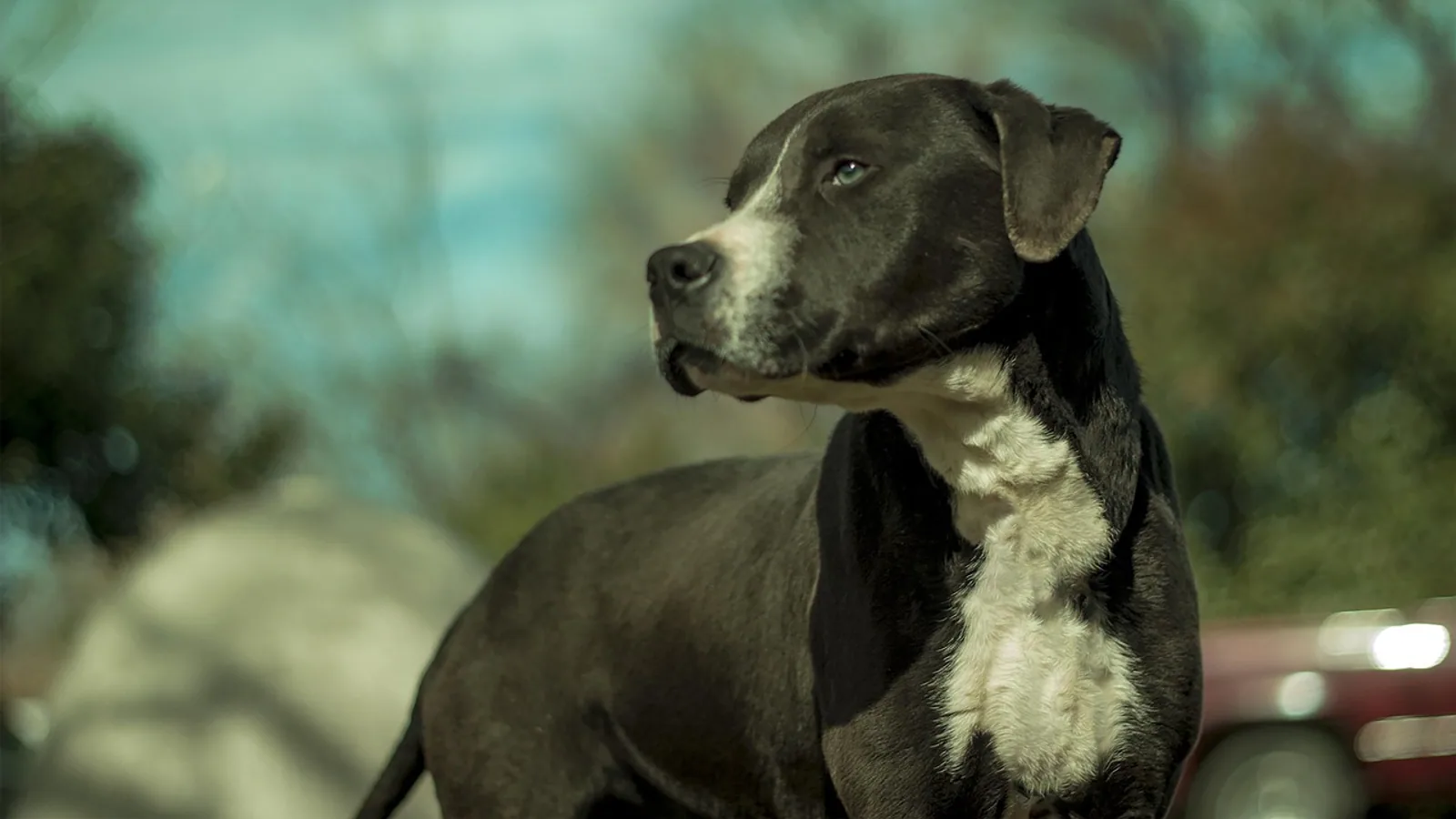
A Doxie Pit Mix is a cross between a Dachshund and a Pitbull-type dog, most often an American Pit Bull Terrier, American Staffordshire Terrier, or Staffordshire Bull Terrier. The result is a designer cross rather than a recognized breed, so two Doxie Pit puppies from the same litter can look and behave very differently. Some inherit the long back and short legs of the Dachshund. Others inherit the taller, more muscular frame of the Pitbull parent. Most land somewhere in between, with a medium-to-large body, a broad head, a deep chest, and a surprisingly athletic build.
These dogs are popular with owners who want a sturdy, affectionate companion with a big personality. They tend to bond closely with their people, enjoy daily activity, and do well in homes that can commit to structured exercise and consistent training. The health story of this cross is more complicated than the marketing of many designer mixes suggests. A Dachshund Pitbull mix can inherit serious spinal disease from the Dachshund side and orthopedic and skin problems from the Pitbull side. Being a mixed breed does not cancel either set of risks.
This guide explains what a Doxie Pitbull Mix is, how its two parent lineages shape its body and behavior, and how owners can reduce the odds of the most common inherited problems through weight control, controlled exercise, home setup, and early veterinary screening.
At a Glance
| Trait | Typical Range |
|---|---|
| Height | 8 to 22 inches at the shoulder, depending on which parent's leg length and body type dominates |
| Weight | 15 to 70 pounds, with wide variation between litters and within litters |
| Coat | Short to medium, smooth or slightly dense, in nearly any color or pattern |
| Lifespan | 10 to 14 years, with individual variation |
| Energy level | Moderate to high, needs daily structured activity |
| Grooming | Low, weekly brushing and routine nail and ear care |
| Trainability | Moderate to high, responds well to reward-based training |
| Good with children | Often yes with supervision and training, individual temperament varies |
| Good with other pets | Variable, early socialization and prey-drive management matter |
The wide ranges above reflect the reality of a first-generation cross. A Doxie Pit Mix is not a standardized breed, and no registry sets a breed standard for size, coat, or temperament. Do not rely on a puppy's current size to predict its adult weight with precision. Growth rate, parent size, and body type all influence the final result.
History and Purpose of the Dachshund Pitbull Mix
The Dachshund and the Pitbull-type dogs come from very different working traditions. The Dachshund was developed in Germany as a badger-hunting dog. Breeders selected for a long, low body, short legs, and a bold temperament that would let the dog follow quarry into narrow tunnels. That body shape is called chondrodystrophy, a form of dwarfism caused by abnormal cartilage development. Chondrodystrophy is the reason Dachshunds have short legs, and it is also the reason they are prone to intervertebral disc disease [1][2].
Pitbull-type dogs descend from British and Irish terrier and bulldog lines brought to the United States in the nineteenth century. They were bred for strength, athleticism, and a stable, people-focused temperament. Modern Pitbull-type dogs are medium-to-large, muscular, and often used in weight-pull, agility, and other dog sports. They are also common family pets.
A Doxie Pit Mix combines these lineages. The cross is not a formal breed with a documented origin story, and it is usually produced by hobby breeders or occurs by accident. Because the two parent types differ so much in body structure, the offspring often inherit a mix of traits. Some have the short legs and long back of the Dachshund with the heavier muscle mass of the Pitbull parent. That combination can place extra mechanical strain on a spine that is already predisposed to disc degeneration.
Appearance and Temperament
Appearance in a Dachshund Pitbull mix varies widely. Common features include a broad head, a strong jaw, floppy or semi-prick ears, a deep chest, and a short, low-maintenance coat. Coat color can be brindle, fawn, black, white, tan, or any combination. Eye color also varies. Because the cross is not standardized, appearance is not a reliable guide to health risk. A puppy that looks mostly like a Pitbull can still carry the Dachshund genes for chondrodystrophy and disc disease.
Temperament is similarly variable. Most Doxie Pit Mixes are affectionate, social, and eager to be near their owners. Many inherit the Pitbull-type dog's desire to please and the Dachshund's independent streak. That mix can produce a dog that is trainable but also stubborn and prone to boredom. Early socialization with people, other dogs, and new environments helps prevent fear-based behavior problems. Reward-based training works better than punishment for this cross, as it does for most dogs.
Prey drive is worth planning for. Both parent lineages were developed to chase and catch small animals. A Doxie Pitbull Mix may show strong interest in squirrels, cats, or small pets. Supervision and secure containment are essential.
Exercise and Training Needs
Exercise is one of the most important parts of caring for a Doxie Pit Mix, and it is also one of the easiest places to make a mistake. These dogs need daily activity to maintain muscle mass, manage weight, and reduce boredom. They also need that activity to be controlled, especially if they inherited a long back or short legs.
A large study of more than 43,000 companion dogs found that higher daily active time was associated with reduced odds of owner-reported intervertebral disc disease, while being overweight increased those odds [3]. That finding supports a simple principle for this cross: keep the dog lean and keep it moving, but choose movement that does not involve high-impact jumping, twisting, or sudden stops.
Good exercise options for a Doxie Pit Mix include:
- Leash walks on flat or gently sloping ground
- Controlled sniff walks that let the dog set a moderate pace
- Swimming, if the dog is comfortable in water and the spine is healthy
- Low-impact games such as hide-and-seek or food puzzles
- Short training sessions that build focus and mental engagement
Activities to limit or avoid include repetitive jumping off furniture, high-impact agility, rough play with larger dogs, and long flights of stairs. If your dog has been diagnosed with intervertebral disc disease or shows signs of back pain, your veterinarian should guide the exercise plan. Physical rehabilitation programs are commonly used after spinal surgery and can include objective muscle assessment tools to track recovery [4].
Training should begin early and continue throughout life. Basic obedience, impulse control, and recall are useful for safety. Crate training helps with rest and recovery if the dog ever needs strict activity restriction after a spinal or orthopedic injury.
Grooming and Coat Care
A Doxie Pit Mix usually has a short to medium coat that requires minimal grooming. Weekly brushing with a rubber curry or soft bristle brush removes loose hair and distributes skin oils. Bathing every four to eight weeks, or as needed, is usually enough. Overbathing can dry the skin, which matters more in this cross because Pitbull-type dogs are prone to skin allergies.
Routine care includes:
- Nail trims every three to four weeks
- Ear checks and cleaning as directed by your veterinarian
- Dental care, ideally daily brushing
- Skin checks for redness, rash, or hair loss
Skin problems are common in Pitbull-type dogs, and a Doxie Pit Mix can inherit that tendency. Allergic skin disease often shows up as itching, paw licking, ear infections, or recurrent hot spots. Early treatment reduces the chance of secondary infections.
Feeding and Weight Management
Weight management is not optional for this cross. It is one of the most effective ways to protect the spine and joints. The same large study that linked higher activity to lower disc disease risk found that overweight dogs had increased odds of owner-reported intervertebral disc disease [3]. Dachshunds are already at high risk for disc disease, and excess body fat adds mechanical load to an already vulnerable spine.
Feed a complete and balanced diet appropriate for your dog's life stage. Measure portions with a kitchen scale or measuring cup rather than estimating. Adjust portions based on body condition score, not just the number on the bag. Your veterinarian can assess body condition at each visit and recommend a target weight.
Treats should make up a small fraction of daily calories. Use part of the daily kibble ration as training rewards to avoid extra calories. If your dog needs to lose weight, ask your veterinarian for a specific plan rather than cutting the current diet in half, which can lead to nutrient deficiencies.
Inherited and Common Health Problems
The health profile of a Doxie Pit Mix is shaped by both parent lineages. The Dachshund contributes a strong genetic predisposition to intervertebral disc disease. The Pitbull-type parent contributes risks for orthopedic disease, skin allergies, and certain other conditions. Mixed-breed status does not remove either set of risks.
Intervertebral Disc Disease and Chondrodystrophy
Intervertebral disc disease is the single most important health concern for any dog with Dachshund ancestry. The Dachshund has the highest lifetime incidence of intervertebral disc disease among dog breeds. One large survey of Dachshund owners found an overall prevalence of 15.7 percent, with the highest rate in Standard Smooth-Haired Dachshunds at 24.4 percent [5]. A separate study of Danish Dachshunds reported an overall disc herniation incidence of 18 percent, with no significant difference between long-haired, smooth-haired, and wire-haired varieties [6].
The biological basis is chondrodystrophy. In chondrodystrophic dogs, the nucleus pulposus of the intervertebral disc undergoes chondroid metaplasia early in life, which makes the disc brittle and prone to herniation [2]. This process is driven in part by an FGF4 retrogene insertion on chromosome 12, which is associated with disc calcification and herniation risk in chondrodystrophic breeds [6]. Radiographic screening for disc calcification is used in some countries to select breeding dogs, and calcification status is strongly associated with herniation risk [6][7][8][9].
A Doxie Pit Mix that inherits the chondrodystrophic body type can develop disc disease at any age, though clinical signs often appear in young to middle-aged adults. A multicenter study found that Dachshunds with imaging-confirmed disc extrusion most commonly presented with thoracolumbar lesions, while French Bulldogs presented younger and more often with cervical lesions [10]. Another study of dogs presenting to an emergency clinic with acute paralysis found that intervertebral disc disease was the most common cause, accounting for 72 percent of cases, and Dachshunds were the most common breed at 31.1 percent [11].
Clinical signs of disc disease include:
- Reluctance to jump, climb stairs, or use a ramp
- Yelping or crying when picked up or handled
- A hunched back or stiff gait
- Weakness or wobbling in the rear legs
- Loss of bladder or bowel control
- Sudden inability to walk
Any of these signs warrants immediate veterinary evaluation. Disc extrusion is a neurologic emergency, and delays in treatment can reduce the chance of full recovery.
Spinal Muscle Changes and Recovery
Dogs with compressive disc disease develop measurable changes in the muscles that support the spine. A study of large-breed dogs with disc disease found that epaxial muscle cross-sectional area was significantly smaller and fat infiltration was significantly higher in dogs with compressive disc disease compared with dogs with non-compressive spinal injuries [12]. The authors noted that these changes are likely caused by denervation and disuse. The same principle applies to any dog with disc disease, including a Doxie Pit Mix. Muscle loss can make the spine less stable and slow recovery.
This is one reason controlled exercise and rehabilitation matter. Physical therapy after spinal surgery often includes strengthening exercises and objective muscle monitoring [4]. A Doxie Pit Mix recovering from disc surgery should follow a veterinarian-guided rehabilitation plan rather than returning to full activity on its own schedule.
Orthopedic Problems from the Pitbull Lineage
Pitbull-type dogs are muscular and athletic, and they can develop orthopedic problems common to medium and large breeds. These include:
- Cranial cruciate ligament rupture
- Hip dysplasia
- Elbow dysplasia
- Patellar luxation
A Doxie Pit Mix that inherits a heavier body on short Dachshund legs may place abnormal stress on the knees and hips. Obesity makes all of these conditions worse. Early signs include stiffness after rest, reluctance to exercise, lameness, and difficulty rising. Veterinary evaluation typically includes a physical exam, orthopedic assessment, and imaging.
Skin and Allergy Problems
Pitbull-type dogs are overrepresented in veterinary dermatology practices for allergic skin disease. A Doxie Pit Mix can inherit that tendency. Common signs include:
- Itching, especially on the paws, face, and flanks
- Recurrent ear infections
- Redness, rash, or hair loss
- Hot spots
- Yeast or bacterial skin infections
Allergy management usually involves identifying triggers, treating secondary infections, and using veterinarian-prescribed medications or diets. Early intervention reduces the chance of chronic skin damage.
Other Conditions to Monitor
Other conditions reported in the parent lineages include hypothyroidism, heart disease, and certain cancers. Regular wellness exams help detect these problems early. Your veterinarian can recommend screening tests based on your dog's age, body condition, and clinical signs.
Risk Table for the Doxie Pit Mix
The table below summarizes the major health risks for a Dachshund Pitbull mix, the parent lineage most likely to contribute each condition, the typical age of onset, and the preventive action owners can take. Age ranges are general and individual dogs can fall outside them.
| Condition | Likely Parent Source | Typical Age of Onset | Preventive Action |
|---|---|---|---|
| Intervertebral disc disease | Dachshund | 3 to 7 years, can be earlier or later | Keep lean, control exercise, use ramps and harnesses, early neuro exam for back pain |
| Disc calcification | Dachshund | Detected in young adults | Screening radiographs in breeding dogs, discuss with veterinarian |
| Epaxial muscle atrophy | Dachshund or Pitbull | After disc injury or chronic spine disease | Controlled exercise, rehabilitation, muscle monitoring |
| Cranial cruciate ligament rupture | Pitbull | 4 to 8 years | Weight control, avoid repetitive jumping, prompt lameness evaluation |
| Hip dysplasia | Pitbull | 1 to 6 years | Weight control, screening radiographs, controlled exercise |
| Elbow dysplasia | Pitbull | 6 to 18 months | Weight control, screening radiographs, avoid high-impact activity |
| Patellar luxation | Either parent | 1 to 5 years | Weight control, veterinary exam for skipping gait |
| Allergic skin disease | Pitbull | 6 months to 3 years | Early itch management, parasite control, veterinary dermatology if needed |
| Recurrent ear infections | Pitbull | Any age | Regular ear checks, keep ears dry, treat early |
| Hypothyroidism | Either parent | 4 to 8 years | Wellness bloodwork, treat if diagnosed |
| Obesity | Either parent | Any age | Measured meals, body condition scoring, regular weigh-ins |
Screening Tests and Veterinary Care
Screening recommendations for a Doxie Pit Mix depend on the dog's body type and clinical signs. There is no single genetic test that predicts all inherited disease in this cross. Breed DNA tests estimate ancestry, not disease. A test that reports "Dachshund" ancestry does not tell you whether your dog inherited the specific genes that increase disc disease risk, and a test that reports "Pitbull" ancestry does not tell you whether your dog will develop hip dysplasia.
Your veterinarian may recommend:
- Neurologic examination if your dog shows back pain, stiffness, or weakness
- Spinal radiographs or advanced imaging if disc disease is suspected
- Orthopedic examination and radiographs for lameness or gait abnormalities
- Skin evaluation and allergy testing for chronic itching or ear infections
- Bloodwork for thyroid and general health screening as your dog ages
Dachshund breeding programs in some countries use radiographic disc calcification scoring to reduce disc disease prevalence, and calcification status is strongly associated with herniation risk [6][7][8][9]. This screening is used in breeding dogs, not as a routine test for pets. If you are considering a puppy from a breeder, ask whether the Dachshund side of the pedigree has been screened. Understand that screening reduces risk but does not eliminate it.
Home Setup for Spine and Joint Protection
Small changes at home can reduce daily strain on a Doxie Pit Mix's spine and joints. These measures matter most for dogs with short legs, a long back, or a heavy body.
- Ramps or pet stairs for sofas, beds, and cars
- A harness instead of a neck collar for walks, especially if the dog pulls
- Non-slip rugs or mats on hard floors
- A supportive orthopedic bed
- Raised food and water bowls if your dog has neck or back pain
- Baby gates to block stairs during recovery from injury
Lifting technique matters. Support the chest and the hindquarters together rather than lifting under the front legs alone. This keeps the spine in a neutral position. If your dog has been diagnosed with disc disease, ask your veterinarian for specific handling instructions.
Lifespan and Long-Term Care
A Doxie Pit Mix can live 10 to 14 years with good preventive care. Lifespan depends on body size, genetics, and how well chronic conditions are managed. Dogs that stay lean, receive regular veterinary care, and avoid high-impact injuries tend to have better long-term outcomes.
Long-term care for this cross usually includes:
- Annual wellness exams, or twice yearly for seniors
- Weight and body condition monitoring at every visit
- Dental care
- Parasite prevention year-round
- Prompt evaluation of any new lameness, back pain, or skin problem
Owners should keep a simple log of changes in activity, appetite, and mobility. Subtle changes are often the first sign of a developing problem.
Finding a Responsible Breeder or Rescue
Because the Doxie Pit Mix is not a recognized breed, there is no breed club standard or national health registry for the cross. That makes breeder selection more important, not less. A responsible breeder should:
- Be transparent about the health history of both parent dogs
- Provide veterinary records for the parents
- Allow you to meet the mother and see the puppies' environment
- Discuss the risks of disc disease and orthopedic problems openly
- Avoid breeding dogs with known severe disc disease or orthopedic disease
- Provide a written contract with health guarantees
Rescue is a strong option for this cross. Many Doxie Pit Mixes end up in shelters because owners underestimate their exercise needs or the cost of managing chronic conditions. A rescue organization can often provide foster-based temperament information and known medical history. Ask about any prior spinal or orthopedic issues before adopting.
Who Should Not Get a Doxie Pit Mix
A Dachshund Pitbull mix is not the right dog for every household. Consider another breed or a different individual dog if:
- You cannot commit to daily structured exercise
- You live in an apartment with no safe outdoor space and no time for walks
- You cannot afford routine veterinary care or potential spinal surgery
- You have very young children and cannot supervise interactions
- You have small pets and cannot manage prey drive
- You cannot keep the dog lean and prevent obesity
- You are not prepared to manage a chronic condition such as disc disease or allergies
These dogs can be wonderful companions, but they need owners who plan for their health risks rather than hoping for the best.
Limitations and When to Contact a Veterinarian
This article provides general information about the Doxie Pit Mix. It cannot replace an examination by a licensed veterinarian who knows your dog. Individual dogs vary, and a diagnosis requires a physical and neurologic exam, imaging, and laboratory testing as needed.
Contact a veterinarian promptly if your dog shows any of the following:
- Sudden inability to walk or stand
- Weakness or wobbling in the rear legs
- Loss of bladder or bowel control
- Crying or yelping when lifted or handled
- A hunched back or rigid abdomen
- Reluctance to jump, climb stairs, or move normally
- Lameness that lasts more than a day
- Swelling or heat in a joint
- Severe itching, hair loss, or skin infection
- Vomiting, diarrhea, or loss of appetite lasting more than 24 hours
- Difficulty breathing, collapse, or seizures
Spinal cord compression from disc disease is a neurologic emergency. If your dog cannot walk or has lost pain sensation, go to an emergency veterinary hospital immediately. Do not wait to see if the signs improve on their own.
Frequently Asked Questions
What is a Doxie Pit Mix?
A Doxie Pit Mix is a cross between a Dachshund and a Pitbull-type dog. It is a designer cross, not a recognized breed, so size, coat, and temperament vary widely between individual dogs.
Do Doxie Pit Mixes have back problems?
Yes, they can. Any dog with Dachshund ancestry can inherit chondrodystrophy and a high risk of intervertebral disc disease. Mixed-breed status does not remove that risk.
How much exercise does a Dachshund Pitbull mix need?
Most need daily structured activity, such as leash walks and low-impact play. Avoid repetitive jumping and high-impact activities, especially if your dog has a long back or short legs.
Are Doxie Pitbull mixes prone to hip dysplasia?
They can be. Pitbull-type dogs are prone to hip and elbow dysplasia and cruciate ligament rupture. A Doxie Pit Mix can inherit those risks from the Pitbull side.
What should I feed a Doxie Pit Mix?
Feed a complete and balanced diet appropriate for your dog's life stage, and measure portions to maintain a healthy body condition. Your veterinarian can recommend a specific diet and calorie target.
Do breed DNA tests tell me if my dog will get disc disease?
No. Breed DNA tests estimate ancestry, not disease risk. They do not tell you whether your dog inherited the specific genes that increase disc disease or orthopedic problems.
When should I see a vet for back pain in my Doxie Pit Mix?
See a veterinarian immediately if your dog yelps when lifted, walks stiffly, wobbles, or loses bladder or bowel control. These can be signs of disc extrusion, which is a neurologic emergency.
Is a Doxie Pit Mix a good family dog?
Many are affectionate and social with proper training and socialization. Temperament varies by individual, so meet the dog, ask about its history, and supervise interactions with children and other pets.
Related Articles
- Pitbull Dog: Health, Behavior, and Responsible Ownership
- Dachshund Health Guide: Genetic Risks, Joint Care & Lifespan
- Dachshund Health Problems: IVDD Grade 1-5 Management and Spinal Surgery
- Dachshund Lifespan Diet and Preventive Care Guide
- Pitbull Dog Breed Guide: Temperament, Care, and Common Myths Debunked
- Dachshund Feeding Guide: Calorie Targets & Sensitive Stomach Food
- Boxer Pit Mix: Temperament and Health Guide
Sources
- Classification of Intervertebral Disc Disease.
- The Myth of Fibroid Degeneration in the Canine Intervertebral Disc: A Histopathological Comparison of Intervertebral Disc Degeneration in Chondrodystrophic and Nonchondrodystrophic Dogs.
- Demographic and lifestyle characteristics impact lifetime prevalence of owner-reported intervertebral disc disease: 43,517 companion dogs in the United States.
- Surface electromyography: A pilot study in canine spinal muscles.
- DachsLife 2015: an investigation of lifestyle associations with the risk of intervertebral disc disease in Dachshunds.
- Breeding schemes for intervertebral disc disease in dachshunds: Is disc calcification score preferable to genotyping of the FGF4 retrogene insertion on CFA12?
- Radiographic scoring for intervertebral disc calcification in the Dachshund.
- Intervertebral disc disease in Dachshunds radiographically screened for intervertebral disc calcifications.
- Precision of spinal radiographs as a screening test for intervertebral disc calcification in Dachshunds.
- Comparison of Clinical Features of Intervertebral Disc Extrusions in English Cocker Spaniels, French Bulldogs and Dachshunds.
- Intervertebral disc disease and aortic thromboembolism are the most common causes of acute paralysis in dogs and cats presenting to an emergency clinic.
- Epaxial muscle atrophy is more evident in large dogs with intervertebral disc disease than in dogs with ischaemic myelopathy.