Chorkie: Yorkie and Chihuahua Mix Care Guide
By Dr. Zubair Khalid, DVM, MS, PhD ·
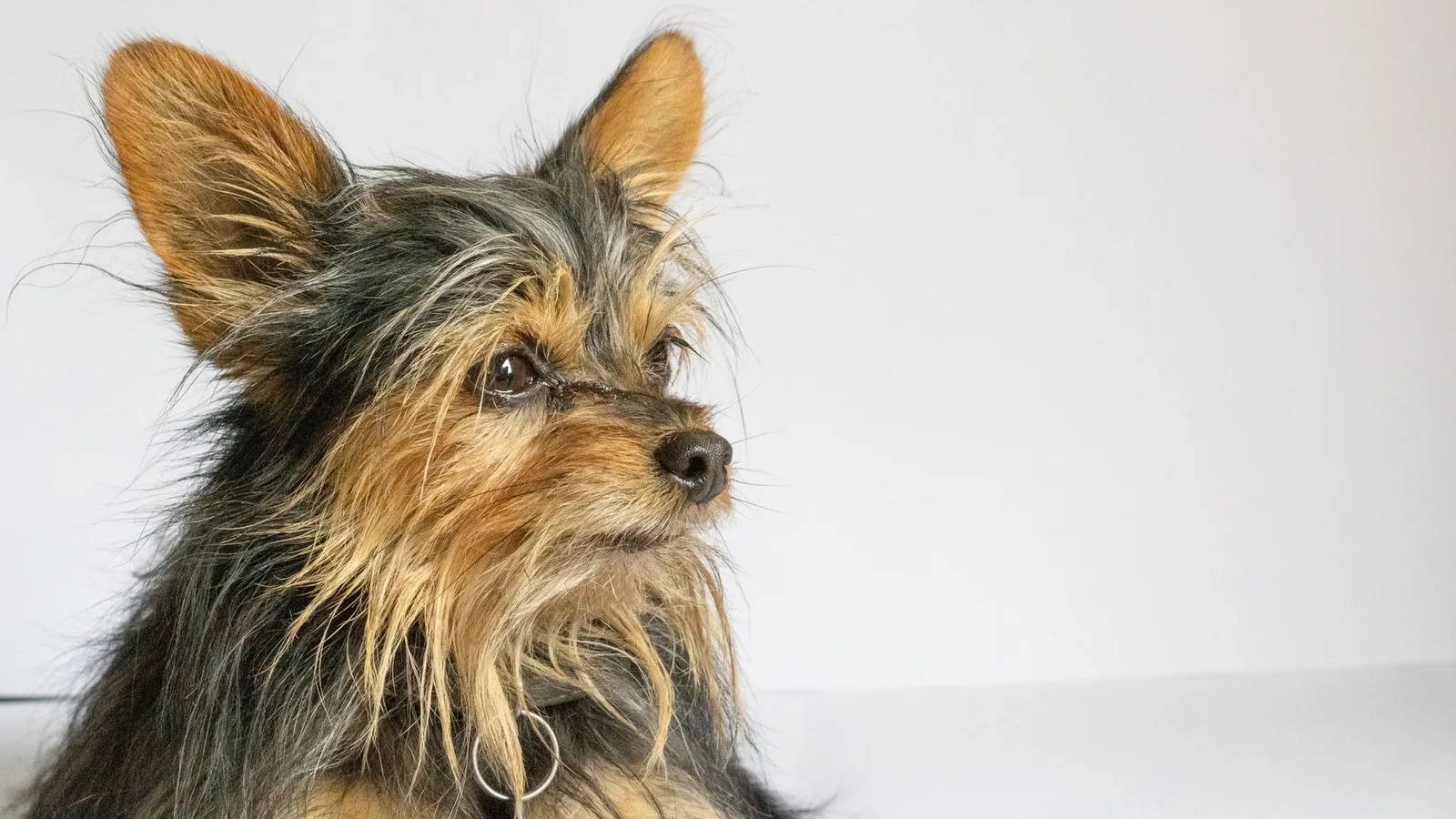
A Chorkie is the cross of a Yorkshire Terrier and a Chihuahua. Both parents are toy breeds, but each brings a different medical history to the litter, and the puppy that results may favor either side in size, coat, and temperament. The care plan that works rests on three pillars: daily dental care, protection of a small and vulnerable cervical spine, and early attention to any change in breathing or voice.
This guide treats the yorkshire terrier and chihuahua mix as a toy breed first and a designer cross second. Veterinary case reports and breed studies on the Yorkshire Terrier are well documented, so they anchor much of what follows. Chihuahua-specific detail appears where it exists, including a small-dog kidney study that measured both parent breeds [1].
This article is educational and is not a substitute for veterinary diagnosis or treatment.
At a Glance: Chorkie Care Checklist
| Area | What to do | How often |
|---|---|---|
| Veterinary exam | Full physical, weight, dental check, airway and heart listen, neck palpation | At least yearly, more often for seniors and dogs with chronic disease |
| Dental care | Brush with pet-safe toothpaste, book a professional dental assessment | Daily brushing, professional check at least yearly |
| Parasite control | Year-round prevention selected with your veterinarian | Per product label and local risk |
| Spine and neck | Block jumping from furniture, stop rough neck play, ask about a harness | Every day |
| Airway watch | Note coughs, honking sounds, voice changes, exercise intolerance | Every day, report new signs promptly |
| Weight | Body condition score at every visit | Every visit |
| Bloodwork | Baseline panel including kidney markers before anesthesia and in seniors | As your veterinarian advises |
| Skin and lumps | Run hands over the body, check for crusts, plaques, and new nodules | Monthly |
What a Chorkie Is
The Chorkie is a crossbreed, not a breed with a written standard, so litters vary widely. Some puppies look like small Yorkshire Terriers with a long silky coat. Others look like a sturdier Chihuahua with a shorter coat and a rounder head. Adult size depends on both parents, and a puppy that looks tiny at eight weeks can still grow into a very different adult.
Size and the Toy-Breed Body Plan
Both parents are toy dogs. Published case reports describe individual Yorkshire Terriers weighing 0.8 kg and 1.5 kg [2][3]. Those are patients, not a target weight for a Chorkie, but they show how small this family of dogs can be. A body that small changes everything from drug dosing and blood draw volumes to how much anesthesia reserve a dog has.
Small size also changes how laboratory results are read. A study of 40 healthy small and miniature dogs found that breed, urine specific gravity, urine protein-to-creatinine ratio, and clinical condition all need to be combined when judging kidney function [1]. A number that looks normal on a large-dog reference range may mean something different in a Chorkie.
Coat and Grooming
Plan grooming around the coat your dog actually grows. A Yorkie-type coat keeps lengthening and mats without regular brushing. A Chihuahua-type coat needs less work but still needs attention around the ears, armpits, and rear. Ask a groomer to show you how to work through those areas at home, and start handling the feet, mouth, and ears while the dog is young.
Which Parent Contributes What
The Yorkie side has the more heavily documented health legacy. Periodontal disease in small breeds [4], atlantoaxial and caudal cervical instability [2][3], laryngeal and tracheal disease [5][6], breed-related enteropathy [7], liver and endocrine disease [8], retained testicles [9], cutaneous lymphoma [10], and breed-specific heart measurements on radiographs [11] all appear in the Yorkshire Terrier literature. The Chihuahua side shares the toy-breed spinal vulnerability described in the atlantoaxial literature [2], and Chihuahuas appear alongside Yorkshire Terriers in small-dog renal reference work [1].
Health Priorities in a Yorkshire Terrier and Chihuahua Mix
Dental Disease Is the Most Predictable Problem
Periodontal disease is a progressive inflammatory condition that is frequently diagnosed in dogs, with small breeds such as the Yorkshire Terrier predisposed to rapid plaque and tartar accumulation [4]. A Chorkie inherits a small mouth and crowded teeth, so assume dental disease is a live risk from the first year.
Professional dental prophylaxis under anesthesia remains the foundation of treatment. A study of 42 small-breed dogs with stage 2 to 3 periodontitis tested platelet-rich plasma as an add-on to standard scaling and polishing. The treated group received injections into the gingiva, submucosa, and periodontal pockets. At 30 days, the treated dogs showed a threefold reduction in gingival index, a twofold reduction in periodontal pocket depth, and reduced horizontal bone loss [4]. The practical message is not to seek out platelet-rich plasma. It is that professional cleaning plus a consistent home routine is the baseline, and researchers are testing adjuncts to slow bone loss.
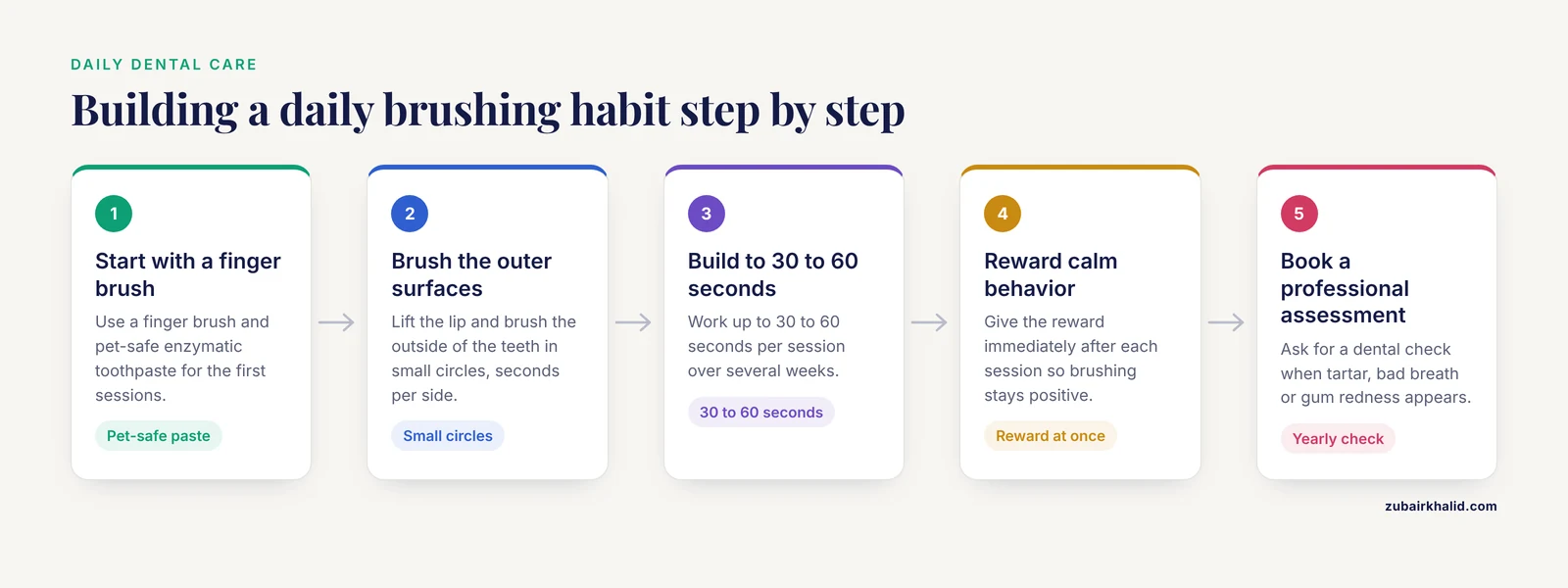
Home dental care, step by step:
- Start with a finger brush and pet-safe enzymatic toothpaste.
- Lift the lip and brush the outer surface of the teeth in small circles for a few seconds per side.
- Build to 30 to 60 seconds per session over several weeks.
- Reward calm behavior immediately after each session.
- Ask your veterinarian to demonstrate brushing at a wellness visit.
- Book a professional assessment when tartar, bad breath, or gum redness appears.
- Discuss chew products with your veterinarian before offering them, since hard chews can fracture small teeth.
The AAHA dental care guidance treats professional evaluation and daily home care as the two halves of the same plan, and the AVMA has taken a position against non-anesthetic scaling because it does not address disease below the gumline. A Chorkie that will not tolerate brushing still needs a veterinary dental assessment.
The Cervical Spine and Atlantoaxial Instability
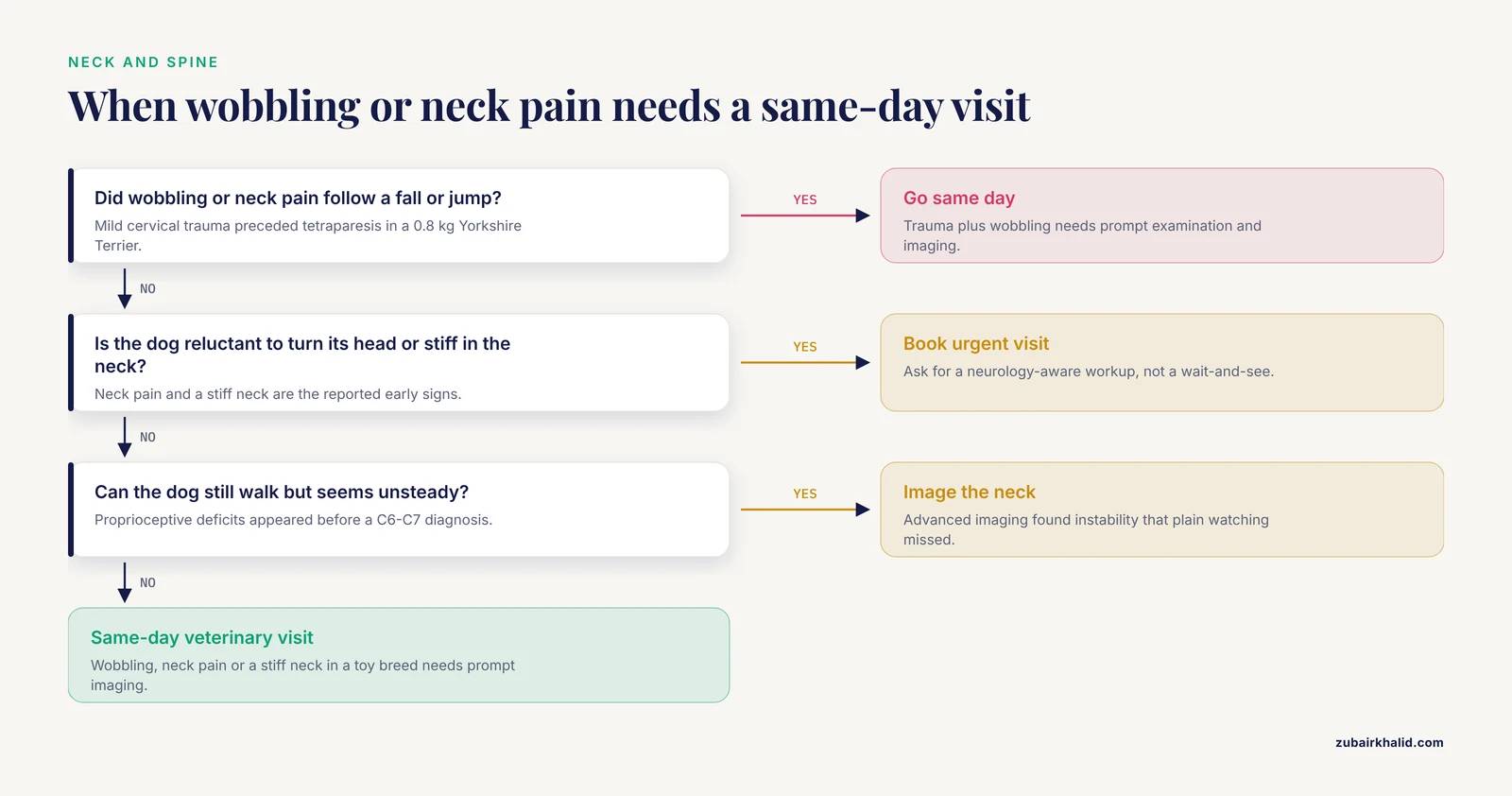
Atlantoaxial instability affects toy and miniature breed dogs and causes spinal cord compression with deficits that range from neck pain to an inability to walk [2]. One case report described a 5-month-old, 0.8 kg Yorkshire Terrier that became non-ambulatory tetraparesis after mild cervical trauma. Radiographs and computed tomography confirmed dorsal displacement of C2 and severe cord compression, and the dog was stabilized surgically after conservative care failed. It returned to walking within 7 days and had excellent neurological recovery at 165 days, with no complications over 12 months of follow-up [2].
Not every wobbly toy breed has atlantoaxial disease. Instability can occur lower in the neck. A 2-year and 7-month-old Yorkshire Terrier weighing 1.5 kg had 20 months of failed conservative treatment for tetraparesis, neck pain, and proprioceptive deficits before C6-C7 instability was diagnosed and stabilized. A reoperation was needed 33 days later to reposition a migrating wire end, and the dog was walking without neck pain two days after that. Five years on, the dog remained ambulatory with normal proprioceptive positioning but subtle ataxia [3].
Both cases carry the same owner lesson. Neck pain, a stiff neck, or a wobbling gait in a Chorkie deserves prompt imaging and a neurology-aware workup, not a wait-and-see approach. When inflammatory brain disease is suspected instead, cerebrospinal fluid pleocytosis supports the diagnosis but a normal cell count does not rule it out [12].
Airway, Voice, and Breathing
Airway noise in a small dog is easy to dismiss. A laryngeal web, an abnormal membrane most often spanning the vocal cord edges, caused dysphonia in a Yorkshire Terrier; flatulence and halitosis were also noted but are not directly caused by a laryngeal web. The owners declined surgery, and the dog's signs were unchanged with no new respiratory signs for more than four years after diagnosis [5]. Two lessons follow. Voice change can have a structural cause, and not every airway anomaly needs an operation.
Tracheal collapse is another small-dog airway problem. When endoluminal stents are placed, stent fracture is a major complication, and a 4-year-old Yorkshire Terrier with a complete fracture was managed with an external parallel loop line prosthesis that restored a near-normal airway contour without adding material inside the lumen [6]. Owners considering stent surgery should understand that it can be a long road with follow-up bronchoscopy and a meaningful risk of hardware problems.
Digestive Disease
Yorkshire Terrier enteropathy is a recognized breed-related condition, and biomarker research in this area is still evolving. A study comparing fecal microRNA profiles in sick and healthy Yorkshire Terriers found no significant differences between groups and suggested that fecal samples may not be the ideal material for this kind of testing [7]. That work does not change management today, but it shows that breed-related gut disease is being studied seriously.
Acute diarrhea is common in dogs overall. A large United Kingdom cohort estimated a one-year incidence risk of 8.18%, found that 80.27% of cases needed only one veterinary visit, and recorded hemorrhagic diarrhea in 29.32% of cases. Probiotics were the most common management at 59.62%, followed by dietary change, antibiotics, and maropitant [13]. Those figures describe population patterns, not a home treatment plan. A Chorkie with bloody diarrhea plus vomiting or lethargy needs same-day veterinary care.
Chronic diarrhea and weight loss point in a different direction. Ten dogs with severe chronic enteropathy, defined by an activity index of 7 or higher, were fed one commercial diet containing highly hydrolyzed herring protein for 8 weeks. Median activity scores fell from 9 at day 0 to 0 at day 56, and body weight improved [14]. This was an open-label pilot with no control group, so it supports a dietary trial rather than proving one diet beats all others.
The pancreas belongs in this conversation too. A 3-year-old neutered male Yorkshire Terrier was found to have spontaneous backflow from the duodenum into the biliary system during a barium study, and computed tomography and ultrasound identified abscessing pancreatitis as the cause [15]. Pancreatitis in a small dog can present as vague lethargy and appetite loss, and imaging often carries the diagnosis.
Liver, Hormones, and the Older Chorkie
A 9-year-old neutered male Yorkshire Terrier being treated with trilostane for Cushing's syndrome developed acute lethargy, anorexia, and markedly raised liver enzymes. Imaging found a fluid-filled, poorly enhancing liver lesion, Escherichia coli grew on culture, and a partial liver lobectomy was needed. Histopathology showed a ductal plate malformation alongside the abscess [8]. The pattern matters for owners. A senior Chorkie on hormone treatment that suddenly stops eating and cannot be roused needs same-day bloodwork and imaging, not a wait for the next scheduled recheck.
Kidneys and Small-Breed Laboratory Values
Kidney disease is easy to miss in a small dog when a single creatinine value looks unremarkable. In the study of 40 healthy small and miniature dogs, median serum creatinine was 63.8 µmol/L, median symmetric dimethylarginine was 10.63 µg/dL, and median cystatin C was 0.5 mg/L. Maltese dogs had significantly higher creatinine than Yorkshire Terriers and Chihuahuas, which means breed itself can shift the number [1]. When a Chorkie has a kidney concern, ask for a panel that includes more than creatinine, plus a urinalysis with specific gravity and a protein-to-creatinine ratio.
Skin
Chronic itch and crusting usually means allergy, but not always. A 10-year-old spayed female Yorkshire Terrier with multiple skin nodules, plaques, crusts, and pruritus was diagnosed with Sézary syndrome, a rare and aggressive cutaneous T-cell lymphoma. Oclacitinib produced marked improvement by day 15, the lesions worsened by day 32, a higher dose helped again within 12 days, and relapse occurred on day 63 [10]. The case shows why a Chorkie with recurring skin disease that keeps coming back after treatment deserves a biopsy and a proper diagnosis rather than another round of the same medication.
Reproduction and Retained Testicles
A 13-year-old cryptorchid Yorkshire Terrier was referred for a recurrent abdominal mass. The original mass had contained two testes with seminoma and rudimentary uterine tissue, a combination consistent with persistent Müllerian duct syndrome, and the recurrence proved to be lymph node metastasis. Palliative radiation reduced the tumor volume from 343.3 cm³ to 42.4 cm³ within 4 weeks and further to 29.3 cm³ after a repeat course [9]. A retained testicle in a male Chorkie should be located and addressed on veterinary advice. Leaving it in place carries neoplastic risk.
Heart and Chest Imaging
Breed matters on a chest radiograph. A study of 359 dogs found that Yorkshire Terriers, Pomeranians, Dachshunds, Schnauzers, Miniature Pinschers, and brachycephalic breeds had significantly higher vertebral right heart index values than other breeds even without true right heart enlargement, and the authors established breed-specific cutoffs [11]. For a Chorkie, that means the person reading the film should apply a small-breed or breed-appropriate threshold rather than a single cutoff for all dogs.
Preventive Care: Building the Year Around Three Checks
The Annual Examination
AAHA wellness guidance supports a comprehensive physical examination at least yearly, with more frequent visits for seniors and dogs with chronic disease. For a Chorkie, the exam should include a dental look, an airway listen, careful neck palpation, a heart and lung listen, abdominal palpation, and a weight and body condition score. Ask specifically whether the cervical spine feels stable, since the toy-breed risk is well documented [2].
Vaccines and the First Year
Follow the schedule your veterinarian builds from current AAHA and AVMA immunization guidance. Timing depends on the puppy's age at each visit and the vaccine type. Bring the breeder's records to the first appointment, and book that appointment within a few days of bringing the puppy home.
Parasite Prevention
The Companion Animal Parasite Council recommends year-round prevention for dogs in most of the United States, with products matched to local risk. Your veterinarian should choose the product and the interval. Deworming and flea and tick control are not optional extras for a dog that shares a bed or sofa.
Senior Screening
Once a Chorkie reaches senior status, ask your veterinarian about a baseline blood panel, a urinalysis, blood pressure measurement, and chest imaging. The kidney study above makes the case for measuring more than one filtration marker [1], and the liver case shows how quickly a senior can change [8].
Feeding a Chorkie
A Chorkie should eat a complete and balanced diet appropriate for its life stage, portioned to maintain a lean body condition. Treats count toward daily calories, and a small dog reaches its daily allowance quickly. Measure food rather than free-feeding, and track weight at every visit.
For a dog with chronic diarrhea, a hydrolyzed protein diet trial is a reasonable next step under veterinary direction. The 8-week herring-based trial described earlier produced large improvements in activity scores and body weight in dogs with severe chronic enteropathy [14]. That result does not mean any hydrolyzed diet will work for every dog, and it does not replace the search for a diagnosis.
Do not withhold food from a vomiting dog or start an over-the-counter remedy without veterinary advice. Acute diarrhea is common and often self-limited, but 29.32% of cases in the cohort above were hemorrhagic [13], and dehydration develops fast in a small body.
Daily Routine, Handling, and Safety
- Lift with one hand under the chest and one under the rear. Do not lift a Chorkie by the front legs or by the scruff.
- Prevent jumps from beds, sofas, and car seats. A fall or a hard landing is the kind of mild trauma that preceded non-ambulatory tetraparesis in the atlantoaxial case report [2].
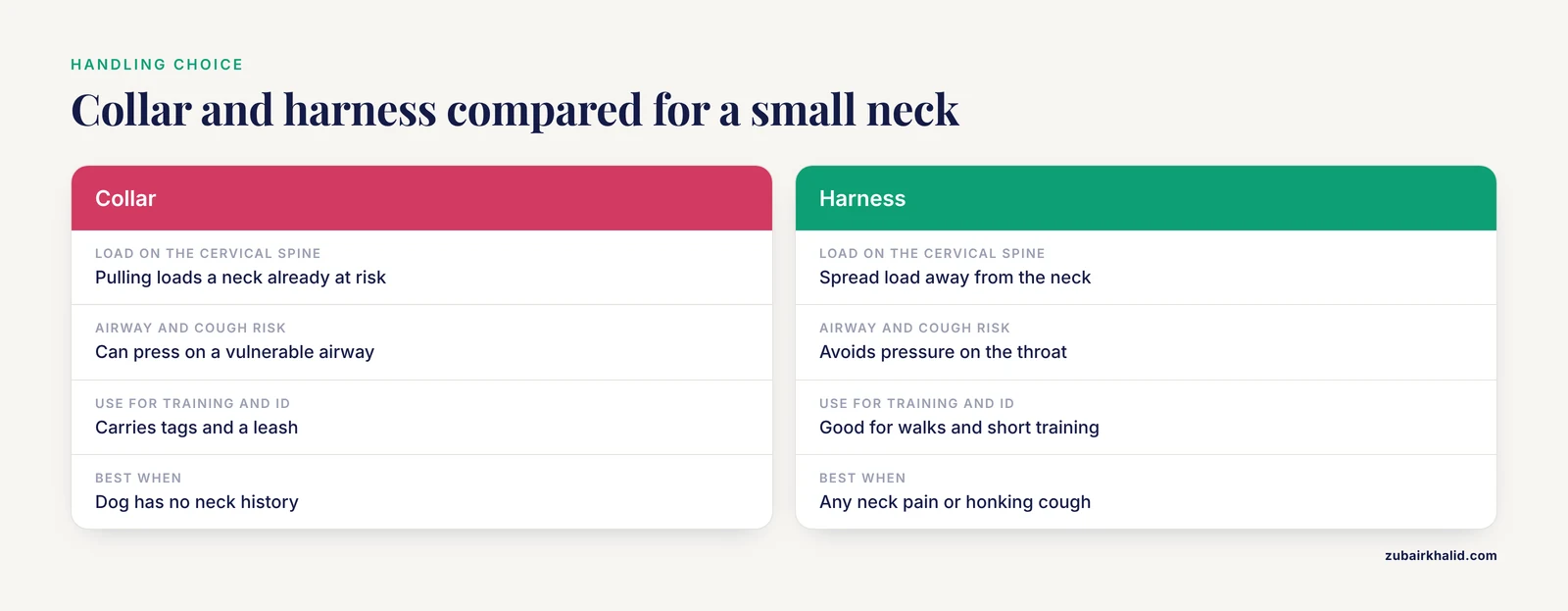
- Stop games that involve grabbing the neck or shaking the head side to side. Ask your veterinarian whether a harness is a better choice than a collar for your individual dog.
- Supervise interactions with large dogs and with young children. A toy breed can be injured by a single careless step.
- Train with food rewards and short sessions. A small dog that learns to sit and wait at doors is safer at every threshold in the house.
- Watch the airway during activity. A new honking cough, a change in bark, or noisy breathing at rest should be written down and reported.
Common Mistakes Owners Make
- Assuming a crossbreed cannot inherit parent-breed disease. The Chorkie carries the Yorkie dental and spinal risks and the Chihuahua's small-body considerations.
- Skipping dental care because the teeth look white from the front. Periodontal disease starts below the gumline and along the back teeth.
- Treating a honking cough for months as a hairball or reverse sneeze. Airway examination and imaging settle the question [6].
- Using a collar and leash to correct a dog with a history of neck pain. Ask about a harness instead.
- Delaying imaging for a wobbly dog. The cervical cases above needed advanced imaging to reach a diagnosis [2][3].
- Switching to a new diet mid-crisis without a plan. Diet trials work best with a defined protein, a defined duration, and a recheck [14].
- Ignoring a retained testicle in a male puppy. It should be located and managed.
Troubleshooting: Signs That Need a Call
| Sign | Likely concern | Action |
|---|---|---|
| Wobbling, neck pain, reluctance to turn the head | Cervical instability or disc disease | Same-day veterinary visit |
| Honking cough, voice change, noisy breathing | Tracheal or laryngeal disease | Book a visit within days, urgent if breathing is labored |
| Bloody diarrhea with vomiting or lethargy | Hemorrhagic gastroenteritis, pancreatitis | Same-day veterinary visit |
| Bad breath, tartar, dropping food, pawing at the mouth | Periodontal disease | Dental examination |
| Increased thirst and urination, weight loss | Kidney or endocrine disease | Bloodwork and urinalysis |
| New lump, crust, or non-healing sore | Infection, immune disease, or neoplasia | Biopsy discussion within days |
| Collapse, blue gums, or struggling to breathe | Emergency | Go to an emergency hospital now |
Choosing a Chorkie Puppy or Adult
Ask for the weights of both parent dogs rather than relying on a guess about adult size. Ask what health screening the parents have had and whether any litters have produced retained testicles, since cryptorchidism appears in the Yorkshire Terrier record [9]. Meet the puppy's mother if possible. Request vaccination and deworming records and take them to your own veterinarian within a few days of pickup.
Adult Chorkies appear in shelters and breed rescues. An adult dog has a known size, a known coat, and often a known medical history, which removes much of the guesswork. A pre-adoption examination with a full dental and neck assessment is money well spent.
Limitations and When to Contact a Veterinarian
Individual Chorkies vary in size, structure, and inherited risk, and the guidance here describes patterns rather than a prediction for your dog. Only a veterinarian who has examined your dog can judge its airway, spine, teeth, and laboratory results.
Contact a veterinarian promptly for any of the following:
- A first seizure, a seizure lasting more than a few minutes, or repeated seizures in one day.
- Neck pain, a stiff neck, wobbling, or an inability to walk that appears suddenly or follows a fall.
- Labored breathing at rest, blue or gray gum color, or collapse.
- Bloody diarrhea combined with vomiting, lethargy, or refusal to eat.
- Straining to urinate or no urine production.
- A new lump that grows over days, or a skin lesion that does not heal.
- Loss of appetite lasting more than 24 hours in a small dog.
- Any dog on trilostane or another chronic medication that suddenly becomes lethargic or stops eating [8].
Anesthesia and Surgical Safety for Toy-Breed Chorkies
Toy-breed patients need anesthetic protocols designed for their size. A Chorkie has less body mass, less fat reserve, and faster heat loss than larger dogs, so the entire anesthetic plan must be tailored.
Pre-anesthetic bloodwork is the minimum. Kidney markers matter because reference values shift with breed; a study of healthy small and miniature dogs found breed alone changes creatinine [1]. Baseline bloodwork also flags liver or endocrine disease that would change drug choices.
Follow the veterinarian's fasting instructions precisely. Toy breeds are at higher risk of hypoglycemia, so an extended fast is not safer. Temperature support matters during and after anesthesia because small dogs lose heat quickly. Monitor heart rate, oxygen saturation, temperature, and blood pressure through recovery.
Dental cleanings and neutering both require general anesthesia with veterinary expertise. Small breeds accumulate plaque and tartar quickly [4], and professional cleaning addresses disease below the gumline. Toy breeds with cervical instability [2] need careful positioning.
Seek emergency care for prolonged recovery, pale gums, labored breathing, or collapse after any procedure.
Toxic Household Hazards and Medication Safety for Small Dogs
A Chorkie's small body weight makes toxin exposure disproportionately dangerous. A dose of a medication or a piece of chocolate that would cause mild upset in a 20 kg dog can be life threatening in a 2 to 4 kg Chorkie. The margin between a harmless amount and a toxic amount is very narrow, so prevention is the primary strategy.
Common toxins to keep out of reach:
- Xylitol: An artificial sweetener in sugar-free gum, candy, peanut butter, and some baked goods. It causes a rapid, dangerous drop in blood sugar.
- Chocolate: Dark and baking chocolate carry the highest risk. It can cause vomiting, agitation, and heart rhythm problems.
- Grapes and raisins: These can cause acute kidney injury in some dogs.
- NSAIDs and human medications: Ibuprofen, acetaminophen, and prescription drugs are common causes of poisoning. Never give a human medication to a dog without veterinary direction.
Store all medications and toxic foods in a closed cabinet or container that a small dog cannot open or knock over. Keep your veterinarian's emergency number and a pet poison control line visible.
If you suspect ingestion, do not induce vomiting unless a veterinarian tells you to. Collect the packaging and estimate how much was eaten. Call your veterinarian or a poison control service immediately. For a Chorkie, suspected ingestion is an emergency. Do not wait for signs to develop before seeking care.
Socialization, Training, and Separation Anxiety in Chorkies
Socialize a Chorkie puppy early and gently. Invite different people, friendly vaccinated dogs, and everyday sounds and surfaces into short, calm experiences. Pair each new thing with food and praise. Stop before the puppy freezes or tries to flee. Positive-reinforcement training, with rewards for the behavior you want and no physical correction, teaches sit, name response, loose leash walking, and quiet settling. Keep sessions brief.
Prevent small-dog syndrome by treating the Chorkie as a dog, not a purse accessory. Set consistent rules, ask for sits before attention or picking up, and reward calm behavior. Do not carry it past every challenge or laugh at barking and lunging. Punishment increases fear and does not teach an alternative.
Separation anxiety signs include distress only when alone, pacing, drooling, destructive chewing at doors, vocalizing, house soiling, and escape attempts. Mild cases may improve with gradual absences and a predictable routine. Consult a veterinarian or veterinary behavior professional if signs are severe, cause self-injury, or persist despite basic training. A veterinarian can also rule out medical causes.
Frequently Asked Questions
How big does a Chorkie get?
A Chorkie is a toy-breed dog, and adult size depends on both parents. Ask for the weights of the sire and dam rather than relying on an average for the cross.
Do Chorkies have dental problems?
Yes, dental disease is the most predictable health issue in this mix. Small breeds such as the Yorkshire Terrier accumulate plaque and tartar quickly, so daily brushing plus a yearly professional assessment is the minimum [4].
Are Chorkies prone to neck and spinal problems?
Toy and miniature breeds carry a documented risk of atlantoaxial instability and other cervical instability [2][3]. Report neck pain, wobbling, or a reluctance to turn the head immediately.
What does a honking cough in a Chorkie mean?
It suggests an airway problem such as tracheal or laryngeal disease. The sound itself does not distinguish between them, so a veterinary examination and imaging are needed.
Should a Chorkie wear a collar or a harness?
Ask your veterinarian, and lean toward a harness if your dog has any history of neck pain or a honking cough. Pulling on a collar loads a cervical spine that is already a weak point in toy breeds [2].
What should I feed a Chorkie with chronic diarrhea?
A hydrolyzed protein diet trial under veterinary direction is reasonable. An 8-week trial in dogs with severe chronic enteropathy produced large improvements in clinical scores and body weight [14].
How often should a Chorkie see the veterinarian?
At least once a year for a full examination, and more often once the dog is senior or has a chronic condition. Dental checks, airway listening, and neck palpation should be part of every visit.
What should I ask a Chorkie breeder?
Ask for the weights of both parents, the health screening they have had, vaccination and deworming records, and whether any male puppies have had retained testicles. Then have your own veterinarian examine the puppy within a few days.
Sources
- Serum Creatinine, Cystatin C and Symmetric Dimethylarginine Concentrations and Relationship Between Them in Healthy Small and Miniature Dogs: A Preliminary Study.
- Ventral stabilization of C1-C2 with additional fixation of C3 using screws and polymethylmethacrylate in a toy breed dog with atlantoaxial instability.
- Sublaminar stabilization (stapling) of the caudal cervical instability in Yorkshire terrier-A case report.
- Clinical Evaluation of Autologous PRP (Platelet-Rich Plasma) in the Treatment of Periodontitis in Small-Breed Dogs.
- Case Report: Laryngeal web in a Yorkshire Terrier.
- Tracheal External Support Using a Parallel Loop Line Prosthesis for Tracheal Stent Fracture in a Dog: A Case Report.
- Fecal miRNA Profiling of Yorkshire Terrier Enteropathy.
- Hepatic abscess associated with ductal plate malformation in a dog.
- Radiation therapy in a Yorkshire terrier with seminoma and persistent Müllerian duct syndrome.
- Case Report: Dose-dependent response to oclacitinib in a dog with Sézary syndrome.
- Breed-Specific Variations in Vertebral Right Heart Index (VRHi): Implications for Detection of True and False Right Heart Enlargement (RHE) in Dogs.
- Diagnostic accuracy of cerebrospinal fluid pleocytosis in suspected meningoencephalomyelitis of unknown origin in canines.
- Epidemiology and clinical management of acute diarrhoea in dogs under primary veterinary care in the UK.
- Exclusive feeding of a highly hydrolyzed herring-protein diet is associated with reduced CIBDAI scores and body-weight gain in dogs with severe chronic enteropathy: a prospective open-label pilot study.
- Spontaneous Unusual Backflow from Duodenum to Biliary System in a Dog with Pancreatic Abscesses: A Case Study.