Yorkie Dog Breed Guide: Traits, Care, and Health
By Dr. Zubair Khalid, DVM, MS, PhD ·
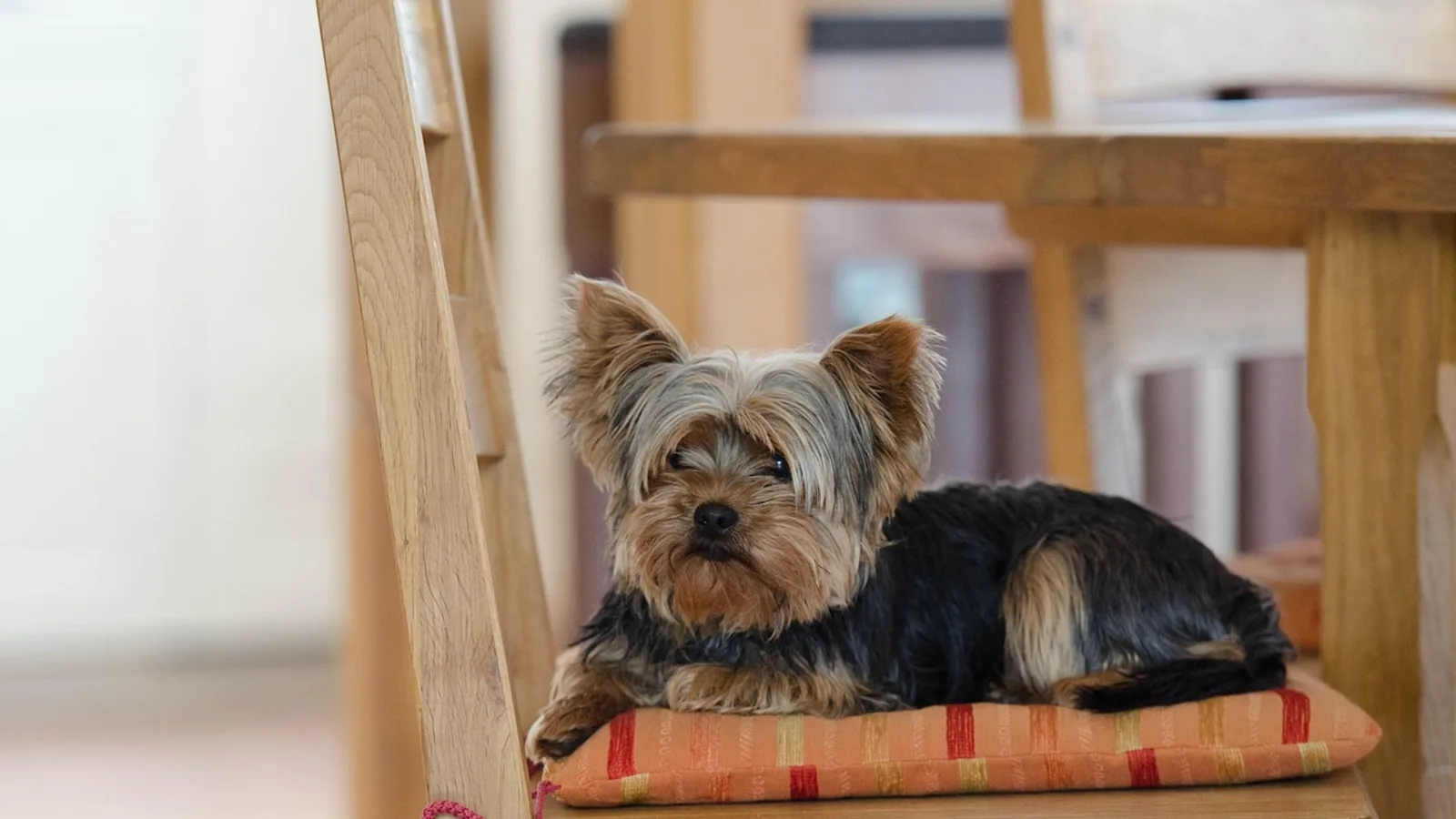
The Yorkie dog is a toy terrier with a working past. Yorkshire Terriers were developed in the north of England as small ratting dogs, and the breed still carries the bold, busy, vocal temperament of a terrier inside a body that usually weighs between 2 and 3 kg. The coat is silky and single-layered, so it grows continuously and tangles easily, and most Yorkies need grooming far more often than their owners expect. The breed is affectionate with its people and often sharp with strangers, which makes it a good fit for a quiet household that wants a companion dog with real personality and is prepared to brush, train, and monitor health closely.
This guide covers the breed profile, temperament, exercise and training needs, grooming, feeding, and the health conditions that show up most often in Yorkshire Terriers, including tracheal collapse, portosystemic shunts, patellar luxation, Legg-Perthes disease, dental disease, and low blood sugar in puppies.
This article is educational and is not a substitute for veterinary diagnosis or treatment.
At a Glance
| Trait | Typical Yorkshire Terrier |
|---|---|
| Origin | Yorkshire and Lancashire, England, developed as a ratting terrier |
| Adult weight | Commonly 2 to 3 kg, with a wider range reported in the general population [1] |
| Height | Toy size, small enough to carry in one arm |
| Coat | Long, fine, silky, single layer, continuous growth |
| Grooming | High. Daily brushing and regular professional trimming |
| Lifespan | Median age at death around 13.5 years in UK primary-care data [1] |
| Energy level | Moderate to high for a toy breed, terrier drive |
| Temperament | Bold, alert, affectionate with family, often vocal |
| Trainability | Good with consistent, reward-based training |
| Good with children | Best with older, gentle children who handle small dogs carefully |
| Good with other pets | Variable, terrier prey drive toward small animals |
The weight figure deserves a note. The classic show description of a Yorkie is a dog of roughly 2 to 3 kg, but a large UK primary-care study of 3,308 Yorkshire Terriers found a median adult body weight of 5.06 kg, with a range from about 1 kg to 15 kg [1]. That gap between the breed standard and the dogs actually seen in clinics matters. Yorkshire Terriers vary more in size than most owners realize, and a Yorkie that weighs 6 kg is not automatically overweight.
History and Original Purpose
The Yorkshire Terrier came out of the industrial north of England in the nineteenth century. Workers who moved from Scotland into Yorkshire brought small terriers with them, and those dogs were crossed with local ratters to produce a compact, quick, fearless dog that could clear rats from mills, mines, and textile factories. The breed was a working animal first and a lap dog second.
That origin explains almost everything about the modern Yorkie. The breed was selected for courage, speed, and the willingness to chase and dispatch small prey. It was not selected for patience with rough handling or for the desire to please a crowd. A Yorkshire Terrier that barks at the door, chases a squirrel, or stands its ground with a much larger dog is behaving exactly as the breed was built to behave.
The breed later became a fashionable companion dog, and its popularity has moved up and down over time. In UK primary-care records, Yorkshire Terriers made up 3.10 percent of all dogs under veterinary care in 2016, but their share of new births fell from 3.54 percent in 2005 to 2.15 percent in 2016 [1]. The breed remains common, well known, and widely available, which also means it is widely bred by people who do not screen for health.
Appearance and Coat
The Yorkshire Terrier is a small, compact, well-balanced dog with a straight back and a confident carriage. The head is small and carried high. The ears are V-shaped and stand erect. The tail is traditionally docked, though docking is now restricted or banned in many countries and is uncommon in routine US pet practice.
The coat is the breed's signature feature and its biggest maintenance burden. It is fine, glossy, and silky rather than woolly, and it grows continuously like human hair rather than shedding in a seasonal cycle. On a show coat, the hair falls straight to the floor on both sides of the body. On a pet, most owners keep the coat clipped short for practicality.
Two color points matter. The adult coat is typically blue and tan, with a steel-blue body and tan head, chest, and legs. Puppies are born black and tan and often change color as they mature, so the adult shade cannot be predicted with certainty from a young puppy.
Temperament and Behavior
The Yorkshire Terrier is a bold, alert, and affectionate toy terrier. Owners commonly describe the breed as fearless, curious, and intensely bonded to one or two people. The breed is also famously vocal. Barking at sounds, strangers, and other dogs is common and is one of the most frequent behavior complaints from Yorkie owners.
Several traits follow directly from the breed's history.
Terrier drive. Yorkies chase small moving things. Squirrels, rats, birds, and even insects can trigger a full pursuit. This is normal, not a defect, and it means off-leash time in open areas is risky.
Stranger wariness. Many Yorkies are reserved or sharp with people they do not know. Early, positive socialization helps, but the breed is rarely a greeter.
Attachment to family. Yorkshire Terriers want to be near their people. They often follow an owner from room to room and prefer laps to floors. This makes them excellent companions for adults who are home often.
Low tolerance for rough handling. A 2 to 3 kg dog is fragile. Toddlers who grab, squeeze, or drop a Yorkie can cause real injury, and the dog may respond by snapping. The breed is a better match for older children who have been taught how to hold a small dog.
Vocalization. Barking is the breed's default alarm system. Training a quiet cue and managing the triggers at the window or door reduces the noise, but most Yorkies will always announce visitors.
Exercise and Training Needs
Yorkies need more exercise than their size suggests. A Yorkshire Terrier is a terrier, and a bored terrier becomes a barking, destructive, or anxious terrier. Two or three short walks a day plus indoor play and puzzle feeding is a reasonable baseline for most adults. Puppies and seniors need shorter, more frequent sessions.
Because the breed is small, cold-sensitive, and prone to airway problems, exercise should be adjusted to the individual dog. A Yorkie with tracheal collapse or a heart condition may tire quickly or cough with exertion, and the exercise plan should be set with a veterinarian.
Training works best with short, positive sessions. Yorkshire Terriers are intelligent and food-motivated, but they are also independent and easily distracted. Reward-based training with high-value treats, five-minute sessions, and consistent rules produces the best results. Harsh corrections backfire with a breed this sensitive and this stubborn.
Three training priorities matter most for Yorkies:
- Recall. A reliable recall is the difference between a safe dog and a lost dog, because terrier prey drive overrides most training once a chase starts.
- Quiet on cue. Teaching a "quiet" behavior gives owners a tool for the barking that the breed is known for.
- Handling and grooming tolerance. Puppies should be taught to accept brushing, nail trims, tooth brushing, and veterinary handling before they become defensive about it.
Crate training and house training take patience. Small bladders and a small body mean frequent trips outside, and Yorkies can be slow to house train in cold or wet weather.
Grooming
Grooming is the single largest care commitment in owning a Yorkie. The coat is single-layered, silky, and continuously growing, which means it does not shed out on its own. It mats, tangles, and traps debris. A neglected Yorkie coat becomes painful, and the only humane fix is a full clip.
A practical grooming routine includes:
- Daily brushing with a slicker brush and a metal comb, working down to the skin so tangles are found before they tighten.
- Professional grooming every four to eight weeks, or more often for a long coat. Most pet owners choose a short "puppy cut" for easier maintenance.
- Bathing every two to four weeks with a dog-specific shampoo, followed by thorough drying and combing.
- Nail trims every three to four weeks. Overgrown nails are one of the most commonly diagnosed problems in the breed, recorded in 6.47 percent of Yorkshire Terriers in one UK primary-care study [1].
- Ear checks weekly and cleaning as directed by a veterinarian.
- Tooth brushing daily or at least several times a week, because dental disease is the breed's most common diagnosis.
Owners who cannot commit to daily brushing should plan on regular professional grooming and a short clip. A matted coat is not a cosmetic problem. It pulls on the skin, hides wounds and parasites, and can cause skin infections.
Feeding Considerations
Yorkshire Terrier puppies have unusually low energy requirements for their size. A study that tracked 22 Yorkie puppies from 10 to 52 weeks of age found that the standard National Research Council equation overestimated their energy needs between 10 and 20 weeks of age, and that Yorkie puppies ate less than Labrador Retriever puppies until about 29 weeks of age [2]. The practical takeaway is that Yorkie puppies are easy to overfeed if owners follow generic puppy-feeding charts.
Feeding guidelines for the breed:
- Feed a complete and balanced diet formulated for the dog's life stage, and adjust portions to maintain an ideal body condition score rather than a fixed cup measure.
- Feed small meals more often for puppies. Tiny dogs have small stomachs and limited glycogen reserves, so several meals a day support steadier blood sugar.
- Measure treats into the daily calorie total. Yorkies are small enough that a few extra biscuits can tip them into overweight, which is a diagnosed problem in 3.72 percent of the breed in UK primary-care data [1].
- Keep the diet consistent and transition foods slowly to avoid digestive upset.
- Discuss any therapeutic or prescription diet with a veterinarian. Yorkshire Terriers are prone to liver shunts and urinary stones, and diet choices can matter in those conditions.
Fresh water should be available at all times, and food and water bowls should be shallow enough for a small dog to reach comfortably.
Health Problems in Yorkshire Terriers
Yorkshire Terriers are a long-lived breed, with a median age at death of about 13.5 years in UK primary-care records [1]. They are also a breed with a distinct set of inherited and acquired problems. The conditions below are the ones owners and veterinarians encounter most often.
Tracheal Collapse
Tracheal collapse is a progressive weakening of the cartilage rings that hold the windpipe open. The trachea flattens, especially on the top-to-bottom axis, and the dog develops a honking cough, exercise intolerance, and noisy breathing. Yorkshire Terriers are one of the most overrepresented breeds in tracheal collapse case series, alongside Poodles and Pomeranians [3]. In a large single-institution study of 11,061 Yorkshire Terriers, severe tracheal collapse syndrome was diagnosed in 6.7 percent of the breed, with a median age at diagnosis of 10 years [4].
The classic presentation is a middle-aged to older Yorkie with a chronic goose-honk cough that worsens with excitement, heat, or pressure on the neck. Diagnosis is usually made with radiographs and confirmed with tracheoscopy or fluoroscopy. Mild cases are managed with weight control, harnesses instead of collars, cough suppression, and treatment of concurrent airway disease. Severe cases may need intraluminal stents or extraluminal ring prostheses [3].
Surgical and stent complications are well documented in the breed. One Yorkshire Terrier developed lateral-to-lateral tracheal collapse at only 10 months of age and was treated successfully with extraluminal ring prostheses [5]. Another Yorkie's intraluminal nitinol stents fractured four weeks after implantation, and the dog did not survive the follow-up surgery [6]. A third developed migration of extraluminal ring prostheses into the tracheal lumen 2.5 years after surgery, requiring removal of the protruding rings [7]. A more recent case report described a parallel loop line prosthesis used to stabilize a fractured stent in a 4-year-old Yorkie [8]. These reports show that tracheal collapse in Yorkies can be early, severe, and surgically complicated, and that treatment decisions should be made with a specialist.
There is also evidence that tracheal collapse involves systemic inflammation. A prospective study found that plasma interleukin-8 was significantly higher in dogs with tracheal collapse than in healthy controls, and Yorkshire Terriers were overrepresented in the affected group [9].
Congenital Portosystemic Shunts
A portosystemic shunt is an abnormal blood vessel that lets blood from the intestines bypass the liver. Toxins that the liver should filter reach the bloodstream instead, causing neurological signs, poor growth, and digestive problems. Yorkshire Terriers are a known predisposed breed. In the same large study of 11,061 Yorkshire Terriers, the observed prevalence of congenital portosystemic shunts was 0.8 percent, and the median age at diagnosis was 2.7 years [4].
Signs in puppies and young adults include stunted growth, episodes of disorientation or head pressing after meals, vomiting, diarrhea, and excessive drinking and urination. Some affected dogs show few obvious signs and are identified through blood work. Diagnosis typically involves bile acid testing, abdominal ultrasound, and sometimes advanced imaging. Treatment options include medical management with a liver-supportive diet and surgical attenuation of the shunt, and the choice depends on the shunt's anatomy and the dog's condition.
A related finding is that Yorkshire Terriers are overrepresented among dogs with microvascular dysplasia, a liver condition that can look similar to a shunt on biopsy [10]. Any Yorkie with unexplained neurological or gastrointestinal signs should have liver function assessed.
Patellar Luxation
Patellar luxation is a dislocation of the kneecap out of its normal groove. It is one of the most common orthopedic problems in small-breed dogs, and Yorkshire Terriers are among the breeds affected. The dog may skip, hop, or carry a hind leg for a few steps, then return to normal. Over time, the dislocation can become permanent and lead to arthritis.
Mild cases are managed with weight control, joint-friendly exercise, and physical therapy. More severe or painful cases may need surgery to deepen the groove and realign the supporting structures. Any Yorkie with intermittent hind-limb lameness should be examined, and puppies should be checked for patellar laxity at their vaccination visits.
Legg-Perthes Disease
Legg-Perthes disease, also called avascular necrosis of the femoral head, is a condition in which the blood supply to the top of the thigh bone fails and the bone dies and collapses. It causes progressive hind-limb lameness in young, small-breed dogs, typically between four and twelve months of age. Yorkshire Terriers are a recognized breed at risk.
The first sign is often a subtle limp that worsens over weeks. The dog may resist jumping or become reluctant to exercise. Diagnosis is made with radiographs. The standard treatment is surgical removal of the affected femoral head and neck, which relieves pain and allows a functional false joint to form. Most dogs do well after surgery, especially with early intervention.
Dental Disease
Dental disease is the most common health problem in the breed. In UK primary-care data, periodontal disease was diagnosed in 21.10 percent of Yorkshire Terriers, and persistent deciduous teeth in 3.57 percent [1]. A dental study of Yorkshire Terriers under two years of age found that dental agenesis, malocclusion, crowding, persistent deciduous teeth, and tooth shape abnormalities were common, with agenesis most often affecting the mandibular third molars [11]. The breed's small jaw and crowded teeth create plaque traps, and the resulting inflammation progresses to periodontitis if untreated.
Yorkshire Terriers also have a distinctive oral microbiome. A study of subgingival plaque in the breed found that healthy gingiva and mild gingivitis were associated with Proteobacteria such as Moraxella and Pasteurellaceae, while moderate gingivitis and periodontitis were associated with shifts toward Firmicutes and Bacteroidetes, including Porphyromonas canoris [12]. This is one more reason early dental care matters.
Prevention is straightforward but requires consistency. Daily tooth brushing with a dog-specific toothpaste is the single most effective home measure. Professional dental cleaning under anesthesia removes plaque and tartar below the gumline. Because small dogs have a higher anesthetic risk, pre-anesthetic blood work and a tailored anesthetic plan are important, and this is a conversation to have with the veterinarian before scheduling.
Hypoglycemia in Puppies
Toy breed puppies, including Yorkies, have limited liver glycogen stores and small body mass, so they can develop low blood sugar quickly when they miss meals, play too hard, or become chilled or stressed. Signs include weakness, wobbling, drooling, lethargy, and in severe cases seizures or collapse.
Prevention focuses on frequent small meals, keeping the puppy warm, limiting exhausting play, and recognizing early signs. A puppy showing signs of hypoglycemia needs immediate veterinary attention. Owners should ask their veterinarian for a feeding schedule and a plan for what to do if a puppy seems weak or unsteady.
Other Conditions Reported in the Breed
Several other conditions appear in Yorkshire Terriers and are worth knowing about.
Protein-losing enteropathy. A poorly understood intestinal disorder has been reported in the breed. In a study of 30 Yorkshire Terriers with protein-losing enteropathy, the median age was 7 years, females outnumbered males, and common signs included diarrhea, vomiting, abdominal distension, and respiratory difficulty. All dogs were treated with glucocorticoids, and responders had a median survival of 44 months compared with 12 months in nonresponders [13].
Cervical intervertebral disc disease. A study of 60 Yorkshire Terriers with cervical disc extrusion found that most presented acutely, about half were unable to walk on admission, and most recovered well after surgery. Complete recovery was seen in 76.7 percent of dogs, and relapses occurred in 11.7 percent [14].
Urolithiasis. Yorkshire Terriers are listed among breeds at higher risk for renal stones in a large multi-region study of canine calculi [15], and the breed appears in German urolith data as well [16]. Stone type and risk vary by sex and region, so any Yorkie with straining, blood in the urine, or frequent urination should be evaluated.
Atopic dermatitis. Yorkshire Terriers are among the small breeds evaluated in a Korean study of canine atopic dermatitis, though the breeds with the highest prevalence in that population were Shih Tzu, Cocker Spaniel, and French Bulldog [17]. Allergic skin disease occurs in Yorkies and should be on the list when a dog has chronic itching.
Hypothyroidism. Yorkshire Terriers are actually a protected breed for hypothyroidism, with a lower risk than the general dog population in UK primary-care data [18]. This is a useful counterpoint to the common assumption that any small dog with weight gain has a thyroid problem.
Condition Summary Table
| Condition | Typical age of onset | Key clinical sign |
|---|---|---|
| Tracheal collapse | Middle age to older, median 10 years [4] | Honking cough, exercise intolerance, noisy breathing |
| Congenital portosystemic shunt | Young adult, median 2.7 years [4] | Stunted growth, post-meal disorientation, vomiting |
| Patellar luxation | Puppy to young adult | Intermittent skipping or hind-limb lameness |
| Legg-Perthes disease | 4 to 12 months | Progressive hind-limb limp, reluctance to jump |
| Periodontal disease | Any age, often by 2 years [11] | Bad breath, tartar, loose or missing teeth |
| Persistent deciduous teeth | Under 2 years [11] | Baby teeth retained alongside adult teeth |
| Hypoglycemia | Puppy, especially under 6 months | Weakness, wobbling, drooling, collapse |
| Protein-losing enteropathy | Median 7 years [13] | Chronic diarrhea, weight loss, abdominal swelling |
| Cervical disc extrusion | Adult | Neck pain, wobbling, inability to walk |
Anesthesia and Dental Risk in Small Dogs
Two risks are tied directly to the Yorkie's size. The first is anesthetic risk. Small dogs have less reserve, lose body heat faster, and are harder to monitor than large dogs, so anesthesia requires careful drug selection, warming, and close monitoring. The second is dental disease. Small mouths crowd teeth, plaque accumulates quickly, and periodontal disease was the single most common diagnosis in the breed in UK primary-care records [1].
These two risks interact. Dental disease is common enough that many Yorkies need professional cleaning under anesthesia, and the anesthetic risk is higher because the dog is small. The practical response is prevention. Daily tooth brushing, regular veterinary dental checks, and early treatment of tartar and gingivitis reduce the number of anesthetic procedures a Yorkie needs over its lifetime. When anesthesia is necessary, pre-anesthetic blood work, chest imaging if indicated, and a veterinarian experienced with toy breeds improve safety.
Recommended Screening and Preventive Care
Yorkies benefit from a structured preventive plan. According to the AAHA preventive care guidelines, adult dogs should have at least an annual wellness examination, with more frequent visits for puppies, seniors, and dogs with chronic conditions. The following screening items are relevant to this breed.
- Physical examination at least yearly, including a patellar check, oral exam, and airway assessment.
- Dental evaluation at every visit, with professional cleaning when tartar and gingivitis are present.
- Body weight and body condition score at every visit, because overweight worsens tracheal collapse, patellar luxation, and arthritis.
- Bile acid testing for puppies with poor growth, neurological signs, or digestive problems, to screen for portosystemic shunts.
- Orthopedic examination for young dogs with lameness, and radiographs if Legg-Perthes disease or patellar luxation is suspected.
- Airway evaluation for any adult Yorkie with a chronic cough, including radiographs and referral for tracheoscopy if needed.
- Routine blood work and urinalysis as recommended by the veterinarian, especially before anesthesia and in senior dogs.
- Parasite prevention following Companion Animal Parasite Council recommendations for the dog's region and lifestyle.
- Vaccination according to the veterinarian's protocol and local risk.
Lifespan and Senior Care
The Yorkshire Terrier is a long-lived breed. In UK primary-care data, the median age at death was 13.56 years, with an interquartile range of 11.30 to 15.15 years [1]. Many Yorkies live into their mid-teens, and a few reach 18 or older.
Senior Yorkies need more frequent veterinary visits. Common issues in older dogs of this breed include worsening tracheal collapse, dental disease, heart disease, kidney disease, arthritis, and cognitive changes. The most common disorder groups causing death in the UK study were brain disorders and kidney disorders [1]. Owners should watch for changes in drinking, urination, appetite, mobility, and mentation, and report them early.
Finding a Responsible Breeder or Rescue
A responsible breeder prioritizes health over appearance and is transparent about the dogs behind the puppy. Questions worth asking include:
- What health testing is done on the parents, and can you see the results?
- How old are the parents, and what is their health history?
- Have the parents been screened for patellar luxation and other orthopedic problems?
- Are the puppies raised indoors with early socialization and handling?
- What is the breeder's policy on returns, and do they take back dogs they have bred?
- Can you meet the mother, and see where the puppies are raised?
A breeder who cannot answer these questions, who sells puppies before eight weeks of age, or who offers multiple breeds without health documentation is a poor risk. Yorkshire Terriers are common in shelters and breed-specific rescues, and an adult rescue can be an excellent choice for owners who want a known temperament and a dog past the fragile puppy stage.
Who Should Not Get a Yorkie
A Yorkshire Terrier is not the right dog for every household. The breed is a poor fit for:
- Homes with very young children who cannot handle a 2 to 3 kg dog safely.
- Owners who will not commit to daily grooming or regular professional grooming.
- Owners who want a quiet dog. Yorkies bark.
- Owners who want an off-leash trail dog. Terrier prey drive makes that risky.
- Owners who cannot afford veterinary care. The breed's common conditions, including tracheal collapse, shunts, and dental disease, can require specialist care.
- Owners who leave a dog alone for long stretches. Yorkies are strongly people-oriented and can become distressed or destructive when isolated.
Limitations and When to Contact a Veterinarian
Every dog is an individual, and breed tendencies are not diagnoses. A veterinarian who examines your Yorkie can assess its specific risks and recommend a plan.
Contact a veterinarian promptly if your Yorkie has any of the following:
- A new or worsening cough, especially a honking cough or one that occurs with excitement or pressure on the neck
- Difficulty breathing, noisy breathing, or blue-tinged gums
- Collapse, seizure, disorientation, or head pressing, especially after a meal
- Weakness, wobbling, drooling, or unresponsiveness in a puppy
- Lameness that lasts more than a few days, or a hind leg that is carried intermittently
- Bad breath, drooling, dropping food, or visible tartar and red gums
- Straining to urinate, blood in the urine, or accidents in a house-trained dog
- Persistent vomiting, diarrhea, weight loss, or a swollen abdomen
- A mass, a non-healing wound, or a sudden change in appetite or behavior
A Yorkie with severe breathing difficulty needs emergency care. Do not wait to see if it improves.
Frequently Asked Questions
How big does a Yorkie dog get?
Most Yorkshire Terriers weigh between 2 and 3 kg, but the breed varies widely in practice. A large UK primary-care study found a median adult weight of 5.06 kg, with a range from about 1 kg to 15 kg [1].
Do Yorkies shed?
Yorkshire Terriers have a single, silky coat that grows continuously and sheds very little in the usual sense. The trade-off is that the coat mats and tangles, so daily brushing and regular professional grooming are necessary.
Are Yorkies good with children?
Yorkies do best with older children who handle small dogs gently. Their small size makes them fragile around toddlers, and the breed can snap when handled roughly.
Why does my Yorkie cough like a goose?
A honking cough in a Yorkie often points to tracheal collapse, a condition the breed is strongly predisposed to [4][3]. Any chronic cough should be evaluated by a veterinarian.
Are Yorkies prone to liver problems?
Yes. Yorkshire Terriers have a higher prevalence of congenital portosystemic shunts than many breeds, with a median age at diagnosis of 2.7 years in one large study [4]. They are also overrepresented among dogs with microvascular dysplasia of the liver [10].
Do Yorkies need their teeth brushed?
Yes. Periodontal disease is the most common diagnosis in the breed, affecting 21.10 percent of Yorkshire Terriers in UK primary-care data [1]. Daily tooth brushing is the most effective home prevention.
What is Legg-Perthes disease in Yorkies?
Legg-Perthes disease is the death and collapse of the femoral head, causing hind-limb lameness in young small-breed dogs. Yorkshire Terriers are a recognized at-risk breed, and treatment is usually surgical removal of the affected bone.
How long do Yorkshire Terriers live?
The median age at death for Yorkshire Terriers in UK primary-care records was about 13.5 years, with many dogs living into their mid-teens [1].
Related Articles
- Hairless Cat: Care, Health, and Breed Guide
- Cat Breeds: How to Choose a Cat by Care Needs, Health, and History
- Norwegian Forest Cat: Breed Guide, Health, and Care Tips
- Dog Breeds: Health Guide and Care Tips for Popular Types
- Small Dog Breeds: Health Concerns and Care Tips
- Ragdoll Cat Breed Guide: Personality, Care, and Health Tips
Sources
- Yorkshire Terriers under primary veterinary care in the UK - demography and disorders.
- Energy requirements for growth in the Yorkshire terrier.
- Surgical treatment of tracheal collapse in dogs: 90 cases (1983-1993).
- Prevalence of tracheal collapse syndrome, congenital portosystemic shunts, or both in Yorkshire Terriers at one veterinary hospital.
- Atypical lateral tracheal collapse in a Yorkshire terrier.
- Intraluminal tracheal stent fracture in a Yorkshire terrier.
- Migration of extraluminal tracheal ring prostheses after tracheoplasty for treatment of tracheal collapse in a dog.
- Tracheal External Support Using a Parallel Loop Line Prosthesis for Tracheal Stent Fracture in a Dog: A Case Report.
- Assessment of the circulating inflammatory mediator interleukin-8 in dogs with tracheal collapse.
- A retrospective histopathological survey on canine and feline liver diseases at the University of Tokyo between 2006 and 2012.
- Longitudinal Evaluation of Permanent Dental Anomalies in a Group of Yorkshire Terriers Referred for Dental Consultation.
- Bacterial associations with periodontal disease in Yorkshire terriers.
- Clinical features, intestinal histopathology, and outcome in protein-losing enteropathy in Yorkshire Terrier dogs.
- Cervical intervertebral disc disease in 60 Yorkshire terriers.
- Urolithiasis in dogs V: regional comparisons of breed, age, sex, anatomic location, and mineral type of calculus.
- [[Occurrence of uroliths - age-, breed-, and gender-specific differences in dogs from Germany].](https://pubmed.ncbi.nlm.nih.gov/33588460/)
- Prevalence and lesion distribution of atopic dermatitis in small-to-medium breed dogs in Korea.
- Frequency, breed predispositions and other demographic risk factors for diagnosis of hypothyroidism in dogs under primary veterinary care in the UK.