Chihuahua Pom Mix: Traits, Care, and Health
By Dr. Zubair Khalid, DVM, MS, PhD ·
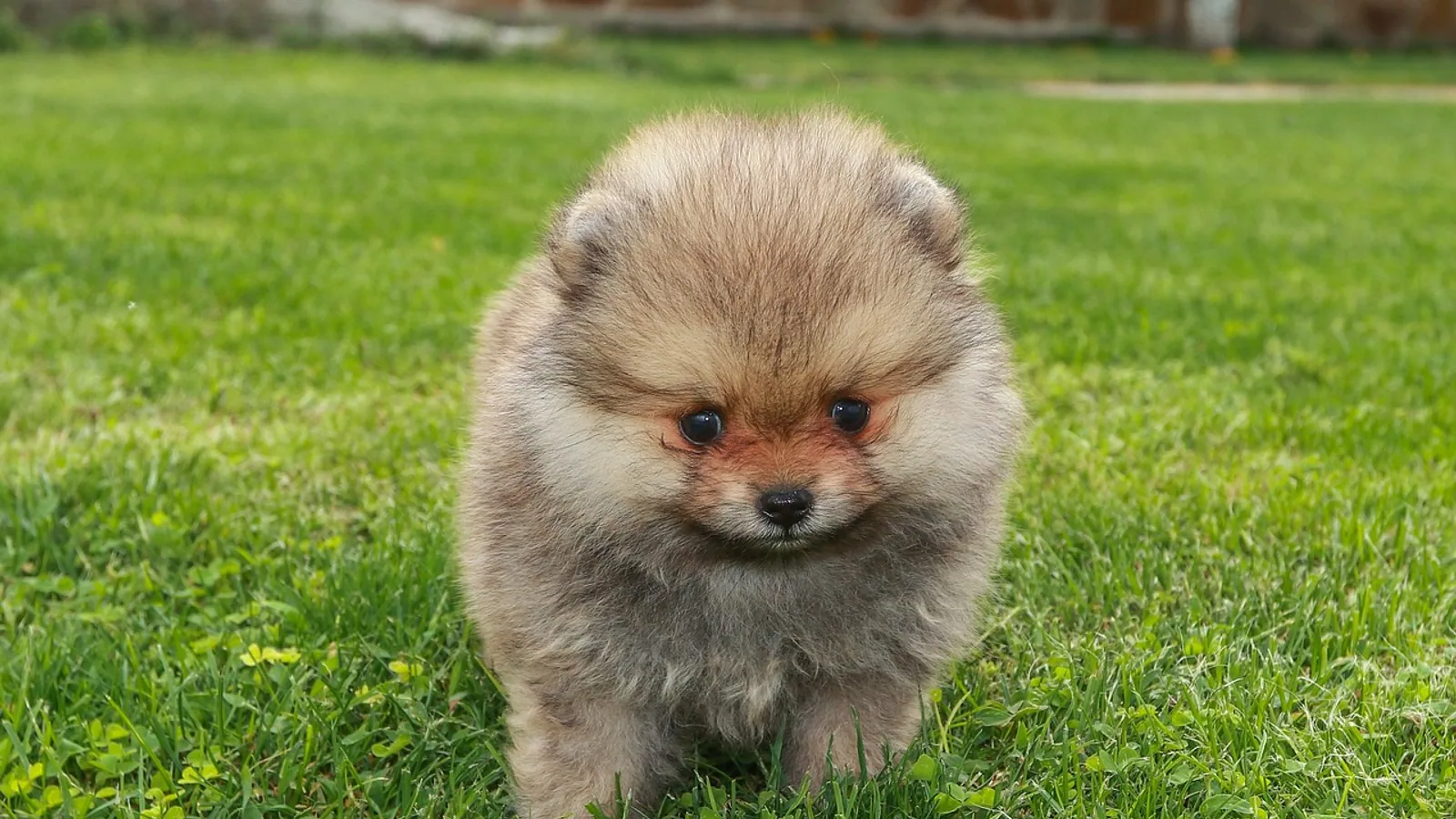
The Chihuahua Pom mix is a small companion cross produced by breeding a Chihuahua with a Pomeranian. It has no breed registry, no written standard, and no closed gene pool, so two puppies from the same litter can differ in size, coat, and body shape. Most adults land somewhere between 3 and 7 pounds (1.4 to 3.2 kilograms) and 6 to 10 inches at the shoulder, but that is a working range drawn from the parent breeds rather than a fixed breed specification. The Chihuahua and Pomeranian mix dog is bred almost entirely as a pet, and the traits owners value most are portability, a long lifespan, and a lively, alert personality. The same small body size that makes these dogs easy to carry also concentrates risk in the mouth, the airways, the knees, and the skin. This guide covers what the cross typically looks like, how to feed and groom it, which inherited conditions deserve screening, and when a veterinarian needs to see the dog.
This article is educational and is not a substitute for veterinary diagnosis or treatment.
At a Glance
| Trait | Typical Range or Detail |
|---|---|
| Height | 6 to 10 inches at the shoulder (working estimate from parent breeds) |
| Weight | 3 to 7 pounds (1.4 to 3.2 kilograms), wide individual variation |
| Coat | Variable. Short to medium double coat, or longer woolly coat inherited from the Pomeranian |
| Color | Any color combination seen in the parent breeds, including cream, black, sable, red, and parti-color |
| Lifespan | Commonly reported in the low teens. No verified breed-specific average exists for the cross |
| Energy level | Moderate to high for body size. Short bursts of activity suit this dog |
| Grooming | Daily brushing for longer coats. Professional trimming and nail care as needed |
| Trainability | Variable. Chihuahuas and Pomeranians are both bright, but both can be willful |
| Good with children | Best with calm, older children who handle gently. Very small body size is a safety issue with toddlers |
| Good with other pets | Depends on socialization and early exposure. Prey drive toward rodents is possible |
| Registry status | None. Not recognized by any major kennel club as a distinct breed |
What Is a Chihuahua Pomeranian Mix?
The Chihuahua Pomeranian mix goes by several informal names, including Pom Chi, Chi Pom, and Chihuahua Pom. None of these names corresponds to a breed registry entry. The American Kennel Club recognizes the Chihuahua and the Pomeranian as separate breeds, and neither the AKC nor any comparable registry maintains a standard for the cross. That distinction matters for owners because it means there is no agreed height, weight, coat type, or temperament that a breeder can promise.
A mixed breed Pomeranian Chihuahua inherits one full set of genes from each parent. The Chihuahua is one of the smallest dog breeds in the world and traces to Mexico. The Pomeranian is a compact Spitz-type breed descended from larger German spitz dogs and named for the Pomerania region of central Europe. Crossing them produces a dog with the toy body size of both parents and a mixed physical appearance that can lean toward either side.
Size is the trait owners ask about most. The parent breeds both sit in the toy range, so the cross is reliably small. The 3 to 7 pound window reflects the overlap between a typical Pomeranian and a typical Chihuahua, with individual dogs falling outside it. Body weight in dogs is a heritable, polygenic trait, and genetic studies of canine stature have identified variants that separate small breeds from large ones [1]. Because a crossbred puppy draws from two different gene pools, its adult size is harder to predict than that of a purebred puppy from parents of known size. Seeing the dam and, when possible, the sire is more useful than any published chart.
History and Purpose
The Chihuahua Pom mix is a modern companion cross, not a working breed with a documented history. Designer crosses of this type became popular in the United States in the 1990s and 2000s as demand grew for small, apartment-friendly dogs. The purpose was simple. Breeders wanted to combine the Chihuahua's tiny frame with the Pomeranian's heavier coat and fox-like face.
The parent breeds have very different histories. The Chihuahua's ancestry is usually linked to small companion dogs kept in Mexico, and it was developed as a lap dog and household companion. The Pomeranian was bred down in size from larger spitz ancestors and became a fashionable toy breed in the nineteenth century. Neither breed was developed for herding, hunting, or guarding at its current size, and the cross inherits that companion-animal background.
Because there is no registry, there is also no lineage record, no health testing requirement, and no breed club monitoring the cross. Owners who want a predictable dog should understand this gap. A responsible breeder of a Chihuahua and Pomeranian mix dog will still screen the parent dogs and provide health documentation, but the absence of a standard means buyers carry more responsibility for asking questions.
Appearance and Coat
Appearance in the Chihuahua and pom mix varies more than in either parent breed. Common features include a small rounded head, large dark eyes, erect or semi-erect ears, a short muzzle, and a compact body. The tail may curl over the back like a Pomeranian's or sit lower like a Chihuahua's.
The coat is the most variable trait. A dog that takes after the Chihuahua may have a smooth, short coat that lies close to the body. A dog that takes after the Pomeranian may have a thick double coat with a soft undercoat and a longer, harsher outer coat. Some puppies show a woolly texture that differs from the sleek coat of the classic Pomeranian. Coat type matters for health as well as appearance. A 2025 study of Pomeranians identified a woolly coat type as a risk indicator for developing alopecia X, a noninflammatory hair loss condition [2]. Coat color also varies and can include cream, black, red, sable, chocolate, and parti-color patterns.
Muzzle length is worth noting. Chihuahuas have a moderately short muzzle, and Pomeranians have a shorter one still. A cross with a very short muzzle may have dental crowding, because the jaw is small and the teeth are full-sized. This is a structural issue, not a cosmetic one, and it drives much of the dental disease described later.
Coat Types You May See
- Smooth coat. Short, flat, minimal brushing needed, more visible skin.
- Medium double coat. Short topcoat with a dense undercoat, seasonal shedding.
- Long or woolly coat. Pomeranian-type coat with a soft dense undercoat, daily brushing required.
Temperament and Behavior
The Chihuahua and Pomeranian mix dog is usually alert, energetic, and attached to its primary person. Both parent breeds are known for strong bonds with one household member, and the cross often shows the same loyalty. Many of these dogs are vocal. Chihuahuas bark at unfamiliar sounds, and Pomeranians are also quick to alert, so a mix can be a reliable doorbell.
Temperament in a crossbreed is not guaranteed. Litter variation applies to behavior as well as size, and early socialization shapes the adult dog. Puppies exposed to new people, sounds, surfaces, and gentle handling between roughly three and sixteen weeks tend to be more confident adults. Puppies kept isolated during that window often become shy or reactive.
Chihuahuas have a reputation for being snappy with strangers and for guarding their owners. Pomeranians can be busy and excitable. A mix may show either pattern or a blend. Owners who want a calm, unflappable dog should meet the puppy's parents and watch how the adults behave, since temperament has a heritable component and the home environment matters as well.
Two safety points deserve emphasis. First, these dogs are fragile. A drop from a couch, a stepped-on paw, or a rough hug from a toddler can cause injury. Second, their small size can make them defensive, so they need respectful handling and a way to retreat when they want space. Households with children under about six years often do better with a sturdier breed unless an adult supervises every interaction.
Exercise and Training
Exercise needs for the Chihuahua Pom mix are modest in total volume but real. These dogs have energy and benefit from daily activity, and a short walk plus indoor play usually covers it. A yard is not required. Apartment living suits them well, provided they get out for walks and mental stimulation.
Training benefits from consistency and short sessions. Both parent breeds are intelligent and can learn basic cues, but both are also capable of ignoring instructions they dislike. Positive reinforcement with food and praise works better than punishment, and it builds the bond these dogs value. House training can take patience because small bladders fill quickly and cold or wet weather discourages tiny dogs from going outside.
Socialization is not optional. Expose the puppy to different people, dogs, and environments in a controlled way. Puppy classes designed for small breeds give both training and safe social contact. Because these dogs are vocal, teaching a quiet cue early prevents a lifelong barking habit.
Handle your dog's mouth, ears, and paws from puppyhood. A dog that accepts having its teeth brushed, its nails trimmed, and its ears checked will be far easier to keep healthy for a decade or more. Dental care in particular should start young, and there is good reason for that, as the next section explains.
Grooming
Grooming needs track the coat. A smooth-coated Chihuahua and Pom mix needs a quick brushing once or twice a week and a bath every few weeks. A dog with a longer Pomeranian-type coat needs daily brushing to prevent mats, especially behind the ears, under the legs, and around the tail. Professional trimming and shaping help keep the coat manageable, and many owners schedule regular grooming appointments.
The double coat should never be shaved down to the skin for convenience. The undercoat insulates against both heat and cold, and shaving can interfere with temperature regulation and coat regrowth. A trim that shortens the outer coat while preserving the undercoat is the usual approach.
Nails need trimming every few weeks. Overgrown nails change the way a dog stands and can contribute to foot discomfort. Ears should be checked weekly and cleaned when waxy. Eyes should be wiped if tearing occurs. Small breeds are prone to tear staining, which is cosmetic but worth monitoring for signs of irritation.
Dental Care Is the Core of Grooming
For this cross, dental care is the most important grooming task, and it deserves its own routine. Periodontal disease is the most common oral disease in small dogs, and its progression is driven by age and body size [3]. A study of 665 small dogs found that periodontal disease and colonization by the major periodontal pathogen Porphyromonas gulae both increased with age, and that the relationship between disease and bacterial genotype differed by breed, with significant associations seen in Toy Poodles and Chihuahuas [4]. That finding connects directly to the Chihuahua side of this cross.
Small breeds also carry a higher burden of other dental problems. An analysis of more than 2,200 small and medium breed dogs found that periodontal disease was the leading cause of tooth extraction, and that extractions increased with age [5]. Extra-small breeds are especially vulnerable to persistent deciduous teeth, the baby teeth that fail to fall out on schedule. A large retrospective study of nearly three million dogs found an overall prevalence of 7 percent for persistent deciduous teeth, rising to 15 percent in extra-small breeds under 6.5 kilograms [6]. Retained baby teeth crowd the adult teeth, cause malocclusion, traumatize soft tissue, and raise the risk of periodontal disease [6].
Nonvital (dead) incisor teeth are another concern in very small dogs. A radiographic study of dogs under 10 kilograms found that 250 of 2,682 incisor teeth (9.3 percent) were nonvital, with maxillary incisors about twice as likely to be affected as mandibular incisors [7]. Periodontitis and class 3 malocclusion both significantly increased the odds of a nonvital incisor [7]. Since these teeth can cause infection and pain when untreated, they are a routine finding on dental radiographs rather than a rare event [7].
Tooth resorption is a third issue. A retrospective study using full-mouth intraoral radiographs in dogs under 15 kilograms found that external replacement resorption was the most common type, and that prevalence increased with age, rising significantly in dogs aged 9 to 11 years and older [8]. The rate was highest in premolars [8].
The practical takeaway is that owners of a Chihuahua Pomeranian mix should brush their dog's teeth daily with a pet-safe toothpaste, use veterinary dental chews or diets if recommended, and schedule professional dental cleanings. A veterinarian can assess the mouth, take dental radiographs when indicated, and plan extractions or treatment as needed. There is no substitute for professional evaluation of a small dog's mouth, because much of the disease occurs below the gum line and cannot be seen by an owner at home.
Feeding and Nutrition
Small breed dogs have high energy needs per pound of body weight and small stomachs, so they typically eat small, frequent meals. Many owners of toy breeds feed two to three meals a day rather than one large meal. Choose a complete and balanced diet formulated for small breeds, and follow the feeding guide on the label as a starting point rather than a fixed rule. Adjust based on body condition, since obesity worsens joint problems and adds stress to an already small skeletal frame.
Body condition score is a more useful gauge than a number on a scale. You should be able to feel the ribs with light pressure and see a waist from above. Dogs that score above ideal body condition are at higher risk for several health problems, including conditions that affect the mouth. One large study found that dogs above ideal body condition had increased odds of persistent deciduous teeth, while dogs below ideal condition had decreased odds [6]. That is a correlation, not proof that weight causes retained teeth, but it supports keeping a small dog lean.
Dental diets and chews can help reduce plaque, but they do not replace brushing or professional cleaning. For dogs with confirmed dental disease, a veterinarian may recommend specific therapeutic diets or dental products. Ask before using anything abrasive or hard enough to fracture a small tooth.
Fresh water should always be available. Some small dogs are picky drinkers, and dehydration can contribute to urinary problems. If your dog is not drinking normally, treat that as a reason to call a veterinarian.
Inherited and Common Health Problems
Both parent breeds carry hereditary conditions, and a cross can inherit from either side. Some risks are shared, especially dental disease and patellar luxation. Others are more specific to one parent. The table below summarizes the main conditions to know about, with the signs that should prompt a veterinary visit and the general approach to screening or management.
| Condition | Typical Signs | Screening or Management Approach |
|---|---|---|
| Patellar luxation (kneecap dislocation) | Skipping on a hind leg, sudden yelp, hopping gait, lameness that comes and goes | Orthopedic examination at every wellness visit, palpation of the knees, radiographs if indicated, weight control, surgery in severe or recurrent cases |
| Tracheal collapse | Honking cough, especially with excitement or collar pressure, exercise intolerance, noisy breathing | Examination, radiographs or airway imaging, harness instead of collar, weight management, medical therapy, surgery in selected cases |
| Dental overcrowding and periodontal disease | Bad breath, tartar, red gums, loose teeth, dropping food, reluctance to chew | Annual or more frequent oral examination, dental cleaning under anesthesia, dental radiographs, daily home brushing [3][5][6] |
| Persistent deciduous teeth | Baby teeth still present at six months, crowded or misaligned adult teeth | Examination at the puppy vaccine visits, extraction under anesthesia when retained, then monitor adult dentition [6] |
| Nonvital incisor teeth | Discolored tooth, pain on chewing, bad breath, swelling near the root | Dental radiographs to detect widened pulp canal or periapical changes, extraction or root canal treatment [7] |
| Tooth resorption | Difficulty chewing, dropping food, pain, radiographic changes at the root | Full-mouth dental radiographs, extraction of affected teeth, monitoring of remaining teeth [8] |
| Alopecia X (hair cycle arrest) | Symmetrical hair loss on the trunk, neck, or thighs, often without itching, darkening of the skin | Diagnosis of exclusion, coat and skin examination, thyroid and adrenal testing to rule out other causes, management options discussed with a veterinarian [2] |
| Chiari-like malformation and hydrocephalus (Chihuahua-linked) | Head tilt, neck pain, scratching at the neck, wobbliness, behavioral change, seizures | Neurologic examination, advanced imaging such as MRI, medical management, surgical referral in selected cases |
| Sterile nodular panniculitis | Firm bumps under the skin, sometimes draining, sometimes painful | Skin biopsy for diagnosis, treatment with immunomodulatory or immunosuppressive medication [9] |
| Periodontal-systemic links | Heart, kidney, or liver changes in dogs with chronic periodontal disease | Treat the mouth, monitor organ function, discuss the link between oral and systemic health with a veterinarian [10] |
Orthopedic Problems
Patellar luxation is the most common orthopedic problem in small breeds, and both Chihuahuas and Pomeranians are at risk. The kneecap slips out of its groove, which causes a sudden hop or skip, and in some dogs it becomes a persistent lameness. Mild cases may need only weight management and monitoring. Moderate and severe cases may need surgery, especially if the dog has recurrent episodes or develops arthritis. Your veterinarian can grade the luxation during a routine physical examination and refer to a surgeon when needed.
Airway Problems
Tracheal collapse is a concern in toy breeds. The cartilage rings of the windpipe weaken and flatten, producing a characteristic honking cough that often appears with excitement, drinking, or pressure from a collar. It can worsen over time. A harness that spreads pressure across the chest is better than a neck collar for any dog with a suspected airway problem. Diagnosis usually involves examination and imaging, and treatment ranges from weight control and medication to surgical stenting in severe cases.
Dental Disease
Dental disease is nearly universal in small breeds over time. Periodontitis is the most common oral disease in dogs, and small body size is a known risk factor [3]. The bacteria involved include Porphyromonas gulae, which is strongly linked to more severe disease, and the relationship between its fimbrial genotypes and disease severity differs by breed, with Chihuahuas showing a significant association [4].
There is also a systemic dimension. A retrospective study of 136 dogs found a statistically significant association between periodontal disease and cardiac disease, and small breeds under 10 kilograms were the most prevalent group in the periodontal disease category [10]. That does not prove that dental disease causes heart disease, but it supports treating the mouth as part of whole-body care.
Gingival and periodontal treatment does work. A 2025 clinical study of 42 small breed dogs with stage 2 to 3 periodontitis found that injections of autologous platelet-rich plasma after standard dental prophylaxis significantly improved the gingival index and reduced periodontal pocket depth and horizontal bone loss at 30 days compared with controls [11]. This is a specialty treatment, not a home remedy, but it shows that periodontal disease can be actively managed rather than simply accepted.
Skin and Coat Conditions
Alopecia X is a noninflammatory hair loss condition seen in Pomeranians, and the cause is not fully known. A 2025 epidemiological study of Pomeranian dogs identified a woolly coat type and male sex as risk indicators for developing the condition, using a model that tracked the age of onset [2]. Because a Chihuahua Pom mix may inherit the Pomeranian coat, owners should watch for symmetrical hair loss on the body and report it. Diagnosis is by exclusion, meaning other causes such as thyroid disease and adrenal disease need to be ruled out first. Management options should be discussed with a veterinarian.
Sterile nodular panniculitis is an inflammatory condition of the fatty layer under the skin. A retrospective study of 39 dogs found that Pomeranians and Chihuahuas were among the breeds significantly over-represented [9]. Affected dogs develop firm nodules under the skin that may drain or be painful. Diagnosis requires a biopsy, and treatment typically involves immunomodulatory or immunosuppressive medication [9].
Neurologic Concerns From the Chihuahua Line
Chihuahuas are associated with Chiari-like malformation and hydrocephalus, two conditions involving the brain and skull. Chiari-like malformation happens when the skull is too small for the brain, causing the cerebellum to press into the spinal canal. Signs can include head tilt, neck pain, scratching at the neck, wobbliness, and behavior changes. Hydrocephalus is an accumulation of fluid in the brain and can cause an enlarged dome-shaped head in puppies, along with neurologic signs. Both are diagnosed through neurologic examination and advanced imaging, with medical or surgical management depending on severity. Any Chihuahua Pom mix showing these signs needs prompt veterinary evaluation.
Genetic Testing and Screening
Some parent breed conditions have genetic tests. Pomeranians appear in the list of breeds carrying the hyperuricosuria mutation, which predisposes dogs to urate bladder stones, with mutant allele frequencies reported between 0.001 and 0.15 in screened breeds [12]. A DNA test is available and can be used by breeders to reduce the frequency of the mutation [12]. This is not a diagnosis, but it can inform breeding decisions.
Degenerative myelopathy is linked to a SOD1 gene mutation, and a study of five breeds in Türkiye found the mutant allele in Kangal Shepherd, German Shepherd, and Toy Poodle dogs but not in the Pomeranians tested [13]. That study does not establish that Pomeranians are free of the mutation, and it shows that carrier status varies by population. Owners considering a DNA panel should ask their veterinarian which tests are meaningful for the parent breeds and how to interpret results.
Finding a Responsible Breeder or Rescue
Because the Chihuahua Pom mix has no registry, there is no formal ethical standard for producing the cross. Buyers should compensate by asking direct questions.
Ask whether both parent dogs have had a veterinary examination and any breed-appropriate health screening. Ask to see the parents, or at least photos and health records if the sire is elsewhere. Ask about the age at which puppies leave the litter, and expect a puppy to stay with the mother and littermates until at least eight weeks. Ask what the puppies have been exposed to and how they have been socialized.
Red flags include a breeder who will not show the parents, who sells puppies before eight weeks, who claims a guarantee of adult size or temperament, or who markets the cross as a recognized breed. A breeder who says the dog is "mini" or "teacup" and promises a specific adult weight is guessing.
Rescue is a strong option. Small breed rescues and general shelters often have Chihuahua and Pomeranian mixes available, and adult dogs have the advantage of a known size and visible temperament. Adopting an adult lets you see how the dog behaves in a home setting, which is more informative than any prediction made about a puppy.
Who Should Not Get This Breed
This cross is not a good fit for every household. It is a poor choice for families with very young children who cannot handle a dog gently, because the dog is small enough to be injured by a fall or a squeeze. It is a poor choice for people who want a dog that can be left alone for long stretches, since these dogs are highly social and prone to distress when isolated.
It is also not ideal for owners who will not commit to dental care. Without regular brushing, professional cleanings, and attention to retained teeth, small breed dogs accumulate dental disease that causes pain and leads to extractions. Anyone unwilling or unable to provide that care should choose a breed with a lower dental burden.
Finally, this is not the right dog for someone who wants a quiet, low-maintenance companion with no grooming. Long-coated mixes need daily brushing. Vocal dogs bark at sounds. Owners who want predictability in size should be cautious, because the cross produces variable adults.
Lifespan and Long-Term Care
Small breed dogs generally live longer than large breeds, and toy crosses like the Chihuahua Pomeranian mix often reach their early teens, though there is no verified average lifespan for this specific cross. Longevity depends heavily on dental care, weight management, and early detection of the conditions listed above.
Priorities for a long, comfortable life include:
- Daily tooth brushing and professional dental care at the interval your veterinarian recommends.
- Weight control, since lean body condition reduces stress on knees and joints.
- A harness rather than a neck collar for dogs with any cough or airway concern.
- Annual wellness examinations, with more frequent visits for senior dogs.
- Prompt evaluation of any new cough, limp, hair loss, or reluctance to eat.
Senior dogs need extra attention to the mouth, the heart, and the joints. Bloodwork and imaging can detect problems before they become obvious at home. Because small dogs can hide discomfort, subtle changes in appetite or activity are worth a phone call.
Limitations and When to Contact a Veterinarian
This article describes patterns seen in the parent breeds and in small breed dogs generally. It cannot tell you what your individual dog will develop. A veterinarian who examines your dog, reviews its history, and runs appropriate tests can give you specific guidance.
Contact a veterinarian promptly if your dog shows any of the following:
- A new cough, especially a honking cough or one triggered by excitement or collar pressure
- Difficulty breathing, noisy breathing, or blue-tinged gums
- Sudden lameness, a hopping gait, or a yelp when jumping
- Bad breath that is new or worsening, drooling, dropping food, or chewing on one side
- A loose tooth, a discolored tooth, or a swollen area along the jaw
- Symmetrical hair loss, skin darkening, or persistent scratching
- Head tilt, circling, wobbliness, neck pain, or a change in behavior
- Seizure activity of any kind
- Refusal to eat for more than a day, or refusal to drink
- Vomiting, diarrhea, or lethargy that lasts more than 24 hours
- Any firm lump under the skin that grows, drains, or seems painful
Dental disease in particular is easy to underestimate because dogs often keep eating despite significant oral pain. If you see tartar, red gums, or a broken tooth, schedule an examination rather than waiting for obvious signs of distress.
Frequently Asked Questions
How big does a Chihuahua Pom mix get?
Most adults weigh between 3 and 7 pounds (1.4 to 3.2 kilograms) and stand 6 to 10 inches at the shoulder. This is a working range from the parent breeds, and individual dogs can fall outside it.
What does a Chihuahua and Pomeranian mix look like?
Appearance varies widely. Common features are a small head, large eyes, erect or semi-erect ears, and a compact body. The coat may be short and smooth or long and woolly, in many colors.
Do Chihuahua Pomeranian mix dogs shed a lot?
Dogs with the Pomeranian double coat shed more and need daily brushing. Dogs with a shorter Chihuahua-type coat shed less and need less frequent brushing. Coat type varies within the same litter.
Are Chihuahua and Pomeranian mixes good with children?
They can be, but their very small size makes them risky with toddlers and young children. Calm, older children who handle the dog gently are a better match, with adult supervision.
Do Chihuahua Pom mixes have health problems?
Yes. They can inherit dental overcrowding, patellar luxation, and tracheal collapse from both sides, plus alopecia X from the Pomeranian line and Chiari-like malformation or hydrocephalus from the Chihuahua line.
How often should I brush my Chihuahua Pom mix's teeth?
Daily brushing is the goal. Small breeds are prone to periodontal disease, and retained baby teeth are more common in extra-small dogs, so professional dental cleanings are also important.
What is the lifespan of a Chihuahua Pomeranian mix?
There is no verified average lifespan for this cross. Small breed dogs commonly live into their early teens, and dental care, weight control, and early treatment of chronic conditions support a longer, more comfortable life.
Should I use a collar or a harness on a Chihuahua Pom mix?
A harness is generally safer, especially if the dog has a cough or any sign of airway trouble. Neck pressure from a collar can aggravate a collapsing trachea.
Related Articles
- Chihuahua Health Guide: Genetic Risks, Joint Care & Lifespan
- Chihuahua Lifespan Diet and Preventive Care Guide
- Chihuahua Health Problems: Hypoglycemia Open Fontanel and Tracheal Collapse
- Goat Genetics and Breeding: Selection for Production and Health Traits
- Calico Cat: Fascinating Facts, Personality Traits & Complete Care Guide
- trait biology definition
- Bully Pit Mix: Breed Traits, Health, and Care
- Lab Shepherd Mix: Traits, Health, and Care Guide
Sources
- Analysis of canine gene constraint identifies new variants for orofacial clefts and stature.
- Evaluation of phenotypic risk indicators for the development of alopecia X (hair cycle arrest) in Pomeranian dogs in the Netherlands and Belgium.
- Characterization of oral microbiota in 6-8-month-old small breed dogs.
- Investigation of periodontal disease development and Porphyromonas gulae FimA genotype distribution in small dogs.
- Prevalence of Reasons for Tooth Extraction in Small- and Medium-Breed Dogs.
- Persistent deciduous teeth: Association of prevalence with breed, breed size and body weight in pure-bred client-owned dogs in the United States.
- Radiographic Prevalence of Nonvital Incisor Teeth in Small Breed Dogs: A Retrospective Study (2017-2021).
- Prevalence and classification of tooth resorption in small-breed dogs: A retrospective study using full-mouth intraoral radiographs.
- Canine sterile nodular panniculitis: a retrospective study of 39 dogs.
- Relation between periodontal disease and systemic diseases in dogs.
- Clinical Evaluation of Autologous PRP (Platelet-Rich Plasma) in the Treatment of Periodontitis in Small-Breed Dogs.
- Estimated frequency of the canine hyperuricosuria mutation in different dog breeds.
- Breed Distribution of the Superoxide Dismutase 1 Gene Polymorphism Associated With Degenerative Myelopathy in a Canine Population From Different Geographical Regions of Türkiye.