Why Does My Cat Zoom Out of the Litter Box?
By Dr. Zubair Khalid, DVM, MS, PhD ·
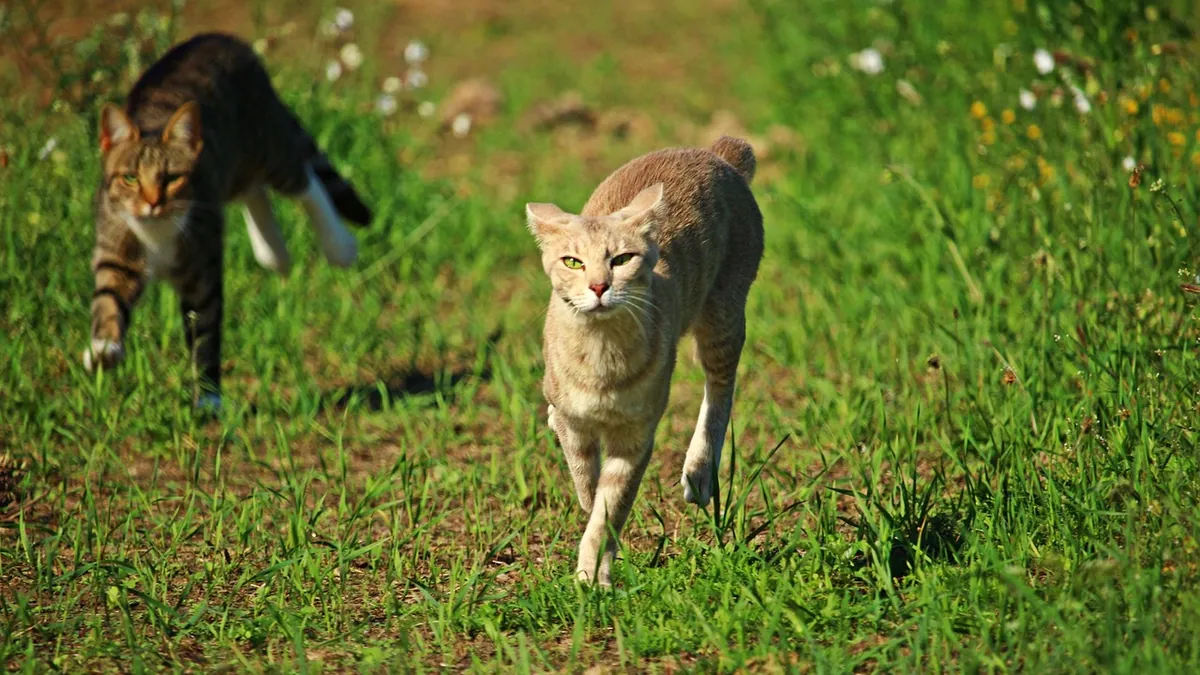
Cat zoomies after litter box use are usually a normal burst of energy, not a sign of trouble. Many cats sprint away after they poop or pee simply because they feel lighter, relieved, or ready to play. This article is educational and is not a substitute for veterinary diagnosis or treatment.
Quick Answer
- A quick dash after pooping is common and usually harmless, especially in young, healthy cats.
- Pain during elimination is the main red flag. Straining, crying, or repeated trips to the box need same-day veterinary attention.
- Cats prefer large boxes (at least 50 cm) with clumping clay litter, and a comfortable box reduces stress-related behavior [1].
- Urinary blockages in male cats are emergencies. If your cat strains and produces little or no urine, call an emergency clinic right away.
- Punishing the behavior never helps. It can make litter box problems worse and damage your bond with your cat.
Why Do Cats Zoom Out of the Litter Box?
Most of the time, the post-poop dash is simple cat behavior. Your cat finishes, feels a sudden release of tension, and burns off energy the same way she would after a good stretch or a nap. Kittens and young cats do this most often, but cats of any age can have a quick sprint now and then.
Some cats seem to run because they feel lighter or cleaner after eliminating. Others may be reacting to a mild tickle or the sensation of passing stool. In healthy cats, this is a brief moment of activity, not a sign of distress.
Stress can also play a role. If your cat feels uneasy in or near the box, she may bolt as soon as she is done. Fearful cats are more prone to litter box issues than relaxed cats [2]. A box in a loud, busy, or exposed spot can make any cat want to leave quickly.
Litter box habits follow a daily rhythm, and healthy cats tend to be consistent in when and how they use the box [3]. A sudden change in that rhythm, paired with zooming, is worth watching.
Cat Zoomies After Using Litter Box: Normal vs. Not Normal
Normal post-poop zoomies look like this:
- A short sprint, often with a playful body posture
- No crying, straining, or crouching
- Normal stool and urine output
- Your cat returns to normal activity within seconds or minutes
Signs that something is wrong include:
- Straining or squatting for a long time with little or no output
- Crying or yowling while in the box
- Licking the genital area repeatedly after going
- Running away while still crouched or hunched
- Avoiding the box entirely, or going outside it
House-soiling is the most common problem cat owners face, and it is a leading reason cats are surrendered to shelters [1]. If your cat starts avoiding the box or going outside it, act quickly. A cat can develop a preference for eliminating on the wrong surface, and that habit can become chronic [4].
Medical Causes to Rule Out
Pain is the most common medical reason a cat races out of the box. If it hurts to poop or pee, your cat may associate the box with discomfort and run away as soon as she can.
Constipation and Hard Stool
Constipation makes passing stool painful. Your cat may strain, produce small hard stools, and dash away afterward. Long-haired cats and older cats are more prone to this. If you see your cat straining often or producing very dry stool, call your veterinarian.
Urinary Tract Problems
Urinary issues are common in cats and can cause frequent, painful trips to the box. Cats with chronic kidney disease show increased urination frequency, longer elimination times, and less covering behavior after going [5]. These changes are easy to miss early on, which is why watching your cat's box habits matters.
Anal Gland or Rectal Issues
Impacted anal glands, rectal inflammation, or other rear-end problems can make elimination uncomfortable. Your cat may scoot, lick, or run after pooping. A veterinarian can check for these issues during a routine exam.
Arthritis and Mobility Pain
Older cats with arthritis may struggle to get in and out of a high-sided box. The effort and discomfort can trigger a dash once they are done. A low-entry box can help, but you should still have your veterinarian assess your cat's joints.
Post-Surgery Zoomies
Cat zoomies after neutering or spaying are usually related to recovery, not the litter box itself. Anesthesia and pain medication can make some cats restless. If your cat had recent surgery and is zooming after using the box, check the incision and call your veterinarian if you see swelling, discharge, or signs of pain.
When Cat Zoomies After the Litter Box Become a Problem
Occasional zoomies are not a problem. They become a concern when they come with other signs.
Watch for these patterns:
- Your cat runs away but also cries, strains, or licks excessively
- The behavior starts suddenly in an adult cat with no history of it
- Your cat stops using the box or starts going outside it
- You notice blood in the urine or stool
- Your cat hides more, eats less, or seems uncomfortable
If your cat is hiding and avoiding the box, that combination deserves prompt attention. You can read more about that pattern here: Why Is My Cat Suddenly Hiding and Not Using the Litter Box?.
If your cat is peeing outside the box, that is a separate but related issue. Learn more here: Why Is My Cat Peeing Outside the Litter Box?.
What to Do: Step-by-Step
Step 1: Watch Your Cat's Box Habits
Pay close attention to how often your cat goes, how long she stays, and what the stool and urine look like [4]. Note any straining, crying, or changes in frequency. This information helps your veterinarian.
Step 2: Improve the Litter Box Setup
Cats prefer boxes measuring at least 50 cm (about 20 inches) and clumping clay litter [1]. A comfortable box with these features promotes normal elimination and reduces problem behaviors [1].
Use these guidelines:
- Choose a box at least 1.5 times your cat's body length
- Use clumping clay litter unless your veterinarian recommends otherwise
- Keep the box in a quiet, low-traffic spot
- Scoop daily and replace litter regularly
- Provide one box per cat plus one extra
Meeting your cat's preferences for box type, location, and cleanliness helps prevent house-soiling [6]. Strict litter hygiene matters more than most owners realize [6].
Step 3: Reduce Stress
Stress can trigger both zooming and box avoidance. If you have multiple cats, make sure each one has a clear path to a box. Add hiding spots, vertical space, and separate feeding stations.
If you recently moved, your cat may need extra time to adjust. This guide can help: Cat Not Using Litter Box After Moving: How to Help.
Step 4: Add Enrichment
Boredom and excess energy can fuel zoomies. Play with your cat using wand toys, offer puzzle feeders, and set up a window perch. A tired cat is less likely to bolt out of the box.
Step 5: Track Changes Over Time
Smart litter boxes and feeders can help you spot patterns in your cat's behavior [3]. If you notice a shift in frequency, duration, or output, bring that data to your veterinarian. Early detection matters for conditions like chronic kidney disease [5].
What Not to Do
Do Not Punish Your Cat
Never yell at, spray, or scold your cat for zooming or for going outside the box. Punishment increases stress and can make litter box problems worse. It also damages trust.
Do Not Ignore Repeated Straining
Straining without producing urine is an emergency, especially in male cats. Do not wait to see if it resolves on its own.
Do Not Switch Litter Suddenly
Cats are sensitive to litter changes. If you want to try a new litter, mix it in gradually over several days.
Do Not Assume It Is Just Behavior
Pain and medical issues can look like behavior problems. A cat who cries while pooping is not being dramatic. She is telling you something hurts.
When to Involve a Veterinarian or Behavior Professional
Call your veterinarian if:
- Your cat strains, cries, or takes a long time to eliminate
- You see blood in the urine or stool
- Your cat stops using the box or goes outside it
- The zoomies start suddenly in an adult cat
- Your cat seems painful, hides more, or eats less
If your veterinarian rules out medical causes, a certified behavior professional can help with stress-related or environmental issues. Look for a veterinarian who specializes in behavior or a certified applied animal behaviorist.
Limitations and When to Contact a Veterinarian
This article covers common patterns, but every cat is different. Individual cases need a veterinarian who can examine your cat, run tests, and set a treatment plan.
Contact your veterinarian the same day if:
- Your cat strains to urinate and produces little or no urine
- You see blood in the urine
- Your cat cries out while eliminating
- Your cat vomits repeatedly or stops eating
Go to an emergency clinic now if:
- Your male cat is straining to urinate with no output
- Your cat is crying, pacing, or hiding and cannot settle
- Your cat's abdomen looks swollen or feels hard
- Your cat collapses or seems weak
Schedule a routine visit if:
- The zoomies are new and you want to rule out pain
- Your cat's box habits have changed gradually
- You notice more frequent urination over days or weeks
- Your cat is older and you want to check kidney function
Frequently Asked Questions
Is it normal for my cat to run around after pooping?
Yes, a quick dash after pooping is normal for many cats. It usually means your cat feels relief or a burst of energy. If the behavior comes with crying, straining, or changes in stool, call your veterinarian.
Why does my cat zoom after using the litter box but seem fine otherwise?
Some cats simply have a routine of sprinting after they go. If your cat eats, plays, and uses the box normally, the behavior is likely harmless. Watch for any new signs like hiding, appetite changes, or box avoidance.
Can cat zoomies after neutering be related to the litter box?
Post-surgery restlessness can happen, but it is usually related to anesthesia or pain medication. If your cat is zooming after using the box and had recent surgery, check the incision and call your veterinarian if you see swelling or discharge.
Does litter box size affect my cat's behavior?
Yes. Cats prefer boxes at least 50 cm long with clumping clay litter, and a comfortable box reduces problem behaviors [1]. A box that is too small or dirty can cause stress and avoidance.
How often should I scoop my cat's litter box?
Scoop at least once a day and replace the litter regularly. Strict litter hygiene helps prevent house-soiling and keeps your cat comfortable [6]. If you have multiple cats, scoop more often.
Related Articles
- Why Is My Cat Suddenly Hiding and Not Using the Litter Box?
- Cat Not Using Litter Box After Moving: How to Help
- Why Is My Cat Peeing Outside the Litter Box?
- Cat Litter Box Problems After Moving: How to Help Your Cat Adjust
- Cat Not Using Litter Box
- Cat Litter Box
- Why Do Cats Zoom After Pooping? Poop Zoomies Explained
- Why Does My Cat Get Zoomies After Peeing?
- Why Is My Cat Zooming Around? Zoomies Explained
References
- Litter box size and litter type preference and their associated behavioral changes in cats. The Journal of veterinary medical science, 2025.
- Feline litter box issues associate with cat personality, breed, and age at sterilization. Journal of the American Veterinary Medical Association, 2023.
- Characterising individual feeding and elimination behaviours in healthy cats using a connected smart feeder and litter box: a preliminary study. Journal of feline medicine and surgery, 2026.
- Litter Box Problems. ASPCA Animal Poison Control Center.
- Enhancing Detection of Feline Chronic Kidney Disease Through Smart Litter Box Monitoring. Animals : an open access journal from MDPI, 2026.
- Factors associated with house-soiling in Italian cats. Journal of feline medicine and surgery, 2023.