Why Does My Cat Lay on Me? Affection or Something Else
By Dr. Zubair Khalid, DVM, MS, PhD ·
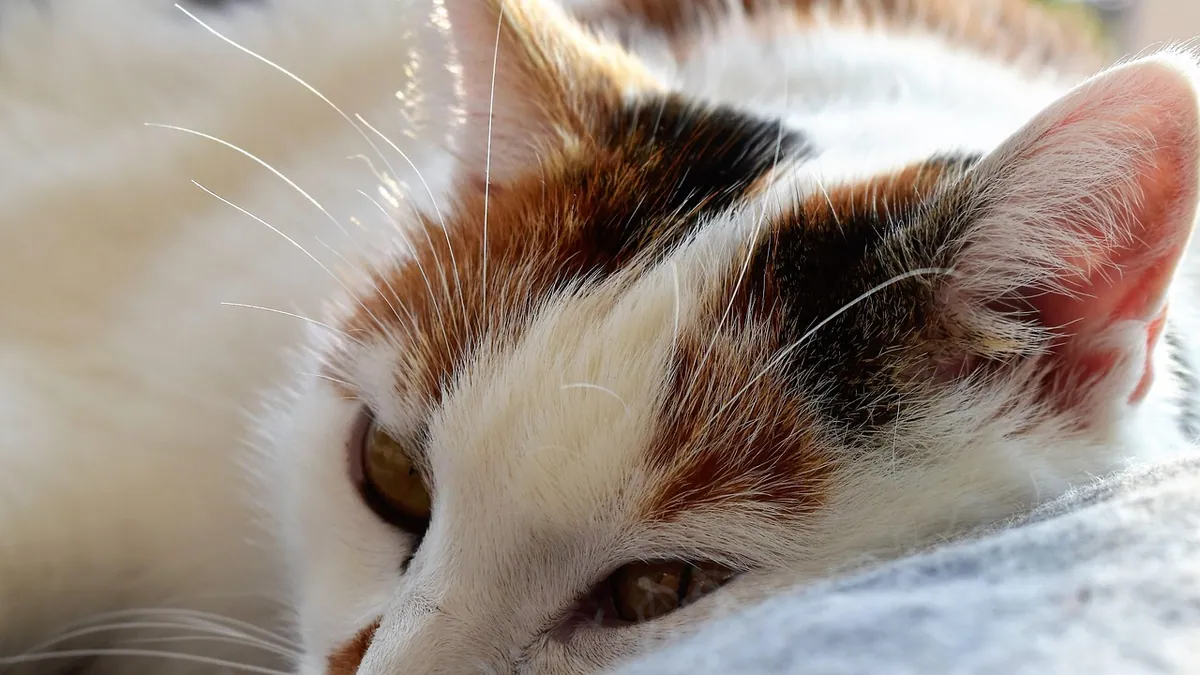
If your cat plants itself on your chest, lap, or head every time you sit down, the short answer is that you are warm, safe, and familiar. Cats lie on people for heat, security, social contact, and comfort, and most of the time it is a good sign. Sometimes, though, clingy behavior is a cat's way of saying something hurts or feels wrong.
This article is educational and is not a substitute for veterinary diagnosis or treatment.
Quick Answer
- Lying on you is normal cat behavior. Your body provides warmth, a familiar scent, and a secure base.
- Physical contact often increases after a separation, which suggests cats use you as a source of security [1].
- Passive, calm contact with a person tends to raise oxytocin and lower cortisol in cats, while forced or restrained contact does the opposite [2].
- Sudden, intense clinginess in a cat that was previously independent can signal pain, anxiety, or illness and deserves a veterinary check.
- You can set boundaries without punishment by offering a nearby bed, a lap pad, or a warm spot next to you.
Why Does My Cat Lay on Me? The Normal Reasons
Warmth
Your body runs warmer than most room surfaces, and cats seek out heat. A lap, chest, or laptop is one of the warmest spots in the house. This is simple comfort seeking, and it is one of the most common reasons a cat chooses you over the couch cushion.
Security and attachment
Cats form attachment bonds with their owners, and those bonds shape how they behave when you come and go. In one study of 82 cat-caregiver pairs, physical contact between cats and their people increased after separations, which fits the idea that cats use their owner as a safe base [1]. Cats from private homes also explored and played more after reuniting with their caregiver, showing that a familiar person's presence changes how confident a cat feels [1].
Social contact and bonding
Cats are more social than their reputation suggests. They produce facial signals during friendly interactions with other cats, and domestication appears to have increased their reliance on signals that support social bonding [3]. Lying against you is part of that same social toolkit. It is contact that maintains a relationship.
Hormonal effects of calm contact
Gentle, low-pressure interaction is physically rewarding for many cats. In a study of 20 pet cats, passive interactions were linked to higher oxytocin and lower cortisol, while forced interactions produced the opposite pattern [2]. Secure cats showed more positive hormonal responses to human interaction than insecure cats, which had higher cortisol or a limited hormonal response [2]. In plain terms, a cat that chooses to settle on you and is not being held in place is often getting a genuine calming benefit.
Why your cat insists on laying on me specifically
You are not interchangeable with a stranger. You feed, talk to, and touch your cat, so you carry a specific scent and history. Cats also have preferences about height, softness, and body heat. If you are the warmest, quietest person in the house, you become the preferred spot.
Why your cat always wants to lay on me at certain times
Timing tells you a lot. Evening settling often means your cat is syncing its rest period with yours. Morning lying on your chest may be a hunger cue. Cold weather, a new piece of furniture, or a change in your routine can all shift the pattern.
Medical Causes to Rule Out
A sudden change in how much your cat lies on you matters more than the behavior itself. A cat that was aloof and now will not leave you alone may be uncomfortable, not affectionate.
Pain
Cats hide pain well, and they often seek warmth and stillness when something hurts. Arthritis, dental disease, abdominal pain, and urinary problems are common culprits. A cat with urinary pain may also change litter box habits, and that combination is worth reading about in Why Is My Cat sleeping in litter box? FLUTD Pain and Anxiety Response.
Anxiety and stress
Anxious cats may cling because you are the safest thing in the room. Insecure attachment styles were linked to higher cortisol or weaker hormonal responses during owner interactions [2]. If your cat also hides, vocalizes, or avoids normal activities, see Why Is My Cat Hiding? and Why Is My Cat Crying at Night?.
Illness and skin irritation
A cat that suddenly wants constant body contact may be itchy, febrile, or generally unwell. If you also see scratching, hair loss, or restless grooming, review Why Is My Cat So Itchy?. Breathing changes, coughing, or gagging after contact deserve prompt attention, and Why Was My Cat Choking explains what those episodes can look like.
Hormonal and reproductive states
Intact female cats can become unusually affectionate around heat cycles. Pregnancy and birthing problems are a separate concern. Dystocia, or difficult birth, affects roughly 3 to 8 percent of pregnancies in purebred cats, and kitten mortality in treated cases is high, so any female cat in labor who seems distressed needs immediate veterinary care [4].
When Does Lying on You Become a Problem?
The behavior itself is rarely the problem. The problem is usually one of these:
- You cannot sleep, work, or breathe comfortably.
- Your cat panics when you leave the room or close a door.
- Your cat guards you and hisses or swats at other pets or people.
- The behavior started suddenly in an adult cat with no obvious trigger.
- Your cat stops eating, grooming, or using the litter box normally.
Sudden clinginess plus any of those last two items points toward a medical or behavioral evaluation, not a training fix.
What to Do Step by Step
1. Rule out medical causes first
Book a veterinary visit before you assume this is purely behavioral. Your veterinarian will examine your cat, ask about appetite, litter box use, and activity, and decide whether blood work, urine testing, or imaging is needed. Pain control and other medications are dosed by your veterinarian based on your cat's weight and health, so never use human pain relievers, which can be toxic to cats.
2. Track the pattern
Write down when your cat lies on you, what happened right before, and what happens if you move. Note whether the behavior is new, whether it clusters around meals or bedtime, and whether your cat seems tense or relaxed. This log helps your veterinarian separate affection from anxiety or pain.
3. Reward the behavior you want
Cats learn through consequences. When your cat settles on a nearby bed or blanket instead of your chest, quietly praise or offer a treat. Do this consistently and the alternate spot becomes more attractive.
4. Build a better resting spot
Place a soft, warm bed right beside you. A heated pad on a low setting, a worn shirt, or a blanket that smells like you can make the substitute spot competitive. Cats often choose the warmest option, so make the alternative genuinely warm.
5. Use calm, passive contact
Let your cat choose the contact. Passive interaction supports higher oxytocin and lower cortisol, while forced or restrained contact raises stress hormones [2]. Petting briefly and then letting your cat stay or leave gives you both a better experience.
6. Add enrichment
Bored cats often become clingy cats. Offer vertical space, window perches, puzzle feeders, and short play sessions with a wand toy. A cat with a full daily routine has less reason to use you as its only source of stimulation.
7. Change the environment gradually
If you need your lap back, shift the routine in small steps. Move your cat to the nearby bed, stay calm, and repeat. Do not lock your cat out abruptly, which can increase anxiety and make the clinginess worse.
8. Consider a behavior professional
If your cat shows distress when separated from you, a veterinarian or certified behavior professional can assess for separation-related problems and build a plan. This is especially useful when the behavior affects your sleep or your cat's daily functioning.
What Not to Do
- Do not punish your cat. Yelling, spraying, or pushing your cat away adds stress and can damage your bond. Forced interaction already raises cortisol in cats [2].
- Do not assume clinginess is always love. It can be pain or anxiety, and that possibility deserves a check.
- Do not believe the myth that cats are solitary and do not need company. Cats form attachment bonds and use people as a secure base [1].
- Do not ignore a sudden change. A new pattern in an adult cat is the detail that matters most.
- Do not give any medication on your own. Doses are calculated by your veterinarian from your cat's weight and health.
When to Involve a Veterinarian or Behavior Professional
Call your veterinarian if the clinginess is new, if your cat seems painful or restless, or if the behavior is disrupting your household. A certified behavior professional can help when the problem is anxiety, separation distress, or conflict between pets.
Limitations and When to Contact a Veterinarian
Individual cases need a veterinarian. This article cannot tell you whether your cat's behavior is affection, pain, or anxiety, and only an examination can sort that out.
Contact your veterinarian the same day if your cat:
- Stops eating or drinking
- Vomits repeatedly or has diarrhea
- Strains to urinate, urinates outside the box, or cries in the litter box
- Hides constantly and refuses contact
- Breathes faster or with effort at rest
- Seems painful when picked up or touched
Go to an emergency clinic now if your cat:
- Collapses, has a seizure, or cannot stand
- Breathes with an open mouth or has blue gums
- Is a female cat in labor and straining for more than 20 to 30 minutes without producing a kitten, or seems severely distressed [4]
- Has been hit by a car, fallen from height, or eaten something toxic
For poison exposure, call the ASPCA Animal Poison Control Center at (888) 426-4435 or the Pet Poison Helpline at (855) 764-7661. These lines may charge a consultation fee.
Schedule a routine visit if the clinginess is gradual, your cat is otherwise eating and playing normally, and you simply want guidance on boundaries or anxiety.
Frequently Asked Questions
Why does my cat insist on sleeping on top of me?
Your cat is choosing the warmest, safest, and most familiar spot available. Sleeping in contact with you also matches how cats rest near trusted companions. If this is new and your cat seems restless instead of relaxed, have your veterinarian check for pain.
Is it bad to let my cat lay on me?
No, as long as you are both comfortable and your cat is not distressed when you move. Calm, chosen contact appears to benefit cats hormonally. The problem starts when you cannot sleep or your cat panics whenever you leave.
Why did my cat suddenly become clingy?
A sudden change in an adult cat often points to pain, anxiety, or illness. Schedule a veterinary visit to rule out medical causes before treating it as a behavior problem. Bring notes about when the behavior started and what else changed.
Can I train my cat to lie next to me instead of on me?
Yes. Reward your cat for settling on a nearby bed, keep that spot warm, and move your cat gently and calmly when needed. Consistency matters more than speed, and punishment will backfire.
Do cats lie on you more when they are stressed?
Sometimes. Anxious cats may cling because you feel safe, and insecure attachment has been linked to higher stress hormones during interactions. If your cat also hides, over-grooms, or vocalizes at night, ask your veterinarian about a behavior assessment.
Related Articles
- Why Is My Cat Hiding?
- Why Is My Cat sleeping in litter box? FLUTD Pain and Anxiety Response
- Why Is My Cat Crying at Night?
- Why Was My Cat Choking
- Why Is My Cat So Itchy?
- Why Is My Cat Peeing on the Rug? Medical and Behavioral Reasons
- Why Does My Cat Lay on My Chest? Meaning and Safety
- Why Does My Cat Put Their Paw on Me? 7 Reasons
- Why Does My Kitten Want to Sleep on Me or My Face?
References
- Impact of Living Environment on Attachment Behaviour in Domestic Cats from Private Homes and Shelters. Animals : an open access journal from MDPI, 2025.
- EXPRESS: The hormonal effects of owner-cat interactions on pet cats of different potential attachment styles. Journal of feline medicine and surgery, 2026.
- Feline faces: Unraveling the social function of domestic cat facial signals. Behavioural processes, 2023.
- A retrospective study on dystocia in the cat, evaluation of 111 cases. Acta veterinaria Scandinavica, 2025.