How to Teach Your Dog to Ask to Go Outside
By Dr. Zubair Khalid, DVM, MS, PhD ·
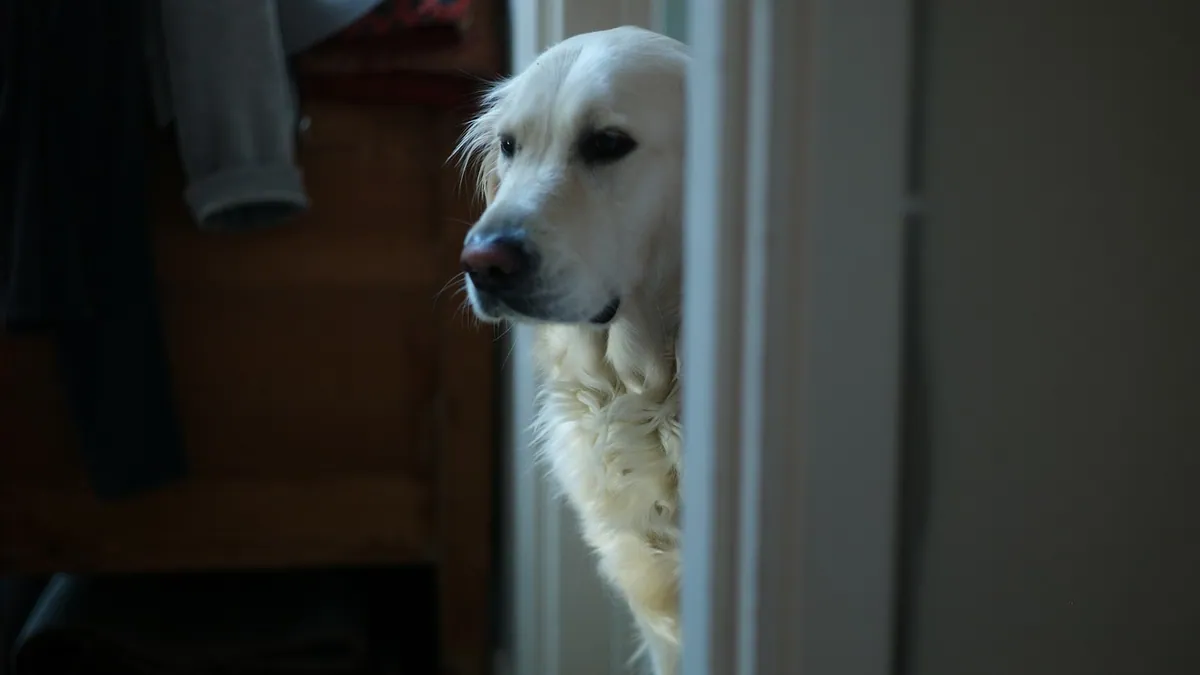
You can teach your dog to ask to go outside by picking one clear signal, such as a bell on the door, and rewarding it every time your dog uses it before a potty break. Most dogs learn the routine in a few weeks of consistent practice. The trick is to reward the signal and the outdoor potty, not just the trip outside.
This article is educational and is not a substitute for veterinary diagnosis or treatment.
Quick Answer
- Choose one signal and stick with it. A bell hung at nose height on the door is the easiest for most owners to teach and for dogs to use.
- Reward the signal, then go out immediately. If you delay, the dog learns the bell means nothing.
- Take your dog out on a schedule first, then add the signal. A dog who is already empty has no reason to ring.
- Rule out medical causes if your dog suddenly asks to go out far more often, strains, or has accidents indoors.
- If your dog rings the bell for play or treats, treat every ring as a potty trip for two weeks. Boring trips teach the dog which rings pay off.
Why Dogs Ask to Go Outside, and Why Some Never Learn
Dogs do not come with a built-in way to tell you they need the yard. They communicate by standing at the door, pacing, whining, staring at you, or simply going quiet in another room. Those are normal dog behaviors, and they are easy to miss.
Puppies and newly adopted dogs often have no signal at all because no one has taught one. Adult dogs who were let out on a fixed schedule may never have needed to ask. If you always open the door at the same times, your dog learns to wait instead of communicate.
Some dogs ask constantly because they are bored, under-exercised, or want company outdoors. Others ask because something in the body is irritated, such as a bladder infection or intestinal upset. The behavior looks the same from the outside, so the first job is to figure out which one you are seeing.
Training a signal works best when it is built on positive reinforcement. Rewarding behavior you want increases the chance it repeats, and this principle holds across species, including dogs [1]. Keep sessions short, use food or a favorite toy as the reward, and stop while your dog is still interested.
Medical Causes to Rule Out First
A sudden change in potty behavior is a medical question before it is a training question. If your dog was fine last month and now asks to go out every hour, call your veterinarian.
Common medical reasons for frequent outdoor requests include urinary tract infections, bladder stones, diabetes, kidney disease, and gastrointestinal illness. Senior dogs can develop cognitive changes that affect house training. Dogs on some medications may drink and urinate more.
Watch for these signs along with the extra trips:
- Straining, squatting with little urine, or crying while urinating
- Blood or cloudy urine
- Diarrhea, vomiting, or a sudden change in appetite
- Drinking much more water than usual
- Accidents indoors even though your dog just went out
A dog with a medical problem cannot be trained out of it. Treatment comes first, then you can rebuild the signal. Your veterinarian will decide what testing is needed and will calculate any medication dose from your dog's weight and health.
Behavior problems can also have a medical layer. In one reported case, a service dog with escalating fear responses in different settings was diagnosed with nonsocial environmental fear and generalized anxiety after testing ruled out other disease. Treatment combined management, an antidepressant, and behavior modification, and the dog improved over weeks [2]. That case involved fear, not potty training, but it shows why a full evaluation matters when behavior changes suddenly.
When Asking to Go Out Becomes a Problem
A dog who asks politely is not a problem. The trouble starts when the signal stops meaning "I need to potty."
Three patterns are common:
The all-day ringer. Your dog rings the bell every 20 minutes. Often this started because ringing earned a walk, a treat, or attention. The fix is to make each trip short and dull, then return inside.
The silent dog. Your dog never asks and just has accidents. This usually means the signal was never taught, or the dog was punished for accidents and now hides the behavior.
The anxious asker. Your dog asks to go out, comes back in, and immediately asks again, often pacing or panting. This can be separation-related, noise-related, or part of a broader anxiety problem. Anxiety at this level needs a behavior plan, and sometimes medication, guided by a veterinarian [2].
If your dog's requests are tied to fear or distress, training alone will not fix it. If they are tied to habit and reward, training is exactly the right tool.
How to Get My Dog to Ask to Go Outside: Step by Step
Step 1: Set a Potty Schedule First
Before you teach a signal, know when your dog actually needs to go. Adult dogs typically need outings first thing in the morning, after meals, after naps, after play, and before bed. Puppies need far more frequent trips.
Take your dog out at those times on a leash, go to the same spot, and wait quietly. Reward with a treat and calm praise the moment your dog finishes. This builds the habit that outside is where potty happens. If you are starting from scratch, our guide to potty training your dog to go outside walks through the schedule in more detail.
Step 2: Pick One Signal
Choose one method and use it every time.
Bell training to go outside. Hang a bell or a set of bells on the door handle at your dog's nose height. Before each scheduled trip, guide your dog's nose to the bell so it moves, say "outside," and open the door right away. Repeat at every trip. After a week or two, most dogs start nudging the bell on their own.
Door scratch alternative. Some owners prefer a scratch pad, a push button, or a small mat placed by the door. The training is identical. Your dog touches the object, you open the door.
A spoken cue. You can teach a word like "outside" by saying it right before you open the door. This works well for dogs who are already vocal.
Whichever you choose, the rule is the same. The signal opens the door, every single time, at first.
Step 3: Reward the Signal and the Potty
Give a small treat when your dog rings, then go out. Give a second, better reward after your dog potties. This two-part reward teaches both halves of the behavior.
Keep rewards small so you are not feeding a meal in treats. If your dog is food-motivated, this step moves fast. If your dog prefers toys, use a brief play session as the reward. Motivation and the type of reward strongly affect how quickly training progresses [1].
Step 4: Fade the Extra Rewards
After two to three weeks of reliable ringing, you can stop treating the ring itself and keep rewarding the outdoor potty. Praise and the trip outside become the payoff for the signal.
Step 5: Add Enrichment So the Door Is Not the Only Fun
A bored dog often turns the door into entertainment. Add a daily walk, food puzzles, chew items, and short training sessions. Teaching simple behaviors like how to teach a dog to sit or how to teach a dog to fetch gives your dog a job and burns energy. A tired, mentally satisfied dog asks to go out for potty, not for something to do.
Step 6: Handle Accidents Without Drama
If your dog has an accident indoors, clean it with an enzymatic cleaner and say nothing. Punishment after the fact does not teach the signal and can make your dog hide the behavior. Go back to the schedule and take your dog out more often for a few days.
Telling a Real Potty Request From Attention-Seeking
This is the question most owners ask after bell training starts working. Here is how to read it.
A genuine potty request usually comes with a physical pattern. Your dog rings, goes to the door, and stands facing it. The trip is quick. Your dog potties within a minute or two, especially if it has been a few hours since the last outing.
An attention request looks different. Your dog rings, then looks back at you. It may ring right after coming inside. It may ring during the times you normally play or feed. If you open the door, your dog stands on the step and does not potty.
For two weeks, treat every ring as a real potty trip. Go out on a leash, stand in one spot, and wait two minutes. If nothing happens, come back in calmly. No play, no walk, no treat. Most dogs stop ringing for fun within a week or two because the trip stopped being rewarding.
If your dog rings and does potty every time, it is a real request. If your dog rings and does not potty, and this continues past two weeks, your dog may need more exercise, more enrichment, or a check for a medical issue.
What Not to Do
Do not punish the signal. If you scold your dog for ringing too much, you teach it to stop asking. Then you are back to guessing and cleaning up accidents.
Do not ignore a real request. A dog that is denied a needed trip may have an accident, and the signal loses its meaning.
Do not use the bell as a walk bell. If ringing leads to a long walk, your dog will ring for walks. Keep potty trips separate from exercise outings at first.
Do not expect instant results. Some dogs learn a bell in days. Others need weeks. Training time depends on the dog's motivation and the consistency of the routine [3].
Do not rely on punishment-based methods. Aversive techniques can suppress behavior quickly in some situations, but they carry risks, and the research supporting them over reward-based training is limited by study design [4]. For a household signal, reward-based training is the safer and more reliable path.
Do not skip the veterinarian. If your dog's asking pattern changed suddenly, no amount of training will fix an infection or a metabolic problem.
When to Involve a Veterinarian or Behavior Professional
Call your veterinarian if your dog suddenly asks to go out much more often, strains to urinate, has accidents after months of being clean, or shows blood in the urine or stool. These signs point to a medical cause that needs diagnosis and treatment.
Ask for a behavior referral if your dog shows anxiety around potty time, panics when left alone, or if the signal training has stalled after several weeks of consistent work. A certified behavior professional can build a plan that fits your dog. In some cases, a veterinarian may prescribe medication alongside behavior modification, as in the service dog case where fluoxetine and a desensitization plan were used together [2]. Your veterinarian sets any dose based on your dog's weight and health.
For general training questions, your veterinarian is still a good first call. They can rule out disease and point you to a qualified trainer.
Limitations and When to Contact a Veterinarian
Training advice works best for a healthy dog with a normal routine. It cannot diagnose or treat disease, and it cannot replace an exam.
Contact your veterinarian the same day if your dog is straining to urinate, has blood in the urine, is vomiting, or has diarrhea with frequent outdoor requests. These can worsen quickly, especially in older dogs and puppies.
Go to an emergency clinic now if your dog cannot urinate at all, cries out in pain, collapses, or has a swollen, painful belly. A blocked bladder is a life-threatening emergency.
Schedule a routine visit if your dog's potty habits have changed gradually, if accidents have returned after a long clean period, or if your dog seems uncomfortable but is still eating and drinking. Bring notes about how often your dog asks, when accidents happen, and what the urine or stool looks like. That information speeds up the visit.
Every dog is an individual. Your veterinarian needs to examine your dog to give advice specific to its health.
Frequently Asked Questions
How long does bell training take?
Most dogs show some understanding within one to two weeks and become reliable in about a month. The timeline depends on your dog's age, motivation, and how consistent you are. Training a new behavior can take minutes, weeks, or months depending on the individual dog [3].
Can I teach an older dog to ring a bell?
Yes. Adult and senior dogs learn new signals well when the reward is worth their effort. Keep sessions short, use high-value treats, and pair the bell with the same scheduled trips you already take.
My dog rings the bell but does not potty. What should I do?
Treat every ring as a real trip for two weeks and make the trip boring. Go out on a leash, wait two minutes, and come back in if nothing happens. Most dogs stop ringing for attention once the trip stops leading to play or walks.
Should I use a bell or teach my dog to scratch the door?
Either works. A bell is usually easier on your door and easier for a dog to reach. A scratch pad or push button is a good choice if you do not want noise. Pick one and use it every time.
Do dogs ask to go out when they are anxious?
Sometimes. A dog that asks to go out repeatedly, paces, pants, or cannot settle may be anxious instead of needing the bathroom. That pattern needs a veterinary evaluation and a behavior plan, not just more trips outside.
Will my dog have accidents while learning the signal?
Some accidents are normal during training, especially with puppies. Clean them without punishment, return to the schedule, and add extra trips for a few days. If accidents continue past a few weeks, talk to your veterinarian.
Related Articles
- Potty Training Your Dog To Go Outside
- How To Teach A Dog To Sit
- How To Teach A Dog To Fetch
- Dog Potty Training For Outside
- Dog Training Tip
- Dog Training Tips For Walking
- Puppy Won't Signal to Go Outside: Potty Training Help
- How to Teach Your Dog to Use a Doggy Door
- Why Won't My Dog Go Outside? Causes and What to Do
References
- Positive Reinforcement Training in Captive Wild Mammals: An Integrative Review. Animals : an open access journal from MDPI, 2026.
- Treatment of Nonsocial Environmental Fear in a Service Dog Using Fluoxetine and Behavior Modification. Journal of the American Animal Hospital Association, 2024.
- Voluntary head dunk: cooperative care for irrigating canine noses and eyes and rapid cooling. Journal of the American Veterinary Medical Association, 2025.
- Chasing solutions: A response to Bastos et al. (2024). Learning & behavior, 2025.