Why Does My Puppy Only Poop and Pee Inside?
By Dr. Zubair Khalid, DVM, MS, PhD ·
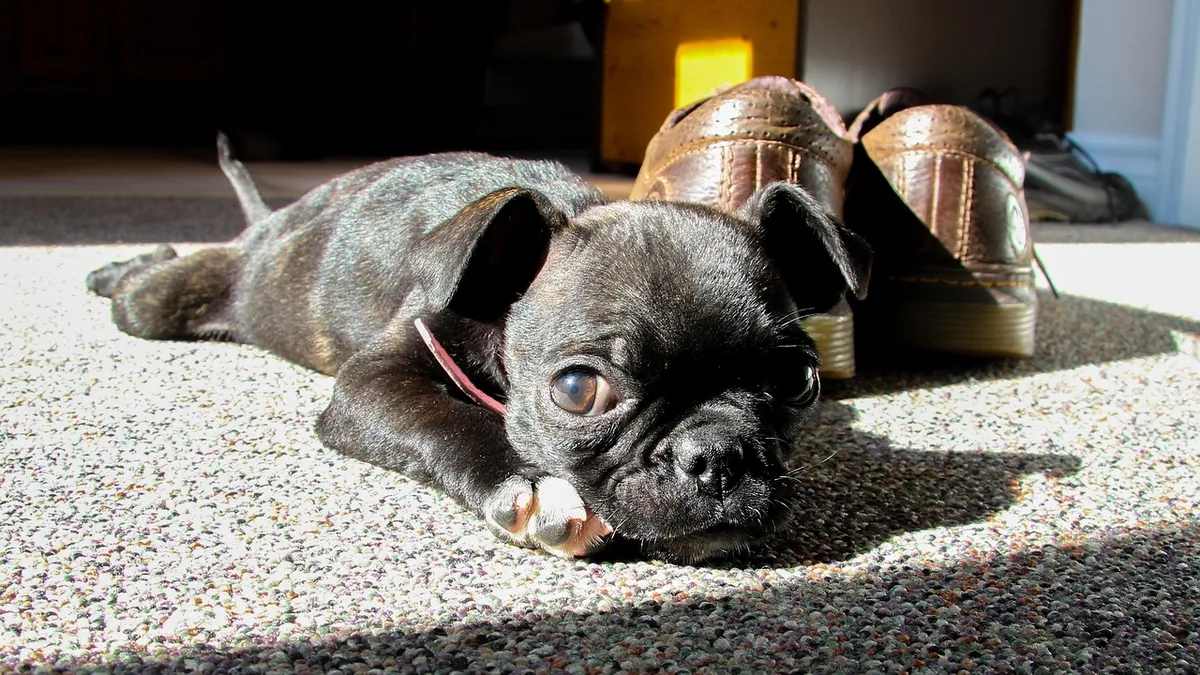
Puppies often poop and pee inside because they have not yet learned where elimination is safe and rewarding, or because a medical problem makes holding it painful or urgent. If your puppy only poops inside, the cause is usually one of three things: a training gap, a health issue, or stress and anxiety. This article is educational and is not a substitute for veterinary diagnosis or treatment.
Quick Answer
- A puppy under 16 weeks old has very little bladder and bowel control, so indoor accidents are expected during house training.
- Take your puppy outside every 1 to 2 hours, plus right after waking, eating, drinking, playing, and napping.
- Any sudden change in potty habits, especially in a puppy who was doing well, needs a veterinary check for urinary tract infection, parasites, or other illness.
- Never punish a puppy for an accident. Punishment teaches hiding, not house training.
- If accidents continue past 6 months of age despite consistent training, ask your veterinarian about a behavior evaluation.
Why Does My Puppy Only Poop Inside? Normal Reasons First
Your puppy's body is still developing
A young puppy cannot hold urine or stool the way an adult dog can. The muscles that control elimination are still maturing, and the bladder is small. This is why puppies need frequent trips outside, often every hour or two during the day.
The puppy has not learned the right surface yet
Dogs develop surface preferences. If your puppy has practiced eliminating on carpet, puppy pads, or hardwood many times, that surface starts to feel like the bathroom. This is one of the most common reasons a puppy only poops in the house even when you take them outside.
Timing and supervision gaps
If your puppy is loose in the house and you are not watching, accidents happen. A puppy who is crated too long, or who has free run of a large area, may eliminate indoors simply because no one caught the early signals.
Stress and big changes
Stress can trigger inappropriate elimination. Noise aversion is a documented cause of indoor elimination in dogs, along with hiding, freezing, and appetite changes [1]. A move, a new schedule, or a frightening event can all set off accidents.
Medical Causes to Rule Out
Urinary tract infection and other urinary problems
A urinary tract infection makes a puppy feel like they need to go constantly, and it can hurt to urinate. In aging dogs, soiling behavior has been linked to urinalysis abnormalities, including pyuria (pus in the urine), hematuria (blood in the urine), and bacteriuria (bacteria in the urine) [2]. A puppy with a UTI may squat frequently, produce only small amounts, or lick at the genital area.
Parasites and gastrointestinal upset
Intestinal parasites, giardia, and other gut infections cause urgency and loose stool. A puppy with diarrhea often cannot make it outside in time. Bring a fresh stool sample to your veterinarian so it can be tested.
Anatomic or neurologic problems
Some puppies have structural issues or nerve problems that affect elimination. These are less common but should be considered when a puppy leaks urine without squatting or seems unaware of passing stool.
Cognitive or age-related causes
Cognitive decline is a known factor in soiling in older dogs [2]. This is not a puppy problem, but it matters if you also have a senior dog with new accidents.
When Indoor Elimination Becomes a Problem
Occasional accidents in a young puppy are normal. The behavior becomes a problem when:
- Your puppy was reliably going outside and suddenly stops.
- Accidents happen even when you take your puppy out on schedule.
- Your puppy strains, cries, or seems painful when going.
- Stool or urine looks different (blood, mucus, very loose, very foul).
- Your puppy leaks urine while resting or sleeping.
- Accidents continue past 6 months of age despite consistent training.
Any of these patterns points to a medical or behavioral issue that needs professional help. For more on sudden changes in urination, see Dog Peeing Inside and Why Is My Dog Peeing So Much?.
What to Do Step by Step
Step 1: Rule out medical causes first
Before you change your training plan, have your veterinarian examine your puppy. A urine sample and a stool sample are simple, inexpensive tests that can find infections or parasites quickly. If your puppy has a UTI or worms, no amount of training will fix the accidents until the medical issue is treated.
Step 2: Build a potty schedule
Take your puppy outside at these times every day:
- First thing in the morning
- After every meal
- After every nap
- After play sessions
- Before bed
- Every 1 to 2 hours during the day for young puppies
Take your puppy to the same spot each time. Stand still and wait. Give your puppy 5 to 10 minutes. If nothing happens, go back inside and supervise closely, then try again in 15 minutes.
Step 3: Reward outdoor elimination immediately
The moment your puppy finishes going outside, praise and give a small treat. The reward must come within a second or two, while your puppy is still outside. This teaches your puppy that going outside pays off.
Step 4: Supervise and manage the environment
Keep your puppy on a leash or in a small, puppy-proofed area when you cannot watch them directly. Use a crate only for short periods, and make sure the crate is the right size. A puppy who is crated too long will be forced to soil the crate. For help with that specific problem, see Puppy Peeing In Crate.
Step 5: Clean accidents correctly
Use an enzymatic cleaner on every accident spot. Regular household cleaners may leave behind scent markers that tell your puppy, "This is the bathroom." Enzymatic cleaners break down the proteins in urine and stool.
Step 6: Add enrichment and exercise
A tired, mentally stimulated puppy is easier to house train. Provide chew toys, puzzle feeders, short training sessions, and safe exercise. Boredom and excess energy can increase indoor accidents.
Step 7: Keep a log
Write down when your puppy eats, drinks, naps, plays, and eliminates. After a week, you will see patterns. Most puppies poop within 30 minutes of eating, so that is a high-risk window.
What Not to Do
Do not punish accidents
Never rub your puppy's nose in an accident, yell, or use a shock collar. Punishment does not teach your puppy where to go. It teaches fear and can make your puppy hide to eliminate, which makes house training harder.
Do not use puppy pads unless you plan to keep them forever
Puppy pads teach your puppy to go on a soft, absorbent surface indoors. If you eventually want your puppy to go outside, pads can create confusion. If you must use pads for a short time (for example, during illness), transition to outdoor potty breaks as soon as possible.
Do not assume it is laziness or spite
Dogs do not eliminate indoors out of spite. The behavior always has a cause: immaturity, incomplete training, a medical problem, or stress.
Do not restrict water
Limiting water can cause dehydration and urinary problems. Instead, offer water freely and take your puppy out more often.
Do not skip the vet because training seems easier
If your puppy only pees inside or only poops in the house, a medical cause is possible. A quick veterinary visit can save weeks of frustration.
When a Veterinarian or Certified Behavior Professional Should Be Involved
Call your veterinarian if:
- Your puppy has accidents despite a consistent schedule and supervision.
- You see blood, straining, or pain during elimination.
- Your puppy leaks urine or seems unaware of passing stool.
- Diarrhea lasts more than 24 hours or your puppy seems lethargic.
- Accidents started suddenly after a period of good progress.
Ask for a referral to a certified veterinary behaviorist or a certified applied animal behaviorist if your puppy shows anxiety, fear, or aggression around potty time, or if house training has stalled past 6 months of age. For related concerns, see Puppy Peeing In House and Why Does My Dog Eat Poop?.
Limitations and When to Contact a Veterinarian
This article gives general guidance. Individual cases need a veterinarian who can examine your puppy, run tests, and set a treatment plan.
Contact your veterinarian the same day if your puppy:
- Cries or strains when urinating or defecating
- Has blood in urine or stool
- Vomits or has diarrhea for more than 24 hours
- Seems painful when you touch the belly
- Has not urinated in 12 hours
Go to an emergency clinic now if your puppy:
- Cannot urinate at all despite trying
- Collapses, trembles, or seems weak
- Has a swollen, hard abdomen
- Has repeated unproductive straining
Schedule a routine visit if:
- Accidents continue past 6 months of age
- Your puppy was house trained and then regressed
- You notice a change in how often your puppy pees or poops
- You need help building a training plan
Frequently Asked Questions
Why does my puppy only pee inside?
Your puppy may not have learned that outside is the bathroom, or a medical issue like a urinary tract infection may make it hard to hold urine. Young puppies also have small bladders and need frequent trips outside. Start with a veterinary check, then build a consistent schedule with rewards for outdoor elimination.
My puppy only poops in the house. Is that normal?
It can be normal in a young puppy who has not finished house training. Puppies often poop within 30 minutes of eating, so take your puppy out right after meals. If the behavior continues past 6 months or starts suddenly, ask your veterinarian to check for parasites or other illness.
Can anxiety cause a puppy to only go inside?
Yes. Stress and fear can trigger indoor elimination. Noise aversion, for example, is linked to inappropriate elimination in dogs along with hiding and freezing [1]. If your puppy only has accidents during storms, fireworks, or when left alone, talk to your veterinarian about a behavior plan.
How long does house training take?
Most puppies need several months of consistent training. Some puppies are reliable by 4 to 6 months, while others need longer. Progress depends on breed, size, health, and how consistent your schedule is. If you see no improvement after several weeks of a solid plan, get veterinary help.
Should I crate my puppy to stop indoor accidents?
A crate can help, but only if it is the right size and your puppy is not left in it too long. Puppies cannot hold their bladder for many hours, so a crate is a management tool, not a solution. Pair crate time with frequent outdoor breaks and rewards for going outside.
Can parasites cause a puppy to poop inside?
Yes. Intestinal parasites and other gut infections cause urgency and loose stool, which makes it hard for a puppy to wait. Bring a fresh stool sample to your veterinarian for testing. Treating the infection often resolves the accidents.
What if my puppy was doing well and then started going inside again?
A sudden regression is a red flag. It can mean a urinary tract infection, parasites, or another medical problem. It can also follow a stressful change. Call your veterinarian for an exam and testing before you assume it is a training issue.
Related Articles
- Why Does My Dog Eat Poop?
- Dog Peeing Inside
- Puppy Peeing In House
- Why Is My Dog Peeing So Much?
- Puppy Peeing In Crate
- Dog Not Pooping but Eating Normally: Causes and Solutions
- Why Does My Puppy Only Poop at Night? Causes and Fixes
- Why Your Puppy Isn't Fully Emptying Their Bladder
- Why Is My Puppy Peeing Every 5 Minutes? Causes to Check
References
- Firework aversion in cats and dogs as reported by Dutch animal owners. Veterinary and animal science, 2024.
- The relationship between urinalysis abnormalities, soiling behavior, and cognitive decline in aging dogs. Journal of veterinary internal medicine, 2026.