Why Your Puppy Isn't Fully Emptying Their Bladder
By Dr. Zubair Khalid, DVM, MS, PhD ·
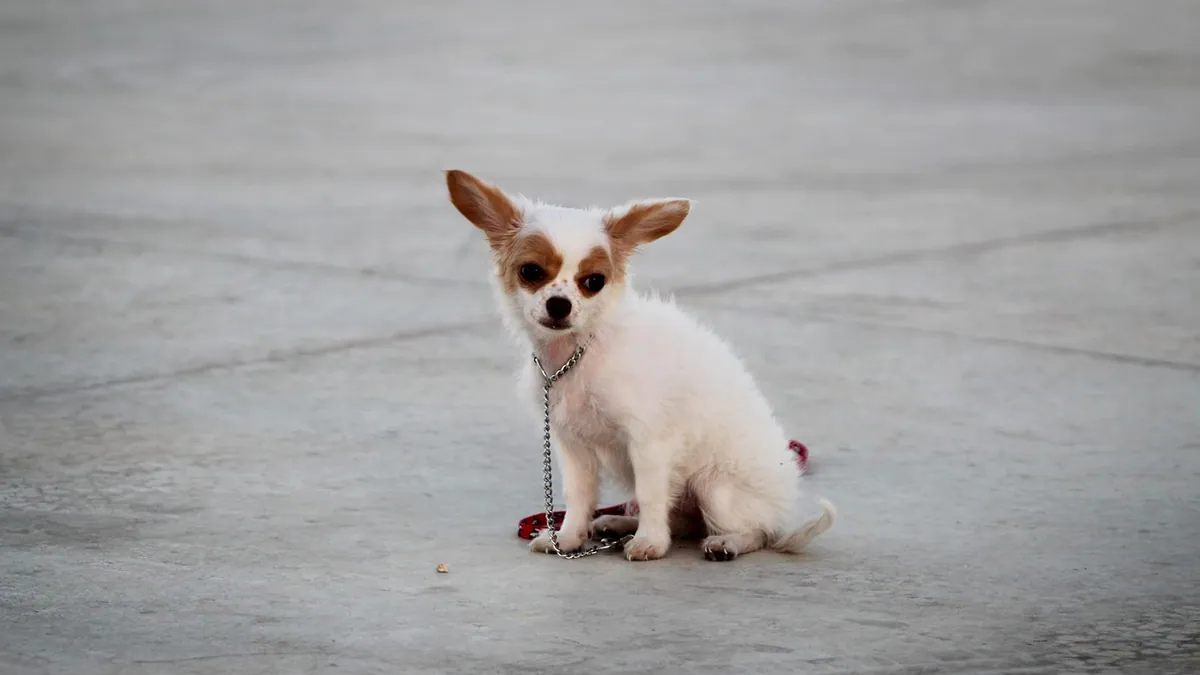
A puppy not fully emptying their bladder is common during house-training, but it can also point to a urinary tract infection, bladder stones, or urinary retention. The difference usually comes down to pattern, effort, and whether your puppy seems uncomfortable. This article is educational and is not a substitute for veterinary diagnosis or treatment.
Quick Answer
- A normal puppy pees in a steady stream, seems relieved afterward, and goes back to playing. Dribbling, straining, or repeated squatting with little output is not normal.
- Incomplete emptying that lasts more than a day, or that comes with straining or pain, needs a vet visit.
- A puppy who cannot pass urine at all, even in drops, is an emergency. Urinary retention can damage the kidneys and become life-threatening.
- Frequent urination in a puppy can mean a urinary tract infection, and infections are treatable once diagnosed.
- Never give human urinary medications to a dog. Your veterinarian calculates any drug dose from your pet's weight and health.
What Incomplete Emptying Looks Like and What Is Normal
A healthy puppy urinates several times a day, often right after waking, eating, playing, and napping. The stream is continuous, the posture is relaxed, and your puppy walks away without licking or straining. Puppies also have small bladders, so frequent urination is expected in young dogs.
The urinary system includes the kidneys, ureters, bladder, and urethra, and it removes waste products while balancing water and electrolytes in the body [1]. When any part of that system is irritated or blocked, the result can look like incomplete house-training.
Signs that your puppy is not fully emptying their bladder include:
- Squatting or lifting a leg several times in a row with only drops coming out
- A weak, stop-and-start, or interrupted stream
- Dribbling urine right after finishing
- Licking the genital area more than usual
- Accidents indoors shortly after going outside
- Whining, pacing, or circling while trying to pee
- Wet spots in the crate or bedding
Some of these overlap with normal puppy behavior. A young puppy may pee outside, get distracted, and finish indoors a few minutes later. That is usually a training and timing issue, not a medical one. The pattern that matters is effort and discomfort. A puppy who tries hard to pee and produces little is different from a puppy who simply did not finish before coming inside.
Main Causes of a Puppy Not Fully Emptying Their Bladder
Urinary Tract Infection
Bacterial infections inflame the bladder lining, so the bladder feels full even when it is nearly empty. Puppies with infections often pee small amounts very often, and the urine may look cloudy or smell strong. A puppy with a patent urachus (a birth defect where the connection between the bladder and the umbilical cord stays open) can develop secondary bacterial urinary tract infections, and urine scalding on the belly is a common sign [2]. Urachal diverticula also trap bacteria and predispose a dog to infection [2].
Bladder Stones
Stones irritate the bladder wall and can block the flow of urine. In a study of working dogs, dogs with urolithiasis (stones) showed abdominal pain, painful urination, blood in the urine, and urinary retention [3]. Stones are less common in very young puppies than in adult dogs, but they do happen, and they can cause a partial or complete blockage.
Urinary Retention and Neurologic Problems
Urinary retention means the bladder does not empty properly. This can happen when the nerves that control the bladder are damaged or when the urethral sphincter stays tight. In dogs with certain spinal cord injuries, the signals between the bladder and the brain are interrupted, and the urethral sphincters become hypertonic, which prevents normal emptying [4]. A drug called bethanechol is sometimes used to help the bladder muscle contract, but it is not appropriate for every cause of retention and is actually contraindicated when the sphincter is too tight [4]. Your veterinarian decides whether any medication is safe for your puppy.
Blockage of the Urethra
A blockage can come from stones, a mass, or scar tissue. One case report described a male dog with a perineal tumor that narrowed the urethra and caused three days of straining to urinate [5]. Blockages are far more common in male dogs because their urethra is longer and narrower. A complete blockage is a life-threatening emergency.
Anatomic Problems Present at Birth
Congenital bladder anomalies include urachal remnants, bladder duplication, dysplasia, hypoplasia, agenesis, and exstrophy [2]. These are uncommon, but they can cause continuous leaking or poor emptying from a very young age. A puppy who has dribbled urine since birth, or who has urine scalding on the belly, should be checked for one of these conditions [2].
Behavioral and Training Causes
Sometimes the bladder is fine and the issue is timing, excitement, or submissive urination. If your puppy only leaks when greeting people or during play, and otherwise pees normally outside, training and management are often the answer. For more on that pattern, see Puppy Peeing In Crate.
| Cause | Typical clues | How urgent |
|---|---|---|
| Urinary tract infection | Frequent small pees, cloudy or smelly urine, licking | Vet visit within 24 to 48 hours |
| Bladder stones | Pain, blood in urine, straining, retention [3] | Same-day vet visit |
| Urinary retention (nerve or sphincter problem) | Large bladder, weak or absent stream, no relief after peeing [4] | Same-day vet visit |
| Urethral blockage | Straining with no urine, pacing, vomiting, collapse [5] | Emergency now |
| Congenital anomaly | Leaking since birth, urine scalding on belly [2] | Vet visit soon, same day if leaking is constant |
| Training or behavior | Leaks only with excitement or greetings, normal stream outside | Routine visit if it persists |
Red Flags That Mean an Emergency
Call an emergency veterinary hospital right away if your puppy:
- Tries to urinate and nothing comes out, not even drops
- Cries out or screams while trying to pee
- Has a hard, swollen, or painful belly
- Vomits, refuses food, or seems weak and dull
- Collapses or breathes rapidly
- Has not peed in 12 hours or more
A complete urethral obstruction blocks urine from leaving the body. Waste products build up in the blood, and the kidneys can be damaged within hours. In obstructed cats, high urea and creatinine values were found in 82.9% and 77.1% of patients respectively, showing how quickly obstruction affects the whole body [6]. The same principle applies to dogs, and time matters.
If your puppy is passing some urine but straining, that is still urgent. A partial blockage can become complete at any time.
Safe Things You Can Do at Home While Waiting
While you wait for your appointment, focus on comfort and observation. Do not give any medication, including human urinary products, without veterinary direction.
- Offer free access to water unless your veterinarian tells you otherwise. Restricting water does not fix retention and can cause dehydration.
- Take your puppy out every 30 to 60 minutes to a quiet spot. Give them five full minutes to try.
- Keep a log of every urination attempt. Note the time, whether urine came out, how much, and whether your puppy strained or cried.
- Save a urine sample if you can. A clean container or a fresh pee pad in a plastic bag works. Your veterinarian may use it for testing.
- Keep your puppy warm and calm. Stress can make straining worse.
- Do not press on the belly to help urine come out. You can rupture a full bladder.
If your puppy stops producing any urine at all, stop waiting and go to an emergency clinic.
What Your Veterinarian Will Check and Test
Your veterinarian will start with a full history and a physical exam. They will feel your puppy's bladder through the belly to judge its size and whether it is painful. A very large, firm bladder in a dog who just tried to pee is a strong clue for retention.
Testing usually includes:
- Urinalysis to look for infection, crystals, blood, and protein
- Urine culture to identify bacteria and choose the right antibiotic
- Blood work to check kidney values and electrolytes
- Imaging, usually ultrasound or X-rays, to look for stones, masses, or anatomic problems
Ultrasound can also estimate how much urine is left in the bladder after urination, which is called residual volume [7]. Formulas used to estimate urinary volume in dogs are most accurate at smaller volumes, which fits the goal of measuring residual urine after a puppy pees [7]. That measurement helps your veterinarian tell incomplete emptying from a normal small bladder.
If a congenital problem is suspected, your veterinarian may recommend contrast imaging of the urinary tract. If a neurologic cause is suspected, they may test reflexes and pain sensation in the hind end.
Treatment depends on the cause. Infections are treated with antibiotics chosen from a culture. Stones may be managed with diet, medication, or surgery. Retention may need bladder expression, catheterization, or medication, and the choice depends on whether the sphincter is tight or weak [4]. Blockages are relieved urgently.
Prevention and Monitoring
You cannot prevent every urinary problem, but you can catch them early.
- Keep fresh water available at all times.
- Take your puppy out on a consistent schedule, including right before bed.
- Watch for changes in stream strength, color, and smell.
- Clean up accidents without punishment, and note when they happen.
- Ask your veterinarian about the right diet for your puppy's age and size.
- Keep vaccinations and wellness visits current.
If your puppy has been treated for an infection, finish the full course of medication even if symptoms improve. Ask your veterinarian when to recheck the urine to confirm the infection is gone.
Some owners notice frequent urination without straining. That pattern has its own list of causes, which you can read about in Why Is My Dog Peeing So Much?. If your puppy leaks while asleep, see Why Is My Dog peeing in sleep? Urinary Incontinence and Hormone Deficiency. For older dogs with leaking, Dog Incontinence: How to Tell If It's a Bladder Infection or Weak Sphincter covers the differences.
Limitations and When to Contact a Veterinarian
This article cannot tell you what is causing your puppy's symptoms. Only a veterinarian who examines your puppy and runs tests can do that. Individual cases need a veterinarian, and the timing of your visit matters.
Contact your veterinarian the same day if your puppy is straining, peeing very frequently, has blood in the urine, or seems uncomfortable. Go to an emergency clinic immediately if your puppy cannot pass any urine, cries while trying, has a swollen belly, vomits, or becomes weak. Schedule a routine visit if the only issue is occasional dribbling during greetings or excitement, and it has not improved with training.
Frequently Asked Questions
How can I tell if my puppy is not fully emptying their bladder?
Watch the stream and your puppy's behavior afterward. A puppy who squats repeatedly, produces only drops, or keeps licking the genital area is likely not emptying fully. A normal puppy pees in a steady stream and seems relaxed when finished.
Is it normal for a puppy to pee a little bit many times?
Puppies do pee often because their bladders are small, but many tiny pees with straining or licking are not normal. That pattern suggests irritation or infection. Your veterinarian can test a urine sample to find out.
Can a puppy hold urine for too long and cause a problem?
Holding urine for long stretches can allow bacteria to multiply and can overstretch the bladder muscle. Puppies should go out every few hours during the day. If your puppy cannot pee after holding it, treat that as urgent.
Will my puppy grow out of incomplete bladder emptying?
If the cause is training or excitement, yes, most puppies improve with time and consistency. If the cause is an infection, stone, or nerve problem, it will not resolve on its own. A vet visit is the fastest way to know which one you are dealing with.
What should I bring to the vet appointment?
Bring a fresh urine sample if you can collect one, plus a written log of when your puppy pees and what it looks like. Note any straining, accidents, or changes in drinking. This information helps your veterinarian choose the right tests.
Related Articles
- Why Is My Dog Peeing So Much?
- Dog Incontinence: How to Tell If It's a Bladder Infection or Weak Sphincter
- Why Is My Dog peeing in sleep? Urinary Incontinence and Hormone Deficiency
- Puppy Peeing In Crate
- Why Is My Dog Not Eating?
- Dog Keeps Peeing On Carpet
- Why Is My Puppy Not Peeing? Causes and What to Do
- Urinary Retention in Dogs: Causes and Treatment
- Puppy Only Pees Once a Day? When to Worry
References
- The Urinary System of Dogs - Dog Owners. Merck Veterinary Manual.
- Urinary Bladder Anomalies in Animals - Urinary System. Merck Veterinary Manual.
- Comprehensive diagnostic evaluation of urolithiasis and cystitis in K9 dogs in Iraq: Clinical, laboratory, and imaging correlates. Open veterinary journal, 2025.
- Rational Use of Bethanechol in Dogs and Cats with Bladder Dysfunction. Veterinary sciences, 2025.
- Surgical management of urethral obstruction secondary to perineal liposarcoma in a dog: a case report. BMC veterinary research, 2024.
- A retrospective description of blood and urine alterations in 386 male cats with urethral obstruction in Botucatu, São Paulo, Brazil. Open veterinary journal, 2024.
- Estimation of urinary volume through ultrasonography in dog cadavers and experimental models. Veterinary radiology & ultrasound : the official journal of the American College of Veterinary Radiology and the International Veterinary Radiology Association, 2024.