Kitten Zoomies for Hours: When Play Turns Excessive
By Dr. Zubair Khalid, DVM, MS, PhD ·
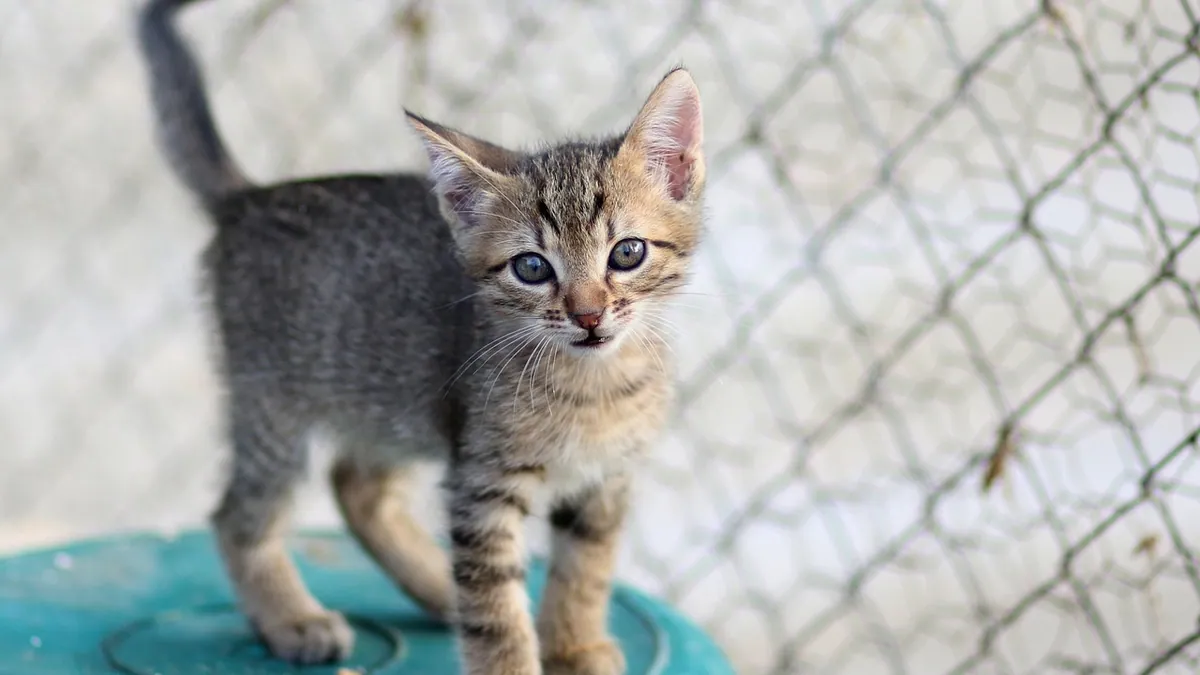
Kitten zoomies for hours are usually normal bursts of energy that last longer than they should because your kitten is bored, overtired, or under-stimulated. Most kittens have short play bursts of a few minutes, and when zoomies stretch for hours, the fix is usually more structured play, a calmer environment, and a check for medical causes. This article is educational and is not a substitute for veterinary diagnosis or treatment.
Quick Answer
- Normal zoomies in kittens typically come in short bursts, often at dawn and dusk, and stop within 5 to 15 minutes.
- Zoomies lasting hours, happening many times a day, or paired with heavy meowing, panting, or aggression are worth a veterinary call.
- Two or three focused play sessions a day, each 10 to 15 minutes, plus puzzle feeders and vertical space, reduce most marathon episodes.
- Never punish a kitten for zoomies. Punishment adds fear and can make the behavior worse.
- If zoomies come with vomiting, poor appetite, weight loss, or changes in litter box use, see a veterinarian promptly.
Why Kitten Zoomies Happen
Normal kitten energy
Kittens are built to practice hunting. In the wild, a young cat would stalk, pounce, and chase many small prey items each day. Indoor life removes most of that work, so the energy has to go somewhere. Short bursts of running, climbing, and pouncing are a healthy outlet.
Kittens also have natural activity peaks around dawn and dusk. These crepuscular hours match when prey would be most active. A kitten who races around at 6 a.m. is following an internal clock, not plotting against your sleep.
Boredom and under-stimulation
When a kitten has nothing to chase, hunt, or climb, energy builds. A single toy mouse on the floor stops being interesting fast. Many owners report "my kitten has zoomies all the time," and the pattern often points to a day with too little interactive play and too few things to explore.
Overtiredness
Kittens need a lot of sleep, often 16 to 20 hours a day in short naps. A kitten who is overtired can act wired, the same way a tired toddler runs instead of resting. If zoomies hit late at night after a busy day, overtiredness may be part of the picture.
Social and emotional triggers
Cats read human and cat body language closely, and misreading signals can raise arousal. A study of Australian veterinary students found that even trained observers vary in how accurately they classify human-cat interactions as friendly or agonistic [1]. If your kitten is unsure whether hands are toys or threats, play can tip into frantic running.
Cats also value control over their space. In a Swedish cat café study, cats used elevated structures more during busy periods and preferred vertical levels or cat-only rooms when human occupancy was high [2]. A kitten with no high perch and no quiet retreat may burn off stress as zoomies.
Medical Causes to Rule Out
Most marathon zoomies are behavioral, but some medical problems look like constant activity.
- Pain. Dental pain, a hurt paw, or abdominal discomfort can make a kitten restless and unable to settle.
- Hyperthyroidism. This is more common in older cats, but it causes increased activity, vocalization, and weight loss when it appears.
- Parasites. Fleas and intestinal worms cause itching and discomfort that can drive restless behavior.
- Neurologic or seizure activity. Some focal seizures look like sudden racing, twitching, or staring spells.
- Vision or hearing changes. A kitten who cannot see or hear well may startle easily and bolt.
- Hunger or poor nutrition. A growing kitten on an inadequate diet may act frantic around food and never seem satisfied.
Your veterinarian can sort these out with a physical exam, weight trend, and simple lab work. Do not guess at a diagnosis from behavior alone.
When Kitten Zoomies Become a Problem
Zoomies cross into problem territory when they affect health, safety, or daily life. Watch for these patterns.
- Episodes last more than 30 minutes and repeat several times a day.
- Your kitten cannot be redirected with toys, food, or a calm room.
- Zoomies include hissing, growling, biting, or attacking people or other pets.
- Your kitten pants, breathes hard, or seems distressed during episodes.
- The behavior disrupts sleep for the whole household night after night.
- Your kitten hurts itself by crashing into walls, windows, or furniture.
- Zoomies come with vomiting, diarrhea, appetite changes, or litter box changes.
One long episode after a boring day is not a crisis. A daily pattern that leaves everyone exhausted is worth professional help.
What to Do Step by Step
Step 1: Build a daily play routine
Set two or three play sessions at the same times each day. Morning and evening work well because they match natural activity peaks. Use a wand toy and mimic prey: move it away, let it hide, then let your kitten catch it. End each session with a successful catch and a small treat or meal. This closes the hunt cycle and helps your kitten settle.
Aim for 10 to 15 minutes per session for young kittens, and adjust based on your cat. If your kitten still has hours of zoomies, add a short midday session.
Step 2: Add food puzzles and foraging
Replace at least one meal with a puzzle feeder, snuffle mat, or scattered kibble. Foraging uses the same brain circuits as hunting and tires a kitten in a different way than running. Rotate puzzles so they stay interesting.
Step 3: Enrich the environment
- Add cat trees, shelves, or window perches so your kitten can climb and watch outside.
- Provide scratching posts in several rooms.
- Offer a variety of toys and rotate them every few days.
- Set up a quiet room or covered bed where your kitten can retreat.
- Try a cardboard box, paper bag, or tunnel for hiding and pouncing.
Good interactive toys make a real difference. See Best Interactive Cat Toys: Keep Your Feline Active and Engaged for options that hold a kitten's attention.
Step 4: Protect sleep and quiet time
Kittens need rest. If your kitten is overtired, a calm, dim room with a soft bed can help. Keep the evening wind-down predictable: play, then food, then quiet. Avoid roughhousing right before bed.
If your kitten wakes you at night, keep the response boring. Do not turn on lights, talk, or play. A kitten who learns that night is quiet will usually adjust.
Step 5: Manage meowing during zoomies
Kitten zoomies and meowing often go together. Meowing can mean hunger, boredom, frustration, or a request for attention. Check the basics first: food, water, litter box, and play. If meowing is constant and intense, see Cat Excessive Meowing: What Is Your Cat Trying to Say? for a closer look at possible causes.
Step 6: Track episodes
Keep a simple log for one to two weeks. Note the time, duration, what happened before, and what helped. Patterns often jump out, such as zoomies every day at 5 p.m. when you get home. Bring the log to your veterinarian if the behavior does not improve.
What Not to Do
- Do not punish. Yelling, spraying water, or hitting adds fear and can turn play into defensive aggression.
- Do not use hands as toys. Hand play teaches biting. Use wand toys and keep hands for petting and care.
- Do not lock your kitten in a small space for hours. Confinement without enrichment increases stress and can worsen the behavior.
- Do not assume it is "just a phase." Many kittens do settle with age, but a sudden increase in activity deserves a check.
- Do not skip meals to tire your kitten out. Growing kittens need regular, complete nutrition.
- Do not rely on one toy. Boredom returns fast when the same toy is always available.
Myths to ignore: that a kitten must "get it out of their system" with no help, that laser pointers alone are enough, and that a cat who zooms at night is being spiteful. None of these hold up.
When to Involve a Veterinarian or Behavior Professional
Call your veterinarian if zoomies last for hours most days, if your kitten loses weight or has a poor appetite, or if the behavior starts suddenly in a kitten who was previously calm. Sudden changes in activity, appetite, thirst, or litter box habits are medical clues, not training problems.
Ask for a referral to a veterinary behaviorist or certified applied animal behaviorist if your kitten shows aggression, self-injury, or distress that does not improve with routine and enrichment. Behavior professionals can build a plan that fits your home.
For dogs with excessive arousal, research shows that combining enrichment with medication can reduce arousal in a shelter setting [3]. That study was in dogs, not cats, so it does not prove the same approach works for kittens. Still, it supports the general idea that enrichment plus veterinary guidance can help animals who cannot settle on their own. Your veterinarian decides whether any medication is appropriate, and the dose is calculated from your pet's weight and health.
Limitations and When to Contact a Veterinarian
This article cannot diagnose your kitten. Behavior and medical problems overlap, and only a veterinarian who examines your kitten can tell them apart. Individual cases need a veterinarian.
Contact a veterinarian the same day if your kitten:
- Has zoomies with vomiting, diarrhea, or refusal to eat.
- Seems painful, limps, or cries when touched.
- Breathes fast or open-mouthed at rest.
- Has a sudden change in personality or activity level.
Go to an emergency clinic now if your kitten:
- Collapses, has a seizure, or cannot stand.
- Breathes with obvious effort or has blue gums.
- Swallowed a toy, string, or foreign object.
- Has uncontrolled bleeding or a suspected broken bone.
Call your regular veterinarian for a routine visit if:
- Marathon zoomies continue for more than two weeks despite good play and enrichment.
- Your kitten is losing weight or not growing as expected.
- Meowing, pacing, or night activity is getting worse.
- You feel overwhelmed and need a behavior plan.
If you ever suspect poisoning, call the ASPCA Animal Poison Control Center at (888) 426-4435 or the Pet Poison Helpline at (855) 764-7661. Keep the product container and note the time of exposure.
Frequently Asked Questions
How long should kitten zoomies normally last?
Normal zoomies usually last a few minutes and stop on their own. Episodes that run for hours, or that repeat many times a day, are outside the typical pattern and are worth a veterinary check.
Can too much play make zoomies worse?
Yes, if play is unstructured or ends without a calm finish. Long, wild sessions can wind a kitten up instead of tiring them out. Short sessions that end with a catch, a treat, and quiet time work better.
Should I ignore my kitten during zoomies?
Ignoring is safer than chasing or grabbing, but it is not a full plan. Redirect your kitten to a toy, then add more daily play and enrichment so the energy has a proper outlet.
Do kittens grow out of marathon zoomies?
Many kittens calm down as they mature, often by their first birthday. Some cats stay high-energy for life, and those cats need daily play and enrichment to stay happy.
Can diet affect how often my kitten zooms?
Diet can affect energy, digestion, and weight, but it is not a well-established direct cause of marathon zoomies. Feed a complete kitten diet, keep meals on a schedule, and ask your veterinarian about any food change.
A Note on Other Behavior Concerns
Zoomies are one piece of your kitten's behavior picture. If you notice hair loss, bald patches, or constant licking, see Cat Overgrooming: Why It Happens and What to Do. If your cat brings up hairballs often, see Cat Vomiting Hairballs: How Often Is Too Often?. And if internet trends have you wondering whether viral cat content changes pet behavior, see The Nyan Cat Phenomenon: How Internet Memes Affect Pet Behavior.
One more point about the human side: pets can support social and emotional health. A study of youth with ADHD found that household dogs and cats may relate to social role function and loneliness, though the findings are still being worked out [4]. That does not change how you manage kitten zoomies, but it is a reminder that the bond you build through daily play matters for both of you.
Related Articles
- Cat Overgrooming: Why It Happens and What to Do
- Best Interactive Cat Toys: Keep Your Feline Active and Engaged
- Cat Vomiting Hairballs: How Often Is Too Often?
- Cat Excessive Meowing: What Is Your Cat Trying to Say?
- The Nyan Cat Phenomenon: How Internet Memes Affect Pet Behavior
- Cat Hissing at New Kitten: How Long Will It Last?
- Kitten Zoomies: Why They Happen and When They Stop
- How Long Do Cat Zoomies Last? Normal vs Too Much
- Is It Normal for Kittens to Act Crazy? Zoomies Explained
References
- Cat Play or Cat Fray? Investigating the Accuracy of Veterinary Student Classifications of Human-Cat Interactions. Journal of veterinary medical education, 2026.
- Cats in a Cat Café: Individual Cat Behavior and Interactions with Humans. Animals : an open access journal from MDPI, 2025.
- Combined enrichment and pharmaceutical intervention reduces excessive arousal in shelter dogs in a randomized controlled trial. Frontiers in veterinary science, 2026.
- The relation between household dogs and cats during childhood/adolescence with social role outcomes and loneliness among youth with attention-deficit/hyperactivity disorder. European child & adolescent psychiatry, 2026.