Why Does My Dog Rub His Face on Me or the Carpet?
By Dr. Zubair Khalid, DVM, MS, PhD ·
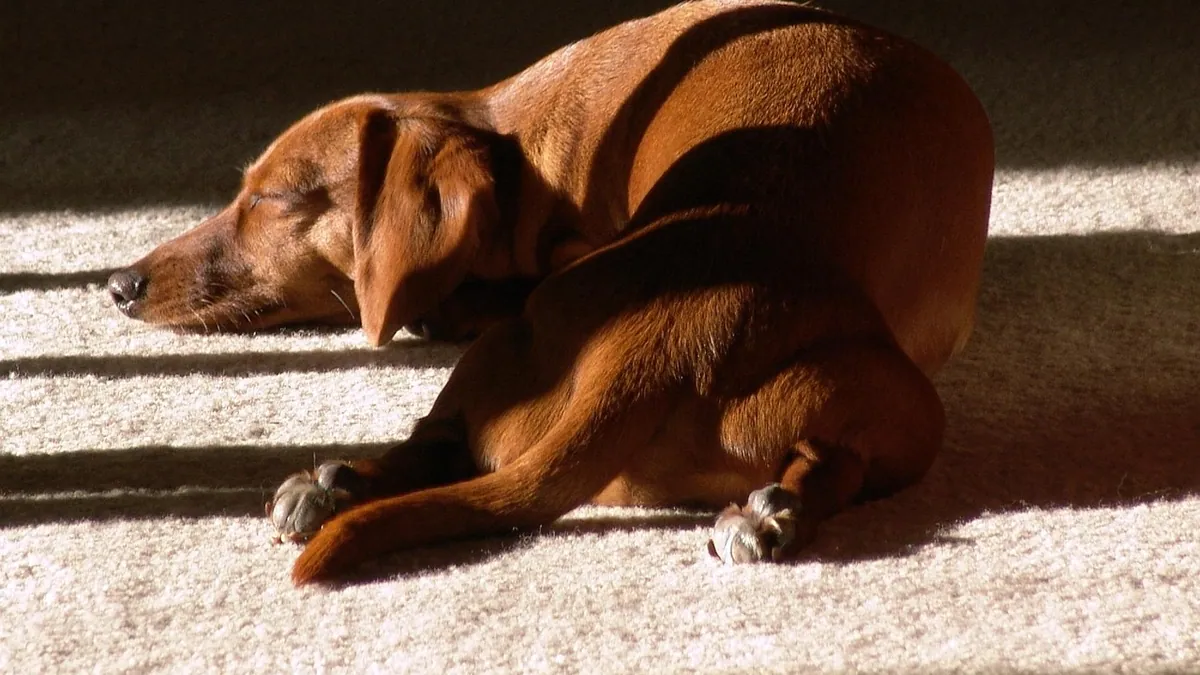
Dogs rub their faces on people and carpets for many reasons, and most of them are normal. Your dog may be showing affection, depositing his scent, or simply scratching an itch he cannot reach with his paws. The trick is telling a harmless habit apart from a medical problem that needs treatment.
This article is educational and is not a substitute for veterinary diagnosis or treatment.
Quick Answer
- Face rubbing on you is usually social and affectionate, a way to bond and share scent.
- Face rubbing on carpet, furniture, or paws often means itching, allergies, or ear discomfort.
- Puppies around teething age (roughly 4 to 7 months) rub and chew because their gums hurt.
- A sudden increase in rubbing, especially with head shaking, odor, or hair loss, points to a medical cause.
- Any rubbing that breaks the skin, causes bleeding, or comes with balance problems needs a vet now.
Why Does My Dog Rub His Face on Me?
This is the version most owners notice first, and it is usually good news. Dogs are highly social animals, and physical contact with their people is rewarding for them. When your dog presses his muzzle, cheek, or whole head against you, he is often seeking closeness and attention.
Dogs also have scent glands on the face and head. Rubbing against you leaves his smell on your clothes and skin. That is a form of scent-marking, and it is how dogs claim familiar territory and familiar people. It is normal canine communication, not a sign of dominance or aggression.
Some dogs rub their faces on their owners right after eating, after a walk, or when they are relaxed and content. Others do it when they want petting or a treat. If your dog looks loose and happy, wags his tail, and leans in for more contact, you are almost certainly seeing affection or a request for attention.
Behavior that gets rewarded tends to continue. If you laugh, pet, or talk to your dog every time he rubs his face on you, you have taught him that this behavior works [1]. That is fine if you enjoy it. If you would rather he stop, you can change what happens next instead of punishing him.
Why Does My Dog Rub His Face on the Carpet?
Carpet rubbing is different from rubbing on you, and it deserves more attention. Carpet has a rough texture, so dogs use it to scratch places they cannot easily reach. Common targets are the muzzle, chin, cheeks, and the area around the ears.
Normal carpet rubbing
Some dogs flop down and rub their faces after a meal, after a bath, or when they are excited. This is often playful or a way to dry off and spread their scent. A single short episode with a relaxed body is rarely a concern.
Itchy skin and allergies
If carpet rubbing happens many times a day, lasts a while, or leaves red skin, itching is the likely cause. Allergies to food, fleas, pollen, or household dust are common triggers in dogs. Self-induced scratching and rubbing can even cause hair loss, and veterinary reviews list self-induced disorders among the causes of alopecia in dogs [2]. In animal models, increased scratching and grooming behavior predicted later development of skin lesions [3]. The lesson for owners is simple. More rubbing can mean more skin damage over time.
Ear disease
Ear infections and ear mites cause intense itching deep in the ear canal. Dogs cannot scratch inside the ear, so they rub the side of the head on the floor, shake their heads, and scratch with a hind foot. You may notice redness, discharge, a bad smell, or pain when you touch the ear. Ear disease is one of the most common reasons a dog suddenly starts face rubbing on the carpet.
Anal gland and rear-end problems
Sometimes what looks like face rubbing is part of a larger pattern of scooting and licking. If your dog also drags his rear on the floor, read Why Does My Dog Scoot On The Carpet and Why Does My Dog Keep Scooting On The Carpet. These behaviors often share the same itch-and-irritation root.
Why Does My Puppy Rub Her Face With Her Paws?
Puppies rub their faces with their paws for the same reasons adult dogs do, plus one extra. Teething.
Puppies lose their baby teeth and grow adult teeth between about 4 and 7 months of age. During this window, the gums are sore and swollen. Puppies chew, paw at their mouths, and rub their faces to relieve that pressure. You may see this more in the evening or when your puppy is tired.
Puppy face rubbing can also be simple exploration. Puppies are learning what their bodies can do, and pawing at the face is part of that. If your puppy is eating, playing, and sleeping normally, occasional face pawing is usually nothing to worry about.
Watch for these signs that something more is going on. Swollen or bleeding gums, a broken tooth, drooling more than usual, or refusing to eat hard food can all point to a dental problem. Your veterinarian can examine the mouth and decide whether treatment is needed.
Medical Causes to Rule Out
Face rubbing becomes a medical question when it is frequent, intense, or paired with other symptoms. Here are the main causes veterinarians consider.
Skin allergies and infections
Allergic skin disease is the most common itchy condition in dogs. It causes redness, scratching, chewing, and rubbing. Secondary bacterial or yeast infections make the itching worse and often cause a musty odor. Your vet may recommend allergy testing, medication, or a diet trial depending on the pattern.
Ear infections and ear mites
Ear disease causes head shaking, ear scratching, and face rubbing on the floor. It can affect one ear or both. Ear infections often need prescription medication, and treating them early prevents the canal from narrowing over time.
Parasites
Fleas, mites, and other external parasites cause intense itching. Flea allergy dermatitis is especially common and often affects the face, neck, and rear end. Year-round flea prevention is the standard recommendation for most dogs in the United States.
Dental and oral pain
A cracked tooth, gum disease, or an oral mass can make a dog paw at his face and rub his muzzle. Bad breath, drooling, dropping food, or chewing on one side are clues. Dental disease is common and often underdiagnosed.
Foreign bodies and injuries
A grass awn, splinter, or small object stuck in the nose, mouth, or eye can cause sudden, frantic face rubbing. So can a scratch or insect sting. This type of rubbing usually starts abruptly and does not stop.
Neurologic and cognitive problems
Older dogs can develop cognitive decline, and research in aging dogs has linked changes in brain function to changes in other body systems, including urinary function [4]. If your senior dog rubs his face against walls, presses his head into furniture, or seems disoriented, that is a neurologic sign, not a behavior problem. Call your vet promptly.
Pain anywhere
Dogs rub their faces when they hurt elsewhere too. Dental pain, neck pain, and eye pain all show up this way. A dog who rubs his face and also seems stiff, quiet, or off his food needs an exam.
When Face Rubbing Becomes a Problem
Rubbing is a problem when it changes your dog's daily life or damages his body. Use these questions as a guide.
- How often does it happen? A few seconds once a day is very different from many minutes every hour.
- Does it interrupt eating, sleeping, walking, or playing?
- Is the skin red, raw, scabbed, or losing hair?
- Is there discharge, odor, swelling, or pain when you touch the area?
- Has the behavior started suddenly or gotten worse over days or weeks?
If you answer yes to any of these, the rubbing is worth a veterinary visit. Behavior that persists even when it no longer gets attention is a classic sign that something physical is driving it [1].
What to Do Step by Step
Start with simple steps at home while you arrange a vet visit if needed.
1. Keep a short log
Write down when the rubbing happens, how long it lasts, and what body part is involved. Note food, walks, baths, and any new products. A week of notes helps your vet narrow down the cause fast.
2. Check the face and ears at home
Look at the muzzle, lips, eyes, and ear canals in good light. Do not push anything into the ear canal. If you see redness, discharge, swelling, or a bad smell, stop and call your vet.
3. Use flea prevention year round
Flea allergy is a leading cause of face and body itching. Use a product your veterinarian recommends for your dog's size and health status.
4. Add enrichment and training
If your dog rubs his face on you for attention, decide what you want instead. Teach a sit or a hand target, then reward that behavior. Give your dog puzzle toys, sniff walks, and chew items that fit his size. Mental work reduces attention-seeking behavior in many dogs.
5. Change the environment
Wash bedding often, vacuum carpets, and keep known allergens out of your dog's sleeping area. If your dog rubs on the carpet after meals, a wipe of the muzzle with a damp cloth may help.
6. Protect the skin
If the skin is already irritated, ask your vet about a safe topical product. Do not apply human creams or ointments to your dog's face without veterinary guidance.
7. Book the exam
If rubbing continues after these steps, or if your dog has any red flag sign, schedule a veterinary visit. Many causes of face rubbing are easy to treat once identified.
If your dog also shows other repetitive behaviors, such as licking surfaces, see Why Is My Dog Licking the Floor Constantly?. If house soiling is part of the picture, read Dog Keeps Peeing On Carpet.
What Not to Do
Do not punish your dog for face rubbing. Punishment does not fix an itchy ear or an allergic skin condition, and it can make your dog anxious about being touched near the face. That makes future exams harder for everyone.
Do not assume the behavior is "just a habit" if it started suddenly. Sudden onset is a common feature of pain, foreign bodies, and ear infections.
Do not use human allergy pills, steroid creams, or ear cleaners without veterinary advice. Some products are toxic to dogs, and some mask symptoms your vet needs to see.
Do not rely on home remedies for ear disease. Untreated ear infections can damage the ear canal and, in severe cases, the middle ear.
Do not assume your dog is "just being affectionate" if the rubbing is constant. Affectionate rubbing is brief, relaxed, and directed at you. Constant rubbing on hard surfaces is usually a sign of discomfort.
When to Involve a Veterinarian or Behavior Professional
Call your veterinarian if the rubbing is new, getting worse, or comes with any skin, ear, eye, or mouth changes. Your vet will examine your dog, check the ears and mouth, and may recommend skin testing, ear cytology, or other diagnostics. Treatment depends on the cause, and your veterinarian calculates any medication dose from your dog's weight and health status.
Ask for a referral to a board-certified veterinary behaviorist or a certified applied animal behaviorist if your dog's rubbing continues after medical causes are treated. Repetitive behaviors can have a compulsive component, and these cases need a structured behavior plan. Research on behavioral persistence in dogs shows that rewarded behaviors are hard to extinguish, so professional guidance helps you change the pattern without making it worse [1].
Limitations and When to Contact a Veterinarian
This article cannot diagnose your dog. Individual cases need a veterinarian who can examine your dog in person.
Contact a veterinarian the same day if your dog has a swollen or painful ear, a red or raw patch of skin, discharge from the eyes or nose, sudden head tilting, or rubbing that will not stop.
Go to an emergency clinic now if your dog has trouble breathing, collapses, has a seizure, shows sudden loss of balance, or has a swollen face or throat that could be an allergic reaction.
Schedule a routine visit within a few days if the rubbing is mild but persistent, if your dog is scratching more than usual, or if you notice hair thinning, odor, or changes in appetite or sleep.
Frequently Asked Questions
Is it normal for my dog to rub his face on me?
Yes, this is normal social behavior in most dogs. It usually means affection, scent-marking, or a request for attention. It becomes a concern only if it is constant, forceful, or paired with signs of pain or itching.
Why does my dog rub his face on the carpet after eating?
Many dogs rub their muzzles after meals to clean them or spread scent. If it happens briefly and your dog seems happy, it is likely harmless. Frequent or prolonged carpet rubbing after meals can also signal dental pain or nausea, so mention it to your vet if it is new.
Can face rubbing be a sign of allergies in dogs?
Yes, allergies are one of the most common causes of face rubbing. Allergic dogs rub their muzzles, scratch their ears, and chew their paws. If the rubbing comes with redness, hair loss, or a musty smell, your dog likely needs allergy treatment.
Should I stop my dog from rubbing his face on me?
You do not need to stop it if you enjoy it and your dog is healthy. If you want less of it, reward a different behavior, such as sitting or touching a target, and ignore the rubbing. Never punish your dog for it.
When should I worry about face rubbing in my dog?
Worry when the rubbing is new, frequent, or intense, or when it comes with head shaking, odor, discharge, hair loss, or balance problems. Those signs point to a medical cause that needs prompt veterinary care.
Related Articles
- Why Does My Dog Scoot On The Carpet
- Why Does My Dog Keep Scooting On The Carpet
- Why My Dog Scooting On Carpet
- Why Is My Dog Licking the Floor Constantly?
- Dog Keeps Peeing On Carpet
- Why Do Dog Scoot On Carpet
- Dog Allergic to Carpet, Rugs, or New Bedding? Help
- Why Is My Dog Dragging His Butt on the Floor?
- Dog Acting Strange After Grooming: Causes and Red Flags
References
- Persistence and resistance to extinction in the domestic dog: Basic research and applications to canine training. Behavioural processes, 2017.
- Alopecia management from a comparative perspective: pharmacological and pharmaceutical insights in humans, dogs, and cats. Frontiers in veterinary science, 2026.
- Predictive Value of Grooming Behavior for Development of Dermatitis in Selectively Bred P Rats as a Model of Trichotillomania Hair Pulling Disorder. Veterinary sciences, 2022.
- The relationship between urinalysis abnormalities, soiling behavior, and cognitive decline in aging dogs. Journal of veterinary internal medicine, 2026.