Why Isn't My Kitten Making Biscuits? What It Means
By Dr. Zubair Khalid, DVM, MS, PhD ·
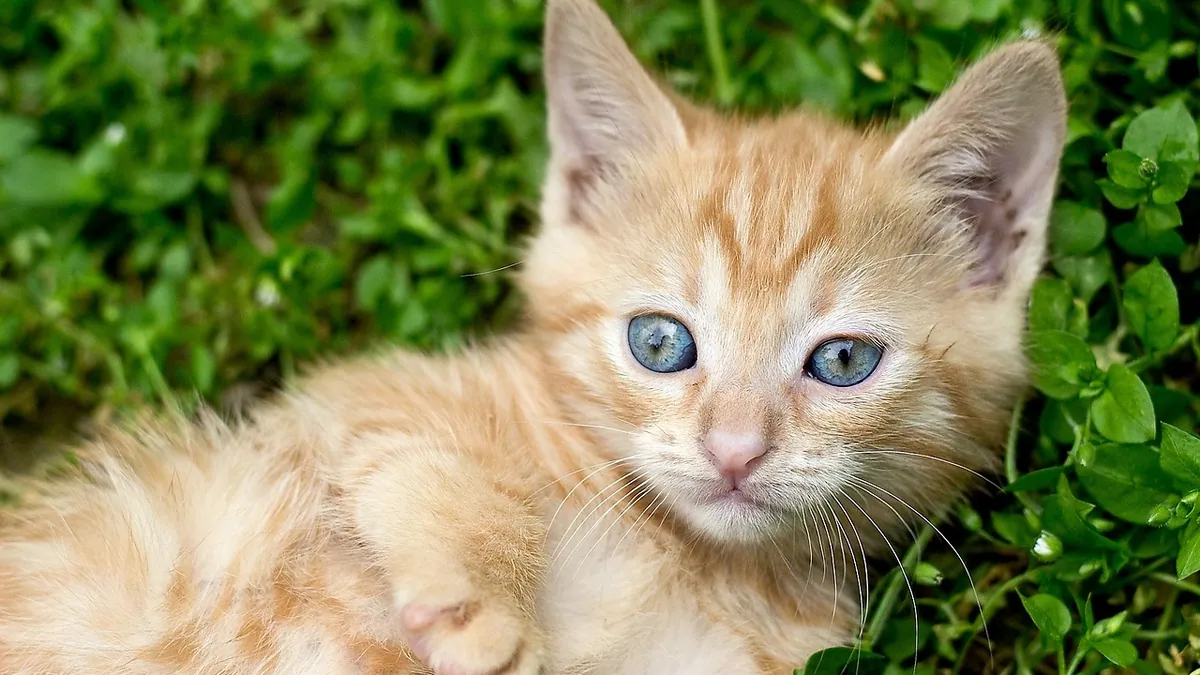
If your kitten doesn't make biscuits, that is usually normal and not a sign of a problem. Kneading is an instinct that many cats show when they feel safe and relaxed, but plenty of healthy cats never do it or stop doing it as they grow up. What matters far more than the behavior itself is whether your kitten is eating, playing, growing, and acting like themselves.
This article is educational and is not a substitute for veterinary diagnosis or treatment.
Quick Answer
- Kneading is an instinct, not a required behavior. Some cats do it often, some rarely, and some never.
- A kitten who never kneads but eats, plays, and grows normally is almost certainly fine.
- A kitten who used to knead and suddenly stops, especially with hiding, appetite loss, or crankiness, needs a vet visit.
- Pain in the paws, joints, or belly is the main medical reason to check, along with stress or a recent change at home.
- Never punish a kitten for not kneading or for kneading. Redirect, comfort, and let your vet sort out anything medical.
What Kneading Actually Is
Kneading is the rhythmic push-and-pull motion cats make with their front paws, often against a soft surface, a blanket, or your lap. People call it "making biscuits" because the motion looks like dough being worked. Many kittens knead while nursing, and the behavior often carries into adulthood as a comfort habit.
The motion is tied to feelings of safety and contentment in most cats. It is also one of many ways cats communicate and bond with the people they trust. Research on owner-cat interactions shows that calm, passive contact tends to raise oxytocin and lower cortisol in cats, while forced or unwanted handling does the opposite [1]. Kneading is one of the behaviors that often shows up during those relaxed, chosen moments of contact.
That said, kneading is not a test your kitten has to pass. There is no rule that every cat must do it. Some cats purr instead. Some head-butt. Some simply settle next to you and fall asleep. All of those are normal ways to show comfort.
Why Does My Kitten Not Make Biscuits? Normal Reasons
Most of the time, a kitten who does not knead is simply a kitten who does not knead. Here are the common, harmless explanations.
Individual personality
Cats vary widely in how they express affection and comfort. In a study of cats in a cat café, individual cats ranged from engaging with people to actively avoiding them, and human contact was absent during a large share of observation time [2]. Cats are not a single template. Some are physically demonstrative and some are not.
Early socialization and upbringing
A kitten's early experiences shape adult behavior. A survey of cat breeders found gaps between what breeders believed mattered for socialization and what they actually did, including how much handling kittens received and how many people interacted with them [3]. Kittens raised with more gentle handling may be more comfortable with close physical contact later, but a calm kitten who was handled less is not abnormal either.
They grew out of it
Many kittens knead intensely while nursing and then taper off. By the time a kitten is a few months old, kneading may become occasional or disappear. That is a normal developmental shift, not a loss.
They do it in private
Some cats only knead on a specific blanket, in a specific spot, or when no one is watching. You may simply not have seen it. If your kitten is relaxed and playful with you in other ways, the behavior may be happening when you are not looking.
They are comfortable but express it differently
Purring, slow blinking, following you from room to room, sleeping near you, and flopping over for belly rubs are all signs of a settled cat. A cat from a private home showed more exploration and play after reuniting with a familiar caregiver, which points to the bond instead of any single behavior [4]. Your kitten can be bonded to you without ever making biscuits.
Medical Causes to Rule Out
If your kitten used to knead and has stopped, or if the behavior change comes with other symptoms, a health problem is possible. These are the main things a veterinarian will consider.
Paw pain or injury
Kneading puts pressure on the paws. A cut, a foreign object, a broken nail, a burn, or an infection can make a kitten avoid pressing down. Watch for limping, licking at one paw, swelling, or flinching when you touch a foot.
Joint or bone pain
Growing kittens can develop joint problems, and injuries happen during rough play or falls. A kitten in pain may move less, hesitate to jump, or resist being picked up. Kneading may stop because it hurts.
Belly or abdominal discomfort
Kneading often involves pressing the front paws against a surface while the belly rests on it. Gastrointestinal upset, parasites, or other abdominal pain can make a kitten avoid that position. If your kitten is also vomiting, has diarrhea, or is not eating, that combination deserves prompt attention. A kitten throwing up white foam and refusing food is a specific pattern worth reading about in our guide to Why Is My Kitten Throwing Up White Foam And Not Eating.
Illness with general malaise
Any illness that makes a kitten feel unwell can reduce comfort behaviors. A kitten who is quiet, hiding, sleeping more, or eating less is telling you something is off. Poor appetite is one of the most reliable early warning signs. See Cat Not Eating? When to Worry and What to Do for guidance on how quickly to act.
Stress and environmental upset
Stress suppresses relaxed behaviors. A new pet, a move, loud construction, a change in schedule, or a crowded household can all make a kitten withdraw. Cats in group settings tend to seek out elevated spaces and cat-only areas when activity around them increases, which shows how much environment affects comfort [2]. If your kitten's world got busier, that alone may explain the change.
Pain that shows up as irritability
A kitten in pain may not act sad. They may act cranky. Hissing, swatting, avoiding touch, or suddenly disliking being held can all be pain signals. Any sudden shift in how your kitten tolerates handling is worth a veterinary exam.
When Not Making Biscuits Becomes a Problem
The behavior itself is rarely the problem. The problem is a change in a kitten who was previously doing it, or a kitten who shows other signs of trouble.
Ask yourself three questions.
- Is this new? A kitten who never kneaded is different from a kitten who kneaded daily and stopped last week.
- Is anything else different? Appetite, energy, play, litter box habits, social behavior, and sleep all matter.
- Is my kitten comfortable being touched? Flinching, pulling away, or guarding a body part points toward pain.
If the answer to any of these is yes, a veterinary visit is the right next step. If your kitten is otherwise thriving, the missing biscuits are not a concern on their own.
What to Do Step by Step
Rule out pain first
Book a veterinary exam if the change is new or comes with any other symptom. Your veterinarian will examine the paws, joints, belly, and mouth, and will decide whether bloodwork, imaging, or other testing is needed. There is no home test that replaces this.
Keep a simple log
For three to five days, note what your kitten eats, how much they play, litter box output, and any hiding or crankiness. Bring the notes to your visit. Patterns are far more useful to your vet than a single observation.
Make the environment feel safe
Give your kitten vertical options like cat trees and shelves, quiet hiding spots, and a room they can retreat to. Elevated structures and cat-only spaces matter to cats when activity picks up around them [2]. Predictable routines help too.
Use calm, chosen contact
Let your kitten come to you. Passive, low-pressure interaction supports a calmer hormonal response, while forced handling raises stress markers [1]. Sit nearby, offer a hand, and let your kitten decide. This builds the kind of trust that comfort behaviors grow from.
Support early socialization if you have a young kitten
If your kitten is still in the socialization window, gentle handling by a few different people and calm exposure to everyday sounds and sights can help. Breeder surveys show that many people underestimate how much handling and how many different people matter in early life [3]. Keep sessions short and let your kitten walk away.
Feed a complete kitten diet
Growing kittens have high nutritional needs, and how they feel day to day depends heavily on getting the right food in the right amounts. Our guide to Kitten Food covers what to look for on the label and how much to feed.
Watch the litter box
Discomfort anywhere in the body can change litter box habits. If your kitten is going outside the box, straining, or avoiding it, that is a separate red flag. See Cat Not Using Litter Box.
Give it time
If your vet finds nothing wrong, relax. Your kitten may start kneading next month, next year, or never. None of those outcomes says anything about how much your kitten loves you.
What Not to Do
Do not punish your kitten
Never scold, swat, or spray a kitten for not kneading or for kneading on the wrong surface. Punishment raises stress and damages trust. Forced or unwanted handling already pushes stress hormones up [1], and adding punishment makes that worse.
Do not force the behavior
Do not hold your kitten's paws and press them into a blanket to "teach" kneading. That is forced contact, and it works against you.
Do not assume it means your kitten is unhappy with you
There is no evidence that a cat who does not knead is rejecting their owner. Bonding shows up in many behaviors, and cats vary enormously in how much physical contact they seek [2][4].
Do not skip a vet visit because the only sign is missing biscuits
If the change is sudden, or if anything else is off, get it checked. Early visits are cheaper and easier than waiting for a kitten to get sicker.
Do not rely on internet diagnoses
Kitten symptoms overlap heavily. Only an exam and, when needed, testing can sort out whether something is wrong.
When to Involve a Veterinarian or Behavior Professional
Call your veterinarian the same day if your kitten stops kneading and also stops eating, hides constantly, cries when picked up, limps, or has vomiting or diarrhea. Go to an emergency clinic right away for trouble breathing, collapse, a swollen or painful belly, repeated vomiting, or a kitten who cannot stand or walk.
Schedule a routine visit within a few days for a gradual behavior change, a kitten who seems less playful than usual, or any new crankiness around handling. If your veterinarian finds no medical cause and the change is tied to stress or household upheaval, ask for a referral to a veterinarian who focuses on behavior or a certified behavior professional. They can build a plan around your home and your kitten.
Limitations and When to Contact a Veterinarian
This article cannot tell you what is happening with your specific kitten. Behavior changes in young cats have many possible causes, and only an exam can separate a normal quirk from a medical problem. Individual cases need a veterinarian.
Contact your veterinarian the same day for appetite loss, lethargy, hiding, limping, paw swelling, or pain when touched. Go to an emergency clinic now for breathing trouble, collapse, a distended belly, repeated vomiting, or a kitten who will not stand. Book a routine visit for any slow change in behavior, even if your kitten seems mostly fine. If you are ever unsure, call. A phone call costs nothing and can save you a lot of worry.
Frequently Asked Questions
Is it normal for cats to not make biscuits?
Yes, it is normal. Kneading is an instinct that varies a lot between individual cats, and many healthy cats never do it or stop as they mature. A kitten who does not knead but eats, plays, and grows well does not need treatment for it.
Why did my kitten stop making biscuits suddenly?
A sudden stop can mean pain, stress, or illness, especially if other habits changed too. Paw injuries, joint pain, belly discomfort, and household upheaval are common reasons. If the change is recent or comes with any other symptom, have your kitten examined.
Does not kneading mean my kitten does not love me?
No. Cats show attachment in many ways, including following you, purring, playing near you, and choosing to rest close by. Physical contact varies widely between cats, and a cat who avoids one specific behavior can still be strongly bonded to you.
Can I teach my kitten to make biscuits?
You cannot reliably teach kneading, and you should not force it. Pressing your kitten's paws or holding them in place creates stress and can damage trust. Offer calm, chosen contact and a comfortable environment instead, and let the behavior appear on its own if it is going to.
Should I worry if my kitten never kneads but seems healthy?
No, not on its own. A thriving kitten with a good appetite, normal energy, and typical litter box habits does not need a vet visit just because they skip this one behavior. Keep routine wellness visits on schedule, and call your vet if anything else changes.
Related Articles
- Why Is My Kitten Throwing Up White Foam And Not Eating
- Kitten Food
- Cat Not Eating? When to Worry and What to Do
- Cat Not Using Litter Box
- Why Is My Cat Not Eating? A Vet-Reviewed Guide for Pet Owners
- Why Does My Cat Make Biscuits on Me? Kneading Explained
- Why Is My Kitten Kneading Blankets? Meaning and Biting
- Cat Not Kneading Anymore: Why It Happens and What to Do
References
- EXPRESS: The hormonal effects of owner-cat interactions on pet cats of different potential attachment styles. Journal of feline medicine and surgery, 2026.
- Cats in a Cat Café: Individual Cat Behavior and Interactions with Humans. Animals : an open access journal from MDPI, 2025.
- Exploring kitten socialisation practices and welfare implications within a Swedish breeding association. Animal welfare (South Mimms, England), 2026.
- Impact of Living Environment on Attachment Behaviour in Domestic Cats from Private Homes and Shelters. Animals : an open access journal from MDPI, 2025.