Why Is My Kitten Jumping Around So Much? Normal or Not
By Dr. Zubair Khalid, DVM, MS, PhD ·
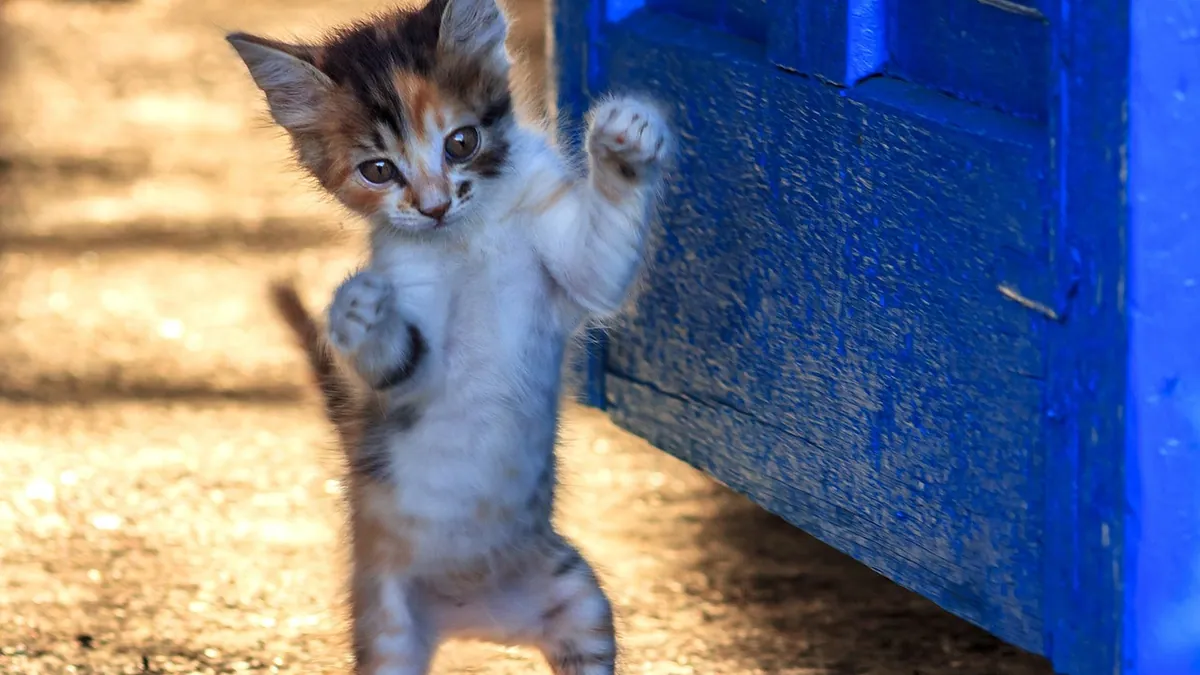
Kittens jump, pounce, and bounce around because they are young, curious, and wired to practice hunting skills. Most of the time, a kitten jumping around so much is completely normal play behavior. The tricky part is telling normal kitten energy apart from jumpiness caused by pain, poor vision, or stress.
This article is educational and is not a substitute for veterinary diagnosis or treatment.
Quick Answer
- Sudden bursts of running, pouncing, and leaping are normal kitten play and predatory practice, especially in the morning and evening.
- A kitten jumping at you or on you is usually asking for play, attention, or food, not being aggressive.
- Jumpiness that comes with hiding, flinching at touch, or avoiding light can point to pain, vision trouble, or fear.
- Kittens need daily interactive play, safe climbing spots, and a predictable routine to burn energy and feel secure.
- Call your veterinarian if the jumping starts suddenly with limping, squinting, hiding, appetite loss, or a change in personality.
Why Is My Kitten Jumping Around So Much? The Normal Reasons
Kittens are built to move. Play in cats shares a common basis with predation and social interaction, so chasing, stalking, and leaping are practice for real hunting behavior [1]. That is why your kitten may crouch, wiggle, then launch across the room at a toy, a shadow, or your ankle.
Play and predatory drive
Young cats have a huge amount of energy to spend, and play is how they learn coordination, bite control, and social rules. A kitten that races around, pounces on toys, and jumps onto furniture is usually doing exactly what a healthy kitten should do.
Social play and attention seeking
Kittens also jump at people to get interaction. If you have ever been walking past a couch and felt a kitten attach itself to your leg, that is often an invitation to play. Cats meow more in highly motivating contexts like feeding and play, so a kitten may jump at you and meow when it wants food or a play session [1].
Startle jumping and normal reflexes
Kittens are jumpy by nature because they are still learning what is safe. A kitten startle jumping at a loud noise or a fast movement is a normal reflex. With gentle handling and positive experiences, most kittens become less reactive over time. Proper socialization with humans during kittenhood helps prevent fear-related behavior problems later [2].
Growth and coordination
A kitten's body is changing fast. Depth perception, balance, and muscle control are still developing, so some jumps look clumsy or mistimed. That awkwardness usually improves with age and practice.
Medical Causes to Rule Out
Not every jumpy kitten is just playful. Sometimes jumping, flinching, or sudden bursts of movement are signs that something hurts or feels wrong.
Pain or discomfort
A kitten with pain may jump up suddenly, bolt, or react strongly when picked up or touched. Dental pain, an injured paw, a strained muscle, or abdominal discomfort can all make a kitten act jumpy. If the jumping is new and comes with limping, hiding, or a change in appetite, pain is a real possibility.
Vision problems
Kittens with poor vision may startle easily, misjudge jumps, or seem jumpy when something moves nearby. They may also bump into objects or hesitate before jumping down. Any kitten that seems startled by normal movement or light should be checked by a veterinarian.
Fear, stress, and poor socialization
Fearful cats are more likely to develop problematic behaviors, and poor socialization with humans and a history of being a rescue cat are linked to higher fearfulness [2]. A kitten that was not well socialized may jump at every sound or movement out of fear. Stress from a new home, a new pet, or a loud environment can also make a kitten jumpy.
Skin and coat problems
Itching from fleas, allergies, or skin infections can make a kitten twitch, jump, and scratch suddenly. If you notice hair loss, scabs, or constant scratching along with the jumping, have your veterinarian examine the skin. You can read more about excessive grooming and skin issues in Cat Overgrooming: Why It Happens and What to Do.
Neurologic or other medical issues
Rarely, sudden jerking or jumping movements can come from a neurologic problem. These cases usually include other signs like wobbling, head tilt, or changes in consciousness. Any kitten with these signs needs prompt veterinary care.
When Kitten Jumping Becomes a Problem
Normal kitten energy is not a behavior problem. It becomes a problem when it affects the kitten's health, your safety, or the bond between you.
Signs the behavior is not normal play
- The kitten jumps and then hides or avoids being touched.
- Jumping comes with growling, hissing, flattened ears, or dilated pupils that do not relax.
- The kitten seems to jump at nothing and cannot settle.
- The behavior starts suddenly in a kitten that was previously calm.
- The kitten stops eating, playing, or using the litter box normally.
Risk factors for long-term behavior issues
Problematic behavior is a major welfare issue in cats and one of the most common reasons cats are relinquished [2]. Early life experiences, including socialization, weaning, and rehoming, can affect the risk of chronic behavioral problems later [3]. That means the way you handle a jumpy kitten now can shape its behavior for years.
When it affects the household
If the kitten is jumping on counters, attacking ankles, or waking you at night, the behavior is disrupting your home. These issues are usually fixable with enrichment and training, but they need consistent effort.
What to Do: Step by Step
Step 1: Rule out medical causes first
Before you assume the jumping is behavioral, have your veterinarian examine your kitten. A physical exam can check for pain, vision problems, skin issues, and neurologic signs. If your kitten is also hiding or acting unusual, see Why Is My Cat Suddenly Hiding and Acting Weird?.
Step 2: Set up daily interactive play
Play is the single best outlet for kitten energy. Use wand toys, balls, and puzzle feeders to mimic hunting. Aim for several short play sessions each day, especially in the morning and evening when kittens are most active. End each session with a small meal or treat so the hunt has a finish.
Step 3: Add climbing and jumping outlets
Kittens need to jump. Give them safe places to do it. Cat trees, shelves, and window perches let your kitten climb and leap without landing on your kitchen counter. Place a sturdy scratching post near favorite jumping spots.
Step 4: Make the environment predictable
Stress makes kittens jumpy. Keep feeding, play, and bedtime on a regular schedule. Provide hiding spots, soft bedding, and quiet areas. Introduce new people, pets, and sounds slowly.
Step 5: Reward calm behavior
When your kitten is resting quietly, offer gentle praise or a treat. This teaches that calm behavior earns attention. Avoid picking up a wound-up kitten, which can increase arousal.
Step 6: Redirect jumping at people
If your kitten jumps at you, freeze and stay quiet, then redirect to a toy. Do not yell or swat. Consistent redirection teaches the kitten that toys, not hands, are for biting and pouncing.
Step 7: Check the litter box and feeding setup
A kitten that is uncomfortable may act jumpy. Keep the litter box clean and place food and water away from it. If your kitten is also sneezing or coughing, see Why Is My Cat Sneezing So Much And Coughing.
What Not to Do
Do not punish your kitten
Punishment does not teach a kitten what to do instead. It can increase fear and make jumping and hiding worse. Fearfulness is linked to problematic behaviors, so scaring a kitten is counterproductive [2].
Do not use spray bottles or loud noises
These methods may stop the behavior in the moment, but they damage trust. A kitten that learns to fear you may become more jumpy, not less.
Do not ignore pain or vision signs
If your kitten flinches when touched or misjudges jumps, do not wait to see if it passes. These signs need a veterinary exam.
Do not believe common myths
Myths about cat behavior can lead to poor care. Cats have complex social needs, and misunderstandings about their behavior can cause distress that harms their welfare and your bond with them [4]. For example, a kitten that jumps at you is not being dominant. It is usually playing or seeking attention.
Do not rely on punishment-based training
Reward-based training works better for kittens. It builds confidence and strengthens the human-animal bond.
When to Involve a Veterinarian or Behavior Professional
Call your veterinarian if
- The jumping started suddenly and your kitten seems painful or off balance.
- Your kitten is hiding, not eating, or avoiding light.
- You see limping, squinting, head tilt, or wobbling.
- The behavior is getting worse despite play and enrichment.
- Your kitten is also overgrooming, which can be a sign of stress or skin disease. See Cat Overgrooming: Why It Happens and What to Do.
Ask about a certified behavior professional if
- Your kitten shows fear or aggression that does not improve.
- You have tried play, enrichment, and routine changes without success.
- The behavior is affecting your ability to care for your kitten.
A veterinarian can rule out medical causes and refer you to a qualified behavior professional if needed.
Limitations and When to Contact a Veterinarian
This article cannot diagnose your kitten. Every kitten is an individual, and only a veterinarian who examines your pet can determine what is normal for that kitten.
Contact a veterinarian the same day if your kitten starts jumping or twitching suddenly, seems painful, stops eating, or hides and will not come out. Go to an emergency clinic now if your kitten has trouble breathing, collapses, has a seizure, or cannot stand or walk normally. Schedule a routine visit if the jumping is mild but you are unsure whether it is normal, or if the behavior is disrupting your home.
Frequently Asked Questions
Is it normal for a kitten to jump around a lot?
Yes, it is normal for kittens to jump, pounce, and race around, especially during play. Kittens use play to practice hunting and social skills. If your kitten is eating, growing, and acting friendly between bursts, the behavior is usually healthy.
Why does my kitten jump at me?
Your kitten is most likely trying to play or get your attention. Kittens often jump at moving legs, hands, or feet because they look like prey or playmates. Redirect the kitten to a toy and reward calm behavior instead of punishing it.
Why does my kitten jump at nothing?
A kitten may jump at a sound, a shadow, or a small movement you did not notice. Startle jumping is common in young cats that are still learning what is safe. If the jumping happens often and your kitten seems fearful or cannot settle, talk to your veterinarian.
Can pain make a kitten jumpy?
Yes, pain can make a kitten act jumpy or reactive. A kitten with a sore paw, dental pain, or abdominal discomfort may bolt or flinch when touched. Any sudden change in behavior with signs of pain needs a veterinary exam.
How much play does a kitten need each day?
Most kittens do well with several short play sessions spread through the day. Aim for a few minutes at a time, and focus on morning and evening when kittens are most active. Adjust the amount based on your kitten's energy and age.
Related Articles
- Why Is My Cat Suddenly Hiding and Acting Weird?
- Cat Overgrooming: Why It Happens and What to Do
- Why Is My Cat Sneezing So Much And Coughing
- Why Is My Cat Hiding?
- Why Is My Cat Suddenly Clingy?
- Why Is My Cat Grooming So Much?
- Why Does My Kitten Run Around So Much?
- Why Is My Kitten So Hyper and Acting Crazy?
- Why Is My Kitten Running Around Like a Maniac?
References
- Vocal signals produced by the domestic cat (Felis silvestris catus) in highly motivating contexts. Journal of comparative psychology (Washington, D.C. : 1983), 2026.
- Fearfulness associates with problematic behaviors and poor socialization in cats. iScience, 2022.
- Environmental risk factors in puppies and kittens for developing chronic disorders in adulthood: A call for research on developmental programming. Frontiers in veterinary science, 2022.
- CATastrophic myths part 1: Common misconceptions about the social behavior of domestic cats and implications for their health, welfare, and management. Veterinary journal (London, England : 1997), 2023.