Why Is My Kitten Running Around Like a Maniac?
By Dr. Zubair Khalid, DVM, MS, PhD ·
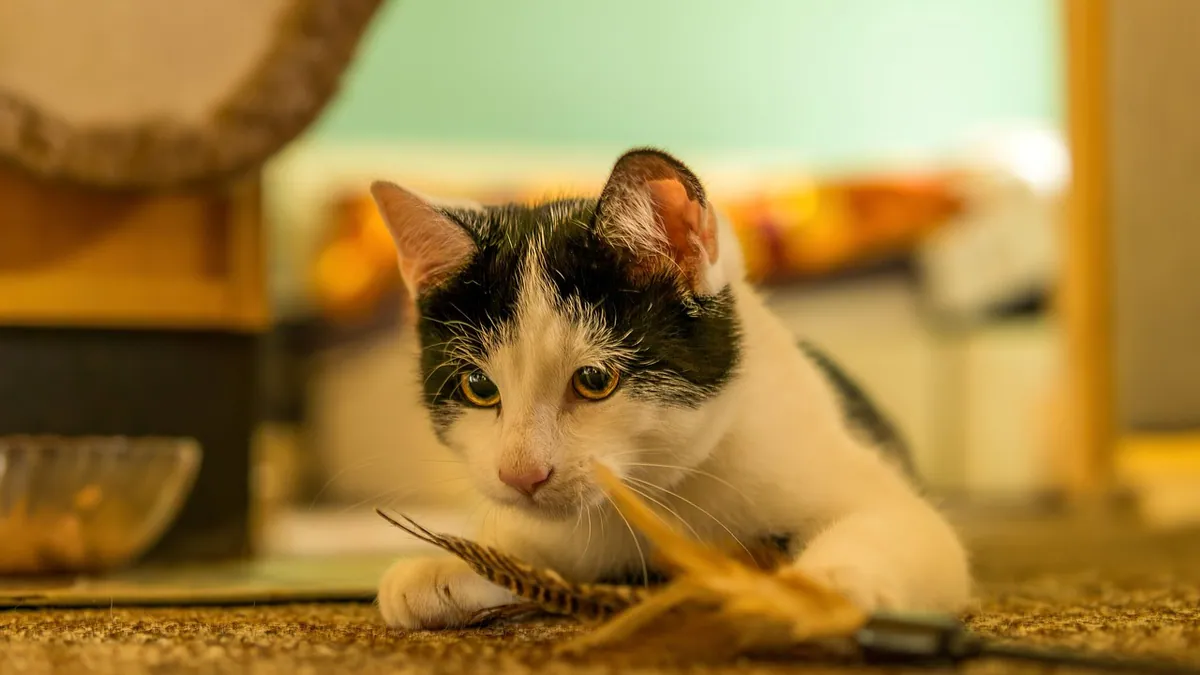
Sudden frantic running in kittens is usually normal play behavior, a burst of energy that mimics hunting and helps build coordination. Owners often ask why is my kitten running around like a maniac, and the honest answer is that most of the time, nothing is wrong at all. Kittens have short attention spans, fast metabolisms, and a strong drive to practice stalking, chasing, and pouncing.
This article is educational and is not a substitute for veterinary diagnosis or treatment.
Quick Answer
- Frantic running, often called the zoomies, is normal in kittens and usually happens after eating, after the litter box, or at dawn and dusk.
- Domestic cats are naturally most active at night, though many shift toward daytime activity when their environment changes [1].
- Meowing during these bursts often signals motivation, such as wanting food or play, not distress [2].
- A sudden change in an adult cat, especially with weight loss, appetite changes, or crying, needs a veterinary exam.
- Daily interactive play, puzzle feeders, and a predictable routine reduce most wild running episodes.
Normal Reasons a Kitten Runs Around Like a Maniac
Kittens are built to practice hunting. In the wild, a young cat would spend hours stalking, chasing, and pouncing on small prey. Indoor life removes most of that outlet, so the energy comes out as sprinting across the living room, scaling the couch, and skidding around corners.
The zoomies are a real behavior pattern
Vets and behaviorists call these bursts of activity "zoomies" or frenetic random activity periods. They are brief, intense, and usually harmless. A kitten may tear around for two to five minutes, then stop abruptly and groom or nap as if nothing happened.
Cats are naturally more active at night
Motion-activated camera research in the Houston area found that domestic cats were primarily nocturnal at sites where no bobcats were present, and they shifted to more daytime activity when bobcats overlapped their territory [1]. That study looked at outdoor cats, but it shows how flexible feline activity patterns are. Your indoor kitten may be wired to be busiest at dusk and dawn, which is when owners often see the wildest running.
Play and feeding drive the behavior
A study of cat vocalizations found that cats meowed significantly more when they could see and smell food but could not reach it, compared with a toy they could not reach [2]. That tells you something useful. If your kitten runs around and meows at the same time, she may be telling you she is hungry or wants interaction, not that something is wrong.
Boredom and stored energy
A kitten with no outlet for stalking and chasing will find one. That outlet might be your ankles, your curtains, or a 3 a.m. sprint across your bed. The behavior is not spite. It is a need that has not been met.
Why Is My Cat Running Around Like a Maniac and Meowing?
When running comes with meowing, owners worry more. In most cases, the meowing is communication, not pain.
Hunger and anticipation
Cats meow more in highly motivating contexts, especially around feeding [2]. If your cat runs to the kitchen, meows, and circles the bowl area, she is asking for food. If this happens at the same time every day, it is a routine, not a crisis.
Play solicitation
A cat who runs past you, stops, looks back, and meows is often inviting you to chase or play. This is normal social behavior. Kittens learn early that meowing gets a human response.
Stress or frustration
If the running and meowing happen after a change (a new pet, a move, a new baby, a schedule shift), stress is possible. Cats who are anxious may pace, vocalize, and seem unable to settle. If your cat is also hiding, see Why Is My Cat Suddenly Hiding and Acting Weird?. If she is clingy instead, Why Is My Cat Suddenly Clingy? covers that pattern.
Pain or discomfort
A cat in pain may pace, cry, and be unable to rest. This is more common in older cats, but kittens can have injuries, intestinal problems, or urinary issues. If the behavior is new, intense, and paired with crying, a vet visit is the right next step.
Medical Causes to Rule Out
Most frantic running in kittens is behavioral. Still, some medical conditions can look like restlessness.
Hyperthyroidism
This is a disease of older cats, not kittens. It causes weight loss, increased appetite, vocalizing, and night activity. If your cat is middle-aged or older and suddenly runs around and yowls, ask your vet to check thyroid levels.
Pain
Dental pain, arthritis, abdominal pain, and injuries can all make a cat restless. A cat who cannot get comfortable may pace, run, and cry. Watch for limping, hiding, changes in appetite, or sensitivity to touch.
Urinary or digestive problems
A cat with a urinary blockage or severe constipation may pace and vocalize. These are emergencies. If your cat is straining in the litter box, crying, or producing no urine, call a veterinarian right away.
Neurologic or sensory issues
Rarely, seizures, vision changes, or cognitive problems can cause sudden running. These usually come with other signs, such as disorientation, head pressing, or unsteady walking.
Parasites and skin irritation
Fleas and other parasites can make a cat frantic. If your kitten is scratching, biting at her skin, or running as if something is on her, check for fleas and talk to your vet about prevention.
When Does the Behavior Become a Problem?
Running is a problem when it affects health, safety, or quality of life.
Signs it is no longer normal play
- The running is constant and the cat cannot settle.
- Your cat cries or vocalizes in a way that sounds distressed.
- The behavior starts suddenly in an adult cat with no history of zoomies.
- Your cat is losing weight, eating less, or vomiting.
- The running happens with hiding, aggression, or litter box changes.
- Your cat is injuring herself or destroying the home.
Aggression during play
Some kittens switch from play to real aggression. If your cat is attacking hands, ankles, or other pets with flattened ears and hissing, that is different from zoomies. See Cat Sudden Aggression: What Could It Mean? for a closer look.
Scratching and household damage
Undesirable scratching is a common complaint. A large survey of 1,211 cats found that factors such as the presence of a child in the home, play duration, and other environmental elements were associated with more scratching episodes [3]. That means scratching and wild running often share the same root cause: unmet play and environmental needs.
Pacing that does not stop
If your cat paces and meows without settling, it may be anxiety or a medical issue. Why Is My Cat Pacing and Meowing? Anxiety or Medical Issue? walks through the difference.
What to Do Step by Step
You can channel most of this energy without punishment or medication.
Step 1: Add structured play sessions
Play with your kitten using a wand toy for 10 to 15 minutes, two to three times a day. Mimic prey: move the toy like a mouse or bird, let your cat stalk, then let her catch it. End with a successful catch so she feels satisfied.
Step 2: Feed after play
A hunt, catch, and eat sequence matches a cat's natural rhythm. After a play session, offer a meal or a small portion. This can help her settle instead of launching into another sprint.
Step 3: Use puzzle feeders
Food puzzles make your cat work for kibble. This burns mental energy and slows eating. Start easy and increase difficulty as your kitten learns.
Step 4: Build a cat-friendly environment
Add vertical space such as cat trees and shelves. Provide scratching posts. Rotate toys so they stay interesting. A bored cat with nothing to climb will use your furniture instead.
Step 5: Keep a routine
Cats thrive on predictability. Feed, play, and clean the litter box at similar times each day. A stable routine reduces stress-driven running.
Step 6: Schedule a pre-bedtime play session
If your kitten wakes you at night, try a longer play session right before your bedtime. Follow it with a meal. This can shift her active period earlier.
Step 7: Rule out medical causes
If the behavior is new, intense, or paired with other signs, book a veterinary exam. Your vet will decide what testing is needed. Do not give any medication without veterinary guidance. A veterinarian calculates doses from your pet's weight and health.
What Not to Do
Punishment does not work for cats and can make behavior worse.
Do not yell or spray water
Cats do not connect punishment to the behavior you dislike. They connect it to you. This can create fear and hiding. If your cat is already afraid, see Why Is My Cat Suddenly Afraid of Me?.
Do not lock your kitten in a small room
Confinement without enrichment increases frustration. It can lead to more vocalizing, scratching, and stress.
Do not use your hands as toys
Hand play teaches kittens that biting hands is acceptable. It is hard to unlearn. Always use toys.
Do not assume it is always normal
Zoomies are normal. Sudden, constant, or distressed running is not. If something feels off, get it checked.
Do not skip the litter box check
A cat who runs around and meows may be trying to tell you something about the litter box. Straining, crying, or frequent trips are red flags for urinary problems.
When to Involve a Veterinarian or Behavior Professional
Call your veterinarian if the running is new, if your cat is losing weight, if she is crying in a way that seems painful, or if she cannot settle. A certified behavior professional can help if the behavior is driven by anxiety, aggression, or environmental stress.
Same-day visit
- Your cat is straining to urinate or cannot urinate.
- She is crying continuously and cannot rest.
- She is vomiting, has diarrhea, or refuses food.
- She is limping or showing signs of pain.
- The behavior started suddenly in an adult cat.
Emergency now
- Your cat is open-mouth breathing or gasping.
- She is collapsed, unresponsive, or having a seizure.
- She has swallowed a foreign object or toxin.
- She is bleeding or has a suspected fracture.
For poison emergencies in the United States, call the ASPCA Animal Poison Control Center at (888) 426-4435 or the Pet Poison Helpline at (855) 764-7661.
Routine visit
- The behavior has been going on for weeks.
- Your cat is losing weight despite a good appetite.
- She is scratching herself raw.
- You see changes in thirst, urination, or appetite.
- You want help with behavior modification.
Limitations and When to Contact a Veterinarian
This article cannot diagnose your cat. Every cat is an individual, and the same behavior can have different causes in different animals. A veterinarian who examines your cat can sort out normal play from a medical problem.
Contact your veterinarian the same day if your cat is straining in the litter box, crying in pain, vomiting, or refusing food. Go to an emergency clinic now if your cat is having trouble breathing, is collapsed, or has eaten something toxic. Schedule a routine visit if the behavior is ongoing, if your cat is losing weight, or if you need help with behavior and enrichment.
Frequently Asked Questions
Is it normal for a kitten to run around like a maniac?
Yes, it is normal for most kittens. Frantic running is a burst of play energy that mimics hunting and helps kittens build coordination. It usually lasts a few minutes and stops on its own.
Why does my cat run around and meow at night?
Night activity is common because cats are naturally more active in low light. Meowing often signals hunger, boredom, or a request for play. A pre-bedtime play session and a meal can help shift the behavior earlier.
Can hyperthyroidism cause a cat to run around like a maniac?
Yes, hyperthyroidism can cause restlessness, vocalizing, and night activity. It is much more common in older cats than in kittens. If your cat is middle-aged or older and suddenly restless, ask your vet about thyroid testing.
Should I punish my kitten for running around?
No. Punishment does not teach cats what you want and can cause fear and stress. Redirect the energy with toys, puzzle feeders, and a predictable routine instead.
When should I call the vet about my cat's running?
Call your vet if the running is new, constant, or paired with crying, weight loss, appetite changes, or litter box problems. Call right away if your cat is straining to urinate, cannot urinate, or seems to be in pain.
Related Articles
- Why Is My Cat Suddenly Hiding and Acting Weird?
- Why Is My Cat Suddenly Clingy?
- Why Is My Cat Suddenly Afraid of Me?
- Cat Sudden Aggression: What Could It Mean?
- Why Is My Cat Pacing and Meowing? Anxiety or Medical Issue?
- Why Is My Cat Suddenly Aggressive? Medical Causes to Rule Out
- Why Does My Kitten Run Around So Much?
- Why Is My Kitten So Hyper and Acting Crazy?
- Is It Normal for Kittens to Act Crazy? Zoomies Explained
References
- Diel Activity Patterns of Bobcats and Domestic Cats in the Houston Metropolitan Area. microPublication biology, 2026.
- Vocal signals produced by the domestic cat (Felis silvestris catus) in highly motivating contexts. Journal of comparative psychology (Washington, D.C. : 1983), 2026.
- Evaluating undesired scratching in domestic cats: a multifactorial approach to understand risk factors. Frontiers in veterinary science, 2024.