How Long Do Puppies Act Crazy?
By Dr. Zubair Khalid, DVM, MS, PhD ·
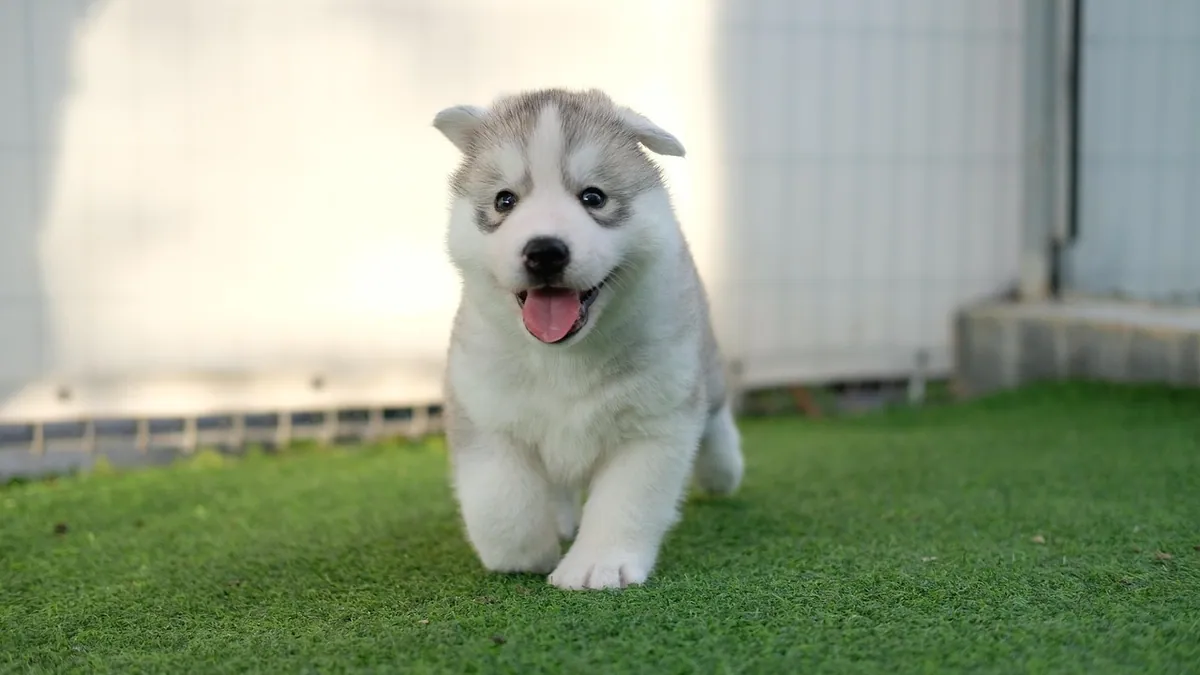
Puppies usually act crazy for the first 6 to 12 months of life, with the most intense wildness showing up between 3 and 8 months. If you are wondering how long do puppies act crazy, the honest answer is that some version of this behavior is normal well into your dog's first year. Most puppies settle into a calmer adult pattern somewhere between 12 and 24 months, depending on breed, size, and training.
This article is educational and is not a substitute for veterinary diagnosis or treatment.
Quick Answer
- Expect the wildest behavior between 3 and 8 months, when teething, rapid growth, and short attention spans collide.
- Fearfulness tends to drop and curiosity tends to rise across the early weeks, so some "crazy" behavior is simply normal development [1].
- Puppies under 6 months already form attachment behavior toward their owners, which means they are not being defiant when they act wild [2].
- Most puppies show real improvement by 6 to 12 months, with full adult calmness often arriving between 12 and 24 months.
- Daily exercise, chew outlets, short training sessions, and a predictable routine do more for wild behavior than waiting it out.
Why Puppies Act Wild: Normal Reasons First
Puppies are not miniature adult dogs. Their brains and bodies are still under construction, and a lot of what looks like misbehavior is normal development.
Their brains are still wiring up
A puppy's ability to focus, control impulses, and read social cues is limited by age. In one study of puppy development, researchers tracked behavior at 5, 6, and 8 weeks of age and found curiosity and comfort scores rose across those weeks while fearfulness dropped [1]. That pattern continues for months. Your puppy is exploring the world with a brain that is not finished yet.
Teething and mouthing
Between roughly 3 and 7 months, puppies lose baby teeth and grow adult teeth. Chewing relieves gum discomfort, so puppies mouth hands, furniture, shoes, and anything else within reach. This is one of the biggest drivers of "crazy" behavior in the 4 to 6 month range.
Growth spurts and changing bodies
Large breed puppies can grow several pounds a month. A body that changes that fast feels unfamiliar, and puppies often respond with clumsy, high-energy bursts. This is also why a puppy who was calm last week may suddenly seem out of control.
Zoomies are normal
Puppy zoomies, those sudden sprints around the room or yard, are a common release of stored energy. They often happen in the evening, after a bath, or after a long nap. Zoomies usually last a few minutes and stop on their own. If your puppy is safe and not hurting anything, you can let them run.
Social and emotional development
Puppies are learning how to live with humans. Attachment behavior toward owners is already present in puppies under 6 months of age [2]. That means your puppy is bonded to you, even when they are biting your shoelaces. The wild behavior is not a sign that the bond is broken.
Medical Causes to Rule Out
Sometimes wild behavior is not just puppy energy. A veterinarian can check for physical reasons first.
Pain and discomfort
Dental pain, ear infections, intestinal parasites, and orthopedic problems can all make a puppy restless, mouthy, or hard to settle. A puppy who suddenly becomes wilder, especially with changes in appetite, sleep, or bathroom habits, needs a veterinary exam.
Attention-deficit/hyperactivity-like behavior
Some dogs show a pattern of impulsivity, attention problems, and hyperactivity that goes beyond normal puppy energy. This is sometimes described as an ADHD-like syndrome, and it involves a mix of genetics and environment [3]. Dogs with this pattern may also show compulsive behaviors, aggression, inappropriate elimination, or fearfulness [3]. This is not something you can diagnose at home. A veterinarian or veterinary behaviorist evaluates the full picture.
Hormones and reproductive status
Intact dogs can show behavior changes tied to hormones. If your female puppy has not been spayed, learn what is normal by reading How Long Does A Dog Period Last. If you are managing a pregnant dog or planning a breeding, How Long Do Dogs Stay Pregnant covers the timeline.
Pain from teething versus injury
Teething discomfort is normal. Limping, yelping when touched, or refusing to eat is not. Those signs point to a veterinary visit.
When Puppy Wildness Becomes a Problem
Wild behavior crosses into a problem when it affects safety, health, or daily life.
Biting that breaks skin
Puppy mouthing is normal. Biting that breaks skin, targets children, or happens during guarding is different. Aggression has many causes, including fear, and fearful dogs may act aggressively when they cannot escape, such as when leashed, cornered, or held [4]. A puppy who bites hard and does not respond to redirection needs professional help.
Destruction and self-injury
Chewing is normal. Chewing through walls, swallowing foreign objects, or injuring paws and mouth is not. Foreign body ingestion is listed among problems that can occur alongside ADHD-like behavior in dogs [3].
Aggression toward people or other animals
Growling, snapping, and biting that go beyond play need attention. Fear is behind most aggression, and dogs can learn that aggression works to remove a threat [4]. The earlier you address this, the better the outcome.
Behavior that does not improve with age
Most puppies get calmer with time and training. A dog who is still wildly impulsive at 18 months despite consistent training may need a professional evaluation.
What to Do: A Step-by-Step Plan
You cannot train away puppyhood, but you can shape it. Here is a practical order of operations.
Step 1: Meet basic needs every day
- Exercise matched to age and breed. A tired puppy is a calmer puppy, but do not overdo it with growing joints.
- Chew outlets. Rotate safe chews and frozen toys, especially during teething.
- Sleep. Puppies need a lot of rest. Overtired puppies act wilder, not sleepier.
- Meals on a schedule. Predictability lowers arousal.
Step 2: Train in short, frequent sessions
Five minutes, several times a day, beats one long session. Teach sit, settle, come, leave it, and a mat or place cue. Reward calm behavior the moment it happens. If your puppy lies quietly while you cook, mark it and reward it.
Step 3: Use enrichment to drain mental energy
Sniffing, puzzle feeders, and supervised exploration tire a puppy's brain. Mental work often calms a puppy more than extra running. This matters during the socialization window, which is covered in Weaning Puppies 3-8 Weeks: Gruel Transition and Socialization Window.
Step 4: Manage the environment
Use baby gates, crates, and tethers so your puppy cannot practice bad habits. Every successful chew of a shoe teaches your puppy that shoes are toys. Prevention is faster than correction.
Step 5: Build a calm routine
Feed, walk, train, and rest at similar times each day. Predictable structure lowers arousal and helps your puppy learn what comes next.
Step 6: Track progress
Write down wild episodes for two weeks. Note the time, what happened before, and how long it lasted. Patterns often show up, such as evening zoomies after a boring day. Bring these notes to your veterinarian if you need help.
What Not to Do
Some common responses make wild puppy behavior worse.
Do not punish fear or confusion
Punishment can create fear and damage trust. Fearful dogs may become aggressive when they cannot escape, and punishment is one factor that can contribute to fear aggression [4]. Yelling, hitting, or alpha rolling a puppy does not teach the behavior you want.
Do not use the "they will grow out of it" myth as a plan
Most puppies do calm down with age, but the ones who receive training and structure calm down sooner and with fewer bad habits. Waiting it out often means living with a bigger, stronger version of the same behavior.
Do not rely on crating all day
Crates are management tools, not exercise substitutes. A puppy who is crated too long will explode with energy when released.
Do not skip socialization because your puppy is wild
Controlled, positive exposure to new people, places, and sounds during the first months builds a more confident adult dog. Fearfulness decreases across early development when puppies get safe exposure [1].
Do not assume every wild puppy has a disorder
ADHD-like behavior in dogs is a real but specific pattern that includes impulsivity, attention problems, and hyperactivity, and it is diagnosed by professionals, not by owners [3]. Most wild puppies are simply puppies.
When to Involve a Veterinarian or Certified Behavior Professional
Call your veterinarian if your puppy's behavior is injuring people or animals, if your puppy cannot settle even with exercise and enrichment, or if you feel overwhelmed. A veterinarian can rule out pain and medical causes and may refer you to a veterinary behaviorist or certified trainer.
For general puppy behavior concerns, Puppy Behavior Problems is a useful starting point. Training experience matters too. In adult dogs, more training experience was linked to lower attachment and anxiety scores in one study, which suggests that structured training shapes behavior over time [2].
Limitations and When to Contact a Veterinarian
This article gives general guidance. Individual cases need a veterinarian who can examine your puppy and review the full history.
Contact your veterinarian the same day if your puppy:
- Bites a person hard enough to break skin
- Shows sudden behavior changes with vomiting, diarrhea, or refusing food
- Cannot walk or stand normally
- Seems painful when touched or picked up
Go to an emergency clinic now if your puppy:
- Swallows a foreign object, toy, or large piece of chew
- Has a swollen, painful abdomen
- Collapses, has a seizure, or has trouble breathing
- Is bleeding and will not stop
Schedule a routine visit if your puppy:
- Is not improving with consistent training after several weeks
- Shows aggression toward family members
- Has compulsive behaviors such as spinning, tail chasing, or flank sucking
- Has not been examined since you adopted them
Frequently Asked Questions
How long do puppies misbehave?
Most puppies misbehave in some form until they are 6 to 12 months old, with the worst period between 3 and 8 months. Full adult behavior usually appears between 12 and 24 months. Breed, size, training, and daily routine all change the timeline.
How long do puppies act like puppies?
Puppies act like puppies for most of their first year. Attachment behavior is already present before 6 months of age, so the bond is forming even while the wild behavior continues [2]. Social maturity, which is when a dog truly acts like an adult, often arrives between 1 and 3 years depending on breed.
What age do puppy zoomies stop?
Zoomies usually become less frequent as puppies mature, often fading between 6 and 12 months. Some dogs keep having short zoomies for life, especially after baths or exciting events. Occasional zoomies in an adult dog are normal and not a behavior problem.
When do puppies calm down?
Most puppies begin to calm down noticeably between 6 and 12 months, with further settling between 12 and 24 months. Training experience affects behavior in adulthood, so puppies in structured training programs often show calmer patterns sooner [2]. Spaying or neutering may also change some behavior, so discuss timing with your veterinarian.
Can a puppy be too hyper?
Yes. A puppy can be hyper in a way that goes beyond normal energy, especially if there is impulsivity, attention problems, and hyperactivity that interfere with daily life [3]. Dogs with this pattern may also show compulsive behaviors, aggression, or fearfulness [3]. If your puppy cannot settle even with exercise, enrichment, and rest, ask your veterinarian for an evaluation.
Related Articles
- How Long Does A Dog Period Last
- Weaning Puppies 3-8 Weeks: Gruel Transition and Socialization Window
- How Long Do Dogs Stay Pregnant
- Puppy Behavior Problems
- How Long Do Dog Periods Last
- How Long Does A Dogs Heat Last
- How Long Do Puppies Play? Playtime and Rest Needs
- When Do Dogs Outgrow the Puppy Stage?
- How Long Do Puppies Chew Everything? Teething Stage
References
- Tracking puppy development: automated analysis and qualitative behavioral assessment in repeated open field tests. Veterinary research communications, 2024.
- Human-analogue age-related dynamics of dog-human attachment. GeroScience, 2026.
- New Advances in Attention-Deficit/Hyperactivity Disorder-like Dogs. Animals : an open access journal from MDPI, 2024.
- Behavior Problems in Dogs - Dog Owners. Merck Veterinary Manual.