How Long Can a Cat Purr? Duration and Meaning
By Dr. Zubair Khalid, DVM, MS, PhD ·
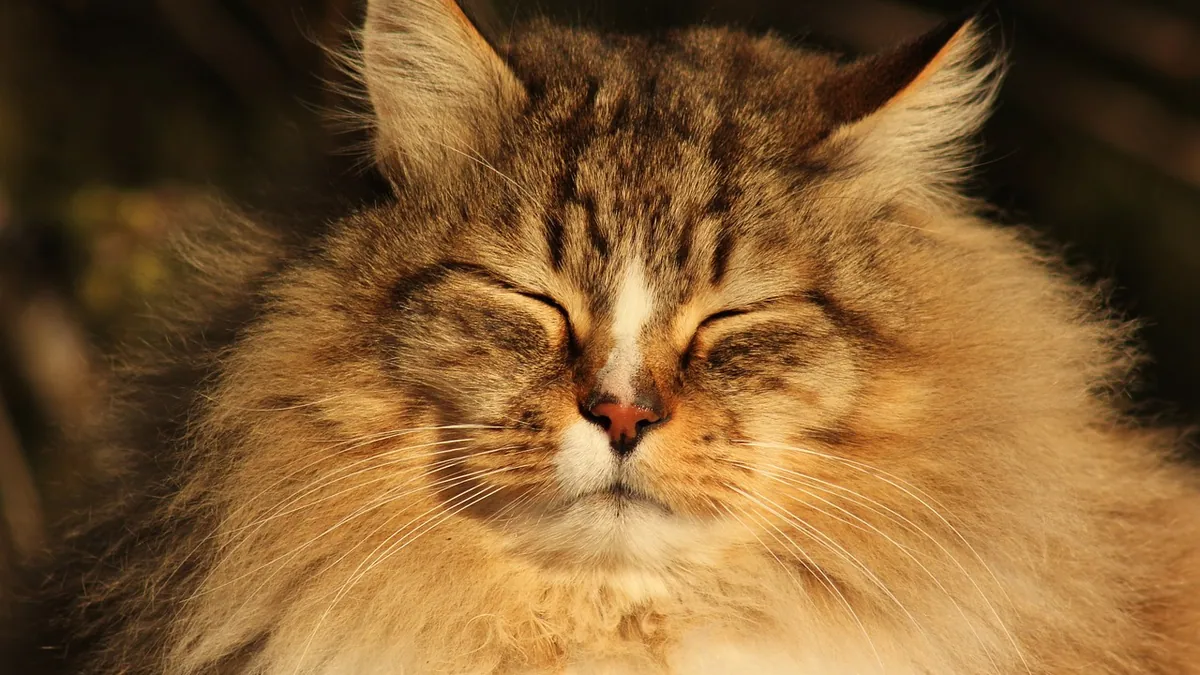
Most cats can purr for hours at a time, and some keep a low rumble going almost nonstop while they rest, nurse kittens, or settle in next to you. There is no fixed cutoff for how long a cat can purr without stopping, because purring is driven by airflow through the larynx instead of by a muscle that tires out. What matters more than the clock is the context, since purring can mean comfort, a request for care, or pain.
This article is educational and is not a substitute for veterinary diagnosis or treatment.
Quick Answer
- Purring is a low, pulsed vibration produced as air moves across tissues in the larynx, and it can continue for hours during rest or sleep.
- A cat can purr while eating, nursing, giving birth, injured, or frightened, so duration alone does not tell you how the cat feels.
- Purring is common in the exam room. In one study of 582 cats, 8.8% were purring during their physical examination [1].
- A simple, fear-free handling technique stopped purring in 89% of cats so a veterinarian could listen to the heart clearly [1].
- If purring comes with hiding, appetite loss, fast breathing, or crying, treat it as a possible sign of pain or stress and call your veterinarian.
Why Cats Purr: Normal Reasons First
Purring starts early. Kittens purr within days of birth, often while nursing, and the vibration may help them stay in contact with their mother. Adult cats purr in many calm situations, including:
- Greeting you at the door
- Kneading a blanket or your lap
- Settling down to sleep
- Being brushed or petted in a spot they enjoy
- Resting near another cat they trust
For a long time, researchers believed purring required constant muscle contractions in the larynx driven by the nervous system. Newer work changed that view. When scientists removed larynges from eight domestic cats and passed air through them, all eight produced self-sustaining vibrations at typical purring rates, without any nerve input at all [2]. Histology showed connective tissue pads in the vocal folds that help create the sound [2]. This finding supports the idea that purring can happen passively, without a neural oscillator controlling every pulse [3].
That passive mechanism helps explain why cats can purr for so long. The sound does not depend on a muscle that fatigues the way your calf muscle does when you hold a plank. As long as the cat is breathing and the airway is open, the purr can keep going.
Purring also happens in situations that are not relaxed. Cats purr during labor, after surgery, while injured, and when they are anxious at the vet. This is one reason purring is a poor stand-alone sign of wellbeing.
Purring and the Vet Visit
Purring can be a real problem during a physical exam. The purr is often louder than heart sounds and murmurs, which makes listening to the heart with a stethoscope nearly impossible [1]. In the 582-cat study, 8.8% of cats were purring during their exam [1]. The researchers tested a cat-friendly method: gently grasping the larynx from the underside with one hand while holding the stethoscope with the other. The method stopped purring in 89% of cats, and a veterinary student was just as successful as an experienced cardiology specialist [1]. No fear or force was needed.
If your cat purrs through every vet visit, mention it when you book the appointment. Your veterinarian may use a similar technique or ask you to wait a few minutes in a quiet room before the exam.
Medical Causes to Rule Out
Purring is not a symptom on its own. It becomes medically relevant when it appears with other changes. The key question is not "how long can a cat purr at one time" but "what else is going on."
Pain or Discomfort
Cats often purr when they hurt. Dental disease, arthritis, abdominal pain, and urinary blockage can all come with purring. A cat with a blocked urethra may purr while straining in the litter box, which owners sometimes mistake for contentment. If your cat is visiting the box often, crying, or producing little or no urine, that is an emergency. Our guides on how long a cat can go without peeing or pooping and how many days a cat can go without peeing explain the timeline in detail.
Stress and Anxiety
Purring can be a coping behavior. Cats in shelters, at shows, or in a new home may purr while tense. A study of 34 cats measured cortisol in hair as a marker of long-term stress. Cats that showed isolation and excessive vocalization had higher cortisol levels, while the guardians' own ratings of stress did not match the hormone data [4]. In other words, owners can miss the signs. Watch the body language, not just the sound. Flattened ears, a tucked tail, dilated pupils, and a crouched posture tell you more than the purr does.
Respiratory or Heart Disease
Because purring involves airflow through the larynx, a cat with trouble breathing may still purr. Labored breathing, open-mouth breathing, or a blue tint to the gums needs immediate care. Purring can also mask a heart murmur during auscultation, which is why the stopping technique matters [1].
Hormonal Conditions
Rarely, a spayed cat shows cycling behavior such as rolling, lordosis, and loud vocalization. One case report described a 2.5-year-old spayed cat with these signs every three weeks, eventually traced to a 2 mm piece of ovarian tissue left behind after spay surgery [5]. This is uncommon, but it is a reminder that behavior changes in a spayed cat deserve a workup.
When Purring Becomes a Problem
Purring is only a problem when it interferes with care or when it hides a medical issue.
- It blocks heart auscultation at the vet [1].
- It accompanies signs of pain, such as limping, drooling, or refusing food.
- It comes with breathing changes, especially at rest.
- It happens with pacing, yowling, or litter box trips that produce nothing.
- It never stops, even during sleep, and your cat seems restless or unable to settle.
If any of these fit, the purr is a clue, not a comfort.
What to Do Step by Step
1. Watch the Whole Cat
Note posture, appetite, water intake, litter box habits, grooming, and how your cat moves. A cat that purrs while jumping onto the counter is likely fine. A cat that purrs while hiding under the bed and skipping meals is not.
2. Track the Pattern
Write down when the purring happens, how long it lasts, and what else you see. A simple phone note works. Bring it to your vet visit. Patterns over days are more useful than a single observation.
3. Lower Stress at Home
Indoor cats do well when their environment meets their needs. The cortisol study found that indoor cats with more resources (litter boxes, hiding places, vertical spaces, and predatory play) tended to have low stress markers, and indoor and outdoor cats had similar average cortisol levels [4]. Practical steps:
- Add at least one more litter box than you have cats, in quiet spots.
- Offer tall cat trees, shelves, or window perches.
- Provide boxes, tunnels, and covered beds for hiding.
- Set aside two short play sessions a day with a wand toy.
- Keep food, water, and litter areas separate.
4. Make Vet Visits Easier
Bring your cat in a carrier with a familiar blanket. Ask for a cat-friendly appointment time if your clinic offers one. If purring blocks the heart exam, your vet can use the larynx technique, which worked in 89% of cats without fear or force [1].
5. Address Pain Early
If you suspect pain, do not wait. Dental pain, arthritis, and urinary issues all respond better when treated early. Your veterinarian will examine your cat and decide on testing and treatment. Any medication dose is calculated from your cat's weight and health, so never give human pain relievers, which can be toxic to cats.
What Not to Do
- Do not punish purring. It is not a behavior problem, and punishment adds stress.
- Do not assume a purring cat is healthy. Purring can occur with pain, fear, and illness.
- Do not use purring as a pain scale. It tells you nothing about severity.
- Do not give human medications. Many are toxic to cats, and dosing must come from your veterinarian.
- Do not skip a vet visit because your cat "seems happy." Trust the full picture.
- Do not believe the myth that purring always means healing. There is no good evidence that purring repairs tissue in cats. It may support social contact and self-soothing, but that is different from a medical treatment.
When to Involve a Veterinarian or Behavior Professional
Call your veterinarian if purring comes with any change in eating, drinking, urinating, defecating, breathing, or activity. Book a routine visit for gradual changes such as weight loss, hiding, or new vocalization. Seek emergency care right away for open-mouth breathing, straining to urinate with no urine produced, collapse, seizures, or a cat that cannot be roused.
If your cat is healthy but shows fear, aggression, or constant anxiety, ask your veterinarian about a certified behavior professional. A veterinary behaviorist can assess both medical and behavioral causes. For more on urinary emergencies, see our articles on how long a house cat can go without peeing and how long a male cat can go without peeing.
Limitations and When to Contact a Veterinarian
No article can tell you what your individual cat's purring means. Your veterinarian needs to examine your cat, ask about the history, and possibly run tests. Contact a vet the same day if you see vomiting, diarrhea, limping, drooling, bad breath, or a sudden change in grooming. Go to an emergency clinic now for trouble breathing, a distended belly, repeated unproductive litter box trips, pale gums, or collapse. Schedule a routine visit for slow changes such as weight loss, hiding, or a purr that seems new and constant. When in doubt, call. A short phone conversation can save you worry and get your cat care faster.
Frequently Asked Questions
Can a cat purr while sleeping?
Yes. Because purring can occur passively as air moves across the larynx, many cats keep a soft purr going while they doze [2]. A sleeping purr is usually a good sign, as long as your cat wakes easily and behaves normally when awake.
Does purring always mean my cat is happy?
No. Cats also purr when they are anxious, in pain, or giving birth. Look at the rest of the body: relaxed ears, soft eyes, and a loose tail suggest comfort, while flattened ears and a crouched posture suggest stress.
Why does my cat purr at the vet?
Vet visits are stressful, and purring can be a coping response. It also interferes with listening to the heart, which is why a fear-free handling method was developed to pause the purr during exams [1].
Can purring hide a serious illness?
It can make illness harder to spot, especially heart murmurs and pain. If your cat purrs constantly and also eats less, hides, or breathes fast, that combination deserves a veterinary exam.
Is it normal for a spayed cat to purr and yowl in cycles?
Cycling behavior in a spayed cat is not typical and should be checked. A case report described a spayed cat with repeated estrus-like behavior caused by a tiny piece of ovarian tissue left after surgery [5]. Your veterinarian can decide what testing is needed.
Related Articles
- How Long Can A Cat Go Without Peeing Or Pooping
- How Many Days Can A Cat Go Without Peeing
- How Long Can A House Cat Go Without Peeing
- How Long Can A Male Cat Go Without Peeing
- How Long Can A Cat Live Without Peeing
- Cat Not Pooping: How Long Is Too Long?
- How and Why Cats Purr: What the Science Says
- Why Does My Cat Not Purr? Is It Normal?
- How Long Can a Cat Cold Last? Feline URI Duration
References
- A New, Easy-to-Learn, Fear-Free Method to Stop Purring During Cardiac Auscultation in Cats. Animals : an open access journal from MDPI, 2025.
- Domestic cat larynges can produce purring frequencies without neural input. Current biology : CB, 2023.
- Vocal communication: The enigmatic production of low-frequency purrs in cats. Current biology : CB, 2023.
- Stress in Indoor and Outdoor Cats: Association between Hair Cortisol Levels, Housing Style, and Guardians' Perceptions of Behavior. Journal of applied animal welfare science : JAAWS, 2026.
- Ovarian remnant syndrome in a 2-year-old cat with inconclusive diagnostics. JFMS open reports, 2026.