Do Kittens Purr? Why and How Cats Purr
By Dr. Zubair Khalid, DVM, MS, PhD ·
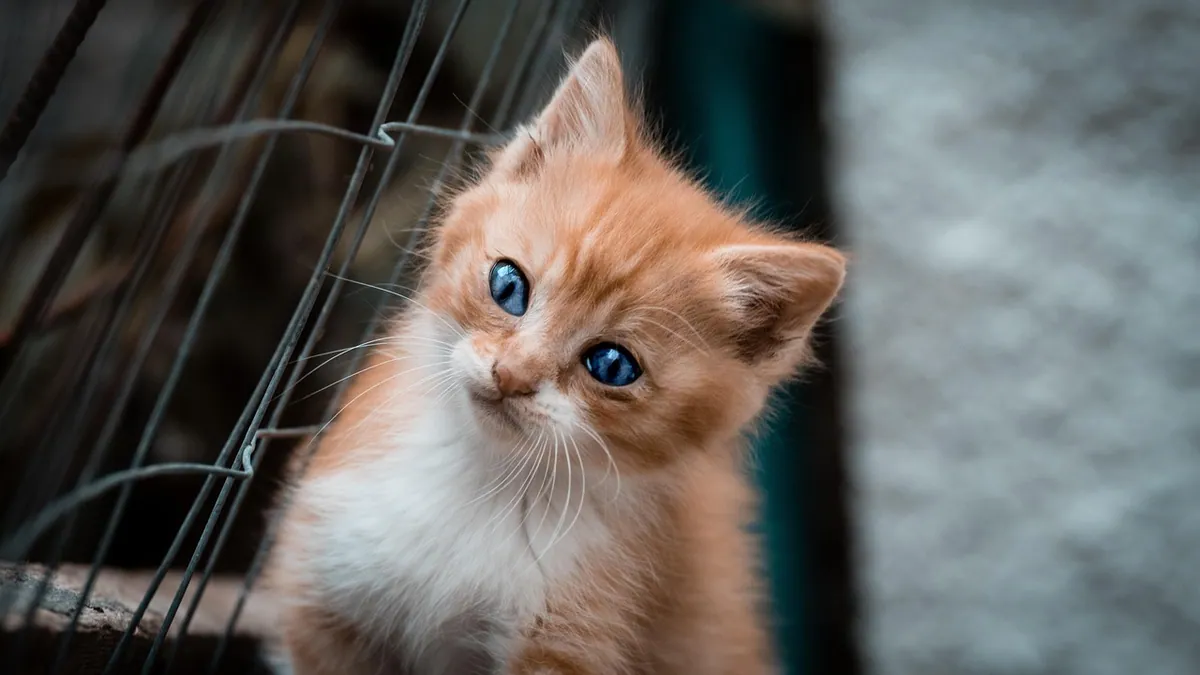
Do kittens purr? Yes. Most kittens purr within the first few days of life, often before their eyes open. Purring is one of the earliest sounds a kitten makes, and it serves different purposes at different ages.
This article is educational and is not a substitute for veterinary diagnosis or treatment.
Quick Answer
- Kittens can purr within days of birth, and many purr while nursing.
- Purring is produced by airflow through tissues in the larynx, and a recent study found that cat larynges can vibrate at purring frequencies without any nerve input at all [1].
- Purring usually means comfort, but cats also purr when stressed, in pain, or seeking contact.
- A kitten that purrs nonstop is not automatically healthy. Check appetite, energy, breathing, and weight gain.
- If purring stops suddenly in a young kitten, or if it comes with crying, poor feeding, or labored breathing, call your veterinarian.
How Do Cats Purr and Why?
Purring is a low, pulsed vibration, usually in the range of 20 to 30 cycles per second. For decades, the leading explanation was that cats actively contract their laryngeal muscles at that same rapid rate, driven by signals from the brain [1].
That explanation has now been challenged. Researchers removed larynges from eight domestic cats and mounted them in a laboratory setup. All eight produced self-sustaining vibrations at typical purring rates, even with no nerve or muscle activity [1]. The tissue itself, including pads of connective tissue up to 4 millimeters thick in the vocal folds, appears to be built to vibrate when air passes over it [1]. A companion review described purring as a rare exception to the standard theory of how mammals make sound, and noted that purring can happen passively, without a separate neural oscillator driving the larynx [2].
In plain terms, your cat does not have to "decide" to purr muscle by muscle. The anatomy does much of the work. Air moving in and out over those tissues creates the buzz you feel through your hand.
What Do Cats Use to Purr?
Cats use the larynx (voice box) and the airflow from the lungs. The vibration comes from tissues inside the larynx, not from the diaphragm or chest wall. That is why you can feel purring when you rest a hand on the throat or chest, and why the sound continues through both breathing in and breathing out.
When Do Kittens Start Purring?
Kittens start purring very early, often within the first two days of life. At that age, purring appears to help the kitten and mother stay in contact, and many kittens purr while nursing. Because purring does not require active muscle control in the way scientists once assumed, a very young kitten can produce it without much coordination [2][1].
Do Kittens Purr a Lot?
Yes, many kittens purr a lot, especially in the first weeks and months. Frequent purring in a kitten that is eating, gaining weight, playing, and sleeping normally is a good sign. Purring is also a social signal, and early positive experiences shape how a cat relates to people later in life. In a survey of 2,238 U.S. cat owners, most had not heard of formal kitten socialization programs, and about half said they would be interested in enrolling in one [3]. Early handling and gentle contact are part of that picture, and purring often shows up alongside them.
Do Kittens Always Purr?
No. Kittens do not always purr, and a kitten that is quiet is not necessarily unhappy or sick. Some kittens purr mainly when nursing or being held. Others purr during play, and some barely purr at all as adults. Individual cats vary widely in how much they purr.
Why Cats Purr When They Are Not Content
Purring is not a single message. It is a behavior that shows up in several emotional states.
Purring for comfort and contact
This is the version most owners know. Your cat settles on your lap, kneads, and purrs. The sound and vibration signal that the cat feels safe and wants to stay close.
Purring for self-soothing
Cats often purr during veterinary visits, car rides, or after a scare. The purring does not mean the cat is relaxed. It may be a way to calm itself. In a study of 582 cats at a veterinary teaching hospital and a cat-friendly private practice, 8.8% were purring during their physical exam [4]. Those cats were in an unfamiliar, mildly stressful setting, which shows that purring and stress can occur together.
Purring when sick or in pain
Cats in pain sometimes purr. This is one reason purring can be misleading. A cat with an injury, dental pain, or an upset stomach may purr while hiding, refusing food, or sitting in a hunched position. Purring in that setting does not mean the cat feels well.
Purring and healing claims
You may have read that purring heals bones or lowers blood pressure in people. The vibration frequencies involved have been studied in the context of sound production, not as a proven therapy [2][1]. Treat claims about healing effects as unproven.
Medical Causes to Rule Out
Purring itself is not a disease. The concern is what purring might be covering up.
Respiratory and airway problems
If a kitten purrs constantly and also breathes with effort, breathes with an open mouth, or makes a wheezing sound, the airway needs attention. Purring can also make it hard for your veterinarian to listen to the heart. A 2025 study tested a fear-free method of gently grasping the larynx from below to stop purring during auscultation. It worked in 89% of cats, and a veterinary student was about as successful as an experienced cardiology specialist [4]. This matters because a loud purr can drown out heart sounds and murmurs [4].
Pain and dental disease
Kittens teethe, and adult cats commonly develop dental problems. A cat that purrs while drooling, chewing on one side, or dropping food may have mouth pain.
Gastrointestinal upset
Purring plus vomiting, diarrhea, or a swollen belly points to the digestive tract. If your kitten vomits undigested food repeatedly, see Cat Vomiting Undigested Food: Why It Happens and What to Do. Gas and bloating can also cause discomfort, covered in Why Does My Cat Have Gas?.
Parasites and skin disease
Itching, hair loss, and scabbing are not caused by purring, but a kitten that purrs while scratching constantly needs a skin check. See Why Is My Cat So Itchy?.
Upper respiratory infection
Sneezing, discharge, and congestion are common in kittens, especially from shelters. A congested kitten may purr less or sound different. See Why Is My Cat Sneezing So Much And Has A Runny Nose and Why Is My Cat Sneezing?.
Neurologic or developmental concerns
If a kitten never purrs, that alone is not a diagnosis. Some cats simply purr very little. Your veterinarian can assess development, weight gain, and behavior at a routine visit.
When Purring Becomes a Problem
Purring is rarely a behavior problem on its own. It becomes a concern in three situations.
First, when it hides illness. A cat that purrs while losing weight, hiding, or refusing food needs an exam.
Second, when it interferes with veterinary care. Loud purring can block heart sounds during auscultation, which is why the larynx technique was developed [4]. If your cat purrs through every exam, tell your veterinarian so they can plan around it.
Third, when it comes with distress behaviors. Pacing, excessive grooming, hiding, or aggression alongside purring suggests the cat is conflicted, not content.
What to Do Step by Step
1. Track the pattern
Write down when your kitten purrs and what happens before and after. Note appetite, stool, urine, play, and sleep. Patterns help your veterinarian more than a single observation.
2. Check the basics daily
Weigh your kitten weekly on a kitchen scale if you can. Kittens should gain steadily. A flat or falling weight is a reason to call your veterinarian.
3. Build a predictable environment
Kittens do best with routine. Feed at the same times, keep the litter box clean, and provide a quiet place to retreat. Early experiences have lasting effects on adult behavior and welfare, and breeders and owners both play a role in shaping those outcomes [5].
4. Socialize gently and often
Handle your kitten in short, calm sessions. Let the kitten approach you. A survey of U.S. cat owners found that most were unfamiliar with formal kitten socialization programs but many were open to them [3]. You do not need a formal program to do the basics. Invite different people to sit quietly with the kitten, and introduce new sounds and surfaces slowly.
5. Use play and enrichment
Interactive play, climbing spaces, and food puzzles give a kitten an outlet. A tired, well-stimulated kitten is easier to read, and purring becomes a clearer signal of comfort.
6. Schedule routine veterinary care
Kittens need a series of visits for vaccines, deworming, and weight checks. Your veterinarian sets the schedule and any doses based on your kitten's weight and health.
7. Handle purring during exams
If your cat purrs so loudly that the heart cannot be heard, ask your veterinarian about the larynx technique. It is simple, fear-free, and effective in most cats [4].
What Not to Do
Do not punish purring. It is not a behavior you need to correct, and punishment damages trust.
Do not assume purring means your cat feels fine. Purring can occur during stress and illness [4].
Do not assume a quiet kitten is sick. Some cats purr very little, and that can be normal.
Do not rely on purring as a pain scale. Watch posture, appetite, grooming, and activity instead.
Do not use purring to skip a veterinary visit. If something else has changed, the purring does not cancel it out.
Do not believe that purring heals injuries in cats or people. That claim is not supported by the sound-production research [2][1].
When to Call Your Veterinarian or a Behavior Professional
Call your veterinarian the same day if your kitten stops eating, has repeated vomiting or diarrhea, breathes with effort, or seems painful when handled.
Go to an emergency clinic now if your kitten has trouble breathing, is limp or unresponsive, has a distended abdomen, or cannot urinate.
Schedule a routine visit if your kitten is not gaining weight, purrs constantly with no other obvious cause, or if you have questions about socialization and behavior. A certified behavior professional can help if your kitten shows fear, aggression, or repetitive behaviors that do not improve with home changes.
Limitations and When to Contact a Veterinarian
Purring is a normal behavior with several possible meanings, and no article can tell you which one applies to your cat. Individual cases need a veterinarian who can examine your kitten, check weight and vital signs, and listen to the heart and lungs.
Red flags that need same-day attention include refusing food for more than a day, labored or open-mouth breathing, crying when picked up, a swollen or painful belly, and no urine in the litter box.
Emergency signs include collapse, seizures, pale or blue gums, and severe difficulty breathing.
Routine timing: kittens should have regular wellness visits through their first months, and adult cats need at least an annual exam. Your veterinarian will set the exact schedule.
Frequently Asked Questions
Do kittens purr before their eyes open?
Yes, many kittens purr within the first days of life, before their eyes open. Purring at that stage likely helps the kitten and mother stay in contact. The laryngeal tissues can vibrate with airflow, which supports early purring even before the kitten has much motor control [2][1].
Can a sick kitten still purr?
Yes, a sick kitten can purr. Purring happens during stress and discomfort as well as comfort, and cats in veterinary settings often purr during exams [4]. Always judge health by appetite, energy, breathing, and weight, not by purring alone.
Why does my kitten purr while nursing?
Purring during nursing is common and appears to be a contact signal between kitten and mother. It may also help the kitten stay oriented and calm while feeding. If a nursing kitten is gaining weight and sleeping well, the purring is not a concern.
Does purring mean my cat is happy?
Not always. Purring often signals comfort, but cats also purr when anxious, in pain, or seeking reassurance. A cat that purrs while hiding, pacing, or refusing food is not necessarily happy. Look at the whole picture.
Can I stop my cat from purring during a vet visit?
You can ask your veterinarian about a fear-free larynx technique that stops purring during heart listening. In a study of 582 cats, this method worked in 89% of cases and did not require sedation [4]. It is a reasonable request if purring makes the exam difficult.
Related Articles
- Why Is My Cat So Itchy?
- Cat Vomiting Undigested Food: Why It Happens and What to Do
- Why Is My Cat Sneezing So Much And Has A Runny Nose
- Why Does My Cat Have Gas?
- Why Is My Cat Sneezing?
- Why Is My Cat Peeing on the Couch? Medical and Behavioral Causes
- Why Does My Kitten Purr So Much?
- What Does Kitten Purring Mean?
- Why Does My Cat Not Purr? Is It Normal?
References
- Domestic cat larynges can produce purring frequencies without neural input. Current biology : CB, 2023.
- Vocal communication: The enigmatic production of low-frequency purrs in cats. Current biology : CB, 2023.
- Socialising kitties: A quantitative survey of US cat owner attitudes towards kitten and adult cat socialisation programmes. Animal welfare (South Mimms, England), 2025.
- A New, Easy-to-Learn, Fear-Free Method to Stop Purring During Cardiac Auscultation in Cats. Animals : an open access journal from MDPI, 2025.
- Exploring kitten socialisation practices and welfare implications within a Swedish breeding association. Animal welfare (South Mimms, England), 2026.