Food Aggression in Cats: Why It Happens and How to Stop It
By Dr. Zubair Khalid, DVM, MS, PhD ·
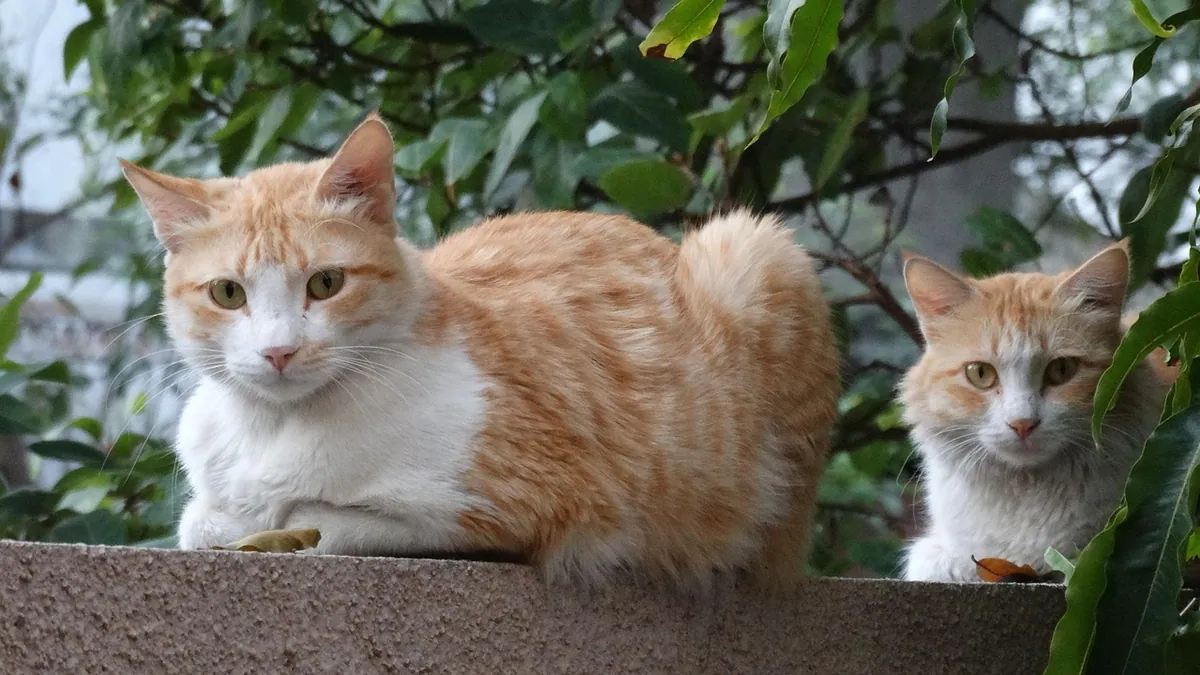
Food aggression in cats is guarding behavior. A cat may growl, hiss, swat, or block the bowl because it expects food to be taken away, feels stressed by other cats nearby, or has an underlying medical problem that makes eating urgent or painful. This article explains why food guarding happens, how to feed safely in a multi-cat home, and when the behavior points to a health issue.
This article is educational and is not a substitute for veterinary diagnosis or treatment.
Quick Answer
- Food guarding is a stress and competition behavior, not a sign your cat is mean or dominant.
- Any cat that suddenly guards food needs a veterinary exam first, because pain, dental disease, and hyperthyroidism can trigger aggression [1].
- Feed cats in separate rooms or behind visual barriers so no cat can see or approach another cat's bowl.
- Never punish a guarding cat. Punishment raises fear and makes bites more likely.
- Aggression is the second most common feline behavior problem seen by animal behaviorists, so you are not alone in dealing with this [2].
Why Food Aggression in Cats Happens
Cats are not pack animals in the way dogs are, but they still compete for resources. Food is one of the most valuable resources in a home, especially when several cats share a small space. When a cat feels that its meal is at risk, it may switch to guarding behavior: eating fast, hovering over the bowl, growling, hissing, swatting, or chasing other cats away.
Normal Reasons for Guarding Food
Several everyday situations can push a cat into food guarding.
Competition in a multi-cat home. When bowls sit close together, a faster or more confident cat can finish its own food and then push into another cat's bowl. The cat being pushed away learns to defend its meal next time. This is one of the most common patterns behind multi cat food aggression.
A history of scarcity. Cats adopted from shelters, hoarding situations, or outdoor colonies may have learned that food disappears quickly. That early experience can leave a lasting habit of eating fast and guarding.
Boredom and a small environment. A cat with little to do may fixate on food. Feeding becomes the main event of the day, and any interruption feels like a threat.
Sensory fatigue with the same food. Cats tend to stop eating before they finish a portion, and repeated exposure to the same food odor reduces feeding motivation over a meal [3]. Offering variety can change how a cat approaches mealtime, though it does not fix guarding on its own.
Fear and anxiety. Fear, anxiety, and stress are among the most common behavioral problems in cats [4]. A cat that feels unsafe in its home may guard food because it cannot relax enough to eat calmly.
Medical Causes to Rule Out
Before you treat this as a training problem, book a veterinary exam. The first step in managing an aggressive cat is making sure there is no medical reason for the behavior [1]. Diseases such as hyperthyroidism, osteoarthritis, dental disease, and central nervous system problems may cause aggression [1].
Think about how pain changes eating. A cat with a painful tooth or sore jaw may guard food because eating hurts, and being approached while eating makes it worse. A cat with arthritis may not want to be jostled at the bowl. A cat with an overactive thyroid may feel constantly hungry and act frantic around food.
A cat that was calm for years and now guards the bowl is a cat that needs a physical exam, bloodwork, and a dental check. Sudden behavior change is a medical question until proven otherwise. If your cat's aggression appeared out of nowhere, see Cat Sudden Aggression: What Could It Mean?.
When Food Guarding Becomes a Real Problem
Guarding is a problem when it causes harm or makes daily life hard. Warning signs include:
- Bites or scratches that break skin on people or other cats
- One cat losing weight because it cannot eat in peace
- Mealtime tension that lasts all day, with hiding, spraying, or litter box avoidance
- A cat that cannot be approached at all while food is present
- Aggression that spreads beyond food to other situations
Aggressive cats can be risky to have at home and can pose a real danger to family and visitors [2]. Cat bites and scratches can become infected and can transmit cat scratch fever, which causes flu-like symptoms [2]. Fights between cats rarely end in death, but they can lead to infections and expensive veterinary bills [2].
Aggression is also a major reason cats lose their homes. One study reported that 27 percent of cats surrendered to shelters for behavioral reasons were given up for aggression [1]. Taking food guarding seriously early gives you the best chance of keeping your cat and keeping everyone safe.
How to Stop Food Aggression in Cats: Step by Step
Behavior change takes weeks, not days. Work through these steps in order.
Step 1: Get a Veterinary Exam
Schedule a visit before you start any behavior plan. Your veterinarian will check for pain, dental disease, thyroid problems, and other conditions that can drive aggression [1]. If a medical issue is found and treated, the guarding may improve on its own.
Step 2: Feed Cats Separately
In a multi-cat home, separate feeding is the single most effective change. Put each cat in its own room with the door closed, or use separate floors or visual barriers. Pick up bowls when the meal is over, then let cats back together. This removes the competition that fuels guarding.
If you cannot use separate rooms, use microchip feeders or feed at different times under supervision. Never leave a guarded bowl out where another cat can approach it.
Step 3: Change How You Present Food
- Feed smaller, more frequent meals instead of one large portion.
- Stay calm and quiet at mealtime. Do not hover, stare, or reach toward the bowl.
- Walk away after you set the food down so the cat learns that your presence near food predicts good things, not a threat.
- If your cat eats fast and then guards, a puzzle feeder or a shallow baking dish spread with food can slow eating and reduce tension.
- Offer variety across meals. Rotating flavors and textures can keep feeding motivation steadier through the meal [3].
Step 4: Build a Calmer Environment
A cat that feels secure guards less. Add vertical space with cat trees and shelves. Provide multiple water stations, litter boxes, and resting spots so no cat has to compete for basics. Use pheromone diffusers and keep the home predictable.
For cats that struggle with fear and stress, a cat-friendly environment with attention to handling and routine makes a real difference [4]. If tension between cats goes beyond food, see Cat Aggression Towards Other Cats: How to Manage Multi-Cat Households.
Step 5: Use Positive Reinforcement
Reward calm behavior. Toss a treat to your cat when it is relaxed near the bowl. Pair your approach with something good, such as a high-value treat placed at a distance. Keep sessions short and stop before your cat gets tense.
Never use a spray bottle, loud noise, or physical correction at the bowl. Punishment teaches a cat that people near food are dangerous, which makes guarding worse and bites more likely.
Step 6: Track Progress
Keep a simple log of what you fed, where, and how each cat behaved. Note triggers, such as another cat walking past or a person entering the room. Patterns help your veterinarian or behavior consultant build a plan.
What Not to Do About Cat Food Aggression
Do not punish the growl. A growl is a warning. If you punish it, a cat may skip the warning and bite without one.
Do not free-feed in a multi-cat home. Leaving food out all day lets one cat control the supply and keeps other cats stressed.
Do not assume it is dominance. Cats do not run their homes on a dominance hierarchy the way some dogs do. Food guarding is about safety and competition, not rank.
Do not try to "show the cat who is boss." Taking food away to prove a point makes scarcity worse.
Do not ignore bites. Any bite that breaks skin needs medical attention for the person, and the cat's behavior needs a professional plan.
Do not rely on medication alone. Drugs can lower anxiety enough for behavior work to succeed, but they do not teach new habits. In one trial of owner-directed aggression, cats were randomly assigned to a control group, cannabidiol at 1 mg/kg, or fluoxetine, and the study compared outcomes over 4 to 8 weeks [5]. Medication decisions belong to your veterinarian, who calculates the dose from your cat's weight and health.
When to Involve a Veterinarian or Behavior Professional
Call your veterinarian if:
- The guarding started suddenly in an adult cat
- Your cat has lost weight, drools, or drops food while eating
- Another cat in the home is hiding, losing weight, or avoiding the litter box
- You have been bitten or scratched and the wound is deep or infected
- You feel afraid of your cat at mealtime
Ask for a referral to a board-certified veterinary behaviorist or a certified applied animal behaviorist for severe or long-standing cases. Aggression at the veterinary clinic is common and often linked to behavior problems at home, including aggression toward strangers, owners, and other cats [6]. That link means your veterinarian is a useful partner in the plan, not a last resort. If your cat's aggression is directed at people, see Cat Aggression Towards People: Why and What to Do.
Limitations and When to Contact a Veterinarian
Behavior plans work slowly, and no single article can cover every cat. Individual cases need a veterinarian who can examine your cat, review the home setup, and set a plan for your situation.
Contact a veterinarian the same day if:
- Your cat has not eaten in 24 hours or is vomiting repeatedly
- A cat in the home is losing weight or being blocked from food
- A bite wound on a person is swelling, hot, or draining
Go to an emergency clinic now if:
- A bite punctured a joint, hand, or face on a person
- Your cat is open-mouth breathing, collapsing, or showing sudden weakness
- A cat fight caused deep wounds or heavy bleeding
Schedule a routine visit if the guarding is mild, has been going on for weeks, and no one has been injured. Bring notes about feeding times, food types, and what happens right before the aggression.
Frequently Asked Questions
Is food aggression in cats common?
Yes, aggression is the second most common feline behavior problem seen by animal behaviorists [2]. Food-related guarding is one form of it, and it shows up most often in homes with more than one cat.
Can food aggression in cats be cured?
Many cats improve a lot with separate feeding, a calmer environment, and treatment of any medical cause. Some cats keep mild guarding habits for life, but the goal is a safe home where no one gets bitten and every cat eats.
Does food aggression mean my cat was abused?
Not necessarily. Scarcity, competition, and stress explain most cases, and some cats guard food with no history of abuse at all. A veterinary exam is still the right first step.
Should I take the food bowl away to show my cat who is in charge?
No. Removing food raises the stakes and makes guarding worse. Feed in a separate space, stay calm, and let your cat eat without interruption.
Can I feed two cats together if I watch them?
Supervised feeding can work for some pairs, but separate rooms are safer and easier. If you do feed together, place bowls far apart with a visual barrier and end the meal at the first sign of tension. If either cat guards, go back to separate feeding.
Related Articles
- Cat Aggression Towards People: Why and What to Do
- Cat Sudden Aggression: What Could It Mean?
- Why Is My Cat Suddenly Aggressive Towards Other Cats?
- Cat Diarrhea After Eating: Causes and When to Act
- Cat Aggression Towards Other Cats: How to Manage Multi-Cat Households
- Why Cat Food Is Bad For Dogs
- Play Aggression in Cats: Why It Happens and How to Stop It
- How to Stop Your Cat From Eating Your Food and Other Cats' Food
- Why Does My Cat Bite Me? Causes and How to Stop It
References
- Feline Behavior Problems: Aggression. Cornell University College of Veterinary Medicine.
- Aggression in Cats. ASPCA Animal Poison Control Center.
- Olfactory habituation and dishabituation dynamically regulate feeding motivation in domestic cats. Physiology & behavior, 2026.
- Tools for the Approach of Fear, Anxiety, and Stress in the Domestic Feline: An Update. Veterinary medicine international, 2025.
- Owner-Directed Feline Aggression in Thailand: Characteristics, Associated Factors, and a Clinical Comparison of Treatments. Life (Basel, Switzerland), 2026.
- Correlation between aggression at the veterinary clinic and problem behaviors at home for cats in the USA. Journal of feline medicine and surgery, 2024.