How Dogs React When Their Owner Dies
By Dr. Zubair Khalid, DVM, MS, PhD ·
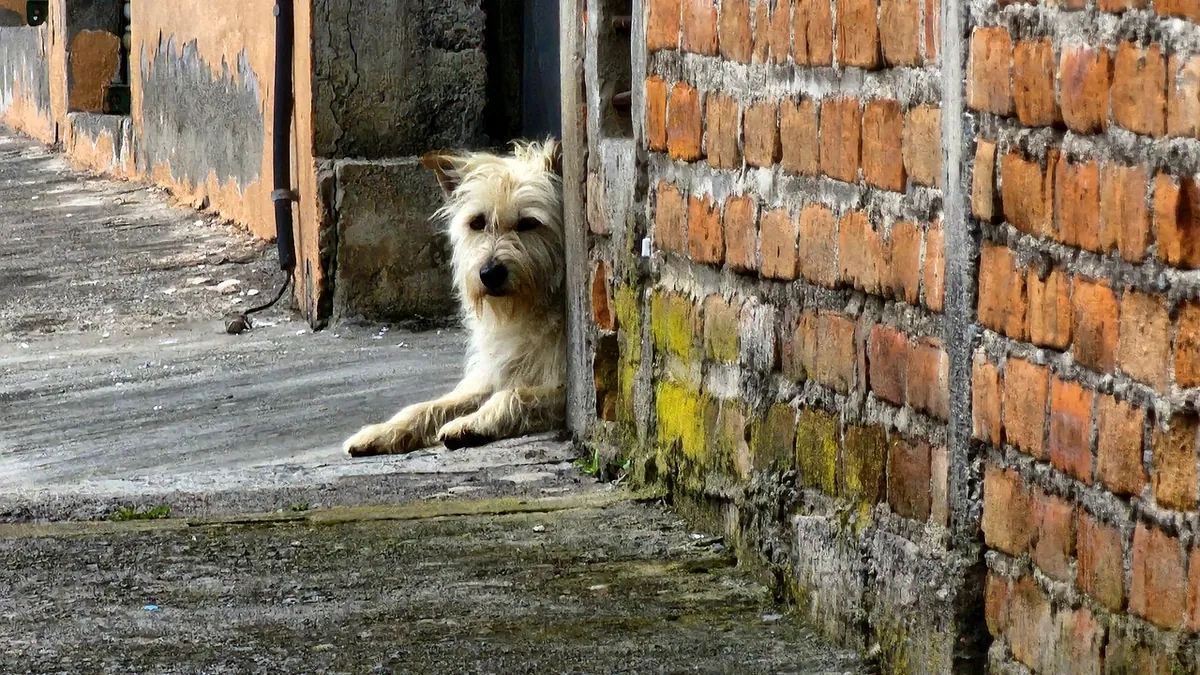
Dogs often react to an owner's death with real grief. They may pace, search the house, whine, eat less, sleep more, or cling to one person. These changes are normal for many dogs, but some signs point to medical problems or a level of distress that needs professional help.
This article is educational and is not a substitute for veterinary diagnosis or treatment.
Quick Answer
- Expect changes in appetite, sleep, vocalization, and clinginess for days to weeks after the loss.
- Keep routines as close to normal as you can. Walks, meals, and bedtime at the same times help.
- Give the dog quiet company without forcing interaction. Let the dog come to you.
- Watch for weight loss, vomiting, diarrhea, limping, or a sudden behavior change that could be a medical problem.
- Call your veterinarian if the dog stops eating, seems painful, or stays distressed for more than a few weeks.
Why Dogs React to an Owner's Death
Dogs are highly social animals adapted to living in groups [1]. They read human gestures, tone, and body language well, and they build strong daily patterns around the people they live with [1]. When one of those people disappears, the dog's social world changes overnight.
Dogs Notice Absence, Not Death
A dog does not understand death the way a person does. What the dog notices is that a person is missing. The smell is fading from the bed and the couch. The footsteps and the voice are gone. The daily pattern is broken. That absence is what drives most of the behavior owners see.
Attachment and Routine
Dogs form attachments to specific people, and those attachments shape their behavior. Assistance dog handlers, for example, can have a grief response to the end of a partnership that is equivalent to the loss of a loved one [2]. If that bond is strong enough to produce grief in a handler, it makes sense that a dog attached to one person shows distress when that person is gone.
The Household Also Changes
After a death, the household itself changes. New people come and go. Furniture moves. Schedules shift. Some dogs pick up on the sadness of the people around them. Others react to the disruption more than to the loss. Both are common.
Medical Causes to Rule Out First
Before you assume a dog is mourning, rule out illness. Many of the signs people read as grief are also signs of pain or disease.
Signs That Look Like Grief but May Be Medical
- Not eating or drinking
- Vomiting or diarrhea
- Weight loss
- Stiffness, limping, or trouble getting up
- Whining, pacing, or restlessness
- Hiding or avoiding touch
- Sudden aggression or irritability
Any of these can have a physical cause. A dog in pain may pace and whine. A dog with dental disease may stop eating. A dog with arthritis may become clingy or withdrawn. Your veterinarian can sort out what is behavioral and what is medical.
Why a Vet Visit Matters Early
A dog that stops eating for more than a day or two is at risk for other problems. A dog that is painful will not improve with extra attention alone. A routine exam, weight check, and basic lab work can rule out many causes. If your dog's behavior has changed in ways that concern you, see What Does It Mean When Your Dog's Behavior Changes for a fuller list of what to track.
How Do Dogs React When Their Owner Dies?
Owners often describe the same handful of behaviors. The pattern varies by dog, but these are the most common.
Searching and Waiting
Many dogs pace to the door, check the person's usual chair, or wait by the window at the time that person normally came home. This can last days or weeks. Some dogs settle once the routine stabilizes.
Changes in Eating and Sleeping
Some dogs eat less. Some eat more. Some sleep more and seem dull. Others sleep less and pace at night. Appetite and sleep are the two easiest things to track, so write down what you see each day.
Vocalizing and Clinging
Whining, howling, and following one family member from room to room are common. A dog may also become more anxious when left alone, even if it was fine before.
Withdrawal or Irritability
Some dogs go quiet and hide. Others growl or snap when approached. Both can be signs of stress. Do not punish either one.
What Is Normal Mourning Behavior
Normal mourning behavior tends to ease as the dog's routine becomes predictable again. The dog may still have sad or quiet days, but eating, sleeping, and interest in walks should slowly improve.
When Mourning Becomes a Problem
Grief in dogs is not a diagnosed psychiatric condition the way it is in people. Still, prolonged distress is real and treatable. The question is how long and how severe.
Warning Signs That Need Help
- Not eating for more than 24 to 48 hours
- Weight loss
- Vomiting, diarrhea, or not drinking
- Constant pacing or panting that does not stop
- Crying or howling through the night for more than a few nights
- New aggression toward people or other pets
- Self-injury, such as chewing at the paws or licking a spot raw
- Hiding and refusing to come out for meals
How Long Is Too Long
There is no single number that fits every dog. A useful rule is that the dog should be moving in the right direction within two to four weeks. If things are getting worse instead of better, or if the dog is not eating, call your veterinarian.
What to Do Step by Step
You cannot explain death to a dog. You can make the dog's world predictable again. That is the core of helping a dog after an owner dies.
Step 1: Keep the Routine
Feed at the same times. Walk at the same times. Keep bedtime the same. Keep the same sleeping spot if you can. Predictability lowers stress for dogs.
Step 2: Offer Company Without Pressure
Sit in the same room. Talk in a calm voice. Let the dog choose whether to come to you. Do not force cuddles or pick the dog up if it pulls away.
Step 3: Keep Exercise Steady
A tired dog copes better. Keep walks at the usual length if the dog is healthy. If the dog is older or sore, shorten the walk and add more sniffing time. Sniffing is mental work and it tires a dog out.
Step 4: Add Enrichment
Food puzzles, scatter feeding in the yard, chew items, and simple training games give the dog something to do. Ten minutes of easy training (sit, touch, find it) can do more for a stressed dog than an hour of pacing.
Step 5: Protect Sleep
If the dog paces at night, add a longer walk or play session in the late afternoon. Keep the bedroom dark and quiet. Some dogs settle better with a white noise machine or a fan.
Step 6: Watch the Other Pets
If there are other dogs in the home, watch for tension. A change in the group can shift how dogs interact with each other. Give each dog its own space, food bowl, and resting spot.
Step 7: Track Progress
Write down appetite, sleep, activity, and any vocalizing each day. This record helps you see small improvements and gives your veterinarian useful information if you need to call.
Step 8: Consider a Veterinary Behavior Consultation
If the dog is not improving, ask your veterinarian about a referral to a board-certified veterinary behaviorist. These specialists can build a plan that includes behavior modification and, in some cases, medication. Your veterinarian calculates any dose from the dog's weight and health.
What Not to Do
Do Not Punish Grief Behavior
Scolding a dog for whining, pacing, or hiding adds stress. It does not teach the dog to feel better. It can make anxiety worse.
Do Not Force Interaction
Do not corner the dog, hold it down, or make it accept petting from strangers. Let the dog set the pace.
Do Not Change Everything at Once
Big changes (a new home, a new pet, a new diet) all at the same time make it harder for the dog to adjust. Change one thing at a time when you can.
Do Not Assume It Is Only Grief
A dog that stops eating or seems painful needs a vet visit. Grief and illness can look the same from the outside.
Common Myths
- Myth: Dogs forget within a few days. Many dogs show changes for weeks.
- Myth: A new puppy fixes the grief. A new pet can add stress during a hard transition.
- Myth: The dog knows what happened. Dogs respond to absence and routine change, not to the concept of death.
- Myth: If the dog is quiet, it is fine. Quiet dogs can be the most stressed.
Support for the People Too
Your own grief matters, and it affects the dog. People who lose a pet can have a grief reaction comparable to losing a family member, and that grief is not always recognized by others [3]. The same is true after losing a person. If you are struggling, tell your doctor or a counselor. A calmer household helps the dog settle.
If the death involved euthanasia, Euthanasia What to Expect for Dogs: Process Aftercare and Grief Support walks through what happens and what comes next. For help with your own loss, see All Dogs Go to Heaven: Coping with Pet Loss and Finding Comfort. If the dog was elderly or ill before the death, End of Life Care for Dogs: Hospice Pain Control and Quality of Life covers comfort care and quality of life.
Limitations and When to Contact a Veterinarian
This article cannot tell you what is wrong with your individual dog. Only a veterinarian who examines your dog can do that. Use the timing below as a guide.
Contact a Veterinarian the Same Day If:
- The dog has not eaten for 24 hours
- The dog is vomiting, has diarrhea, or is not drinking
- The dog is pacing, panting, or crying without stopping
- The dog is limping, yelping, or seems painful
- The dog is hiding and will not come out for food
Go to an Emergency Clinic Now If:
- The dog collapses, has trouble breathing, or has a seizure
- The dog is bleeding or has been hit by a car
- The dog ate something toxic or a foreign object
- The dog is straining to urinate or cannot urinate
- The dog is in severe pain or cannot stand
Make a Routine Appointment If:
- Appetite or sleep is still off after two weeks
- The dog is more anxious than before the loss
- The dog has new aggression toward people or pets
- You are not sure whether the behavior is grief or illness
Frequently Asked Questions
How long do dogs grieve after an owner dies?
Most dogs show clear changes for a few days to a few weeks, then slowly improve as the routine becomes predictable again. Some dogs have quiet or sad days for longer. If your dog is getting worse instead of better, or is not eating, call your veterinarian.
Do dogs know when their owner has died?
Dogs do not understand death as a concept. They notice that a person is gone and that daily patterns have changed. That absence, not an understanding of death, is what drives most of the behavior you see.
Should I let my dog see the body?
Some families find that letting the dog approach and sniff the body helps the dog settle. There is no rule that fits every dog. If you choose to do this, keep it calm and brief, and let the dog move away when it wants to.
Will getting another dog help my dog feel better?
Sometimes. A calm, well-matched dog can add company and structure. A high-energy puppy can add stress during a hard transition. Wait until your household is stable, and ask your veterinarian for advice on the match.
Can my dog's grief make it sick?
Stress can lead to not eating, vomiting, diarrhea, and weight loss. Those signs can also come from a medical problem that has nothing to do with grief. A dog that stops eating or seems painful needs a veterinary exam.
Related Articles
- Euthanasia What to Expect for Dogs: Process Aftercare and Grief Support
- All Dogs Go to Heaven: Coping with Pet Loss and Finding Comfort
- What Does It Mean When Your Dog's Behavior Changes
- Is Your Dog Human? Understanding Canine Behavior and Bonding
- End of Life Care for Dogs: Hospice Pain Control and Quality of Life
- Caring for a Dog After Surgery: Pain Management Rest and Wound Monitoring
- Do Dogs Understand Death? Grief and End-of-Life Behavior
- Do Dogs Miss Their Owners? Bonding and Memory Explained
- What Do Dogs Remember? Puppyhood, Old Owners, and Siblings
References
- Normal Social Behavior in Dogs - Dog Owners. Merck Veterinary Manual.
- Planning for the retirement or death of an assistance dog: perspectives of staff from assistance animal organisations. Disability and rehabilitation. Assistive technology, 2026.
- Adaptation of the Pet Bereavement Questionnaire for European Portuguese Speakers. International journal of environmental research and public health, 2022.