What Do Dogs Remember? Puppyhood, Old Owners, and Siblings
By Dr. Zubair Khalid, DVM, MS, PhD ·
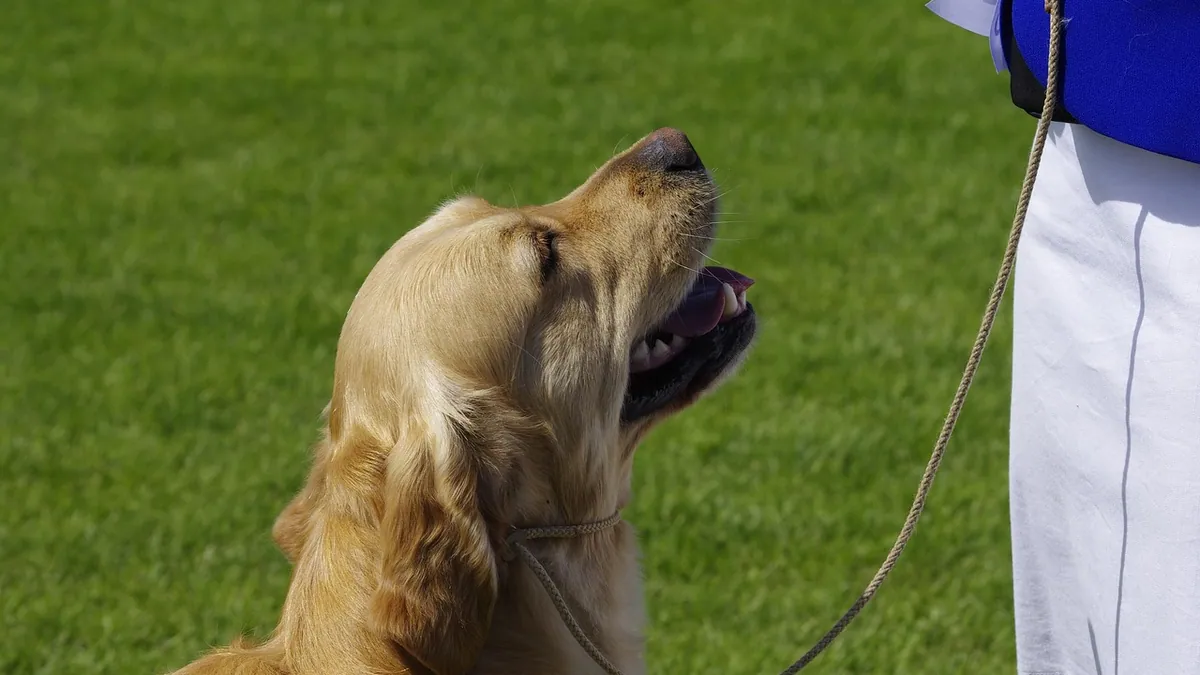
Do dogs remember their previous owners? In most cases, yes, at least in some form. Dogs form strong social bonds and can recognize familiar people even after long separations, though the memory is likely emotional and sensory instead of a detailed story of their past. This article is educational and is not a substitute for veterinary diagnosis or treatment.
Quick Answer
- Dogs can recognize familiar people, including former owners, through scent, voice, and visual cues, and this recognition can last for years in some cases.
- Puppies remember their littermates and mother mainly through early socialization, but most of those bonds fade after weaning and rehoming.
- A dog's memory of puppyhood is not like a human's. Dogs do not replay specific events from their early weeks.
- Recognition is not the same as longing. A dog may be happy to see an old owner without showing distress about the separation.
- If your dog seems to forget you or acts differently after a reunion, that is normal and does not mean the bond was never real.
What Do Dogs Actually Remember?
Do dogs remember their previous owners?
This is the question most owners ask, and the honest answer is that dogs remember familiar people in a way that is real but different from human memory. Dogs are a gregarious species with a flexible, highly adaptable social structure, and they readily bond with humans and other dogs [1]. That bonding ability is the foundation of what we call memory of a previous owner.
Research on how dogs process familiar faces shows that recognizing a personally familiar face engages similar neural processes in dogs as it does in humans [2]. In one study, familiarity with both human and dog faces was detectable from brain activity starting around 90 milliseconds, and this familiarity information generalized across face categories and was maintained over a long time window [2]. In plain terms, your dog's brain responds differently to a familiar person than to a stranger, and it does so quickly.
Scent, voice, and body posture all contribute. A dog who lived with you for years has stored a rich sensory profile of you. When you return, that profile may match, and the dog responds with recognition. The dog is not recalling a timeline of events. The dog is recognizing a familiar social partner.
Do dogs remember when they were puppies?
Probably not in the way you mean. Dogs do not appear to form narrative memories of their own puppyhood. What they do retain is learned associations and social preferences formed during early development.
The socialization period is a key window. During this time, puppies show increased play and social interaction with and attachment to other dogs and to humans [1]. Weaning ends at approximately 7 weeks, and puppies become bolder in exploring their environment [1]. During the juvenile period, exploration increases, but attraction to unfamiliar people begins to decrease and avoidance responses are heightened [1].
This means the experiences a puppy has before about 12 to 16 weeks shape how that dog relates to the world later. A puppy who met many friendly people and dogs during that window tends to be more comfortable with them as an adult. A puppy who had little positive exposure may be more cautious. That is not the same as remembering specific puppyhood events, but it is a lasting effect of early life.
Do puppies remember their siblings?
Puppies recognize their littermates during the period when they are together. They play, nurse, and sleep in a group, and they learn to read each other's signals. Once separated and placed in different homes, most puppies do not appear to maintain a specific memory of individual siblings.
That said, dogs are often more comfortable with other dogs when introduced either as puppies or as adults in a home environment [1]. So a dog may enjoy meeting another dog without recognizing that dog as a littermate. The social ease comes from general dog-to-dog socialization, not from a sibling bond that survived the separation.
Do puppies remember their parents?
The mother-puppy relationship is intense while it lasts. The mother provides nursing, warmth, and early discipline. After weaning and rehoming, there is no good evidence that puppies carry a lasting memory of their mother as a specific individual.
This is normal for the species. Domestic dogs form loose associations with unrelated dogs instead of the tight family packs seen in wolves [1]. A dog's social world is built around whoever is present and safe, not around a fixed family tree.
Why Dogs Seem to Remember Some Things and Not Others
Memory in dogs is tied to function. Animals tend to remember what helps them survive and socialize. Research on animal memory suggests that memory systems may have more than one function and may serve different purposes in different species [3]. For dogs, remembering a familiar person matters because that person was a source of food, safety, and comfort.
Dogs also show object permanence and short-term spatial memory. In one study across several species, animals remembered the position of hidden food for up to 60 seconds [4]. That is short-term working memory, not a life story. It tells you that a dog can hold information briefly and act on it, which is different from recalling a previous home from years ago.
What dogs are good at is reading human behavior. Dogs have been selected over tens of thousands of years for close interaction with humans, and selective breeding has rewired communication-related networks in the dog brain [5]. Training also changes the brain, with trained dogs showing differences in pathways that support cue interpretation and response execution [5]. This is why your dog may seem to "remember" your routines, your tone, and your habits. The dog is reading you in real time and matching it to learned patterns.
Medical Causes to Rule Out
If your dog seems to forget familiar people, gets lost in the house, stares at walls, or seems confused about where they are, this may not be a memory question at all. It may be a health problem.
Older dogs can develop cognitive dysfunction, which is sometimes mistaken for normal aging. In a study of family dogs aged 8 and older, owners completed a cognitive dysfunction rating scale and dogs underwent a visuospatial memory test [6]. The study found strong and significant patterns linking everyday behavior to test performance and scale scores [6]. In other words, changes in memory and spatial orientation in an older dog are measurable and worth discussing with your veterinarian.
Other medical causes of apparent memory loss or behavior change include pain, vision loss, hearing loss, thyroid disease, and neurological conditions. A dog who does not respond to a familiar voice may simply not hear it well anymore.
If your older dog is showing signs of confusion, disorientation, or changes in sleep and interaction, see Senior Dog Cognitive Dysfunction: Is It Dementia or Just Aging? for a fuller picture of what to watch for.
When Memory-Related Behavior Becomes a Problem
Most questions about dog memory are harmless curiosity. But some situations need attention.
A dog who was rehomed and now shows distress, pacing, whining, or destructive behavior when left alone may have separation-related anxiety. This is more common in dogs with a history of rehoming or unstable attachments. Older dogs can show this too, and their needs differ from those of young dogs. See Dog Separation Anxiety in Older Dogs: Special Considerations if this sounds like your dog.
A dog who is crated for the first time later in life may also struggle, especially if the crate is unfamiliar or associated with a previous negative experience. Dogs Being Crate Trained Later In Life covers how to approach that gradually.
Behavior becomes a problem when it affects the dog's quality of life or the safety of the household. Signs include:
- Persistent distress when left alone
- Aggression toward people or other animals
- House soiling in a previously trained dog
- Pacing, circling, or staring that interferes with rest
- Loss of interest in food, play, or family interaction
These signs deserve a veterinary visit, not just a training plan.
What to Do Step by Step
If you are reuniting with a dog you used to own
Let the dog approach you. Do not rush, grab, or crowd. Speak in a calm, familiar voice. Let the dog sniff you. Watch the dog's body language. A happy reunion may look like a loose wagging tail, soft eyes, and leaning in. A stressed dog may stiffen, look away, or back up.
If the dog is now living with someone else, respect that bond. Your goal is a calm, positive interaction, not a test of loyalty.
If you adopted a dog and wonder about their past
You cannot recover a full history, but you can build a secure present. Dogs are adaptable and form new bonds readily [1]. Give your dog predictable routines, gentle handling, and positive experiences with people and other dogs.
If you have a puppy
Enroll in a puppy socialization class before 12 weeks of age. The goal is safe, controlled exposure to various dogs, people, and stimuli such as novel surfaces, noises, odors, moving objects, and gentle handling [1]. This early work has a bigger effect on your dog's future behavior than any memory of littermates.
Enrichment that supports a stable dog
- Daily walks with sniffing time
- Food puzzles and chew items
- Short training sessions using rewards
- Quiet time in a safe space
- Consistent sleep and feeding schedules
Environment
Keep your home predictable. Sudden changes in schedule, new pets, or moves can unsettle a dog who already has a shaky history. Introduce changes slowly.
What Not to Do
Do not punish a dog for not remembering you or for acting distant. Punishment does not improve recognition and can damage trust.
Do not assume a dog who greets an old owner with excitement is "remembering everything." Dogs respond to familiar scent, voice, and tone. That is real, but it is not a replay of the past.
Do not assume a dog who seems indifferent has no memory. A dog may be stressed, distracted, or physically uncomfortable. Pain and anxiety can mask recognition.
Do not test a dog by surprising them with an old owner or a littermate. Surprises can trigger fear or aggression.
Do not rely on internet stories about dogs who "never forgot" as a standard for your own dog. Individual variation is huge.
When to Involve a Veterinarian or Certified Behavior Professional
Call your veterinarian if your dog shows sudden changes in recognition, orientation, or behavior. Sudden onset is more concerning than a slow drift over months.
Ask for a referral to a veterinary behaviorist or certified behavior consultant if your dog has:
- Separation anxiety that does not improve with basic training
- Aggression toward family members or other pets
- Compulsive behaviors such as pacing, spinning, or licking
- Severe fear or panic during reunions or introductions
A veterinarian can rule out medical causes and discuss whether medication might help alongside behavior work. The dose of any medication is calculated by your veterinarian based on your dog's weight and health, so never use a dose from a friend or a website.
Limitations and When to Contact a Veterinarian
We cannot ask a dog what they remember. All conclusions about canine memory come from behavior, brain imaging, and controlled tests, not from a dog's own account. That means there is real uncertainty, and individual dogs vary widely.
Contact your veterinarian the same day if your dog:
- Suddenly does not recognize a familiar family member
- Becomes disoriented in a familiar space
- Shows a sudden change in personality or interaction
- Has a seizure, collapse, or severe head tilt
Go to an emergency clinic now if your dog has:
- Difficulty breathing
- Repeated seizures
- Sudden blindness or inability to stand
- Severe pain or unresponsiveness
Schedule a routine visit if your older dog is gradually showing confusion, nighttime restlessness, or house soiling. These can be signs of cognitive dysfunction or another treatable condition [6].
Every dog is an individual. Your veterinarian can assess your dog's specific situation and recommend next steps.
Frequently Asked Questions
Do dogs remember their previous owners after years?
Many dogs appear to recognize a previous owner after long separations, especially through scent and voice. The recognition is likely emotional and sensory instead of a detailed memory of shared events. Some dogs show clear excitement, while others show little reaction, and both responses can be normal.
Do dogs remember their littermates?
Most dogs do not appear to remember individual littermates after being separated and rehomed. They may still enjoy meeting other dogs because dogs are generally social and adaptable [1]. That friendliness comes from general socialization, not from a sibling memory.
Do puppies remember their parents?
There is no strong evidence that puppies retain a specific memory of their mother after weaning and rehoming. The mother-puppy bond is intense while it lasts, but domestic dogs form loose social associations instead of fixed family groups [1]. A puppy's future relationships depend more on ongoing socialization than on early family memory.
Can a dog forget its owner?
A dog may seem to forget an owner after a long separation, but this is often due to stress, changes in the owner's scent, or medical issues like vision or hearing loss. True forgetting is hard to prove. If a dog who once knew you well seems confused, a veterinary check is reasonable.
Do dogs remember being abused?
Dogs can retain fear and avoidance responses linked to past negative experiences, even if they do not recall specific events. This is why a rescue dog may flinch at a raised hand or fear certain sounds. These responses can improve with gentle, reward-based training and, in some cases, veterinary behavior support.
Related Articles
- Senior Dog Cognitive Dysfunction: Is It Dementia or Just Aging?
- Dogs Being Crate Trained Later In Life
- Dog Separation Anxiety In Older Dog
- Dog Separation Anxiety in Older Dogs: Special Considerations
- Is Your Dog Human? Understanding Canine Behavior and Bonding
- Does Dog Separation Anxiety Get Worse With Age
- Do Dogs Miss Their Owners? Bonding and Memory Explained
- How Long Can a Dog Remember? Memory Explained
- Do Puppies Remember Their Littermates?
References
- Social Behavior of Dogs - Behavior. Merck Veterinary Manual.
- Of dogs and men: Recognising one's own dog engages the same neural processes as recognising personally familiar faces. Biological psychology, 2026.
- Why might animals remember? A functional framework for episodic memory research in comparative psychology. Learning & behavior, 2025.
- Evidence of object permanence, short-term spatial memory, causality, understanding of object properties and gravity across five different ungulate species. Scientific reports, 2024.
- Selection and Learning Shape Communication Networks in the Dog Brain. The Journal of neuroscience : the official journal of the Society for Neuroscience, 2026.
- Which aspects of the everyday behavior of older dogs correlate with performance on a visuo-spatial memory test and the canine cognitive dysfunction rating scale (CCDR)?. Frontiers in aging neuroscience, 2026.