How to Get Your Dog to Respect You
By Dr. Zubair Khalid, DVM, MS, PhD ·
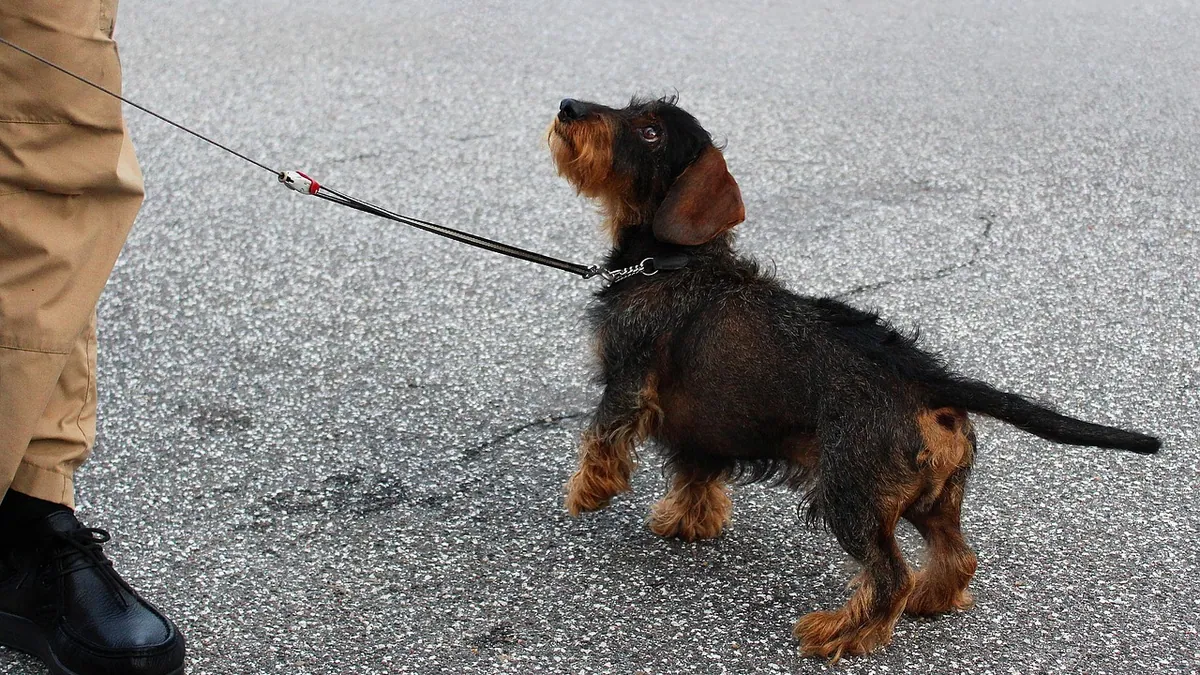
You get your dog to respect you by being predictable, fair, and consistent, not by acting tough. Respect in dogs is really about trust and clear communication, so your dog learns that listening to you leads to good things. This article is educational and is not a substitute for veterinary diagnosis or treatment.
Quick Answer
- Respect grows from consistency. Same cues, same rules, same rewards, every day.
- Reward the behavior you want within a second or two. Timing teaches more than tone.
- Rule out pain or illness first if your dog suddenly stops responding to known commands.
- Short training sessions work better than long ones, and play after training may help some dogs learn [1].
- Never use fear, hitting, or alpha rolls. They damage trust and increase anxiety.
Why Your Dog Seems to Ignore You
Most "disrespect" is normal dog behavior, not a power struggle. Dogs repeat what gets rewarded and stop doing what gets ignored. If sitting politely gets attention sometimes and jumping up gets attention every time, your dog learns that jumping works better.
Dogs also have short attention spans. A command given while the TV is on, kids are yelling, and another dog is barking is much harder to follow than the same command in a quiet room. What looks like defiance is often distraction, confusion, or a cue the dog never fully learned.
Some breeds and individual dogs are more independent or more driven by scent, motion, or other dogs. That does not mean they disrespect you. It means their motivation is different, and training has to account for what they actually find rewarding.
Finally, dogs read our bodies more than our words. If you say "sit" while leaning over your dog, your posture may look threatening or confusing. Clear, calm body language helps your dog understand what you want.
Medical Causes to Rule Out First
A sudden change in responsiveness is a medical question before it is a training question. Pain, vision loss, hearing loss, dental disease, arthritis, and thyroid problems can all make a dog slower to respond or seem "stubborn."
Older dogs can develop cognitive decline, which looks like confusion, staring, pacing, or ignoring familiar cues. Any dog that stops responding to commands it knew well deserves a veterinary exam.
Nutrition and overall health also affect behavior. Physical, behavioral, and cognitive health all influence how a dog functions day to day, and these factors can reduce pain, anxiety, and problem behaviors [2]. That is one more reason to start with a vet visit when behavior changes suddenly.
When Ignoring Commands Becomes a Problem
Occasional ignoring is normal. It becomes a problem when it affects safety or daily life. Examples include not coming when called near traffic, not staying when the door opens, growling or snapping when moved, or guarding food, toys, or resting spots.
Behavior problems are a major reason dogs are surrendered to shelters or returned after adoption, which makes everyday obedience training important for welfare [1]. If your dog's behavior is putting the dog or your household at risk, treat it as a priority, not a phase.
How to Get My Dog to Respect Me: Step by Step
Start With One Behavior at a Time
Pick one cue, such as sit or come, and practice it in a quiet room. Add distractions only after your dog succeeds most of the time in the easy setting. Short sessions of a few minutes, repeated a few times a day, beat one long session.
Reward Fast and Often
Give the reward within a second or two of the behavior. Use small food treats, praise, or a quick game, depending on what your dog loves. When you are teaching something new, reward every correct response. Once your dog is reliable, reward randomly so the behavior stays strong.
Use Play as a Training Tool
Play after a training session may help some dogs, especially those starting with lower skill levels [1]. A short game of tug or fetch after practice can keep training positive and give your dog a reason to engage with you. Keep play structured so your dog learns to start and stop on cue.
Be Consistent Across the Household
Everyone in the home should use the same words and the same rules. If one person allows jumping on the couch and another does not, your dog gets mixed information. Write down your cues and house rules and post them where everyone can see them.
Practice Real-Life Scenarios
Train the behaviors where you actually need them. Practice coming when called in the yard, waiting at the door, and settling on a mat while you cook. This is the core of dog obedience basics: skills that hold up outside the classroom.
Build a Predictable Routine
Dogs relax when they know what comes next. Feed, walk, train, and rest at similar times each day. Predictability lowers anxiety and makes you the person your dog can count on. For more on raising a dog that handles daily life well, see How to Raise a Good Dog: Training Tips for a Well-Behaved Pet.
Manage the Environment
Use baby gates, crates, leashes, and closed doors to prevent practice of unwanted behavior. Every time your dog rehearses barking at the mail carrier or counter surfing, that habit gets stronger. Set your dog up to succeed, then reward the behavior you want. If barking is your main issue, see How To Get My Dog To Stop Barking.
Meet Your Dog's Needs
A tired, bored, or under-exercised dog has a harder time focusing. Daily walks, sniffing time, chew toys, puzzle feeders, and social contact all support good behavior. Enrichment is not a reward for good behavior. It is a basic need.
Watch Your Own Stress
Your emotional state affects how you train and how you read your dog. Owner-focused practices that build attention and emotional regulation may improve how people evaluate their dog's behavior and the dog-owner relationship [3]. If you are frustrated, take a break and try again later. Calm handling teaches better than a raised voice.
Track Progress
Keep a simple log of what you practiced and how your dog did. Progress in dog training is often gradual, and a written record helps you see small wins. It also gives your veterinarian or trainer useful information if problems continue.
What Not to Do
Do not use punishment-based or dominance-based methods. Hitting, yelling, shock collars, alpha rolls, and scruff shakes teach fear, not respect. They can increase anxiety, aggression, and avoidance, and they damage the trust your dog needs to learn from you.
Do not repeat a command over and over. If you say "sit, sit, sit," your dog learns that the first words do not matter. Say the cue once, wait a moment, and help your dog succeed if needed.
Do not assume your dog is stubborn. Dogs that fail repeatedly are usually confused, distracted, in pain, or not motivated by the reward you are offering. Change the setup before you blame the dog.
Do not rely on outdated myths about being the "alpha." Modern dog owner education has moved toward integrative approaches that address the emotional, relational, and cognitive sides of the human-dog relationship, not just behavior drills [4]. Leadership means being clear and consistent, not intimidating.
Do not skip the basics. Sit, stay, come, and loose-leash walking are the foundation for nearly everything else. If you want structured guidance, a short video format can help you practice correctly between sessions, as covered in Dog Training Tip.
When to Involve a Veterinarian or Certified Behavior Professional
Call your veterinarian if your dog's responsiveness changes suddenly, if your dog seems painful or unwell, or if you see new anxiety, aggression, or house soiling. Your vet can check for medical causes and calculate any medication dose based on your dog's weight and health if treatment is needed.
Ask for a referral to a veterinary behaviorist or a certified applied animal behaviorist if your dog has bitten someone, guards resources, or shows intense fear or aggression. These cases need a professional plan, not a YouTube tutorial.
A certified professional trainer can help with everyday obedience, leash manners, and household routines. Look for trainers who use reward-based methods and who are willing to coordinate with your veterinarian. If you are considering advanced training for a specific role, such as task work for a disability, start with How To Make My Dog A Service Dog and discuss the plan with your vet.
Limitations and When to Contact a Veterinarian
This article covers general training principles. Individual cases need a veterinarian who can examine your dog and review the full history.
Contact your veterinarian the same day if your dog suddenly stops responding to you, seems disoriented, or shows a major behavior change. Seek emergency care now if your dog has collapsed, is having a seizure, is struggling to breathe, or has bitten a person or another animal and caused injury. Call your local emergency veterinary hospital or poison control if you suspect your dog ate something toxic.
Schedule a routine visit if your dog has slowly become less responsive over weeks or months, if you notice weight loss, limping, or changes in appetite, or if training has stalled despite consistent effort. Bring your training log and a list of your dog's daily routine.
Frequently Asked Questions
Does my dog actually respect me?
Dogs do not think about respect the way people do. They respond to trust, predictability, and rewards. If your dog listens reliably, that is the behavior most owners mean by respect.
Why does my dog listen to my partner but not to me?
Your dog has learned that your partner's cues predict rewards more reliably. Practice short sessions with high-value treats, keep your cues consistent, and reward quickly so your dog learns that listening to you pays off too.
How long does it take to build respect with a dog?
It depends on your dog's age, history, and how consistent you are. Some behaviors improve in days, while others take weeks or months of daily practice. Progress is usually gradual, so track small wins.
Should I use an alpha roll or dominance training?
No. Dominance-based methods can increase fear and aggression and damage your relationship with your dog. Reward-based training is safer and more effective for everyday obedience.
Can a dog that ignores commands be trained at any age?
Yes, adult and senior dogs can learn new behaviors. Start with a veterinary exam to rule out pain or illness, then use short, reward-based sessions and adjust for your dog's physical limits.
Related Articles
- How to Raise a Good Dog: Training Tips for a Well-Behaved Pet
- How To Get My Dog To Stop Barking
- Dog Training Tip
- How To Make My Dog A Service Dog
- Dog Training Tips Youtube
- Dog Training Tips Reddit
- How to Get Your Dog to Follow and Listen to You
- How to Get Your Dog to Like and Trust You
- Does My Dog Like Me? Reading Your Dog's Real Signals
References
- Does Play After Training Improve a Canine Good Citizenship Skill in Pet Dogs?. Animals : an open access journal from MDPI, 2025.
- Pet Nutrition and the Unmeasured Owner Outcome: A Bidirectional Framework for Relational Value in Human-Animal Relationships. Animals : an open access journal from MDPI, 2026.
- Effects of Mindfulness Practice on Owner-Reported Dog Behavior and Relationship. Animals : an open access journal from MDPI, 2026.
- A Comparative Analysis of International Dog Owner Education Programmes. Animals : an open access journal from MDPI, 2026.