What to Do If Your Dog Bites You or Someone Else
By Dr. Zubair Khalid, DVM, MS, PhD ·
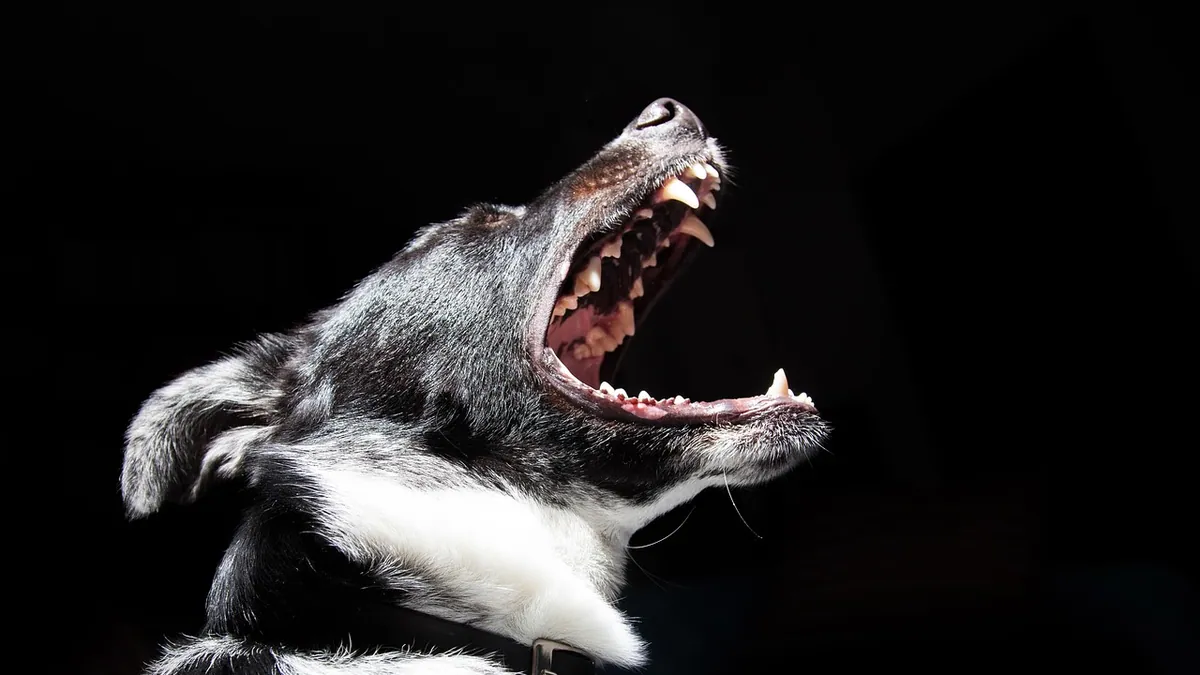
If your dog bites you or another person, treat the wound first, then deal with the behavior. Wash the bite right away, get medical care for anything beyond a tiny scrape, and report the bite to your local animal control or health department as your area requires. Then take steps to keep it from happening again. This article is educational and is not a substitute for veterinary diagnosis or treatment.
Quick Answer
- Wash the wound with soap and running water for several minutes, then cover it and get medical attention. Deep bites, bites on the hands, face, or joints, and any bite that breaks skin need a doctor's evaluation.
- Confine your dog away from the person who was bitten and from other people until you can assess the situation calmly.
- Report the bite to your local animal control or health department. Rabies quarantine rules are set by state and local law, not by your veterinarian.
- Call your veterinarian the same day to check your dog's rabies vaccination status and overall health.
- Do not punish the dog after the fact. Punishment increases fear and makes the next bite more likely.
Why Dogs Bite: The Normal Reasons First
Most bites are not random. Dogs bite when a normal dog behavior meets a situation the dog cannot escape.
Fear and anxiety top the list. A dog who is cornered, startled, or approached by a stranger may bite to create distance. The ASPCA advises people to avoid any dog showing signs of fear, aggression, or anxiety, and to remember that a wagging tail or a crouched body does not always mean friendliness [1].
Resource guarding is another common trigger. A dog may bite when someone takes food, a toy, or a chewed item. A survey of dog owners found that injuries were more likely during grooming, giving medication, removing food or toys, breaking up dog fights, and close physical contact like petting, hugging, and kissing [2]. Those are ordinary parts of living with a dog, which is why bites so often involve family members.
Pain and handling sensitivity matter too. A dog with an ear infection, arthritis, or a sore tooth may bite during routine touch that used to be fine.
Play biting is different from aggression. Puppies and young dogs mouth to explore and to learn. Bite inhibition is a dog's ability to control how hard he mouths. A dog who never learned bite inhibition with people does not recognize how sensitive human skin is, so he bites too hard even in play [3]. Dogs usually learn this during play with other dogs, where a too-hard bite makes the playmate yelp and stop playing [3]. People can teach the same lesson.
Medical Causes to Rule Out Before You Assume It Is Behavioral
Sudden biting in a dog who was never aggressive deserves a veterinary exam. Pain is the most common medical driver. Dental disease, ear infections, anal gland problems, orthopedic pain, and skin conditions can all make a dog defensive about touch.
Vision and hearing loss change how a dog reads the world. An older dog who cannot see you approach may startle and snap.
Neurologic disease, hormonal disease, and cognitive dysfunction in senior dogs can also change behavior. Your veterinarian can examine your dog, run baseline lab work, and decide whether a medical workup is warranted. If your dog has a seizure disorder or a sudden neurologic event, that is a separate emergency. See What Do You Do When A Dog Has Seizure.
If your dog bites when you try to give medication, that is often a handling problem, not aggression. Practical techniques are covered in How to Give Your Dog a Pill When They Bite or Snap.
What to Do If My Dog Bites Someone: Step by Step
Step 1: Care for the wound
For a minor bite, wash the area with soap and warm running water for several minutes. Control bleeding with firm pressure. Cover the wound with a clean bandage. Dog bites carry a mix of bacteria, and infection is a real risk, so even a small puncture deserves a medical opinion.
For a serious bite, call 911 or go to an emergency room. Bites to the face, head, neck, hands, and genitals are higher risk. Children are especially vulnerable. Pediatric dog bite victims have higher rates of cranial trauma requiring surgical specialist involvement, and they are more likely to need an operation [4]. About 100,000 children are bitten each year in the United States [4].
Step 2: Separate and secure
Move your dog to a separate room, crate, or yard away from the injured person. Do not scold the dog in the moment. Keep the dog contained until you have a plan.
Step 3: Report the bite
Contact your local animal control agency or health department. Reporting rules vary by state and city. In many places, a dog who bites must be confined and observed for a set period, often 10 days, to watch for rabies signs. Your veterinarian does not set these rules, your local health authority does.
Step 4: Gather the facts
Write down what happened while it is fresh. Note the time, location, what the person was doing, the dog's body language, and whether the dog had been sick or injured. If the bite involved someone else's dog, DNA analysis from clothing can identify the offending dog even without visible bite marks, which matters for rabies and legal follow-up [5].
Step 5: Call your veterinarian
Your vet will confirm the dog's rabies vaccination status and check for pain or illness. If your dog is overdue on rabies vaccination, the quarantine rules change and the situation becomes more serious.
Step 6: Get a behavior assessment
A single bite is a warning. A certified behavior professional can evaluate the trigger, the dog's history, and the household setup. Ask your veterinarian for a referral.
What to Do If Your Dog Bites You and Breaks Skin
A bite that breaks skin is a medical event for you and a behavioral event for your dog.
Wash the wound thoroughly, then see a healthcare provider. Bites that break skin can seed infection deep in tissue, and puncture wounds can look small while doing damage underneath. Tetanus status matters, and rabies exposure must be assessed.
On the dog side, a bite that breaks skin means the dog's inhibition failed or the dog felt a serious threat. Either way, this is the point to stop managing it alone. A dog who has bitten hard enough to break skin needs a veterinary exam and a behavior plan.
Do not wait to see if it happens again. The next bite is often worse.
What to Do If Your Dog Gets Bitten by Another Dog
Your dog is now the patient.
Check for puncture wounds, especially on the neck, chest, and abdomen, where damage can be hidden under fur. Punctures from a larger dog's canine teeth can push bacteria deep into tissue and into the chest cavity.
Call your veterinarian or an emergency clinic right away. Bite wounds often need clipping, cleaning, and sometimes surgical exploration. Your vet will decide whether antibiotics are needed, and the dose is calculated from your dog's weight and health.
Get the other dog's rabies vaccination information if you can. Report the incident to animal control if the other dog is unknown or unvaccinated.
Watch your dog for lethargy, swelling, drainage, trouble breathing, or pain over the next several days. These signs mean a return visit.
What Not to Do After a Bite
Do not hit, alpha roll, or punish the dog after a bite. Punishment does not teach a dog what to do instead. It teaches the dog that people are unpredictable, which raises the odds of a harder bite next time.
Do not assume the dog is "dominant" or "bad." That framing has no basis in how bites actually happen. Bites come from fear, pain, resource guarding, and failed communication.
Do not reenact the situation to "test" the dog. Setting up a repeat of the trigger is how second bites happen.
Do not rely on muzzles as a permanent fix. A muzzle is a management tool for specific situations, not a cure.
Do not skip the veterinary exam because the dog "seems fine." Pain and illness are common hidden causes.
Preventing the Next Bite
Teach bite inhibition early
If you have a puppy, let him play with other vaccinated puppies and gentle adult dogs under supervision. Puppies learn mouth control from playmates who yelp and pause when a bite is too hard [3]. When your puppy bites you too hard during play, yelp, stop the game, and pause briefly, then resume. This mirrors what other dogs do [3].
Read body language
Learn the early signs of stress: lip licking, whale eye (showing the whites), tucked tail, stiff body, backing away, and freezing. A dog who is showing these signs is asking for space. Give it. Avoid any dog showing signs of fear, aggression, or anxiety, no matter what else the dog is doing [1].
Change how people interact with your dog
Ask visitors to let the dog approach them. Have them offer a closed hand to sniff, then pet the shoulders or chest, not the top of the head [1]. Skip hugs and kisses with dogs who show discomfort. Close physical contact is one of the interactions linked to bite injuries [2].
Manage resources
Feed your dog in a quiet spot away from foot traffic. Do not take food or toys away as a training exercise. Trade instead: offer something better and let the dog choose to give up the item.
Handle medical care differently
If grooming, nail trims, or medication cause bites, change the setup. Use a muzzle for those specific tasks after positive muzzle training. Ask your veterinarian about pre-visit calming options. The dose is calculated from your dog's weight and health, so your vet sets it.
Reduce dog-to-dog conflict
If your dog bites during fights with other dogs in the home, that is a separate and serious problem. See Dog Aggression Towards Other Dogs: How to Manage and When to Get Help.
Know the household risk
Children are bitten far more often than adults, and bites to the head and neck are common in that group [6]. Supervise kids around dogs, teach them not to approach a dog who is eating or sleeping, and never leave a young child alone with any dog.
When to Involve a Veterinarian or Behavior Professional
Call your veterinarian the same day if your dog bit someone, if the bite broke skin, if your dog is overdue on rabies vaccination, or if your dog shows any sign of pain or illness.
Ask for a referral to a veterinarian who specializes in behavior or a certified applied animal behaviorist if your dog has bitten more than once, if the bite was severe, if the dog guards resources, or if you feel unsafe managing the behavior at home.
A dog bite is a public health event. Emergency department data show that dog bite visits rose sharply in recent years, with about 12% of patients requiring admission and a median hospital stay of 40 hours [6]. This is not a problem to handle quietly on your own.
Limitations and When to Contact a Veterinarian
This article cannot assess your dog or your household. Individual cases need a veterinarian who can examine the dog and review the full history.
Contact a veterinarian the same day if your dog bit a person, if your dog was bitten by another dog, if your dog is limping, yelping when touched, or showing pain, or if your dog's rabies vaccination is not current.
Go to an emergency clinic now if your dog has deep puncture wounds, heavy bleeding, trouble breathing, a swollen or distended abdomen, or collapse after a dog fight. For the human who was bitten, seek emergency care now for bleeding that will not stop, bites to the face, hands, or joints, numbness, or signs of infection like spreading redness, heat, or fever.
Call your veterinarian for a routine visit if your dog has started growling, snapping, or guarding items, even without a bite. Early behavior changes are easier to work with than a bite history.
Frequently Asked Questions
Should I quarantine my dog after a bite?
Yes, in most jurisdictions. Local animal control or your health department sets the quarantine period and location, and it is often 10 days of confinement and observation. Your veterinarian confirms vaccination status, but the health authority enforces the rule.
Can my dog be declared dangerous after one bite?
That depends on your state and city laws. Many places have a threshold based on bite severity, prior history, and whether the victim was provoked. Contact your local animal control agency to learn the rules where you live.
Will my dog be euthanized for biting someone?
Not automatically. Outcome depends on local law, bite severity, prior bites, and whether the dog has a treatable medical or behavioral cause. A veterinary behavior assessment and a written safety plan often carry weight in these decisions.
How long after a dog bite should I watch for infection?
Watch for the first several days and keep watching until the wound is clearly healing. Redness that spreads, warmth, swelling, pus, increasing pain, or fever mean you need medical care right away. Bites on the hands are especially prone to complications.
Can a dog bite transmit rabies even if the skin is barely broken?
Yes, any break in the skin counts as exposure. That is why reporting the bite and confirming the dog's rabies vaccination status matters so much. If the dog is unknown or unvaccinated, a healthcare provider will decide whether rabies prophylaxis is needed, and that decision should be made quickly.
Related Articles
- What To Do If Your Dog Is Stung
- Dog Aggression Towards Other Dogs: How to Manage and When to Get Help
- What To Do If Your Dog Stung By Bee
- How to Give Your Dog a Pill When They Bite or Snap
- What Do You Do When A Dog Has Seizure
- Dog Had Seizure What To Do
- Dog Bite Wounds: Home Care and When to Get Help
- Why Is My Puppy Attacking Me? Play Biting vs Aggression
- Dog Attacking Other Dogs in the Home: How to Stop It
References
- Dog Bite Prevention. ASPCA Animal Poison Control Center.
- When Affection Becomes Risk: Human-Dog Interactions Associated with Bite and Scratch Injuries in a Survey of Dog Owners' Knowledge, Attitudes, and Practices in Thailand. Animals : an open access journal from MDPI, 2026.
- Mouthing, Nipping and Play Biting in Adult Dogs. ASPCA Animal Poison Control Center.
- Age Matters: Predicting Outcomes After Dog Bite Injuries. The American surgeon, 2026.
- A Case of Dog Bite Identification Using Trace DNA Recovered from Clothing Without Apparent Bite Marks. Animals : an open access journal from MDPI, 2025.
- When the Dog Bites: A 5-Year Retrospective on Canine Bite Encounters. Southern medical journal, 2026.