Do Puppies Imprint? How Bonding Really Works
By Dr. Zubair Khalid, DVM, MS, PhD ·
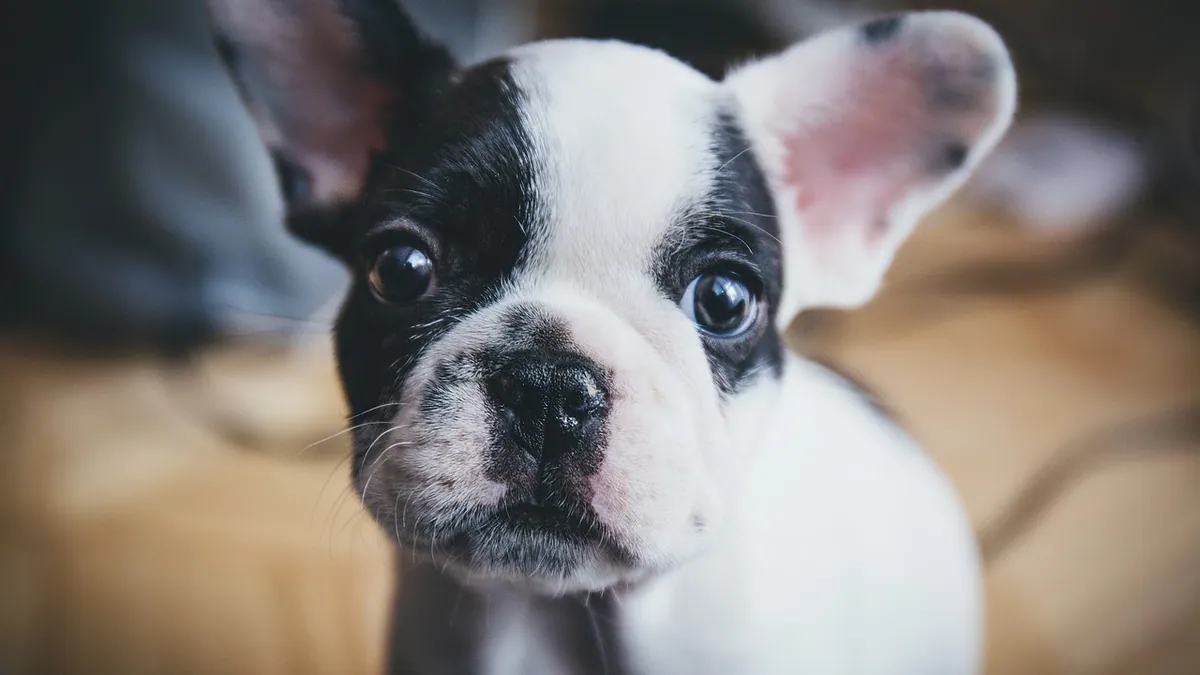
Do puppies imprint on their owners in the way ducklings imprint on a mother duck? Not exactly. Dogs form strong attachment bonds to the people who care for them, but this bond is built through socialization and daily experience, not a single fixed moment. If you are asking "do puppies imprint on their owners," the honest answer is that puppies go through a sensitive period when social bonds form easily, and that window shapes the relationship for years.
This article is educational and is not a substitute for veterinary diagnosis or treatment.
Quick Answer
- Puppies do not imprint like birds. They form attachment bonds during a sensitive socialization phase, roughly 3 to 12 weeks of age, when they learn who is safe and familiar [1].
- The quality of that bond matters for life. Dogs with secure attachment show lower heart rate and lower long-term cortisol, a stress hormone, than dogs with anxious attachment [2].
- Adoption timing affects behavior. Puppies adopted at 1 month or younger showed more fear, anxiety, and attention-seeking than puppies adopted later [1].
- Bonding continues after puppyhood. Adult dogs still build attachment through routine, training, play, and calm handling.
- Your dog's bond with you is real and measurable. Dogs sleep worse when separated from their owners, which shows how much the relationship affects them [3].
Do Puppies Imprint on Their Owners? What Is Really Happening
Imprinting is a specific type of learning seen in some birds and other animals. A young animal sees a moving object during a short critical period and follows it for life. Dogs do not do this.
What puppies do instead is form social attachments. During a sensitive period, the puppy's brain is primed to learn what is normal, safe, and friendly. This is when they form primary social bonds and adapt to new sights, sounds, people, and animals [1]. The word "sensitive" matters more than "critical." The window is not a light switch that flips off forever. It is a period when learning happens fast and easily.
So when owners ask "do dogs imprint," the better question is "how do dogs form attachment?" The answer is through repeated, positive contact with familiar people. Your puppy learns your voice, your smell, your routines, and your reactions. Over weeks, that learning becomes a bond that looks a lot like the attachment human infants form with a parent [3].
This is also why the human-animal bond is so powerful in both directions. Pets offer comfort that protects against depression and loneliness, especially during stressful periods [4]. The relationship is not one-sided. You shape your dog, and your dog shapes you.
When Do Dogs Imprint? The Socialization Window
The socialization phase runs from about 3 to 12 weeks of age [1]. During this time, puppies are most open to new experiences. Positive exposure to people, other dogs, sounds, surfaces, and handling helps prevent fear and aggression later.
A lack of positive experiences during this period can lead to adult behavior problems like fear, aggression, or anxiety [1]. That is why breeders and new owners both play a role. Many small-scale breeders keep dogs in home environments and report frequent use of enrichment, socialization, and training practices, and they emphasize the importance of early-life care [5].
What happens if a puppy is adopted too early
Timing of adoption matters. In one study of 107 dogs, puppies adopted at 1 month or younger showed higher behavioral signs of fear, anxiety, and attachment and attention-seeking tendencies than puppies adopted later [1]. Puppies sold before 6 weeks of age, or without the buyer seeing the mother before purchase, were also linked to later health problems in a large UK cohort [6].
This does not mean an early-adopted puppy is doomed. It means the first weeks are a sensitive time, and a puppy who misses early lessons may need extra patience and structured help.
Does the window ever close?
The intense socialization window narrows after about 12 to 16 weeks, but learning never stops. Adult dogs continue to form and deepen attachments. Dogs show human-like attachment behavior toward their owners throughout life [3]. A rescue dog adopted at 3 years old can still become deeply bonded to you.
How Do Dogs Imprint? Attachment Science in Plain Words
Attachment is the emotional bond that makes a dog look to you for safety. Researchers study it with a test called the Strange Situation Procedure, borrowed from human infant research [2]. In this test, the dog stays with the caregiver, the caregiver leaves, a stranger enters, and then the caregiver returns. How the dog responds reveals the attachment style.
Dogs with secure attachment stay calmer. They greet the caregiver, settle, and explore. Dogs with anxious attachment cling, panic, or take longer to recover. The physiology follows the behavior. Anxious attachment in dogs was linked to stronger acute stress responses, including higher heart rate, rectal temperature, and salivary cortisol [2]. Dogs who were more willing to maintain contact with their caregiver had lower heart rate and lower hair cortisol, which suggests secure attachment protects against chronic stress [2].
Attachment also changes how dogs sleep. In a study using non-invasive sleep monitoring, family dogs slept worse when they slept near a friendly stranger instead of their owner [3]. That is a measurable sign of how much the owner means to the dog.
One caution: stress behaviors are not simple. A study of 64 dogs found that common stress signals like shaking, lip licking, and yawning did not rise and fall in a straight line with stress levels, and their meaning differed by attachment style [7]. So do not read too much into a single behavior. Look at the whole picture.
Medical Causes to Rule Out Before You Blame Behavior
Sometimes what looks like a weak bond or a behavior problem has a medical cause. Pain, vision loss, hearing loss, dental disease, arthritis, and thyroid problems can all change how a dog interacts with people. A dog who suddenly stops greeting you, hides, or becomes clingy may be sick, not distant.
Puppies have their own medical issues. Intestinal parasites, ear infections, and skin problems are common and can make a puppy irritable or withdrawn. If your puppy seems off, start with a veterinary exam.
When Bonding Problems Become a Real Problem
It is normal for a new puppy to cry at night or follow you everywhere for a few weeks. It is not normal for a dog to panic every time you leave the house, destroy doors, or hurt themselves trying to escape. That pattern points to separation-related distress, which is a welfare problem, not a training failure.
Other signs that need attention include:
- Freezing, hiding, or growling when approached
- Refusing to eat when you are out of sight
- Extreme clinginess that never improves
- Fear of all new people or dogs after 16 weeks of age
- Sudden behavior changes in an adult dog
Anxious attachment is linked to stronger stress responses in the body [2]. That means these behaviors are not just annoying. They affect the dog's health.
How to Build a Strong Bond: Step by Step
1. Use the socialization window well
From 3 to 12 weeks, expose your puppy to new people, sounds, surfaces, and gentle handling [1]. Keep every experience positive. Short, calm sessions beat long, overwhelming ones. Let the puppy approach at their own pace.
2. Be predictable
Dogs bond to patterns. Feed, walk, train, and rest at similar times each day. Predictable care teaches your dog that you are a safe base. This is the same secure-base idea seen in attachment research [2].
3. Train with rewards
Reward-based training builds trust and communication. It also gives your dog a way to earn good things from you, which strengthens the bond. Keep sessions short and end on success.
4. Practice calm separations
Teach your puppy that you leave and come back. Start with seconds, then minutes. Build up slowly. This prevents panic later and supports secure attachment.
5. Protect sleep
Dogs sleep worse without their owners [3]. Give your dog a quiet sleeping spot near the family when possible, especially during the first months.
6. Move together
Most dog owners say their dog helps them stay physically active [8]. Walks, fetch, and sniff time are bonding time. Sniffing lowers arousal and lets your dog relax.
7. Learn your dog's signals
Watch the whole body, not one behavior. Stress signals are context-dependent and vary by attachment style [7]. If you learn your dog's normal, you will spot real distress faster.
For more on how deep this relationship can go, see Is Your Dog Human? Understanding Canine Behavior and Bonding and What Is a 'Dog Man'? Understanding the Bond Between Men and Their Dogs. If you are curious about how appearance shapes the way people treat dogs, read Cute Dogs: The Science of Cuteness and Its Impact.
What Not to Do
Do not punish fear. A scared puppy who is scolded for hiding learns that people are unpredictable. That pushes the dog toward anxious attachment, which is linked to higher stress hormones [2].
Do not believe these common myths:
- "You must let a puppy cry it out alone to avoid spoiling them." Meeting a puppy's need for safety builds secure attachment, not dependence.
- "A dog who follows you everywhere is dominant." Following is often attachment behavior, not a power play.
- "You can't bond with an older dog." Adult dogs form strong owner bonds too [3].
- "One bad experience ruins a dog forever." The sensitive period matters, but recovery and learning continue.
Do not use shock, prong, or choke corrections on a fearful dog. These tools can worsen anxiety and damage trust. If you are already using them, talk to a veterinarian or certified behavior professional about a safer plan.
When to Involve a Veterinarian or Behavior Professional
Call your veterinarian if your puppy or dog shows:
- Panic when left alone, including self-injury
- Sudden behavior changes, especially in an adult dog
- Fear that is getting worse instead of better
- Aggression, growling, snapping, or biting
- Not eating or drinking normally
Your veterinarian can check for medical causes and discuss behavior treatment. For serious cases, ask for a referral to a board-certified veterinary behaviorist or a certified applied animal behaviorist. Early help works better than waiting.
Limitations and When to Contact a Veterinarian
Every dog is an individual, and this article cannot cover your dog's specific situation. A veterinarian who examines your dog can give advice that fits.
Contact a veterinarian the same day if your puppy or dog:
- Stops eating or drinking
- Has vomiting, diarrhea, or lethargy that lasts more than a day
- Shows sudden weakness, wobbling, or collapse
- Has a swollen, painful, or injured area
Go to an emergency clinic now if your dog:
- Has trouble breathing
- Has a seizure that lasts more than a few minutes or repeats
- Collapses and cannot stand
- Has heavy bleeding or a suspected broken bone
- Ate something toxic or unknown
For routine concerns like mild behavior changes, gradual fear, or bonding questions, book a normal appointment. Your veterinarian can rule out medical causes and guide next steps.
Frequently Asked Questions
Do puppies imprint on their owners like baby ducks?
No, puppies do not imprint the way ducks do. They form attachment bonds through socialization and repeated positive contact, mainly during the sensitive period from about 3 to 12 weeks of age [1]. The bond keeps growing after that window closes.
Can you bond with a dog that is already grown?
Yes, adult dogs form strong owner attachments. Dogs show human-like attachment behavior toward their owners across their lives, and they even sleep worse when their owner is absent [3]. Bonding with an adult dog takes patience, routine, and calm handling, but it happens.
Is it bad if my puppy follows me everywhere?
Following you is usually normal attachment behavior, not a problem. It becomes a concern if your puppy panics when you leave, cannot settle, or hurts themselves during separations. That pattern deserves a veterinary or behavior consultation.
Does getting a puppy too early cause behavior problems?
It can raise the risk. Puppies adopted at 1 month or younger showed more fear, anxiety, and attention-seeking than puppies adopted later [1]. Puppies sold before 6 weeks of age were also linked to later health problems [6]. If your puppy came home early, extra socialization and gentle training can help.
How long does it take for a puppy to bond with a new owner?
There is no fixed number, but most puppies start showing clear attachment within the first few weeks at home. The sensitive socialization period from 3 to 12 weeks is when bonding happens fastest [1]. Consistent feeding, play, training, and calm handling speed up the process.
Related Articles
- Is Your Dog Human? Understanding Canine Behavior and Bonding
- What Is a 'Dog Man'? Understanding the Bond Between Men and Their Dogs
- Cute Dogs: The Science of Cuteness and Its Impact
- Can Dogs Be Intersex? Signs, Diagnosis, and Care
- Pregnancy Diagnosis in the Bitch: Methods and Interpretation
- Introducing a New Pet to Resident Pets, and to a New Baby
- Does My Dog Love Me? Real Signs of Bonding
- Do Dogs Miss Their Owners? Bonding and Memory Explained
- How to Tell If My Puppy Trusts Me: Building Bond
References
- The Puppies' Age at Adoption Time Influences the Behavioral Responses of Adult Dog. Veterinary sciences, 2025.
- Attachment patterns toward the caregiver modulate canine physiological indicators of acute and chronic stress. Scientific reports, 2026.
- Family Dogs' Sleep Macrostructure Reflects Worsened Sleep Quality When Sleeping in the Absence of Their Owners: A Non-Invasive Polysomnography Study. Animals : an open access journal from MDPI, 2025.
- Human Health Benefits of Pet Ownership - Special Subjects. Merck Veterinary Manual.
- A Survey of Reported Practices and Values of Smaller-Scale Dog Breeders in Canada. Animals : an open access journal from MDPI, 2026.
- Sold a pup? Impact of purchasing practices, owner and dog demographics, and puppy early-life experiences on later canine health outcomes in the UK. Animal welfare (South Mimms, England), 2026.
- Rethinking dog stress behaviours: contextual and physiological insights from the attachment framework. The veterinary quarterly, 2026.
- Human animal bond. Cornell University College of Veterinary Medicine.