Do Kittens Miss Their Siblings? Separation Explained
By Dr. Zubair Khalid, DVM, MS, PhD ·
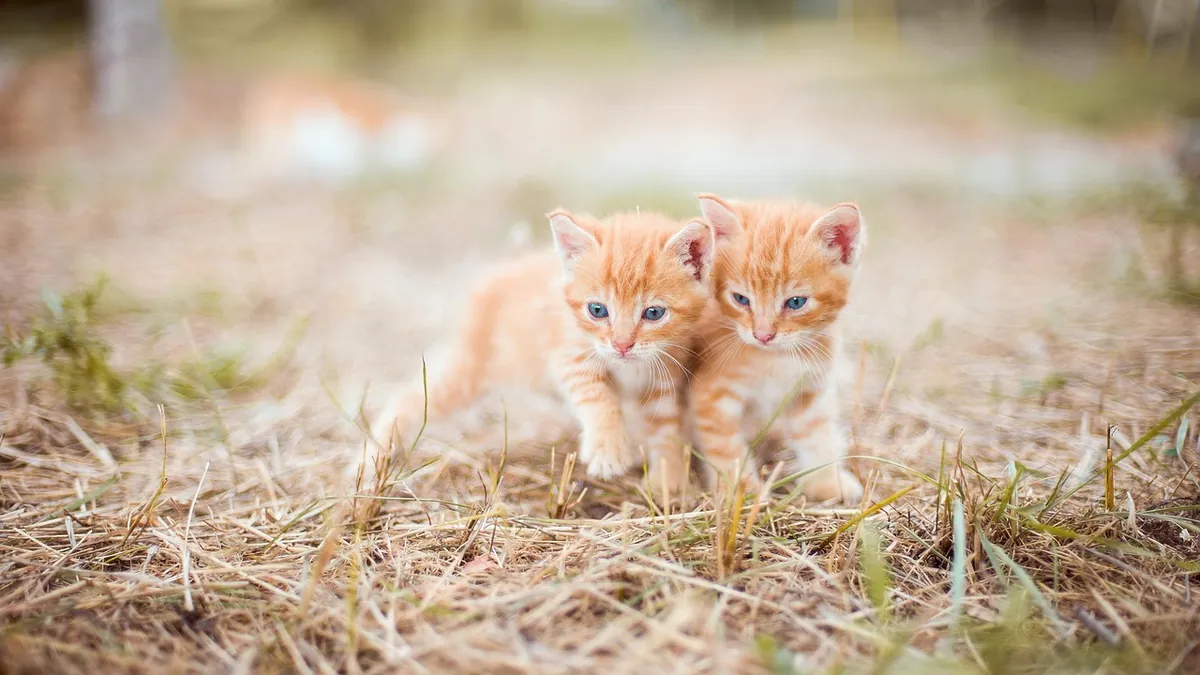
Yes, most kittens do miss their siblings. Kittens are social animals, and separating them from littermates and their mother triggers a stress response that can last days to a few weeks. The good news is that with the right setup, most kittens adjust well and form a strong bond with their new family.
This article is educational and is not a substitute for veterinary diagnosis or treatment.
Quick Answer
- Kittens separated from their littermates often cry, pace, and search for the missing cats, especially in the first few days.
- This distress usually eases within one to two weeks as the kitten settles into a routine and bonds with you.
- Young kittens cannot regulate their own body temperature well, so a warm, draft-free sleeping spot is essential in the first weeks [1].
- Daily play, handling, and time in the room where you spend most of your day help kittens adjust to normal household sounds and your voice [2].
- Sudden hiding, not eating, or litter box changes are reasons to call your veterinarian, not signs to wait out.
Why Do Kittens Miss Their Littermates?
Kittens are not born solitary. In the first weeks of life, they stay in a nest with their mother and siblings, and that group is their entire world. When a kitten is removed from that group, the separation is a stressful event. Research on neonatal mammals shows that isolated young animals emit distress calls and increase their movement, which likely evolved to help the mother find them and bring them back [3].
That is the biology behind the crying you hear at night. Your kitten is not being dramatic. It is doing exactly what a young cat is wired to do when it loses the nest.
What Separation Looks Like in a Kitten
Common signs include:
- Repeated meowing, especially at night or when left alone
- Pacing, climbing, or trying to follow you from room to room
- Clinginess, including wanting to sleep on or against you
- Reduced interest in food for the first day or two
- Hiding under furniture or in closets
These behaviors are normal in a newly separated kitten. They usually soften as the kitten learns that you are a safe, reliable source of food, warmth, and comfort.
Do Kittens Forget Their Siblings?
Yes, most kittens forget their siblings over time. Once a kitten bonds with a new household and a new routine, the memory of littermates fades, and the distress behaviors stop. This is one reason early separation is survivable for most kittens, even though it is stressful at the time.
How Long Do Kittens Miss Their Siblings?
The intense phase usually lasts a few days to about two weeks. After that, most kittens shift their attachment to their new caregiver. Attachment research in cats shows that a familiar person's presence supports exploratory and play behavior, and that cats seek more physical contact after separations [4]. In other words, you become the new anchor.
Do Cats Miss Their Kittens?
Mother cats can also show distress after their kittens are removed, particularly if the separation happens abruptly. A queen may call, search, and pace for a period after weaning or rehoming. This typically resolves as her milk dries up and her routine returns to normal. If a mother cat seems unwell during this time, have her checked, because nursing and weaning can affect her appetite and body condition.
Medical Causes to Rule Out
Not every crying, hiding, or clingy kitten is simply missing a sibling. Some signs overlap with medical problems, and kittens decline quickly when something is wrong.
Call your veterinarian if your kitten:
- Stops eating or drinking for more than a few hours
- Has diarrhea, vomiting, or a swollen belly
- Feels cold, limp, or unusually quiet
- Breathes fast or with effort
- Has discharge from the eyes or nose
- Cries constantly without settling even when held
Young kittens have small reserves. A kitten that is not eating can become dangerously weak within a day. Do not wait to see if it improves on its own.
When Missing Siblings Becomes a Problem
Normal separation distress fades. A problem is more likely when the behavior gets worse instead of better, or when it interferes with basic needs.
Watch for:
- No improvement after two to three weeks
- Crying that prevents the kitten from sleeping or eating
- Destructive behavior, constant pacing, or attempts to escape
- Extreme fear of being alone, even in a familiar room
- Hiding that lasts most of the day
If your kitten shows these patterns, it may be developing a longer-term anxiety problem. You can read more about the signs and management options in Cat Separation Anxiety: Signs and How to Help. Persistent hiding can also have other causes, which are covered in Why Is My Cat Hiding?.
What to Do Step by Step
Set Up a Safe Base Camp
Start your kitten in one small, quiet room instead of the whole house. This gives it a predictable space and makes it easier to find food, water, and the litter box.
Line the bottom of the sleeping area with newspaper, blankets, or towels [1]. Provide a heat source, such as a heating pad or lamp, for young kittens that cannot yet regulate their body temperature. Any heating pad must go under a blanket or towel so it never touches the kitten's skin directly, and it should cover only part of the nesting area so the kitten can move away if it gets too hot [1].
Use non-clumping litter for kittens that are still learning the box. Kittens may ingest some litter while exploring, and clumping litter can cause complications if swallowed [1].
Feed on a Schedule
Young kittens need to eat frequently because their stomachs are small. Wet and dry food can both be offered, and food bowls can be filled at least three times a day [2]. If you have more than one kitten, watch mealtime closely so a pushier kitten does not crowd the others away from the food [2].
If you are hand feeding an orphan, feed one kitten at a time on a flat surface with all four paws down and the head level, which mimics the nursing position. Never feed a kitten on its back like a human baby [1].
Build a Routine Around Play and Handling
Play is one of the most powerful tools you have. Play with your kitten every day, or at least keep it in the room where you spend most of your time. This helps it get used to normal household sounds like the television, laundry, and dishwasher, and to the sound of your voice [2].
You will start to see your kitten's personality emerge during these sessions. Some kittens are bold and outgoing, others are shy. Let each kitten develop at its own pace instead of pushing it to match a sibling [2].
Help With Grooming and Comfort
Kittens learn to groom themselves partly by watching adult cats. If there is no adult cat in the home, you can help by rubbing and petting your kitten with a warm, only slightly damp washcloth. This simulates a mother cat cleaning her kittens and helps keep a messy kitten clean [2].
Consider a Companion
If your kitten came from a litter and you were able to adopt a sibling too, keeping them together can reduce distress for both. If that is not possible, a calm, healthy adult cat can sometimes fill the social role. When you add a second cat, introductions matter. Follow a slow, structured process like the one in Introducing New Kitten.
Give the Bond Time
Attachment in cats is built on familiarity and predictability. Cats in home settings show more exploration and play, especially after reuniting with a familiar caregiver, while cats in less familiar environments show more passive behavior and more frequent purring after reunion [4]. Your steady presence, feeding schedule, and gentle handling are what turn you into the new attachment figure.
What Not to Do
- Do not punish the crying. Yelling, spraying, or startling a distressed kitten adds fear to an already stressful situation and can make the behavior worse.
- Do not lock the kitten away in a distant room to "cry it out." Isolation is the very thing causing the distress [3].
- Do not assume a kitten is fine because it is quiet. A silent, withdrawn kitten can be sick or shut down.
- Do not rush socialization. Kittens develop at different speeds, and pushing a shy kitten too fast backfires [2].
- Do not skip warmth for very young kittens. A cold kitten cannot digest food well and can decline quickly [1].
- Do not believe the myth that kittens are better off alone. Social contact, whether with a person or another cat, supports healthy development.
When to Involve a Veterinarian or Behavior Professional
Call your veterinarian if your kitten is not eating, is losing weight, has vomiting or diarrhea, feels cold, or seems weak. These are medical concerns, not behavior concerns.
Ask for a behavior referral if distress behaviors are severe, if your kitten injures itself trying to escape, or if there is no improvement after several weeks of consistent routine and enrichment. A certified behavior professional can build a structured plan for your specific kitten.
If your kitten is hiding and also having accidents outside the litter box, that combination needs prompt veterinary attention. See Why Is My Cat Suddenly Hiding and Not Using the Litter Box? for what those signs can mean.
Limitations and When to Contact a Veterinarian
This article covers general patterns. Every kitten is an individual, and only a veterinarian who examines your kitten can assess its health and behavior properly.
Contact a veterinarian the same day if your kitten:
- Has not eaten in 12 to 24 hours
- Has repeated vomiting or diarrhea
- Feels cold to the touch or is limp
- Cries nonstop and cannot be comforted
- Shows sudden hiding along with appetite loss
Go to an emergency clinic now if your kitten:
- Is struggling to breathe
- Collapses or cannot stand
- Has a seizure
- Is unresponsive or very difficult to wake
- Has been exposed to a toxin or medication
Schedule a routine visit for a new kitten within the first few days of bringing it home. A veterinarian can check for parasites, start vaccines on the right schedule, and confirm your kitten is healthy enough to focus on settling in. If you ever suspect poisoning, contact a pet poison hotline right away.
Frequently Asked Questions
Do kittens miss their siblings at night?
Yes, nighttime is often when separation distress is loudest. Kittens are used to sleeping in a warm pile with littermates, so a quiet, dark room alone feels unfamiliar. A warm sleeping spot, a soft bed, and keeping the kitten in your bedroom for the first weeks can help.
Is it better to adopt two kittens instead of one?
For many families, yes. Littermates or a well-matched pair keep each other company, burn off energy together, and often settle into a new home faster. If you can only take one kitten, plan for more hands-on playtime and consider a slow introduction to another calm cat later.
Will my kitten be okay if it was separated from its mother too early?
Most orphaned kittens do adjust, and research has not found detectable differences in telomere length, a marker of cellular aging, between orphaned and mother-reared kittens in the samples studied [5]. Early separation is still a stressor, so extra warmth, feeding support, and gentle handling matter in the first weeks [1].
How do I know if my kitten is sad or sick?
Sadness from separation usually shows up as crying, clinginess, and pacing that improves with comfort and time. Illness tends to bring appetite loss, vomiting, diarrhea, lethargy, or breathing changes. If your kitten stops eating or seems weak, treat it as a medical issue and call your veterinarian.
Can an adult cat help a lonely kitten adjust?
Often, yes. An adult cat can model grooming and social behavior, and kittens without an adult cat at home may need you to simulate some of that care with a warm, damp washcloth [2]. Introductions should be gradual and supervised, and both cats need their own food, water, litter, and resting spots.
Related Articles
- Cat Separation Anxiety: Signs and How to Help
- Introducing New Kitten
- Why Is My Cat Hiding?
- Why Is My Cat Suddenly Hiding and Not Using the Litter Box?
- Dog Separation Anxiety When One Person Leaves Reddit
- Does Dog Separation Anxiety Go Away
- Do Kittens Remember Their Siblings and Mom?
- Do Kittens Remember Their Mother? What Science Says
- Do Kittens Think You Are Their Mom? Bonding Explained
References
- Orphaned Kittens. Pet Poison Helpline.
- Kitten Care. Pet Poison Helpline.
- The effect of premature maternal separation on distress vocalizations and activity in kittens (Felis catus) during a brief nest separation. Applied animal behaviour science, 2020.
- Impact of Living Environment on Attachment Behaviour in Domestic Cats from Private Homes and Shelters. Animals : an open access journal from MDPI, 2025.
- Early maternal separation is not associated with changes in telomere length in domestic kittens (Felis catus). PeerJ, 2021.