Are Cats in Pain When in Heat? Feline Estrus Explained
By Dr. Zubair Khalid, DVM, MS, PhD ·
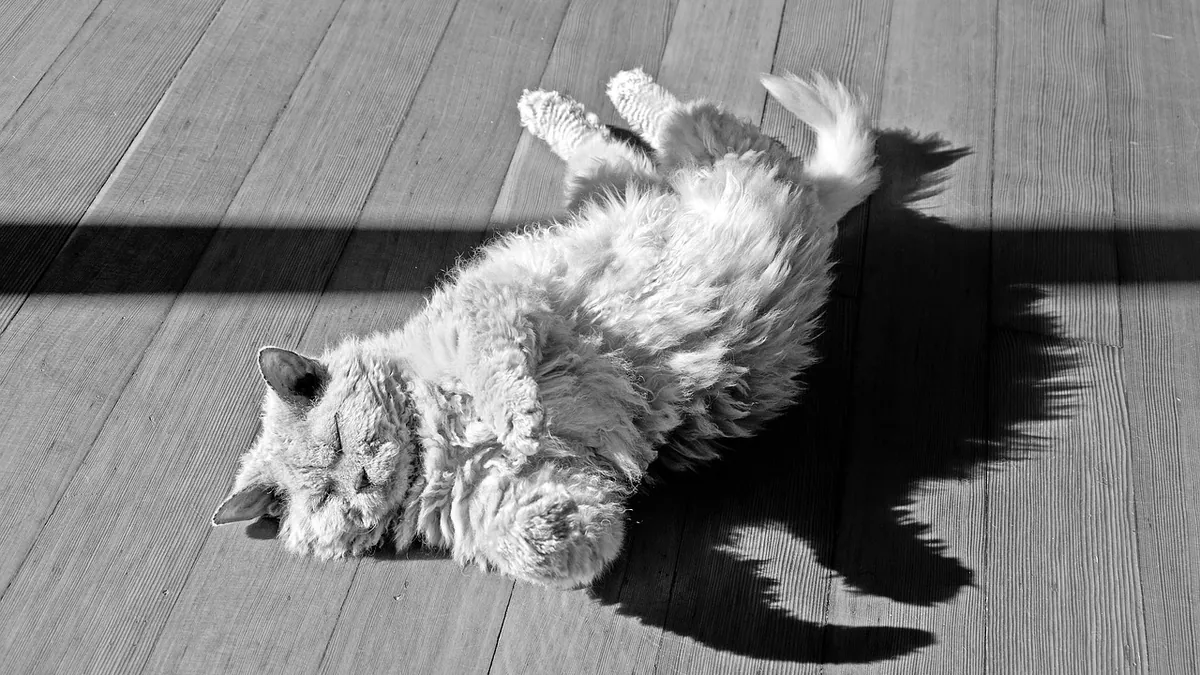
Are cats in pain when in heat? For most healthy queens, no. Estrus is driven by a surge of estrogen and produces intense, restless, sometimes frantic behavior, but it is not a painful condition in the way an injury or infection is [1][2]. What you see can look like distress, and that gap between appearance and reality is exactly what this guide explains.
This article is educational and is not a substitute for veterinary diagnosis or treatment.
Quick Answer
- Estrus in cats is a normal hormonal phase, not a disease, and the behavior is courtship signaling instead of a pain response [1][2].
- A queen in heat may yowl, roll, pace, and hold her rear end up, and she may eat and sleep less, which owners often read as suffering.
- Cats are induced ovulators, meaning mating triggers ovulation, so a queen who does not mate can cycle in and out of heat for weeks [1][3].
- Real pain during this time usually points to something else, most seriously a uterine infection such as pyometra, which is a medical emergency.
- Spaying removes the ovaries and uterus, ends the cycles, and eliminates the pyometra risk.
What Estrus Actually Is in Plain Words
Estrus is the fertile window of a cat's reproductive cycle. In the United States, the common term is "heat." A queen (an intact female cat) comes into heat when her ovaries produce follicles that release estradiol, the main form of estrogen [2]. That hormone rise changes her behavior, her posture, and her vocalizations. It does not inflame tissue or damage nerves the way a wound or an infection does.
Cats are seasonal, long-day breeders, so cycles cluster when daylight lengthens. They are also induced ovulators. Ovulation normally happens after mating stimulates the reproductive tract, which is why a queen who never mates may return to heat again and again [1][3]. A study of British Shorthair cats found estradiol peaked at roughly 230.8 pmol/L during estrus, a measurable but normal hormonal surge [2]. That number matters because it shows estrus is a predictable endocrine event, not a pain state.
One more layer: stress hormones interact with this system. In a study of 78 queens induced to ovulate, higher stress scores tracked with higher cortisol and progesterone concentrations [3]. So a cat who seems agitated in heat may genuinely be stressed, even though she is not in pain.
Are Cats Uncomfortable in Heat? Signs Owners Notice
Owners usually ask whether cats are uncomfortable in heat because the behavior is so loud and persistent. The honest answer is that many queens are restless and off their normal routine, but the signs are hormonal, not painful.
Behavioral signs
- Loud, low-pitched yowling, often at night
- Rolling on the floor and rubbing against people and furniture
- Pacing, restlessness, and increased activity
- Raising the hindquarters and treading the back feet when touched near the tail base
- Increased affection or, in some cats, irritability
Physical and routine changes
- Holding the tail to one side
- Slight vulvar swelling with a small amount of clear discharge
- Eating less and sleeping less during peak estrus
- Attempts to escape outdoors to find a mate
These signs can last several days per cycle, and cycles can repeat every two to three weeks during breeding season. If you want the full timing picture, see How Often Do Cats Go Into Heat? Feline Estrous Cycle & Signs Guide.
A useful comparison table
| What you observe | Typical estrus | Possible real problem |
|---|---|---|
| Vocalizing | Loud, rhythmic yowling | Crying that stops and starts with straining |
| Appetite | Mildly reduced for a few days | Refusing food for more than 24 hours |
| Discharge | Clear, scant | Thick, yellow, brown, or bloody |
| Abdomen | Normal | Swollen, tender, or tense |
| Energy | Restless but responsive | Lethargic, hiding, weak |
| Urination | Normal | Frequent, painful, or absent |
If urination looks painful or your cat is visiting the box constantly, that is a different problem. Compare the signs in Urinary Tract Infection Symptoms In Female Cats.
Causes and Risk Factors for Estrus and Related Problems
The cause of estrus is normal ovarian activity. The risk factors that matter are the ones that turn a normal cycle into a medical concern.
- Not being spayed. This is the single biggest factor. Intact queens cycle repeatedly and are exposed to pyometra, mammary tumors, and unwanted pregnancy.
- Age. Queens typically reach their first heat between 5 and 12 months, though timing varies with breed, weight, and season.
- Season and light. Longer daylight hours drive more cycling.
- Lactation. Estrus can occur even while a queen is nursing. In a survey of 108 breeders covering 238 litters, 49% of queens came into estrus during lactation, and 38% of those cases were linked to loss of maternal interest or reduced milk quantity that affected the kittens [4]. This is a real risk factor for litters, not just for the mother.
- Hormonal suppression drugs. Medications used to postpone or suppress estrus carry side effects and are not approved for this use in queens in the United States, so they require an informed conversation with your veterinarian [1].
- Uterine disease. Pyometra, a pus-filled uterus, is the most dangerous condition that can be mistaken for a bad heat cycle.
How Veterinarians Diagnose What Is Happening
Diagnosis starts with a history. Your vet will ask when the last heat was, whether your cat has mated, how long the signs have lasted, and whether eating, drinking, and urination have changed.
Physical examination
The vet checks temperature, hydration, abdominal comfort, and the vulva. A queen in normal estrus may have a slightly swollen vulva and a scant clear discharge. A queen with pyometra often has a fever, a painful abdomen, and thicker discharge, or no discharge at all if the cervix is closed.
Diagnostic tests
- Ultrasound. The most useful tool for looking at the uterus and ovaries. It can show fluid in the uterus and help distinguish an open from a closed pyometra.
- Blood work. A complete blood count and chemistry panel look for infection, dehydration, and organ changes.
- Hormone testing. Estradiol, progesterone, and luteinizing hormone can be measured to confirm cycle stage, though this is usually reserved for breeding management [2][5].
- Cytology or culture. A vaginal swab may be taken if infection is suspected.
If your cat is older, losing weight, or showing pain signs that do not fit estrus, your vet may also screen for other conditions. Pain in cats is often subtle, and the guidance in Cat Kidney Disease: How to Tell If Your Cat Is in Pain explains how to read those quieter signals.
Treatment Options
Treatment depends entirely on what is actually going on.
If your cat is simply in heat
No treatment is medically required. You can reduce stress by keeping her indoors, providing quiet spaces, and sticking to a predictable routine. Do not use human medications. Never give a cat pain reliever from your own cabinet, since several common ones are toxic to cats.
If you do not plan to breed, spaying is the definitive solution. It stops the cycles and removes the uterus, which also removes the pyometra risk.
If your cat has pyometra
This is a surgical emergency in most cases. The standard treatment is ovariohysterectomy, which removes the infected uterus. Some queens are stabilized first with intravenous fluids and antibiotics, then taken to surgery. Medical management with hormones and antibiotics exists but has a higher failure rate and is generally reserved for valuable breeding queens.
If your cat has a urinary problem
Bacterial urinary infections and feline lower urinary tract disease need their own workup and treatment. A cat who is straining, crying in the box, or producing only drops of urine needs to be seen promptly. The article Female Urinary Tract Infection Symptoms In Cats covers what those signs look like.
If you are managing breeding
Veterinarians sometimes use hormones to time ovulation. In one study, ovulation rates differed by method, with vaginal stimulation producing ovulation in 46.2% of queens, gonadorelin in 73.1%, and human chorionic gonadotropin in 100% [3]. These are clinical protocols, not something to attempt at home.
About estrus suppression drugs
Megestrol acetate has been used to suppress estrus in queens at 5 mg per cat daily for 3 days, then 2.5 to 5 mg once weekly for a maximum of 10 weeks, but this is an extra-label use and requires informed owner consent [1]. Mibolerone is effective at 50 mcg per cat per day but is not approved for queens because of liver toxicity [1]. Long-term deslorrelin implants have also suppressed estrus, with variable duration [1]. Any decision about these drugs belongs to you and your veterinarian, and dosing is based on your cat's weight and health status.
Recovery, Outlook, and Long-Term Management
For a healthy queen in a normal cycle, there is nothing to recover from. The behavior fades as estrogen falls, usually within several days, and she returns to her usual self. If she does not mate, she may cycle again in a few weeks.
After a spay, recovery is typically quick. Most cats go home the same day or the next morning and are back to normal activity within a few days, with a short period of restricted jumping and a check of the incision.
After pyometra surgery, the outlook is good when the condition is caught early. Cats treated promptly usually recover fully. Delays raise the risk of sepsis and death, which is why a swollen abdomen plus lethargy plus fever is never a wait-and-see situation.
Long term, the main management decision is whether to breed or spay. If you keep your cat intact, plan on regular veterinary visits, keep her indoors during heat to prevent pregnancy and injury, and learn her normal cycle so you can spot deviations early.
Prevention
- Spay your cat if you are not breeding. This prevents estrus, pyometra, and unwanted litters.
- Keep intact queens indoors during heat. Queens in heat will try hard to get outside.
- Track cycles on a calendar. Knowing her pattern makes it easier to tell normal from abnormal.
- Watch nursing mothers closely. Lactational estrus is common and can reduce milk supply, so weigh kittens and contact your vet if they are not gaining [4].
- Do not use leftover or human medications to quiet a cat in heat.
- Ask your vet before using any hormone product. Several are not approved for cats and carry real risks [1].
Limitations and When to Contact a Veterinarian
This article describes general patterns. Your cat is an individual, and only a veterinarian who examines her can tell you what her signs mean.
Contact an emergency clinic now if you see:
- A swollen, painful abdomen with lethargy, vomiting, or fever
- Thick, foul-smelling, yellow, brown, or bloody vaginal discharge
- Collapse, weakness, or labored breathing
- Straining to urinate with little or no urine produced
- Bleeding that does not stop
Call your veterinarian the same day if you see:
- Refusing food for more than 24 hours
- Crying that sounds different from her normal heat vocalizations
- Discharge of any color other than clear
- Signs lasting far longer than her usual cycle
- A nursing queen who loses interest in her kittens or whose milk drops [4]
Schedule a routine visit if:
- You want to discuss spaying
- You want to talk about breeding management
- You notice cycle changes over time
Frequently Asked Questions
Do cats in heat feel pain?
No, estrus itself is not a painful state. The hormonal surge causes restlessness, vocalizing, and reduced appetite, which owners often interpret as pain. If your cat seems genuinely painful, the cause is likely something else, such as a uterine or urinary problem.
Why does my cat act so distressed during heat?
Her behavior is courtship signaling driven by estrogen. She is motivated to find a mate and may be frustrated if she cannot. Stress hormones can rise during this period, which can make her seem more agitated than usual.
How long does a cat stay in heat?
A typical estrus lasts several days, and if she does not ovulate, she can cycle again within a few weeks during breeding season. The exact timing varies by cat, season, and whether mating occurred.
Can a cat get pregnant without mating?
No. Cats are induced ovulators, so ovulation normally requires the physical stimulation of mating. Without mating, she will not ovulate and will not become pregnant.
Is it cruel to leave a cat intact?
It is a personal decision, but it comes with real risks. Intact queens face repeated cycles, pyometra, mammary tumors, and pregnancy. Spaying removes those risks and is the most common recommendation for cats not used for breeding.
Can I give my cat anything to calm her down during heat?
Do not give human medications or leftover prescriptions. Some estrus-suppressing drugs exist, but they are extra-label in queens and carry side effects, so the decision and the dose must come from your veterinarian based on your cat's weight and health.
Related Articles
- How Often Do Cats Go Into Heat? Feline Estrous Cycle & Signs Guide
- Why Is My Cat sleeping in litter box? FLUTD Pain and Anxiety Response
- Cat Kidney Disease: How to Tell If Your Cat Is in Pain
- Urinary Tract Infection Symptoms In Female Cats
- Female Urinary Tract Infection Symptoms In Cats
- Cat Arthritis: How to Tell If Your Cat Is in Pain
- Why Is My Cat in Heat So Often? Feline Heat Cycle Explained
- How Long Are Cats in Heat? Duration and Cycle Explained
- How to Help a Cat in Heat: Care and Cooling Tips
References
- Hormonal Control of Estrus in Cats - Management and Nutrition. Merck Veterinary Manual.
- Hormonal trends during reproductive stages and ultrasonographic monitoring of gestational age in British Shorthair cats. Veterinary journal (London, England : 1997), 2025.
- Stress-related cortisol and progesterone concentrations influence the success of ovulation induction in estrous cats. Theriogenology, 2026.
- Prevalence of lactational oestrus in cats and consequences for kittens. Journal of feline medicine and surgery, 2023.
- Histology and expressions/localizations of estrogen and progesterone receptors in the reproductive tract during the natural ovarian cycle of female domestic cats ovulating spontaneously. Theriogenology, 2025.