Why Is My Cat Drinking Out of the Toilet?
By Dr. Zubair Khalid, DVM, MS, PhD ·
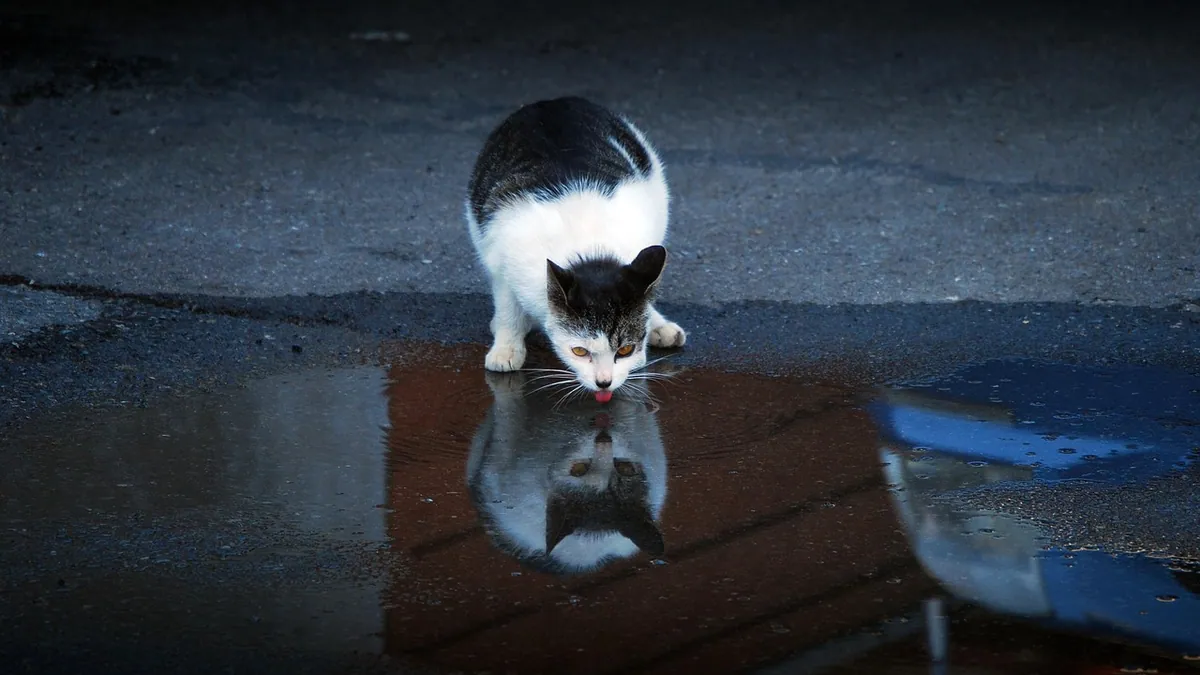
Cats often drink from the toilet because the water is cooler, fresher, and more appealing than what sits in their bowl all day. In many cases this is a normal preference, not a sign of illness. But sometimes a cat drinking out of the toilet is actually drinking more than usual, and that change in thirst can point to a medical problem.
This article is educational and is not a substitute for veterinary diagnosis or treatment.
Quick Answer
- Toilet water stays cool and gets refreshed with every flush, which many cats find more appealing than stale bowl water.
- Some cats dislike their water bowl because of its material, its location near the litter box or food, or because it is too small or too deep.
- Toilet drinking can also be a sign of increased thirst from diabetes, kidney disease, hyperthyroidism, or other conditions.
- Keep the toilet lid closed and offer fresh, cool water in more than one clean bowl or a pet fountain.
- If your cat is drinking more than usual, or has other symptoms like weight loss or frequent urination, see your veterinarian.
Why Does My Cat Drink Out of the Toilet?
Cats Prefer Fresh, Cool, Running Water
Cats evolved as desert hunters, and their ancestors got most of their moisture from prey. That history left cats with a weak thirst drive and a strong preference for water that seems clean and safe. Toilet water is constantly replaced when you flush, so it stays cooler and fresher than water that has been sitting in a bowl for hours. The porcelain also keeps the water cold, which many cats find appealing.
Some cats are drawn to the sound and movement of water. A dripping faucet or a toilet that refills after a flush can catch a cat's attention the same way a pet fountain does. This is normal cat behavior, not a sign that something is wrong.
Bowl Aversion: Why Your Cat Avoids the Water Bowl
If your cat ignores a full bowl and heads for the bathroom, the bowl itself may be the problem. Common reasons include:
- The bowl is plastic and holds onto odors or causes chin irritation.
- The water is stale because it has sat out for a day or more.
- The bowl is next to the food dish or the litter box, both of which can make a cat avoid the area.
- The bowl is too small, too deep, or tips easily, and the cat's whiskers touch the sides.
- The bowl is in a busy spot where the cat feels exposed.
Cats are sensitive to these details. A shallow, wide ceramic or stainless steel bowl in a quiet spot often solves the problem on its own.
The Toilet as a Novel Water Source
Some cats simply like variety. A second water source in a different room can be interesting enough to pull them away from the toilet. If your cat has always drunk from the toilet and seems otherwise healthy, this is likely a habit or preference, not a disease.
Medical Causes to Rule Out
When Toilet Drinking Means Increased Thirst
The important question is whether your cat is drinking a normal amount or drinking more than usual. A cat that seeks out the toilet because it is the best water source is different from a cat that is genuinely thirsty all the time.
Polyuria (urinating a lot) and polydipsia (drinking a lot) are defined in cats as a urine specific gravity consistently below 1.035 along with water intake above 100 ml/kg per day [1]. That is a lot of water for an average cat. If your cat is emptying the toilet bowl, drinking from every sink, and filling the litter box, that pattern deserves a veterinary workup.
Increased thirst and urination in cats can come from several conditions, including diabetes mellitus, chronic kidney disease, hyperthyroidism, and other hormonal or metabolic disorders. Your veterinarian will sort out which one fits your cat.
Rare Hormonal Causes
Some cats have problems with the hormones that control water balance. In one reported case, a young cat with heavy drinking and urination was diagnosed with primary polydipsia after testing ruled out other causes [1]. In another case, a cat with severe lethargy and dehydration was found to have central diabetes insipidus caused by abnormal development of the hypothalamus and pituitary gland, and the cat was managed long term with a medication called desmopressin [2]. These conditions are uncommon, but they show why a full workup matters when thirst is truly excessive.
Other Health Problems Linked to Heavy Drinking
Increased drinking can also appear alongside other illnesses. One cat with a heart mass and severe pulmonary stenosis was referred partly for polyuria and polydipsia along with weight loss [3]. Another cat with a rare kidney tumor and abnormal blood vessel connections also showed progressive weight loss and polyuria/polydipsia [4]. These are unusual cases, but they show that excessive thirst can be one clue among many.
Diet can play a role too. In a study of adult cats, increasing dietary potassium raised water intake and urine production and lowered urine specific gravity in a dose-dependent way [5]. If your cat eats a prescription or therapeutic diet, ask your veterinarian whether the diet could be affecting thirst.
If your cat is drinking more than usual, these guides can help you track the pattern before your appointment: Why Is My Cat Drinking So Much Water? and Cat Urinating a Lot and Drinking a Lot: Causes and When to Test.
When Toilet Drinking Becomes a Problem
Health Risks of Toilet Water
Toilet water is not sterile. It can contain cleaning chemicals, bacteria, and residue from household products. If you use drop-in bowl cleaners or bleach products, the water can irritate your cat's mouth, throat, and stomach. Cats that drink from the toilet may also pick up germs from surfaces that people touch.
There is a practical risk too. A cat leaning into the bowl can slip, and a toilet lid that falls can trap or injure a cat. Small kittens can drown in an open toilet.
Behavior and Household Risks
If your cat has decided the toilet is the best water source, it may stop using its bowl entirely. That makes it harder for you to monitor how much your cat drinks, which is one of the most useful early warning signs of illness. Keeping the toilet closed and providing better water sources keeps that information available to you.
Telling Normal Preference From Increased Thirst
Ask yourself a few questions:
- Has your cat always done this, or is it new?
- Is your cat drinking from the toilet in addition to the bowl, or instead of it?
- Is the litter box wetter or heavier than usual?
- Has your cat lost weight, vomited, or seemed tired?
- Is your cat eating normally?
A new habit plus any of the other changes points toward a medical cause. A lifelong habit with no other changes points toward preference.
What to Do Step by Step
1. Close the Toilet Lid
This is the simplest fix. Keep the lid down and ask everyone in the house to do the same. If your cat has learned to lift the lid, a childproof latch can help.
2. Upgrade the Water Stations
Offer water in at least two places, away from food and litter. Use wide, shallow bowls made of ceramic or stainless steel. Refresh the water at least once a day, and wash the bowls every few days.
3. Try a Pet Fountain
A fountain mimics the running water your cat likes about the toilet. Place it where your cat already spends time. Clean it according to the manufacturer's instructions, because slimy fountains can put cats off.
4. Add Moisture to the Diet
Many cats get much of their water from food. Canned food adds moisture, and some cats drink less from odd sources when their diet is wetter. Ask your veterinarian before changing your cat's diet, especially if your cat has a diagnosed condition.
5. Track Water Intake and Litter Box Output
Measure how much water you put in the bowls each morning and how much is left the next morning. Note how many clumps your cat leaves in the litter box and how large they are. Bring these notes to your appointment. This kind of record helps your veterinarian decide what testing is needed.
6. Rule Out Medical Causes First
If your cat is drinking more than usual, book a veterinary visit before you focus on training. Your veterinarian will examine your cat, run blood and urine tests, and decide whether more testing is needed. Only after medical causes are ruled out does behavior training make sense.
7. Address Any Anxiety or Stress
Some cats drink from the toilet because something about their normal water setup feels unsafe. A new pet, a moved bowl, or a noisy household can all play a role. If your cat is also urinating outside the box, these guides may help: Why Is My Cat Peeing Outside the Litter Box?, Why Is My Cat Suddenly Peeing on the Couch?, and Why Is My Cat Suddenly Peeing on the Carpet?.
What Not to Do
Do Not Punish Your Cat
Punishment does not teach a cat to stop drinking from the toilet. It teaches your cat to avoid you or to drink when you are not looking. That makes the behavior harder to track and can add stress, which may make any underlying problem worse.
Do Not Restrict Water
Never limit your cat's water to stop toilet drinking. If your cat is drinking a lot because of a medical condition, restricting water can cause serious harm. Always provide free access to fresh water.
Skip These Myths
- "Toilet water is fine because it gets flushed." Flushing does not remove cleaning chemicals or bacteria.
- "My cat drinks from the toilet because the bowl water is bad." Sometimes true, but it does not rule out a medical cause.
- "A cat that drinks a lot just likes water." A sudden change in thirst is a symptom, not a personality trait.
- "Toilet water has minerals my cat needs." There is no evidence for this, and toilet water can contain harmful residue.
Do Not Rely on Home Remedies for Thirst
Do not add anything to your cat's water or food to change drinking behavior without veterinary guidance. If a medical cause is present, home remedies can delay diagnosis and treatment.
When a Veterinarian or Certified Behavior Professional Should Be Involved
Call your veterinarian if your cat's toilet drinking is new, if your cat is drinking more than you would expect, or if you notice weight loss, vomiting, diarrhea, lethargy, or a change in appetite. Your veterinarian can run bloodwork, a urinalysis, and other tests to look for diabetes, kidney disease, thyroid problems, and other causes.
If your veterinarian finds no medical cause and the behavior continues despite better water stations, a certified behavior professional can help. Look for someone with credentials in cat behavior, such as a veterinary behaviorist or a certified cat behavior consultant. They can assess stress, household setup, and litter box issues that may be driving the behavior.
Limitations and When to Contact a Veterinarian
This article cannot tell you whether your individual cat has a medical problem. Only a veterinarian who examines your cat and reviews test results can do that. Individual cases need a veterinarian's assessment.
Contact your veterinarian the same day if your cat:
- Starts drinking much more than usual, especially if the change happened over a few days.
- Has a noticeably wetter or heavier litter box.
- Loses weight, vomits, or seems weak.
- Has bad breath, drooling, or trouble eating.
Go to an emergency clinic now if your cat:
- Drinks from a toilet that contained cleaning chemicals or bleach.
- Collapses, has a seizure, or breathes with an open mouth.
- Cannot urinate, cries in the litter box, or strains with no urine produced.
- Vomits repeatedly or has bloody vomit or diarrhea.
Book a routine visit if your cat has always drunk from the toilet but you want to rule out illness, if you cannot tell how much your cat is drinking, or if you need help switching your cat to a better water source.
Frequently Asked Questions
Is it normal for a cat to drink out of the toilet?
It can be normal if your cat has always done it and seems healthy. Cats often prefer cool, fresh, moving water, and a toilet offers all three. If the habit is new or your cat is drinking more than usual, have your veterinarian check for medical causes.
Is toilet water safe for cats?
Toilet water is not clean water. It can hold bacteria and residue from cleaning products, and drop-in bowl cleaners can irritate your cat's mouth and stomach. Keep the lid closed and provide fresh water in clean bowls instead.
How can I stop my cat from drinking out of the toilet?
Close the lid, add more water stations, and try a pet fountain. Use wide ceramic or stainless steel bowls and refresh the water daily. If your cat is drinking more than usual, see your veterinarian before working on the habit.
Does drinking from the toilet mean my cat is sick?
Not always. Many cats do it purely out of preference. It becomes a concern when the behavior is new, when your cat drinks a lot, or when it comes with weight loss, vomiting, or a wetter litter box.
Can I just leave the toilet open if my cat likes it?
No. Toilet water can contain chemicals and germs, and an open lid poses a slipping or drowning risk, especially for kittens. Offer a fountain or extra bowls to meet the same preference safely.
Related Articles
- Why Is My Cat Drinking So Much Water?
- Cat Urinating a Lot and Drinking a Lot: Causes and When to Test
- Why Is My Cat Peeing Outside the Litter Box?
- Why Is My Cat Suddenly Peeing on the Couch?
- Why Is My Cat Suddenly Peeing on the Carpet?
- Why Does My Cat Have Gas?
- Why Is My Cat Pooping in the Sink? Causes and Solutions
- Why Is My Cat Peeing in the Bathtub? Causes and Solutions
- Why Does My Cat Follow Me to the Bathroom?
References
- Primary polydipsia in a cat. JFMS open reports, 2025.
- Presumed partial aplasia of the hypothalamus and pituitary gland causing central diabetes insipidus in an adult cat. JFMS open reports, 2026.
- Cardiac lymphoma causing severe pulmonary stenosis in a cat. Journal of veterinary cardiology : the official journal of the European Society of Veterinary Cardiology, 2025.
- Ultrasonographic and CT Features of a Neoplasia-Associated Visceral Arteriovenous Fistula in a Cat. Veterinary radiology & ultrasound : the official journal of the American College of Veterinary Radiology and the International Veterinary Radiology Association, 2026.
- Increasing Dietary Potassium Enhances Urine Production and Reduces Risk of Calcium Oxalate Stone Formation in Senior Cats. Animals : an open access journal from MDPI, 2026.