Do Dogs Sleep With Their Eyes Open? What It Means
By Dr. Zubair Khalid, DVM, MS, PhD ·
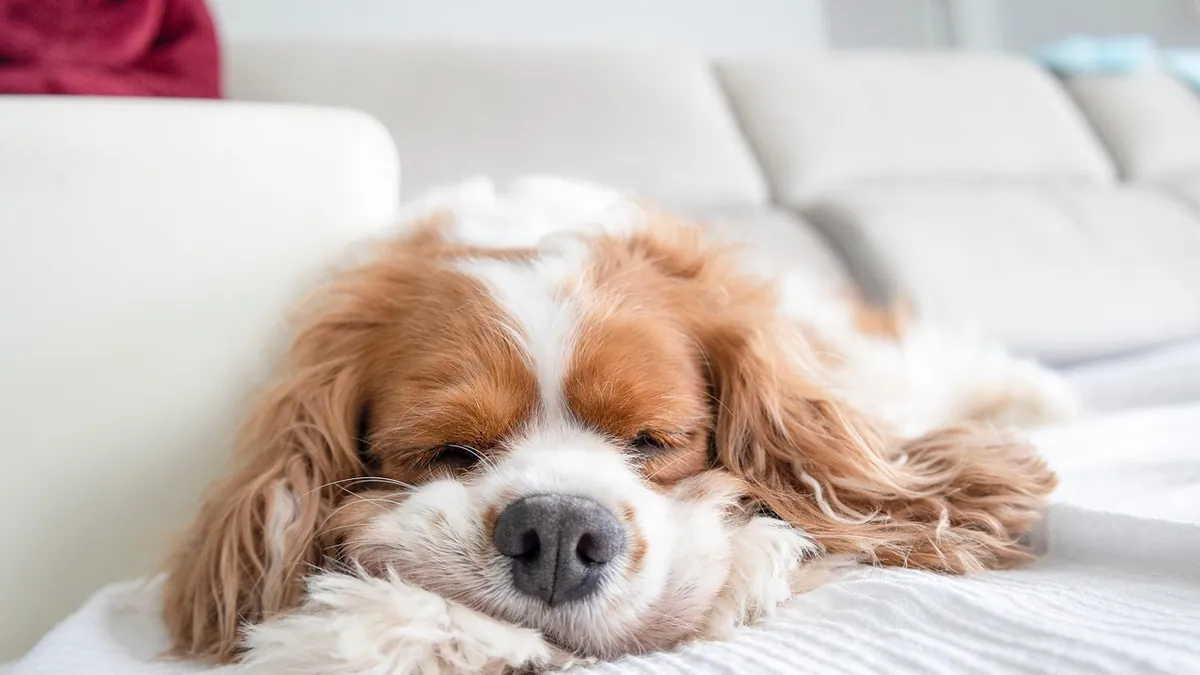
Do dogs sleep with their eyes open? Yes, many dogs do, and in most cases it is a normal part of their sleep cycle. A dog's eyelids may stay partly or fully open during light sleep, especially during the twitching phase of dreaming. The question that matters is whether the eye looks healthy when your dog is awake.
This article is educational and is not a substitute for veterinary diagnosis or treatment.
Quick Answer
- A dog sleeping with eyes open is common and usually harmless, especially during light sleep or dreaming.
- Puppies do it too, and it is often normal in young dogs whose sleep cycles are still maturing.
- The eye should look normal when your dog is awake: clear, moist, and comfortable.
- Warning signs include redness, cloudiness, discharge, squinting, or an eye that stays open even when your dog is awake.
- If the eye looks irritated or your dog avoids light or rubs the face, call your veterinarian.
What It Looks Like and What Is Normal
When a dog sleeps with eyes open, you might see the full eyeball or just a sliver of it. The eye may look glassy or rolled slightly upward. The third eyelid, a pale membrane at the inner corner, may slide partway across. This can look alarming, but it is often just a stage of sleep.
Dogs move through sleep stages much like people do. During rapid eye movement (REM) sleep, the eyes dart under the lids, and the body may twitch, paddle, or make small chewing motions. Researchers confirmed these movements happen during REM sleep in dogs using brain wave recordings [1]. In some dogs, the eyelids simply do not close all the way during these phases.
The anatomy matters here. A dog's eye has a tough outer white layer called the sclera, a clear front dome called the cornea, and a colored iris that controls the pupil [2]. The eyelids and the conjunctiva (the thin membrane lining the lids) keep the surface moist and protected [2]. When the lids stay open during sleep, that protection is reduced for a short time. For a healthy eye, brief exposure is usually not a problem.
Many owners also notice this during deep sleep or when their dog is very relaxed. If the eye is bright, the surface is shiny, and your dog wakes up comfortable, there is usually nothing to worry about. You can read more about normal sleep amounts in How Long Do Dogs Sleep and Why Do Dogs Sleep So Much? Understanding Canine Sleep Patterns.
Do Puppies Sleep With Their Eyes Open?
Yes, puppies often sleep with their eyes open. Their sleep cycles are shorter and lighter than adult dogs, so they spend more time in the stages where the lids may not fully close. This is usually normal.
That said, puppies have delicate eyes and are prone to eyelid problems. One common issue is entropion, where the eyelid edge rolls inward and the lashes or fur rub against the eye surface [3]. This causes irritation, tearing, and squinting. Very young puppies with entropion may sometimes be treated with temporary stitches that are removed in 2 to 3 weeks [3]. If your puppy's eye looks red, weepy, or painful, have it checked.
Main Causes of a Dog Sleeping With Eyes Open
Most of the time, the cause is simple sleep physiology. But sometimes an open eye during sleep points to an eye or nerve problem. The table below can help you sort out what you are seeing.
| Cause | Typical clues | How urgent |
|---|---|---|
| Normal light sleep or REM sleep | Eye looks clear, dog wakes normally, no redness or discharge | Not urgent |
| Shallow sleep in puppies | Young age, short naps, otherwise healthy | Not urgent |
| Entropion (eyelid rolls inward) | Squinting, tearing, rubbing the eye, red conjunctiva | See a vet soon |
| Eye pain or injury | Pawing at the eye, sensitivity to light, cloudy cornea | Same day |
| Dry eye or poor tear film | Dull surface, thick discharge, recurrent redness | See a vet soon |
| Nerve problem (facial nerve) | Drooping eyelid, droopy lip or ear on one side, unable to blink | Same day |
| Seizure activity or abnormal sleep movements | Paddling, chewing, vocalizing during sleep, hard to wake | Same day |
Normal Sleep and Dreaming
During REM sleep, the brain is active and the eyes move. A dog may paddle the legs, twitch the face, or make sucking and chewing motions. In one reported case, a young dog with tetanus showed excessive paddling and chewing movements that began 20 to 180 seconds after the start of REM sleep [1]. That case involved a specific medical condition, but it shows how closely sleep movements link to REM stages.
For most healthy dogs, an open eye during sleep is just a quirk of how the lids rest. It does not mean your dog is in distress.
Eyelid and Eye Surface Problems
Entropion is the most frequent inherited eyelid defect in many dog breeds [3]. It can also develop after scarring or from severe squinting caused by eye pain [3]. The inward-turning lid hairs rub the cornea and conjunctiva, causing discomfort, irritation, and long-term damage if untreated [3]. Long-term entropion can cause scarring, abnormal coloring, and slow-healing sores on the cornea [3].
Other surface problems include dry eye, allergies, and foreign material under the lid. Any of these can make a dog hold the eye partly open, even during sleep. If the eye looks red or irritated when your dog is awake, see Why Are My Dog's Eyes Red?.
Nerve and Neurologic Causes
The eyelids depend on nerves that control blinking and lid position. If a nerve is damaged, the lid may not close fully, even during deep sleep. You may notice a drooping eyelid, a droopy lip, or a droopy ear on the same side. Your dog may also have trouble blinking when awake.
Some sleep-related movement disorders can look like an open-eyed sleep problem. Rapid eye movement sleep behavior disorder has been suspected in dogs and confirmed in at least one case using brain wave monitoring [1]. Abnormal movements during sleep can also be confused with seizures. Veterinarians use electroencephalography (EEG) to tell these apart [1][4].
When the Eye Stays Open While Awake
If the eye stays open when your dog is awake and alert, that is different from sleeping with eyes open. It suggests the lid cannot close properly. This can happen with nerve problems, eyelid deformities, or severe eye pain. This pattern needs a veterinary exam.
Red Flags That Make It an Emergency
Call your veterinarian right away or go to an emergency clinic if you see any of these:
- The eye is bulging, cloudy, or has a blue or gray haze.
- Your dog is pawing at the eye or pressing the face into furniture.
- There is thick yellow or green discharge.
- The eye looks red and your dog avoids bright light.
- The eyelid is stuck open and your dog cannot blink.
- Your dog seems painful, restless, or suddenly stops eating.
- You see repeated paddling, chewing, or vocalizing during sleep that is hard to interrupt.
- One side of the face droops, including the lip or ear.
Eye pain in dogs can worsen quickly. A scratched cornea or a pressure problem inside the eye can threaten vision within hours. Do not wait to see if it improves on its own.
Safe Things You Can Do at Home While You Wait
You cannot fix an eye problem at home, but you can keep your dog comfortable and avoid making things worse.
- Keep the area around the eye clean with a soft, damp cloth. Wipe away discharge gently, moving away from the eye.
- Do not touch or press on the eyeball.
- Do not use human eye drops or leftover pet medications unless your veterinarian tells you to. Some drops can harm the eye.
- Dim the lights if your dog seems sensitive to brightness.
- Prevent rubbing and scratching. A cone collar can help if your dog keeps pawing at the face.
- Note what you see and when it started. Photos and short videos of the sleeping eye help your veterinarian.
- Keep your dog's regular sleep routine calm and quiet.
If your dog is peeing during sleep as well, that can point to a separate problem. See Why Is My Dog peeing in sleep? Urinary Incontinence and Hormone Deficiency.
What Your Veterinarian Will Check and Test
Your veterinarian will start with a full eye exam. They check the eyelids, lashes, conjunctiva, cornea, and pupil. They may use a light to see how the pupil responds. The pupil is controlled by a circular sphincter muscle that shrinks in bright light and widens in the dark [2].
Common tests include:
- A fluorescein stain to look for scratches or sores on the cornea.
- A tear production test to check for dry eye.
- A pressure check to rule out glaucoma.
- A close look at the eyelid position to check for entropion [3].
If the problem seems neurologic, your veterinarian may check facial nerve function and watch how your dog blinks. In some cases, they may refer you to a specialist for brain wave testing. EEG helps differentiate sleep disorders from seizures and other abnormal movements [1][4].
Treatment depends on the cause. Entropion often needs surgery once it is established, though puppies may sometimes be managed with temporary stitches first [3]. Infections, dry eye, and allergies each have their own treatments. Your veterinarian will calculate any medication dose based on your dog's weight and health.
Prevention and Monitoring
You cannot prevent normal open-eye sleep, and you do not need to. What you can do is protect eye health over time.
- Check your dog's eyes during awake hours. They should be clear, moist, and comfortable.
- Keep up with routine wellness visits so eyelid and tear problems get caught early.
- Watch for breed risks. Entropion is inherited in many breeds, so ask your veterinarian if your breed is prone [3].
- Groom carefully around the face. Trim hair that hangs into the eyes.
- Track sleep patterns. If your dog's sleep looks different over time, write it down. Changes in sleep can reflect pain or other health issues.
- Keep a simple log of any redness, discharge, or squinting.
If your dog sleeps with eyes open but the eyes look healthy when awake, you can simply monitor. If anything changes, act early.
Limitations and When to Contact a Veterinarian
This article cannot tell you what is happening in your dog's specific case. Only a veterinarian who examines your dog can do that.
Contact your veterinarian the same day if you see redness, discharge, squinting, cloudiness, or pawing at the eye. Go to an emergency clinic now if the eye is bulging, the cornea looks blue or hazy, your dog cannot blink, or your dog is in obvious pain. Schedule a routine visit if the open-eye sleep is new, happens often, or comes with any change in behavior or appetite.
Frequently Asked Questions
Is it normal for dogs to sleep with their eyes open?
Yes, it is normal in many dogs, especially during light sleep and dreaming. The key is how the eye looks when your dog is awake. A clear, comfortable eye with no redness or discharge is usually nothing to worry about.
Do puppies sleep with their eyes open?
Yes, puppies commonly sleep with their eyes open because their sleep is lighter and their cycles are shorter. Watch for redness, tearing, or squinting, since eyelid problems like entropion can appear in young dogs [3]. If the eye looks irritated, have your puppy checked.
Should I wake my dog if the eyes are open during sleep?
No, you do not need to wake your dog. Open eyes during sleep are usually harmless, and waking a dog in REM sleep can startle them. Just watch the eye when your dog is awake to confirm it looks healthy.
Can an open eye during sleep cause dry eye?
Brief exposure during sleep is usually not enough to cause dry eye in a healthy dog. But if the lids stay open for long periods, or if your dog already has poor tear production, the surface can dry out. Your veterinarian can measure tear production if dryness is a concern.
When should I worry about my dog sleeping with eyes open?
Worry if the eye looks red, cloudy, or painful, or if your dog squints, rubs the face, or avoids light when awake. Also worry if the eyelid stays open while your dog is alert, or if you see repeated paddling or chewing during sleep. These signs need a veterinary exam.
Related Articles
- How Long Do Dogs Sleep
- Why Do Dogs Sleep So Much? Understanding Canine Sleep Patterns
- Why Are My Dog's Eyes Red?
- How Many Hours A Day Do Dogs Sleep
- Why Is My Dog peeing in sleep? Urinary Incontinence and Hormone Deficiency
- Can You Give Your Dog Melatonin for Anxiety or Sleep?
- Why Does My Dog Bark in His Sleep? Dreaming Explained
- Are Dogs Light Sleepers? Why Your Dog Wakes So Easily
- Why Does My Dog Twitch in His Sleep? What's Normal
References
- Electroencephalography of rapid eye movement sleep behavior disorder in a dog with generalized tetanus. Journal of veterinary internal medicine, 2023.
- Eye Structure and Function in Dogs - Dog Owners. Merck Veterinary Manual.
- Disorders of the Eyelids in Dogs - Dog Owners. Merck Veterinary Manual.
- Use of sedation-awakening electroencephalography in dogs with epilepsy. Journal of veterinary internal medicine, 2024.